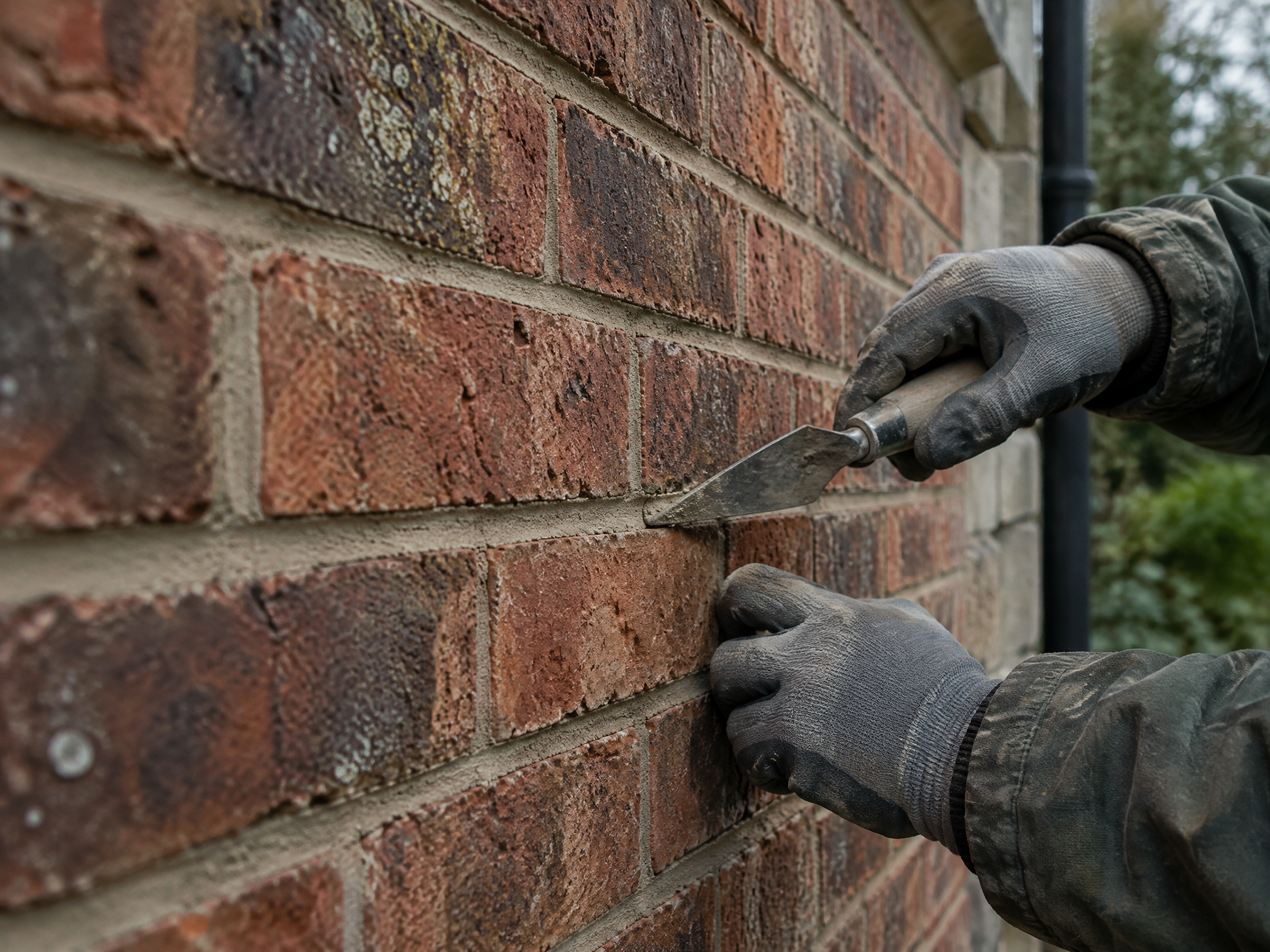
Window sill repair

Window sill repair and replacement in Staffordshire

Cracked, spalled or weather-damaged sills can allow water to sit at a vulnerable window-to-wall junction. We assess the condition before recommending local repair or a replacement detail.

A clear starting point

What does exterior window sill repair involve?

Exterior window sill repair addresses local cracks, spalling and failed surfaces where enough sound material remains. If deterioration is wider, a new covering or replacement detail may be more appropriate. Staffordshire Pointing assesses the sill, its fall and drip edge, window-frame junctions and surrounding masonry before recommending a scope. The aim is to help rainwater fall clear of the wall; damp or movement may need wider assessment rather than sill work alone.

Explore the Staffordshire repointing guide

A considered service

Keep the window edge shedding water as it should.

An exterior sill has a practical job as well as a visual one. Failing paint, open cracks, spalled edges and a poor fall can allow water to track back towards the wall and leave the brickwork below looking tired.

A sensible scope starts with the substrate and the surrounding wall. Depending on what is sound, it may involve cutting back failed material, forming a local repair, renewing a sill surface or discussing a finished profile with an appropriate drip edge.

Discuss your property
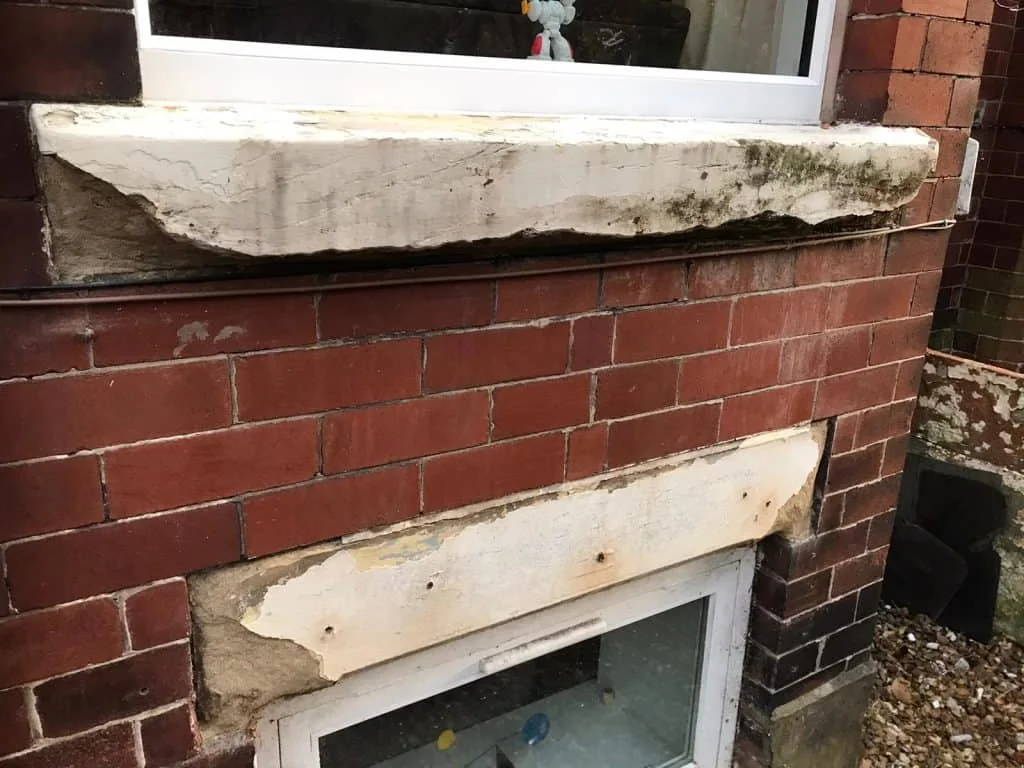
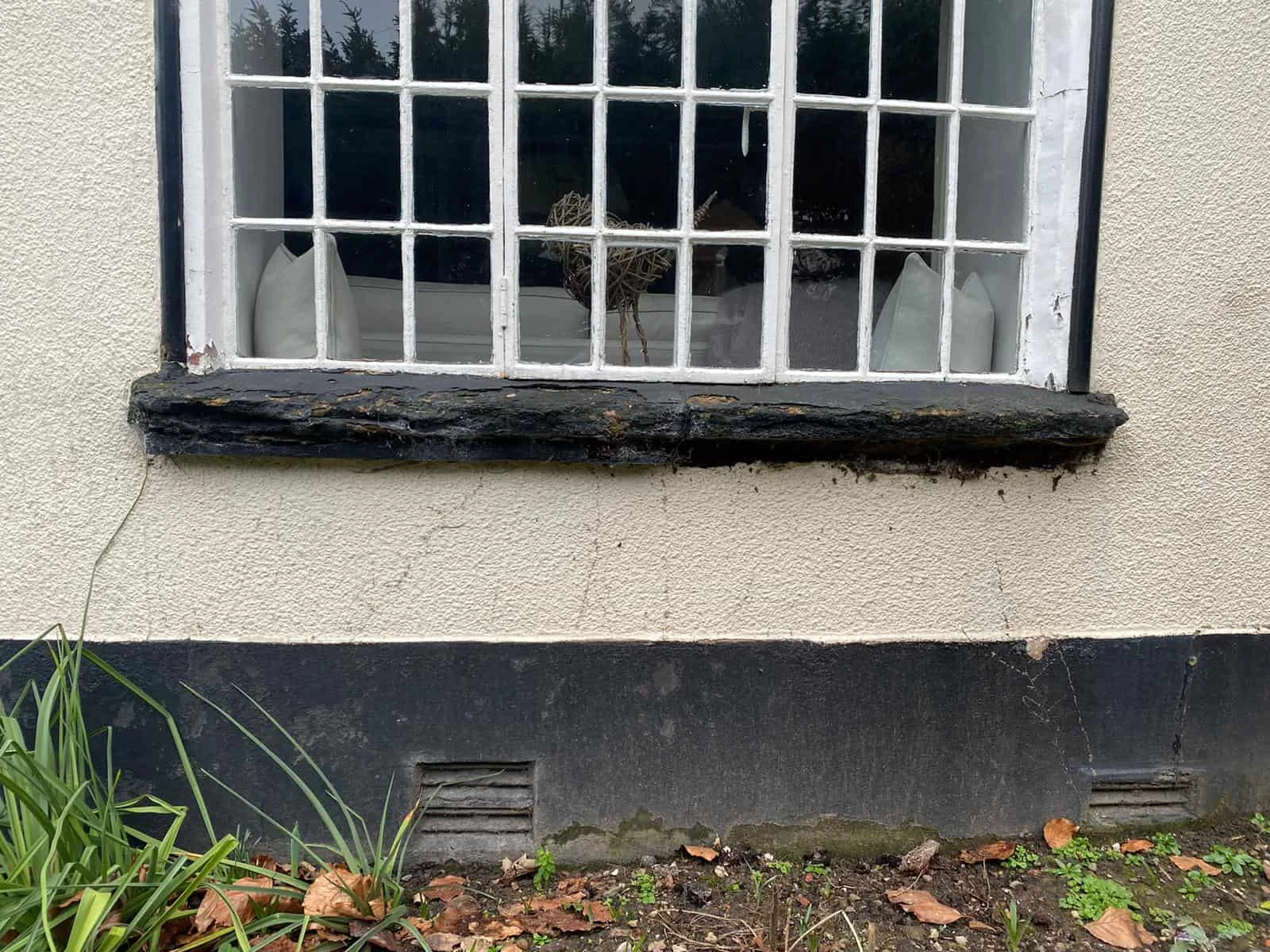
Weathered exterior window sill beneath a white sash window before repair planning
Illustrative masonry detail

What we assess around a damaged sill

  • Cracks, spalling, loose material and failed coatings across the sill face
  • The fall, drip detail and any signs that water is tracking into the wall below
  • The condition of adjacent render, brickwork, mortar joints and window-frame junctions

A repair-led process

Restore the sill detail before rain gets into the wall below.

A window sill is there to throw water clear of the wall, not let it sit against the frame or track into the brickwork. Where a sill has cracked, spalled or lost its finish, the first job is to establish which material remains sound and how the original profile is managing rainwater.

Once the scope is clear, the damaged material can be cut back as needed, the repair surface formed to suit the opening and a proper fall and drip detail considered. Any visible brickwork, joints or staining beneath the sill can be discussed as part of the same repair conversation.

Discuss a window sill repair
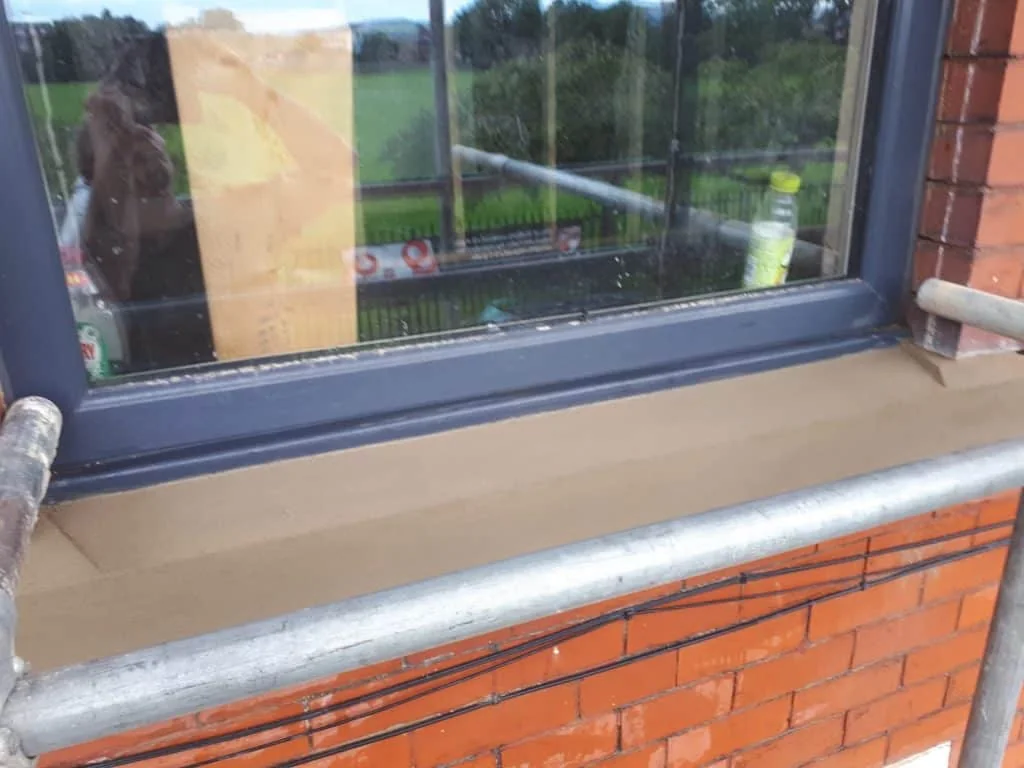
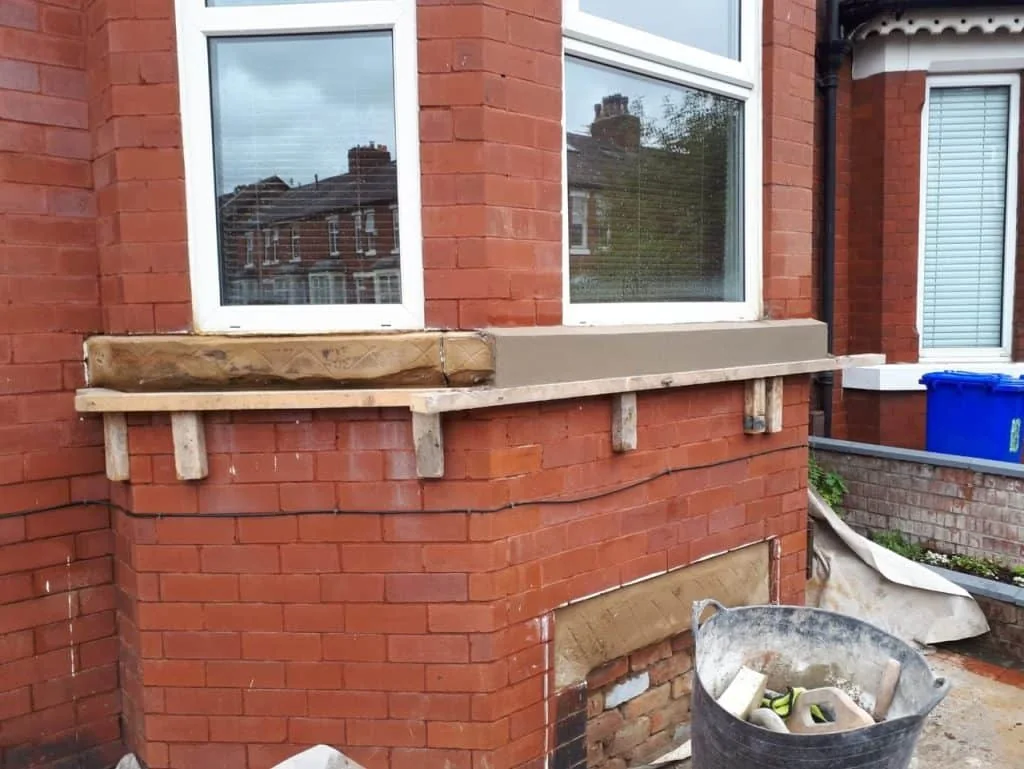
Window sill repair in progress with the existing area prepared for a new formed surface
Preparing the sill detail around the existing opening.
Craftsperson shaping and finishing a renewed exterior window sill
Finishing a renewed surface and water-shedding profile.

Sill and detail repairs

More than one way to improve a weathered opening.

Each option is assessed around the original material, the condition of the sill and the brickwork, render or stonework that meets it.

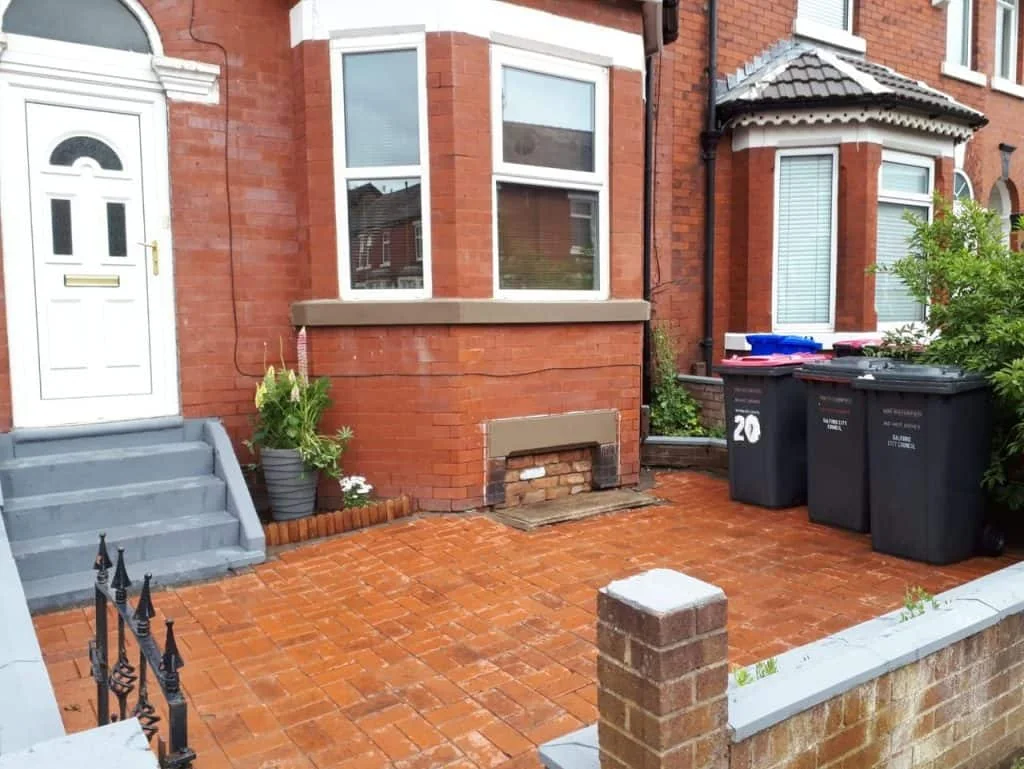
Renewed external window sill and surrounding brickwork on a traditional property

Window sill replacement

Where a sill face has failed beyond a reliable local repair, the damaged material can be removed and a new shaped covering or replacement detail considered. The profile and water run-off are planned around the existing opening.

Ask about this repair
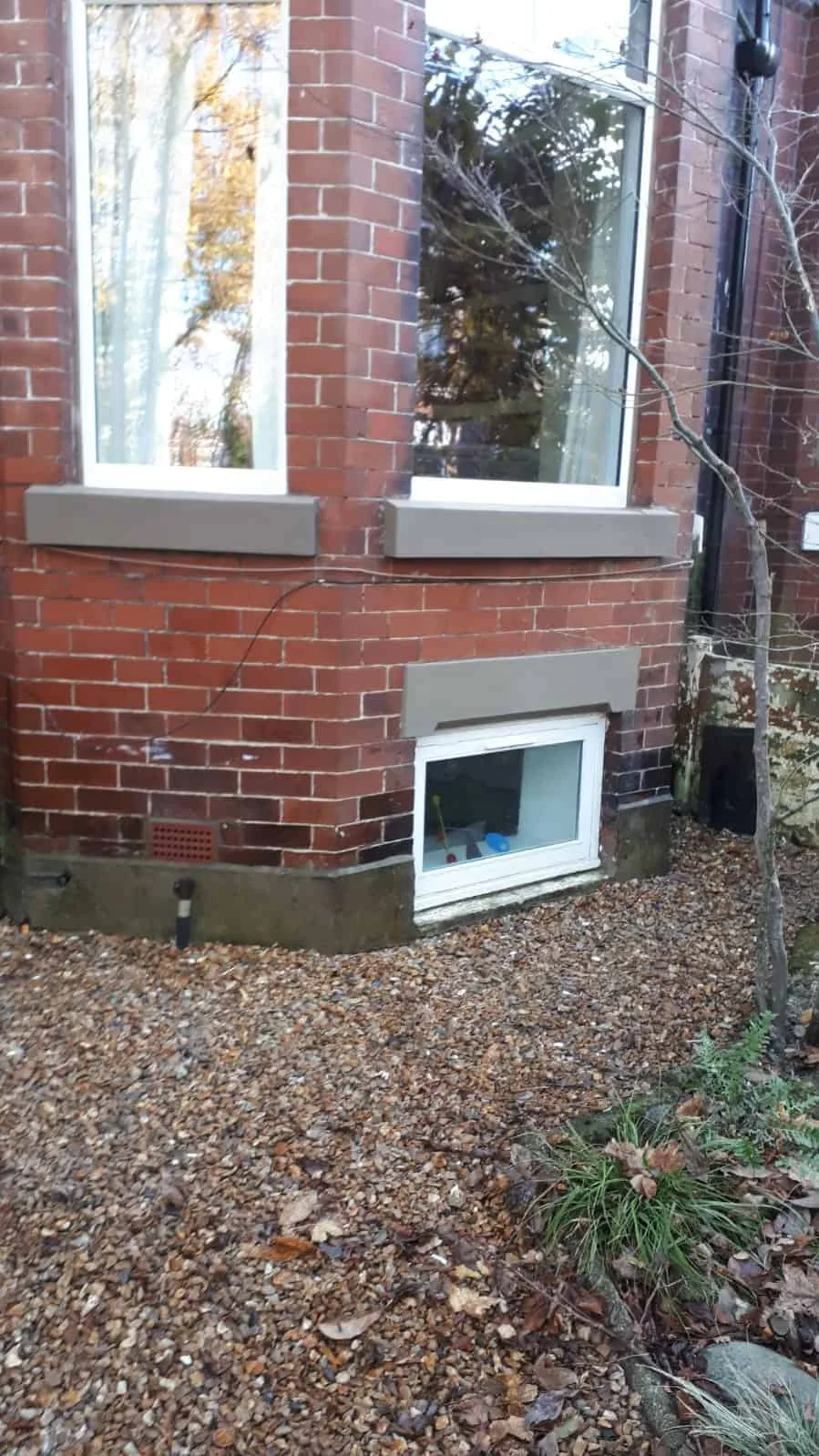
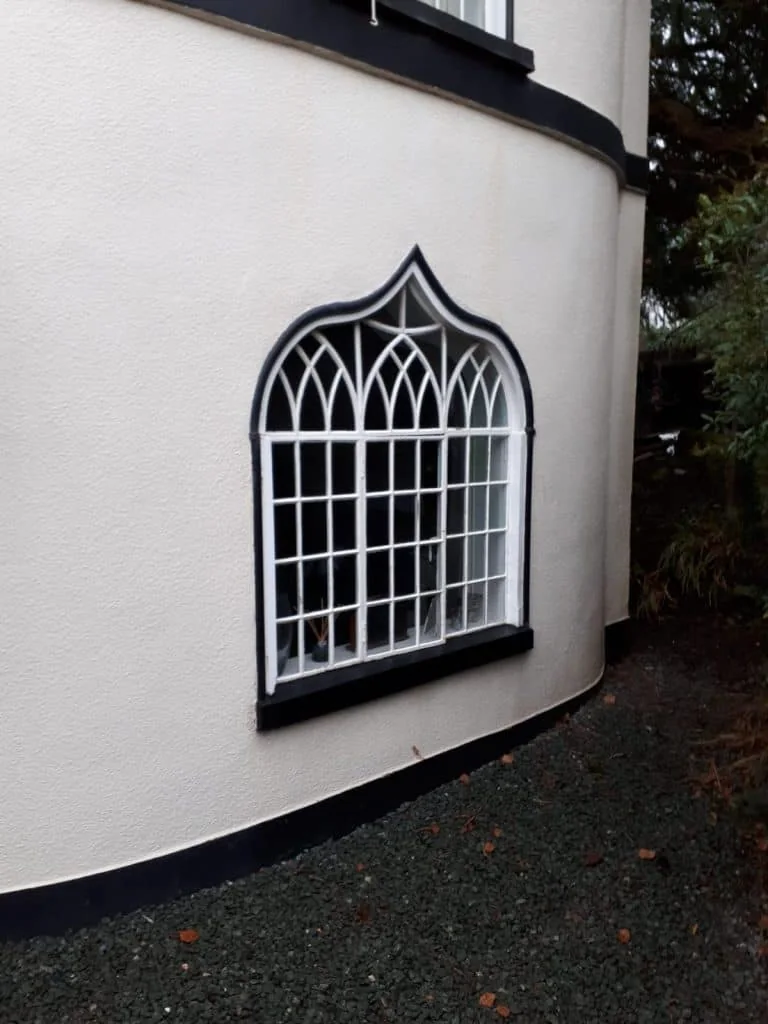
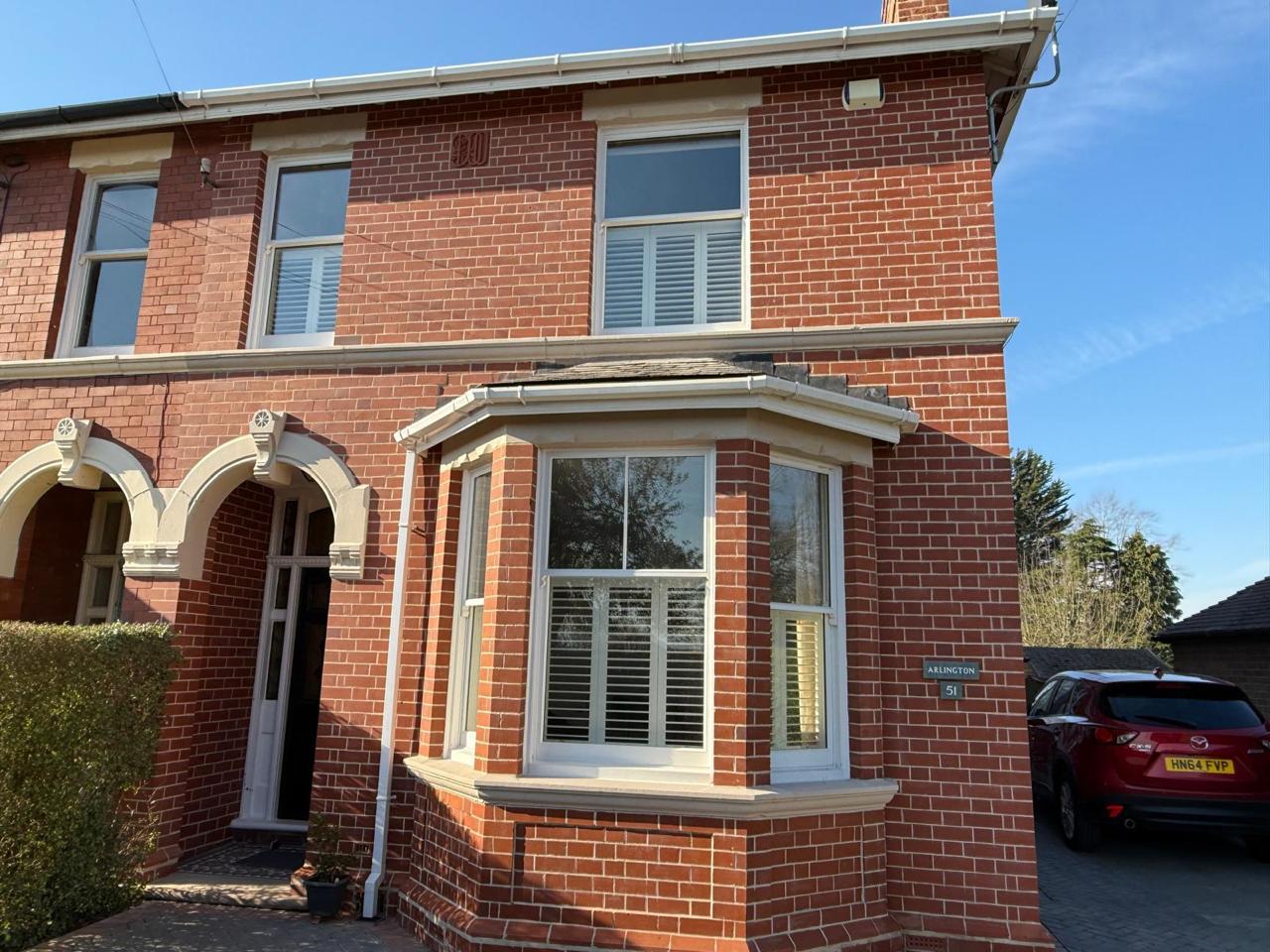
Completed sill detail beneath a tall Victorian-style window

Local sill repair

When sound material remains, a smaller damaged area may be cut back, rebuilt and blended into the existing sill. This can be a practical route for local cracking, spalling and edge damage.

Ask about this repair
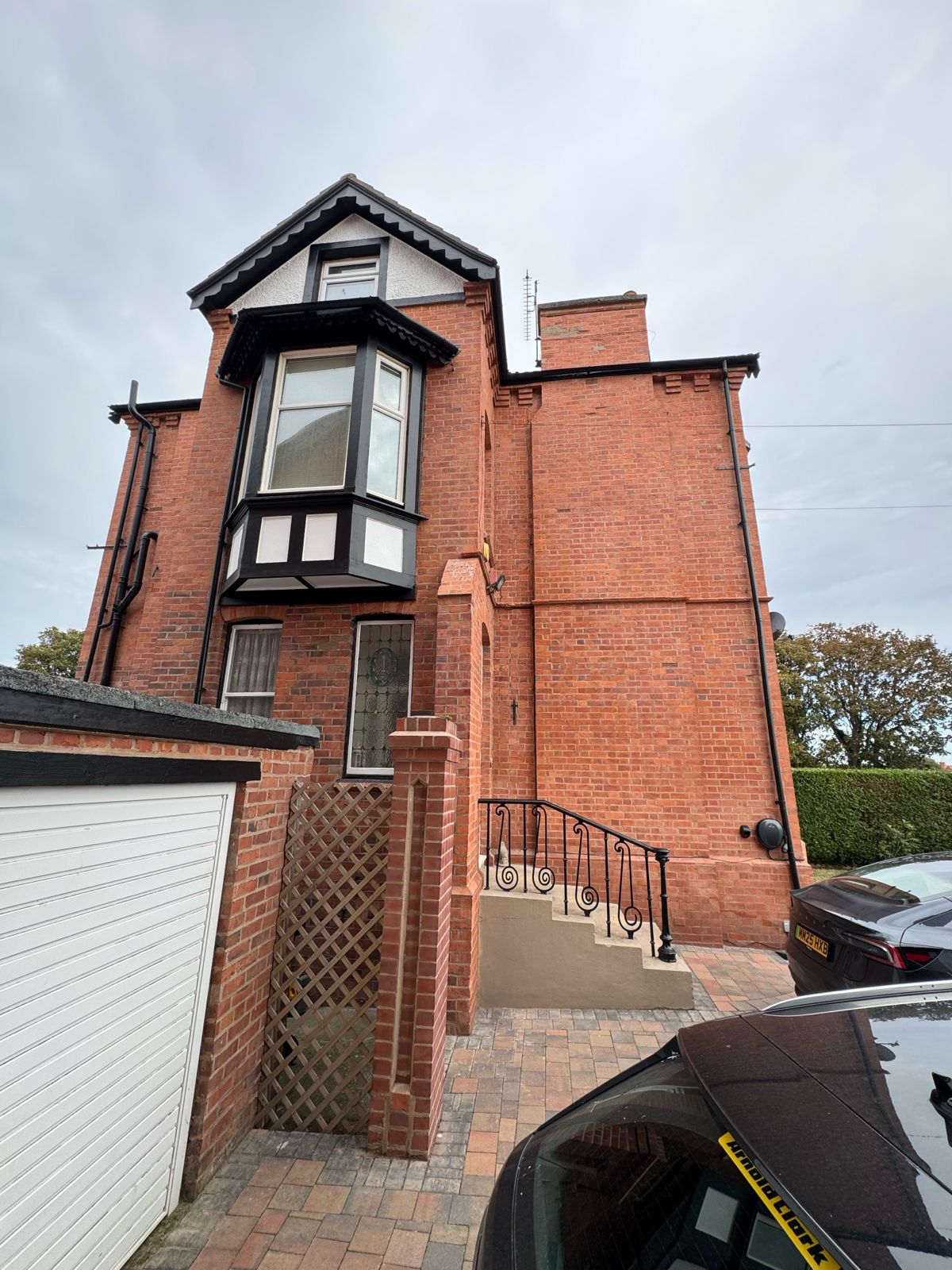
Renewed stone entrance step and masonry edge detail

Stone steps and entrance details

The same inspection-led approach can apply to worn step edges and related entrance masonry. A repair scope needs to consider the original profile, safe use, bedding and the details around it.

Ask about this repair
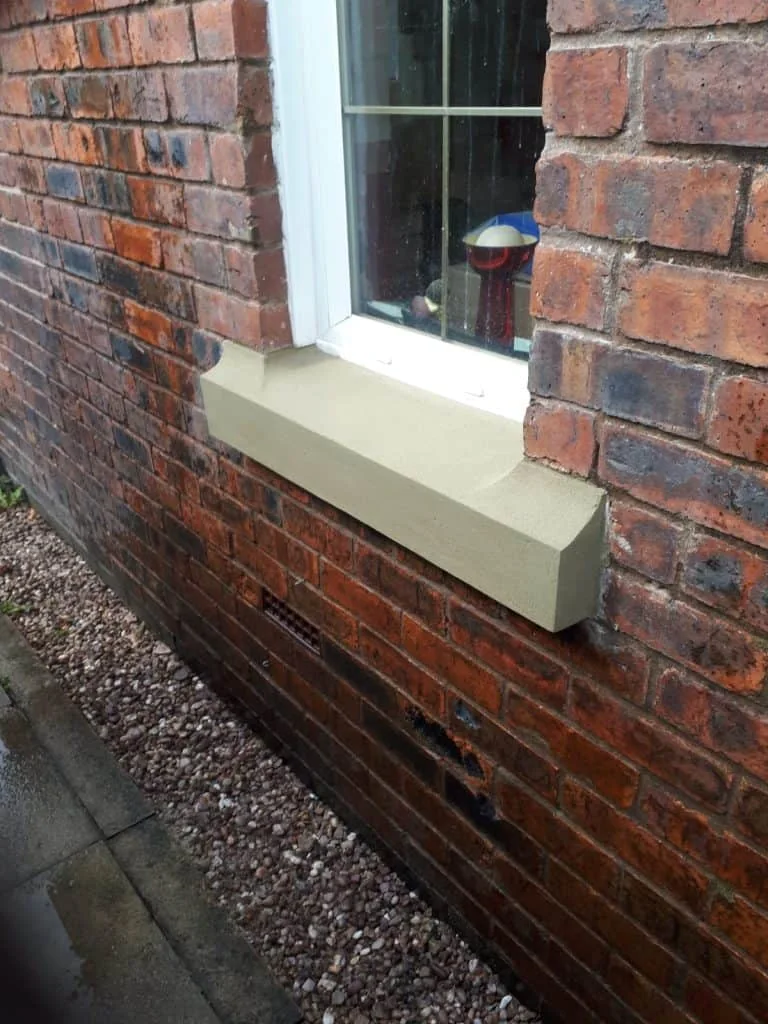
Formed stone window sill profile at a red-brick wall junction

Pillar caps, headers and exposed features

Pillar tops, decorative masonry and exposed header details can weather in a similar way to sills. Their repair should retain the function of the profile as well as the appearance of the feature.

Ask about this repair
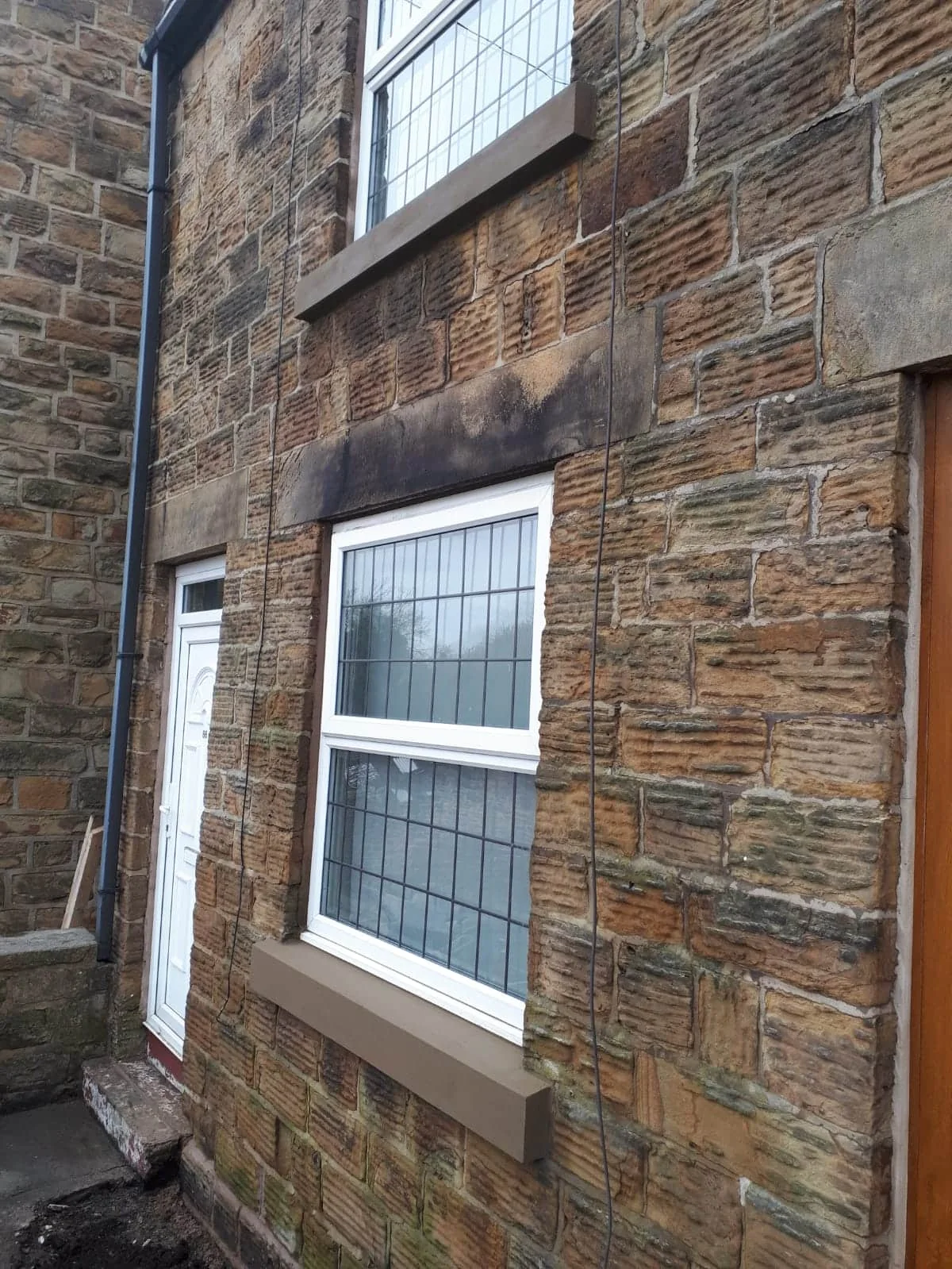
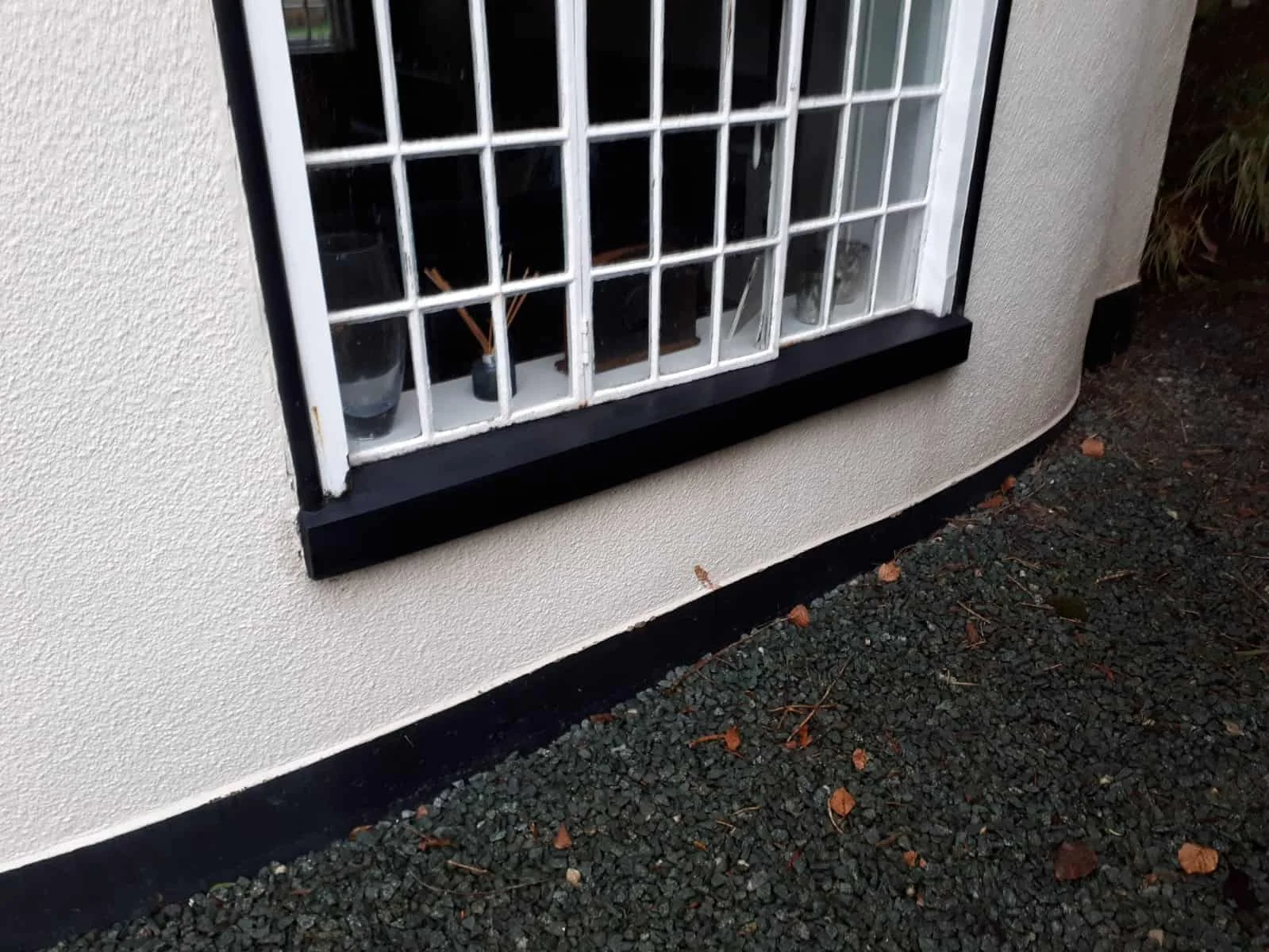
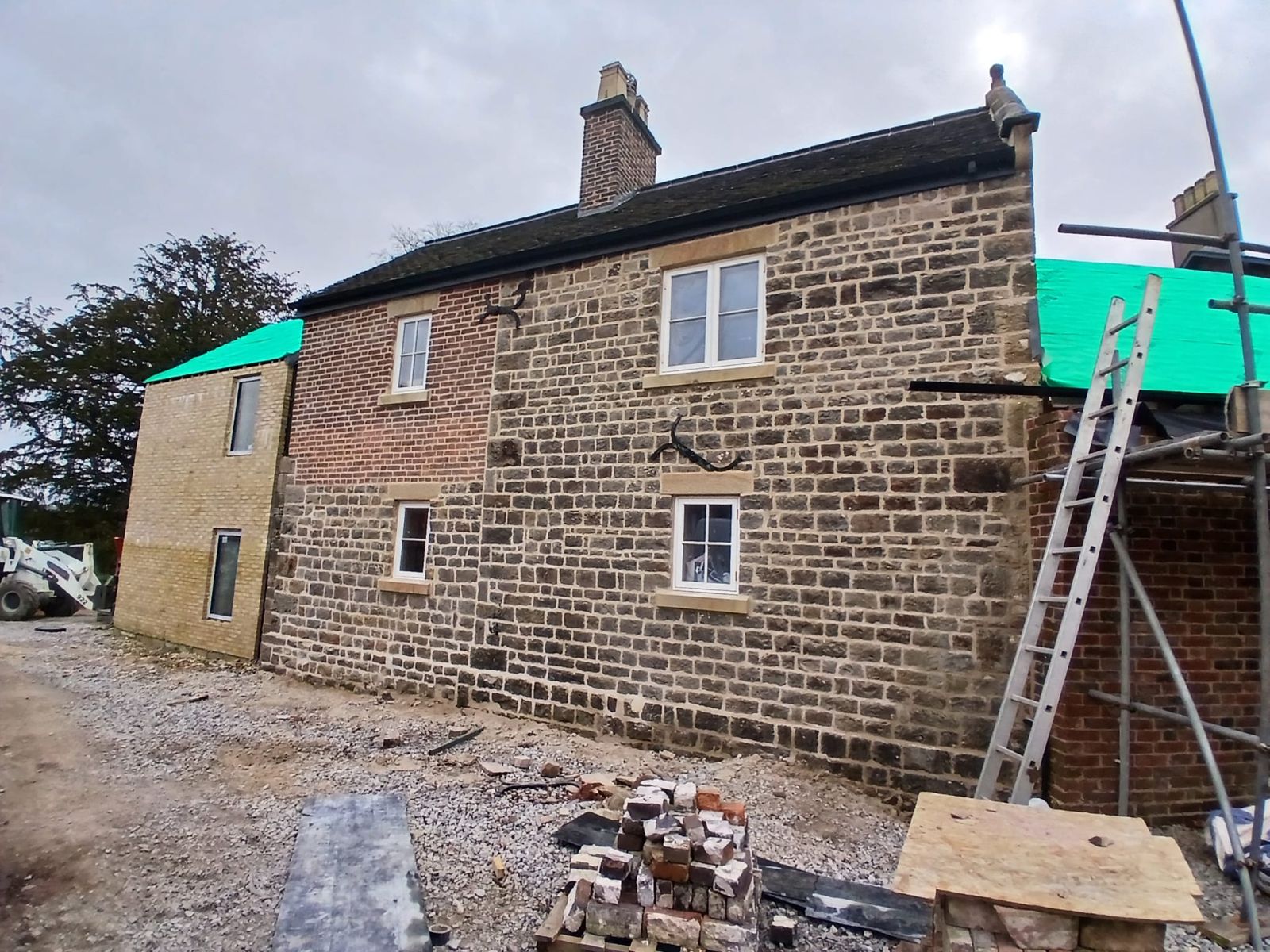
Stone cottage elevation with renewed pale window sill details

Surface finishing and colour matching

Where the structure is sound but the appearance has deteriorated, preparation and a compatible finish may be discussed. Any colouring or sealant should follow a check of the substrate and water-shedding detail first.

Ask about this repair
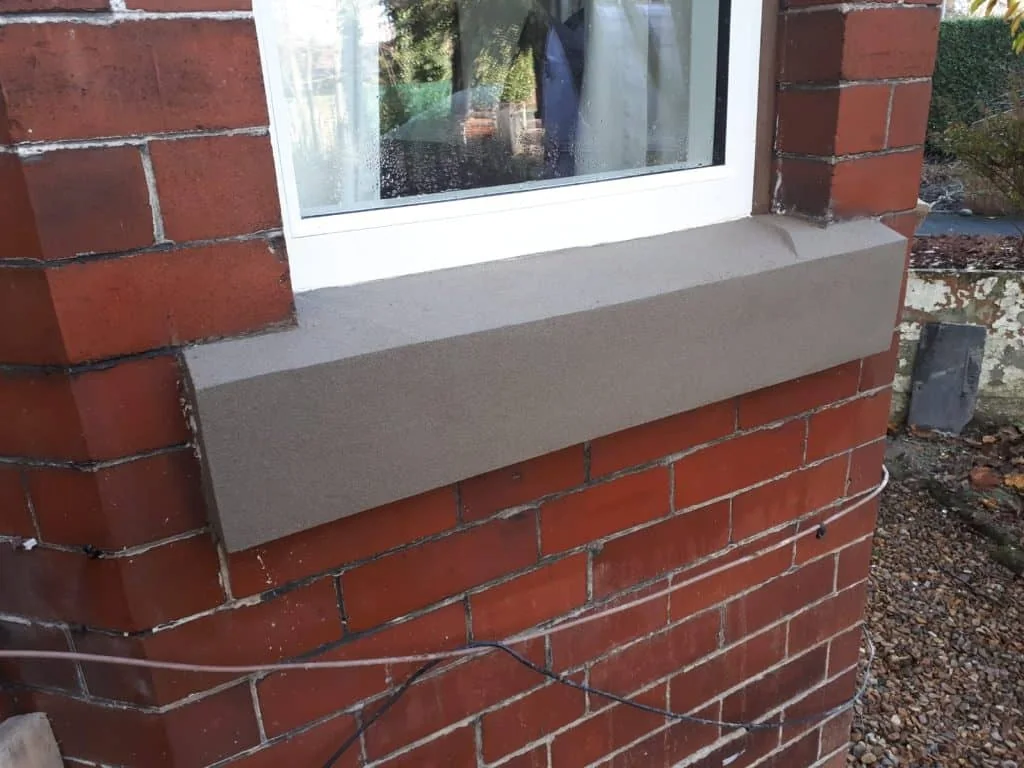
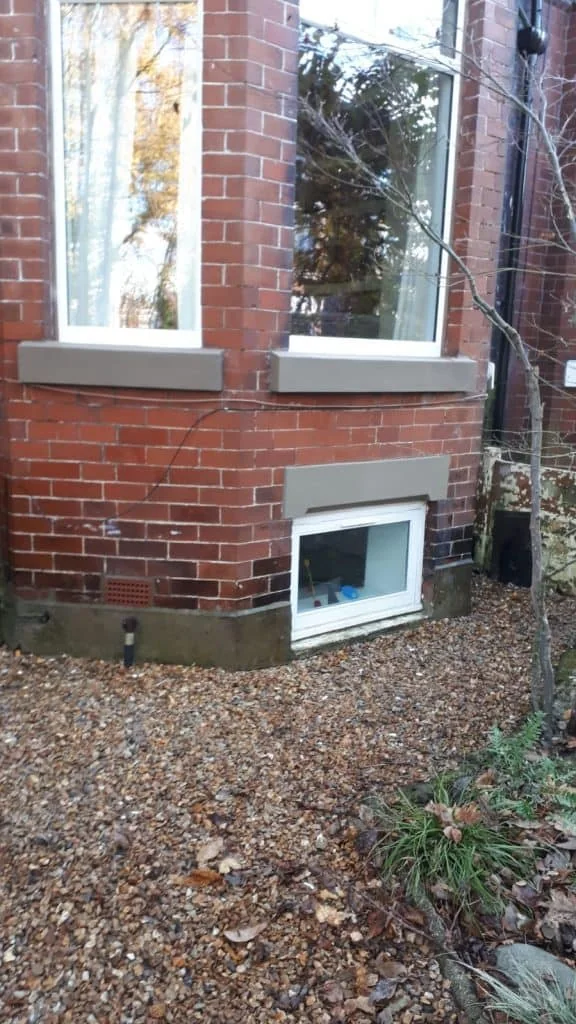
Finished pale window sill with a clear edge detail beneath a red-brick window opening
A finished sill profile should help rainwater fall clear of the masonry below.

Why deal with the detail early

Small sill faults can affect the wall below them.

A local crack or failed edge can look minor, but repeated water entry can leave the surrounding brickwork, joints and internal reveal working harder than they should. A repair is best planned before the damaged surface becomes a wider masonry issue.

  • Helps move rainwater away from the wall below the window
  • Protects nearby brickwork, pointing and internal finishes from repeated wetting
  • Restores a clear sill edge and a tidier appearance at the window opening
  • Allows cracks, spalled material and failed older patches to be addressed before they spread
  • Creates a scope around the sill, reveal and surrounding masonry rather than treating one detail in isolation
Get a sill repair quotation

Signs to look for

When a window sill needs a closer look.

Take a wide photograph showing the complete opening as well as a closer view of the sill. It helps us understand whether the concern is local to the surface or linked to the surrounding wall.

  • Cracks, spalling or loose material across the sill face or front edge
  • Paint flaking repeatedly or a soft, powdery surface after wet weather
  • Water staining, moss or algae directly beneath the sill
  • A visible gap at the junction between the sill, window frame or brickwork
  • Standing water on the sill or a profile that appears to fall back towards the wall
  • Rust staining or exposed reinforcement in a concrete sill
  • Damp marks on an internal reveal or wall beneath the window
  • A sill that has moved, is pulling away or is accompanied by damaged nearby brickwork
Close view of a worn window sill surface before local repair preparation
Visible cracking and failed surfaces are useful details to include in an enquiry.

Look closer

A detailed sill repair, viewed before and after.

Use the slider to compare a weathered sill detail with its later repaired view. The material, profile and finish always need to be chosen around the specific opening and masonry condition.

Renewed stone sill below a pointed brick window opening after repair
Window sill repairGet a quote

FAQs

Questions about window sill repair.

Every property has its own material, condition and access considerations. These answers explain the points we would normally discuss before a scope is agreed.

How can I tell if an exterior window sill needs repair?+

Cracks, loose or spalled material, recurring flaking paint, water staining below the window, a failed drip edge or a visible gap at the frame are all reasons to arrange a closer look. Photographs of the sill and the wider elevation are useful when you get in touch.

What is the difference between local sill repair and replacement?+

A local repair may suit a sill with a limited damaged area and enough sound material to retain a reliable profile. Where deterioration is wider or the original detail cannot be restored convincingly, a new covering or replacement detail may be more appropriate. The decision is made after assessing the sill and surrounding wall.

What can happen if a damaged window sill is left alone?+

A failing sill can hold water or direct it towards the wall. Over time that can contribute to staining, frost damage, open mortar joints, damp at the reveal and deterioration of the brickwork below. Addressing a small issue early can help prevent a wider masonry repair later.

Can the finish be matched to my existing property?+

The existing sill material, surrounding masonry, texture and colour are all considered. A close visual result depends on the condition of the original detail and the materials available, so a finish should be discussed against the property rather than promised from photographs alone.

Can stone steps, pillar caps and headers be considered at the same time?+

Yes. These exposed details often face similar weathering and water-management issues. Let us know about any damaged steps, caps, lintels or decorative masonry when you request a quotation so the first visit can consider the wider picture.

How long should a sill repair or replacement last?+

Durability depends on the original construction, the condition of the substrate, the chosen material, water run-off and exposure. A well-scoped repair is designed around those conditions, but no fixed lifespan is sensible before the existing sill and wall have been inspected.

How long does window sill work usually take?+

Timing varies with the number of openings, access, the amount of failed material to remove, curing requirements and whether nearby brickwork or pointing also needs attention. Once the condition is understood, we can explain the likely sequence and timescale.

Will scaffolding be needed for a window sill repair?+

That depends on the height, access below the window, the work area and site safety requirements. Ground-floor work may be accessible from a suitable platform, while higher or awkward elevations can require a different access plan. This is confirmed as part of the scope.
Speak to somebody today.

Call 01625 920 888, or for the fastest way to get a quotation, click Get a quotation and fill in your details.

Get a quotation