Find the reason the masonry changed
Deterioration can be linked to weathering, water routes, unsuitable earlier repairs, coating history, movement or simple age. A useful restoration scope starts by separating those causes from the visible symptom.
Staffordshire Pointing is part of the Cheshire Pointing Group Limited, (established 2003).
Brick restoration
A condition-led route for damaged, altered or time-worn brickwork — bringing repair, compatible mortar, careful cleaning and matching decisions together around the masonry that is already there.
A clear starting point
Brick restoration is a joined-up approach to damaged, altered or weathered masonry when the problem extends beyond one brick or mortar joint. It can combine local brick repair, compatible repointing, carefully selected cleaning and matching. The scope should follow the wall's condition and the cause of deterioration, retaining sound original fabric where possible. Moving or unstable brickwork, persistent damp and coating problems may require wider investigation before restoration is agreed.
Start with the masonry that remains
Brick restoration is useful when the visible issue is more involved than an isolated joint or a single damaged unit. Weathered faces, mismatched repairs, paint coatings, open mortar and changes around openings can all call for a joined-up view of the elevation.
We begin by looking at what is sound, what has changed and what may be causing the deterioration. That makes it possible to discuss a focused repair, a sequence of related masonry work or a different specialist assessment where the condition points beyond brickwork care.
Discuss brick restoration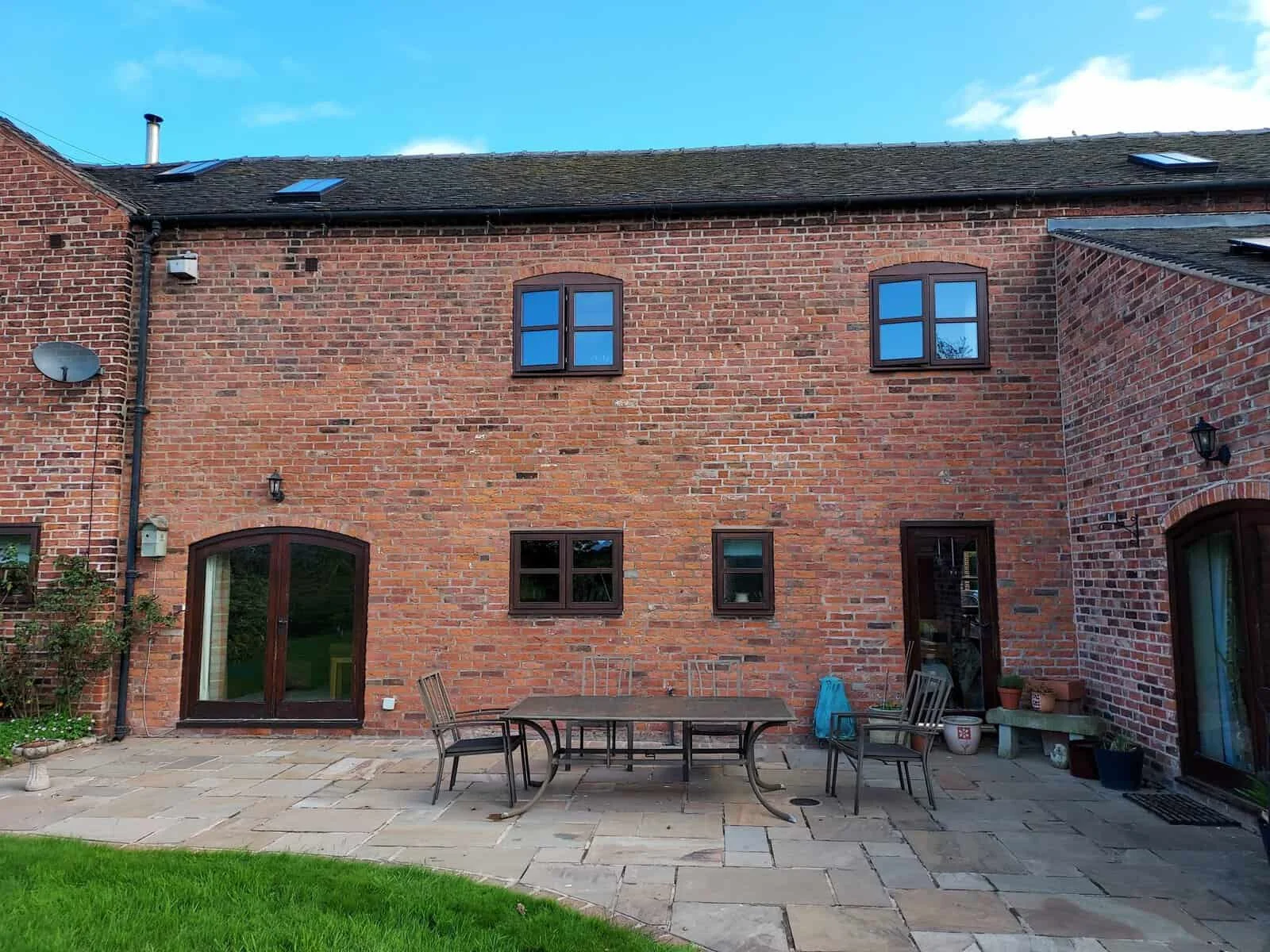
A joined-up repair route
Restoration is less about making a wall look new and more about making repair decisions that suit the construction, condition and character of the property.
Deterioration can be linked to weathering, water routes, unsuitable earlier repairs, coating history, movement or simple age. A useful restoration scope starts by separating those causes from the visible symptom.
Restoration is not a reason to replace good fabric. Where masonry remains sound, the attention can stay on the damaged bricks, failed joints, surface issue or detail that genuinely needs repair.
Replacement bricks, mortar, local colour adjustment and cleaning methods need to sit with the existing brickwork. Appearance matters, but so do material compatibility, exposure and the way the elevation manages moisture.
Brick repair, repointing, careful cleaning and local matching can overlap on the same elevation. Considering them together helps define a clear sequence instead of layering one cosmetic treatment over an unresolved defect.
See the frontage closely
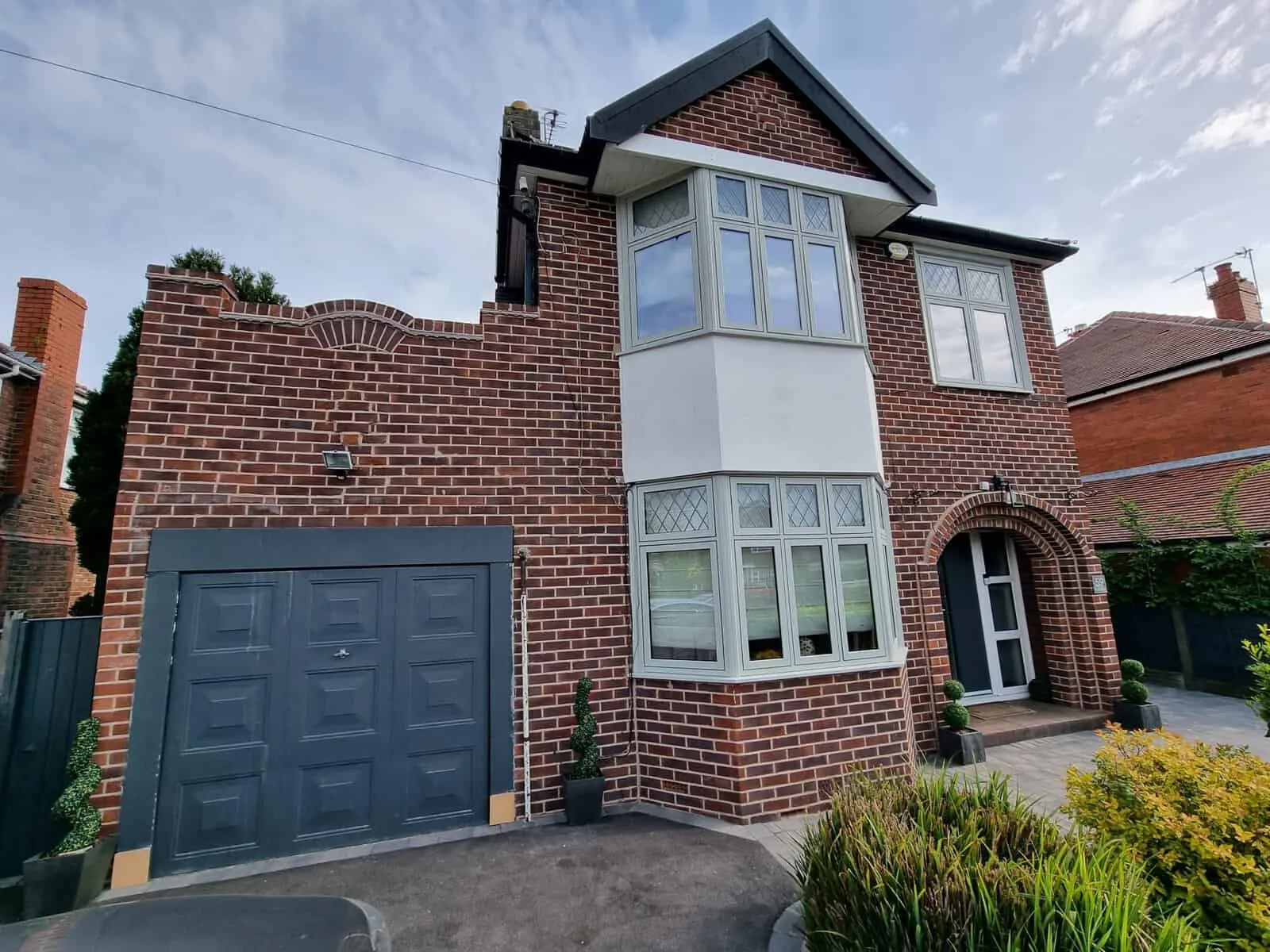
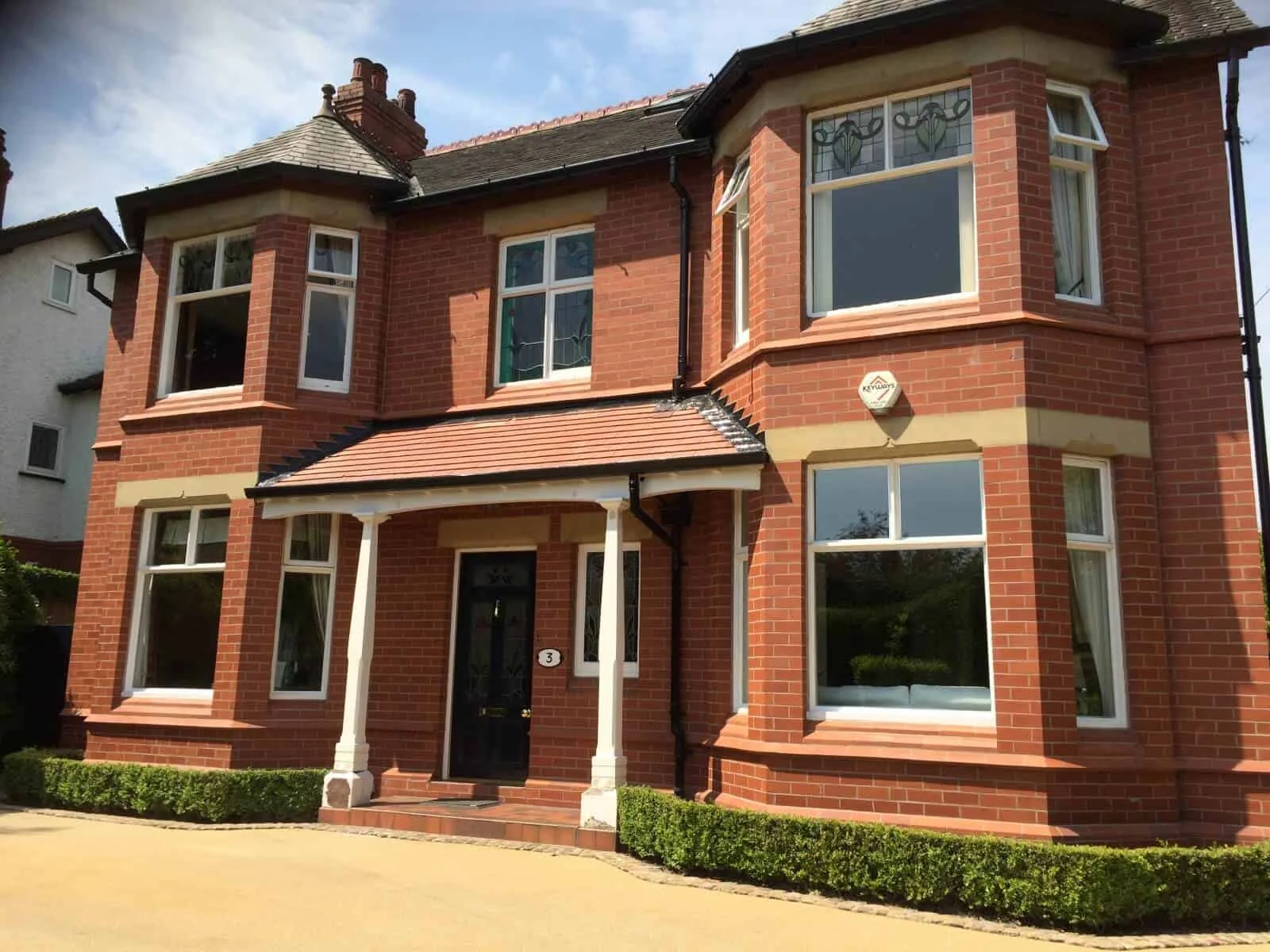
Drag the control to compare a matched project pair. It illustrates how several carefully considered masonry decisions can affect the finished appearance, but it is not a promise that every elevation needs the same combination of work.
A clear working sequence
A defined sequence keeps the condition, repair materials and final finish connected to the full elevation instead of treating them as separate cosmetic decisions.
We look at the brick faces, joints, openings, rainwater details, earlier alterations and access. The aim is to identify what can remain, what needs local attention and whether another specialist assessment is needed before masonry work is planned.
A restoration scope can bring together local brick repair or replacement, compatible mortar work, selected cleaning or coating investigation, and matching of repaired areas. The sequence is shaped around the actual wall rather than assumed as a standard package.
Once the agreed work is under way, repaired areas are finished to suit the surrounding masonry and protected as needed. The final review considers the visible repair alongside the wider elevation and any maintenance points already discussed.
Know when to look further
These details help distinguish a repair-led restoration conversation from a condition that needs another form of advice or investigation before work is planned.
Brickwork in its wider setting
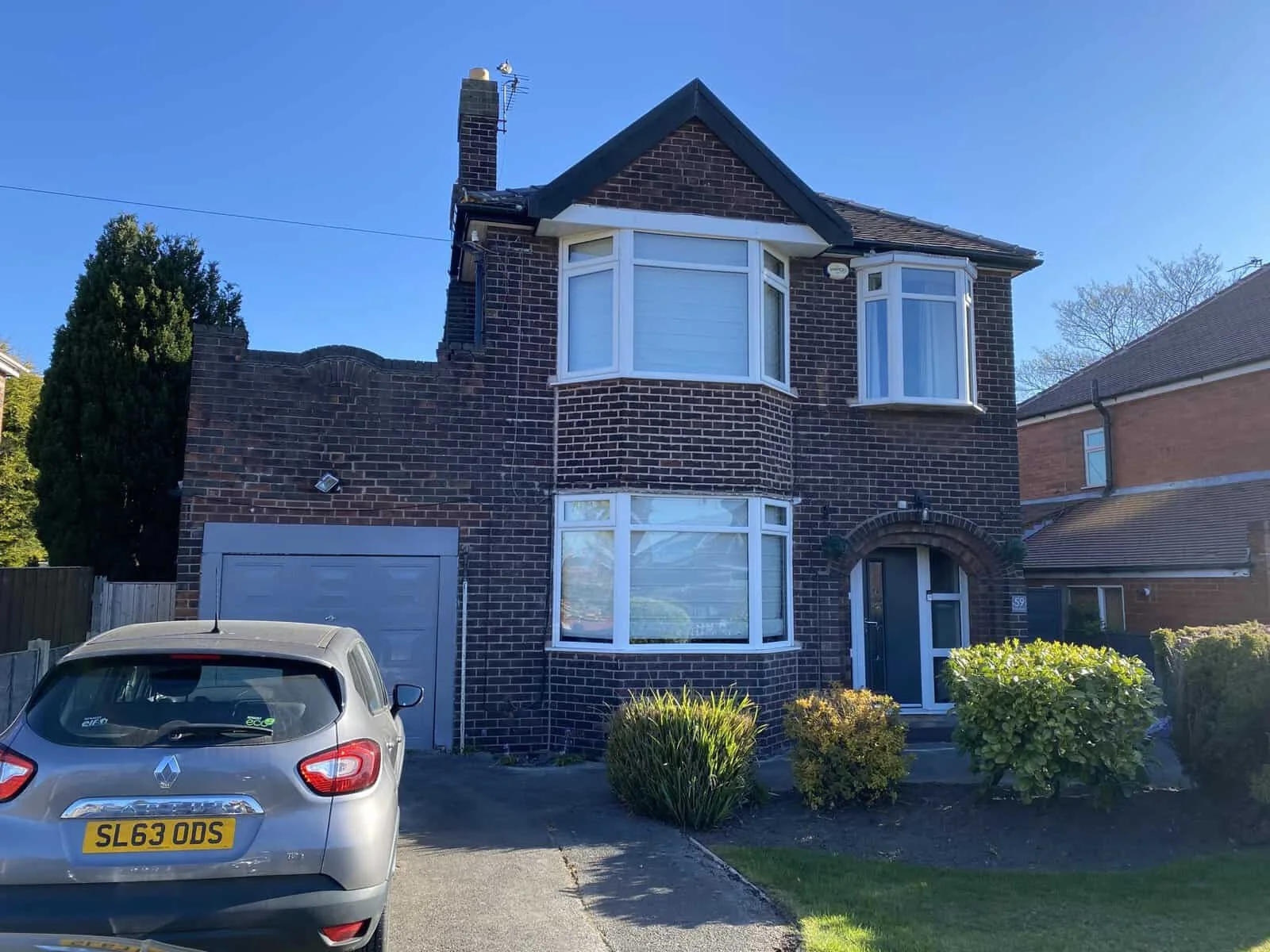
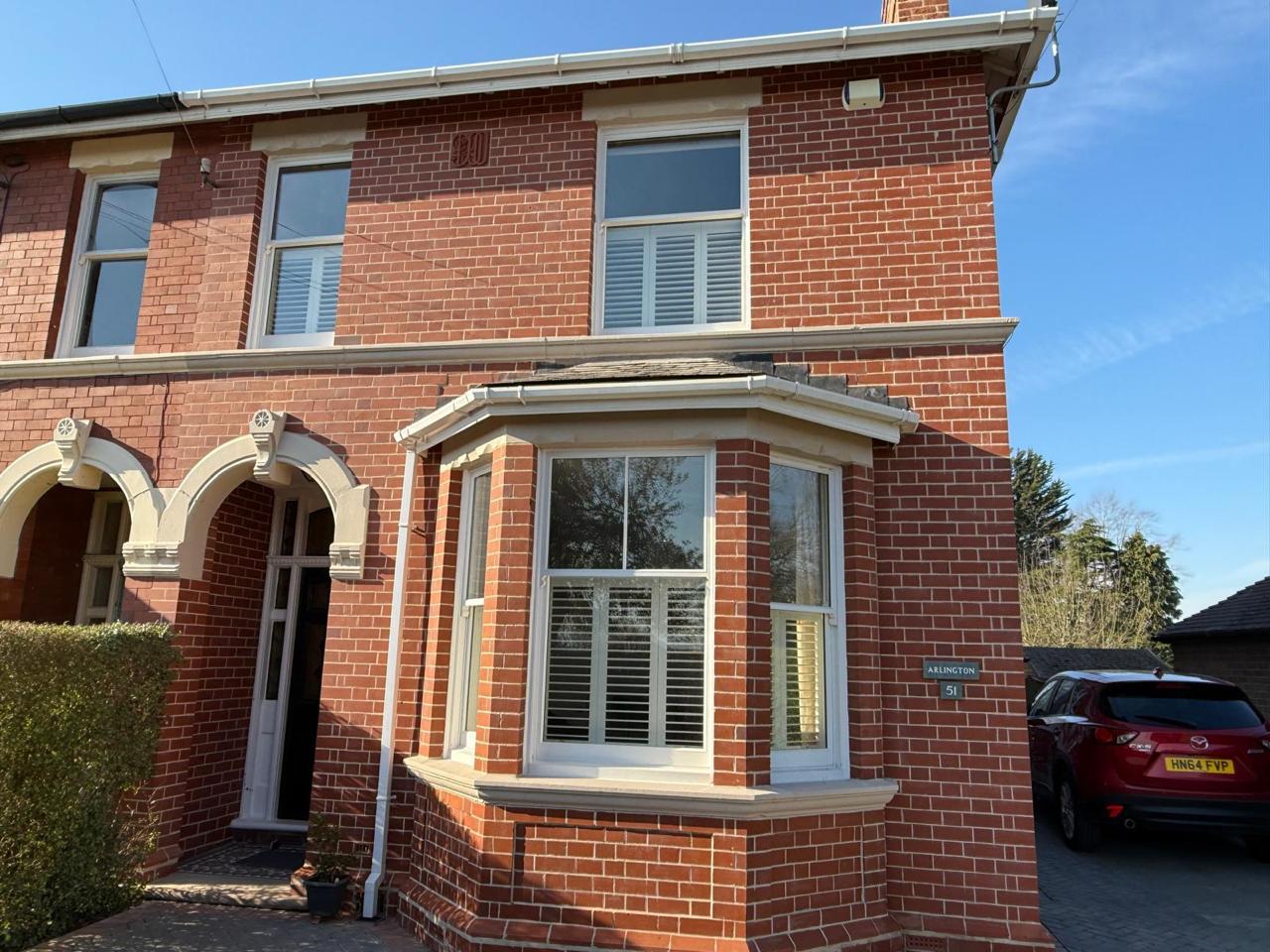
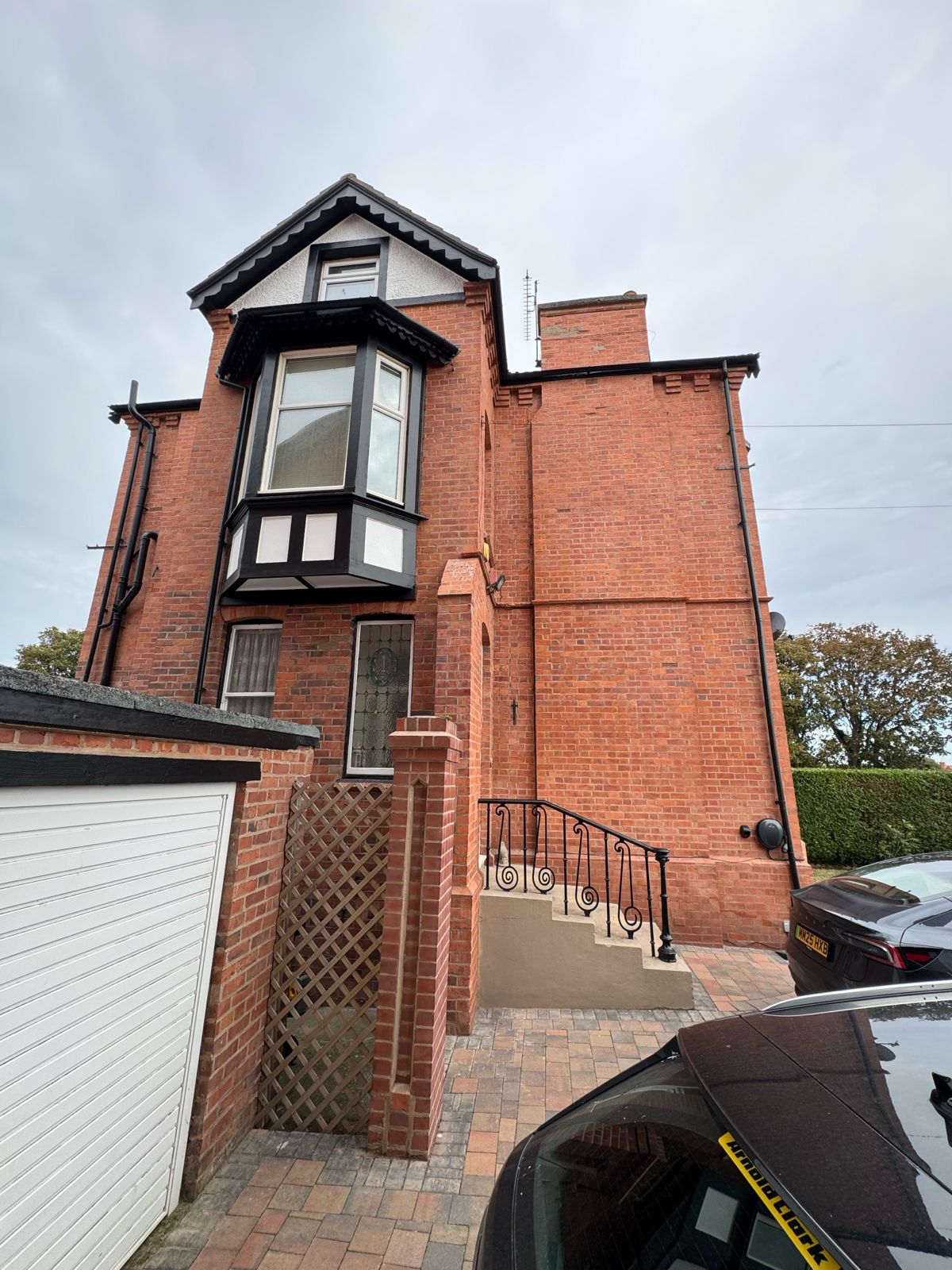
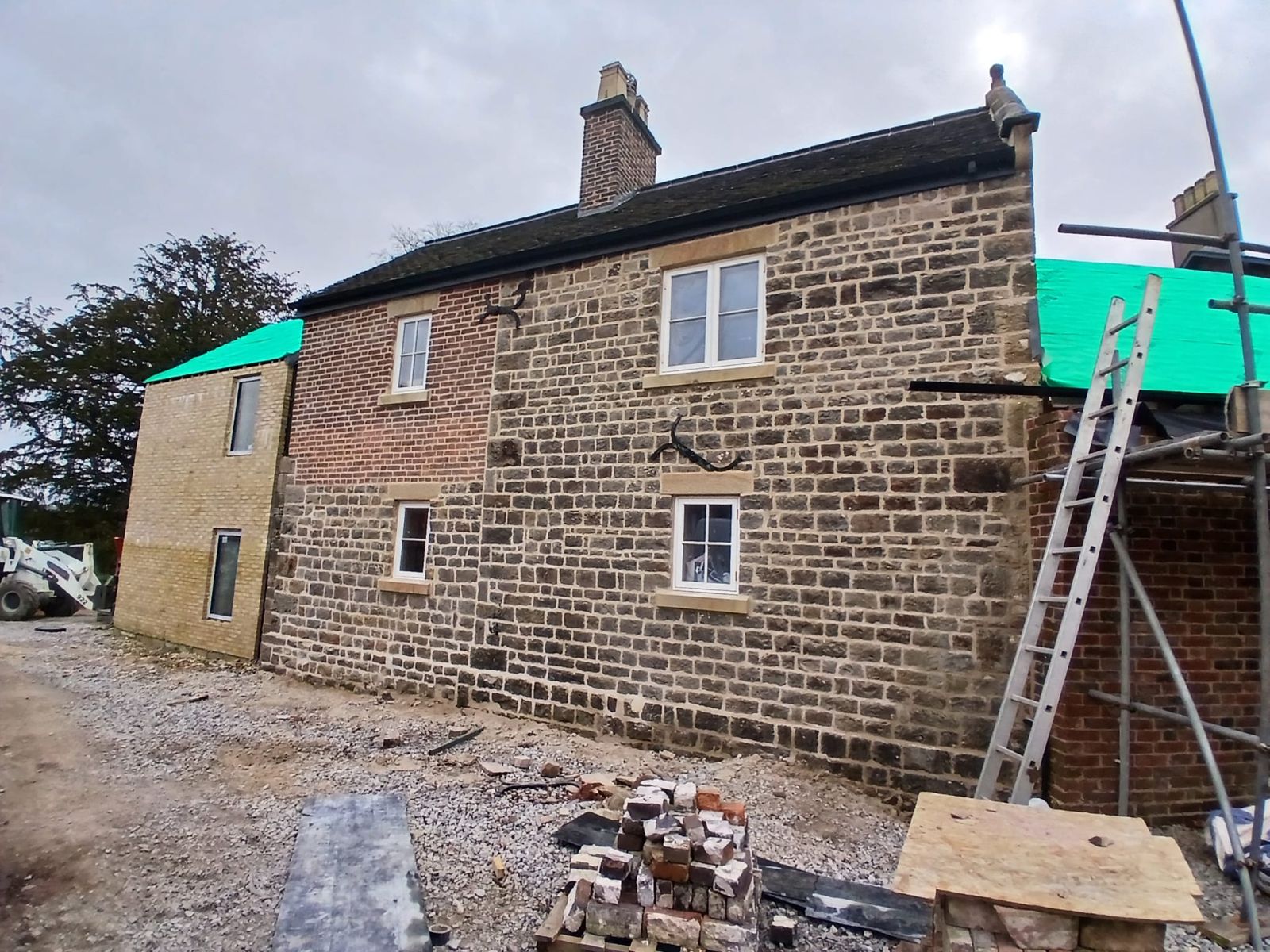
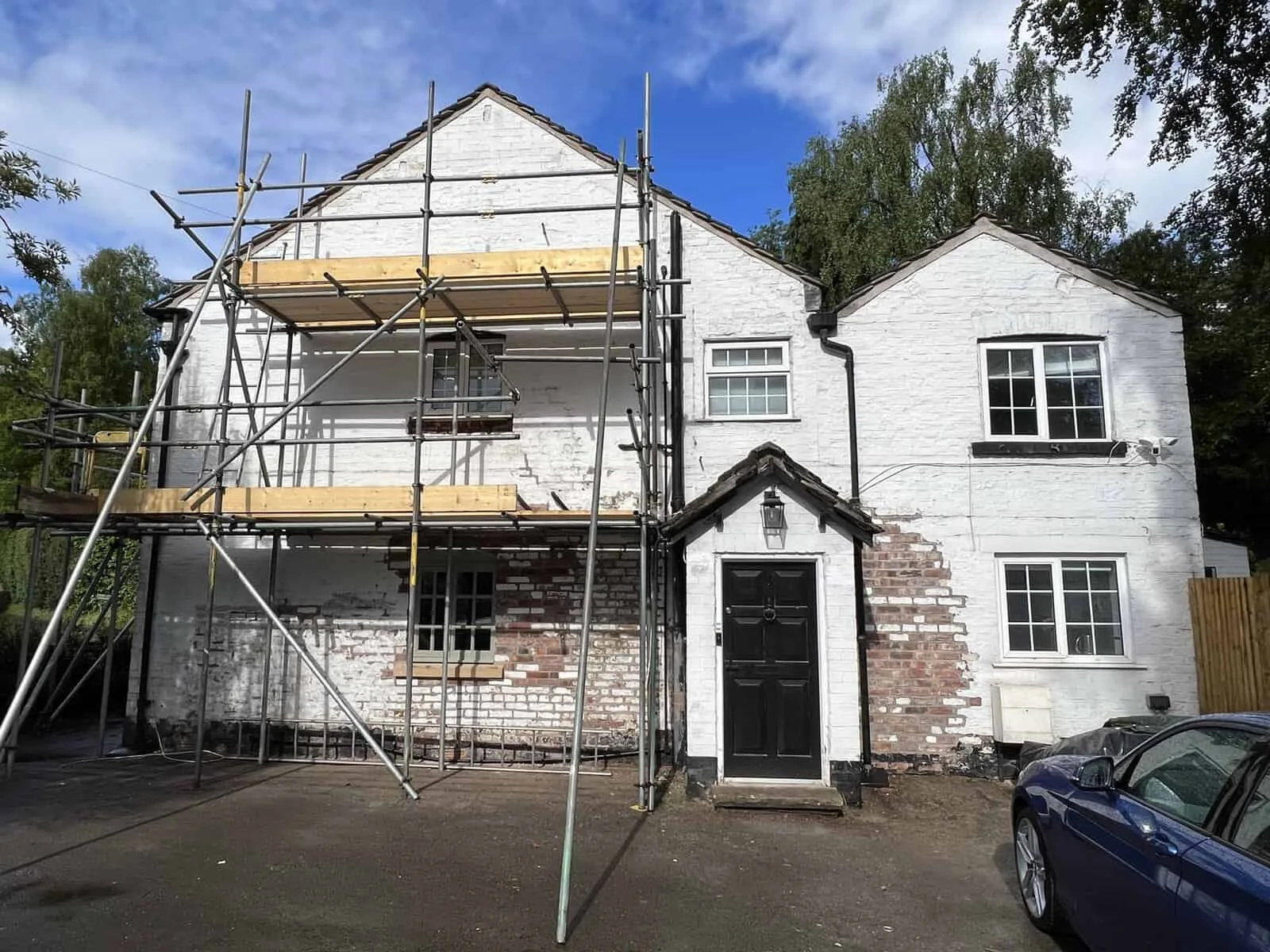
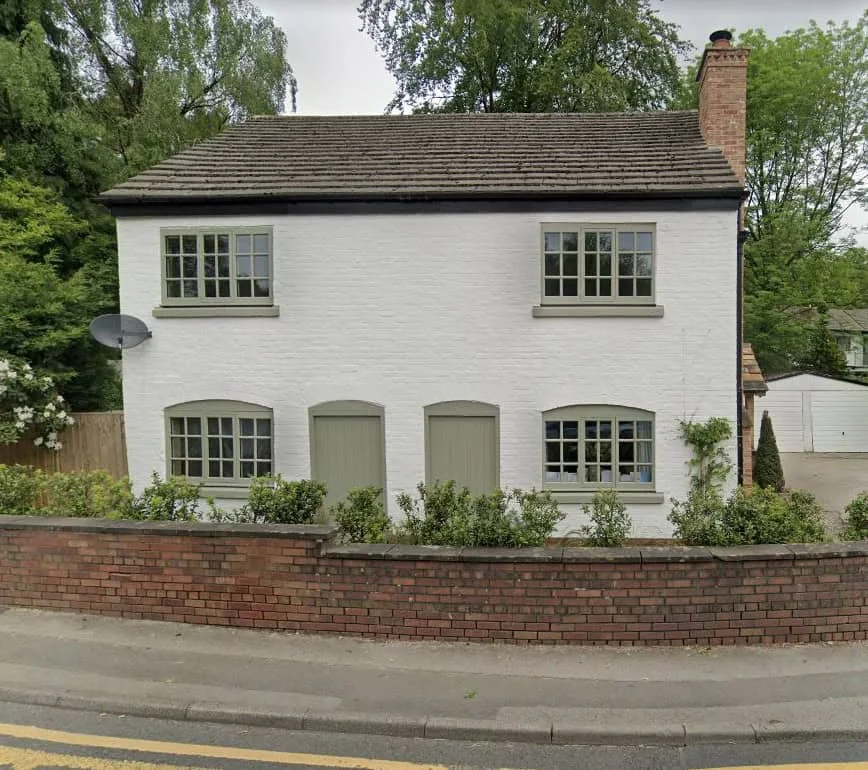
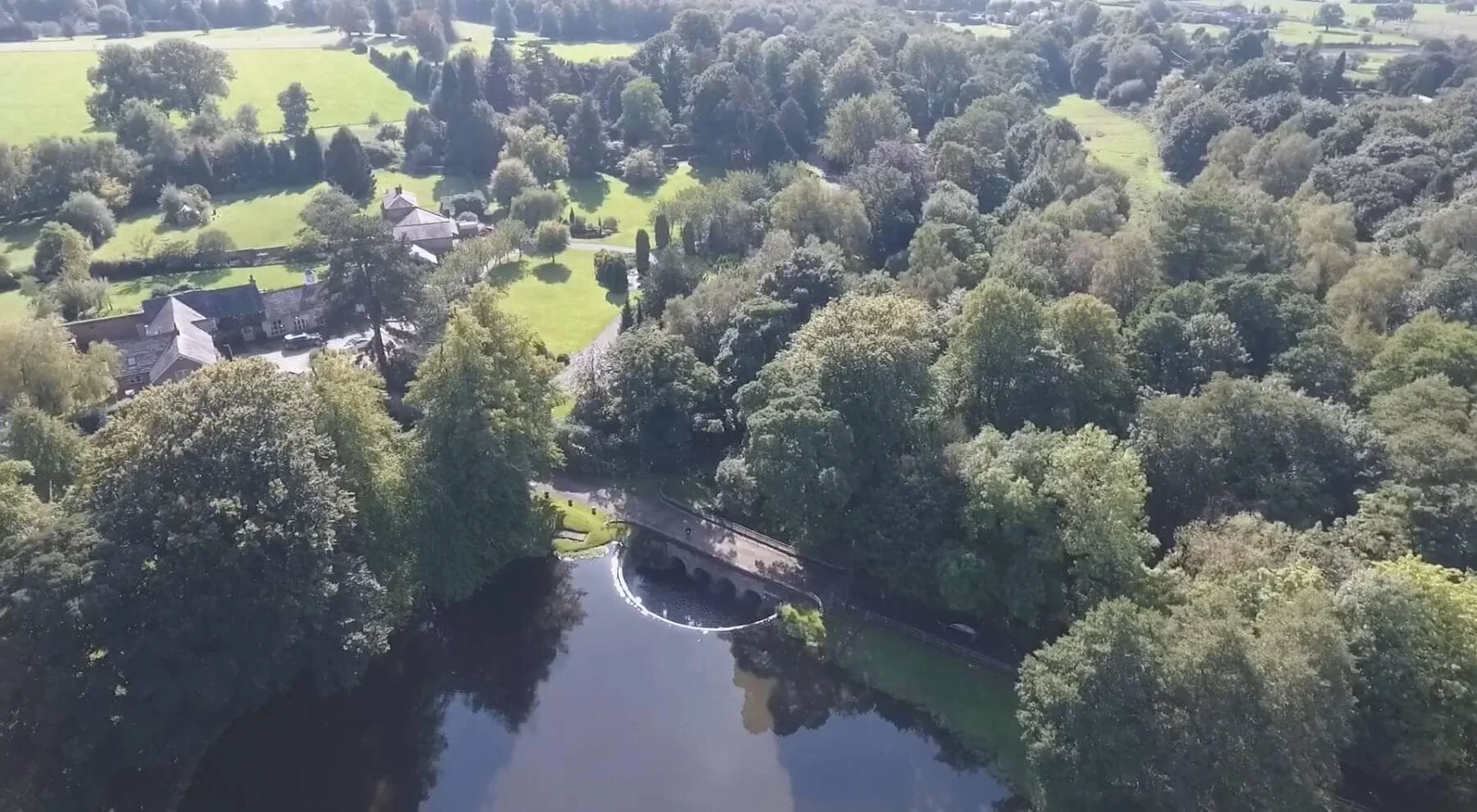
These project images illustrate different restoration contexts. They are not presented as a matched comparison; each property needs to be read on its own materials, condition and repair history.
Plan your enquiry
Wide and close views, together with a short account of any changes or previous work, help us understand whether a focused brick repair, a broader restoration scope or a different first step is the sensible route.
Our projects
Take a look at some of the work we have completed, from the repair work and materials used through to the finished result.
Helpful reading
Explore the relevant detailed guides below. They support, rather than replace, an assessment of the individual building.
For the wider picture, start with the homeowner’s repointing overview covering condition, materials, safe access and repair planning.
Brickwork care guide10 minute read
Heritage property guide10 minute read
Brick restoration FAQs
These answers set out the questions that help frame a restoration conversation. The materials, cause of deterioration and wider building details still need to be considered around the individual property.
Brick restoration is a broad term for work that brings damaged, altered or time-worn masonry back into a sounder and more coherent condition. Depending on the elevation, it can involve local brick repair or replacement, compatible pointing, selected cleaning, coating investigation and matching of repaired areas.
Not necessarily. The first question is whether a brick is genuinely unsound or whether its appearance is affected by staining, earlier repairs, a surface coating or weathering that can be addressed another way. Sound original fabric is not removed simply to make an elevation look newer.
A painted elevation needs an individual assessment. The type and condition of the coating, the brickwork below it, moisture routes and the desired finish all affect whether testing, removal, repair or another approach is suitable. The surface should not be treated as a generic cleaning job.
It can be considered where cleaning supports the agreed repair outcome, but the method should follow the brick, mortar and deposit involved. A trial area can be useful before a wider cleaning scope is discussed, particularly on older or visibly weathered masonry.
The existing brick dimensions, tone, texture, weathering, mortar colour and joint profile all help guide a repair. A physical match and a material-compatible repair are both important; a replacement that looks close but performs differently can still be the wrong choice.
Not automatically. Some traditional brickwork may be well suited to a lime-based mortar, but the decision should follow the existing masonry, remaining mortar, brick condition and exposure. A compatible material is chosen around the particular wall, not simply its age.
Masonry repairs can be an important part of managing rain exposure, but damp can also relate to gutters, drains, flashings, ground levels, ventilation, plumbing or other building details. The cause needs to be understood rather than covered by a cosmetic repair.
Please include a broad view of the property and closer photographs of the areas that concern you. Notes about paint or render, loose bricks, previous repair work, recurring moisture, listed-building context, height and access will make the initial conversation more useful.
Call 01625 920 888, or for the fastest way to get a quotation, click Get a quotation and fill in your details.