Read the wall first
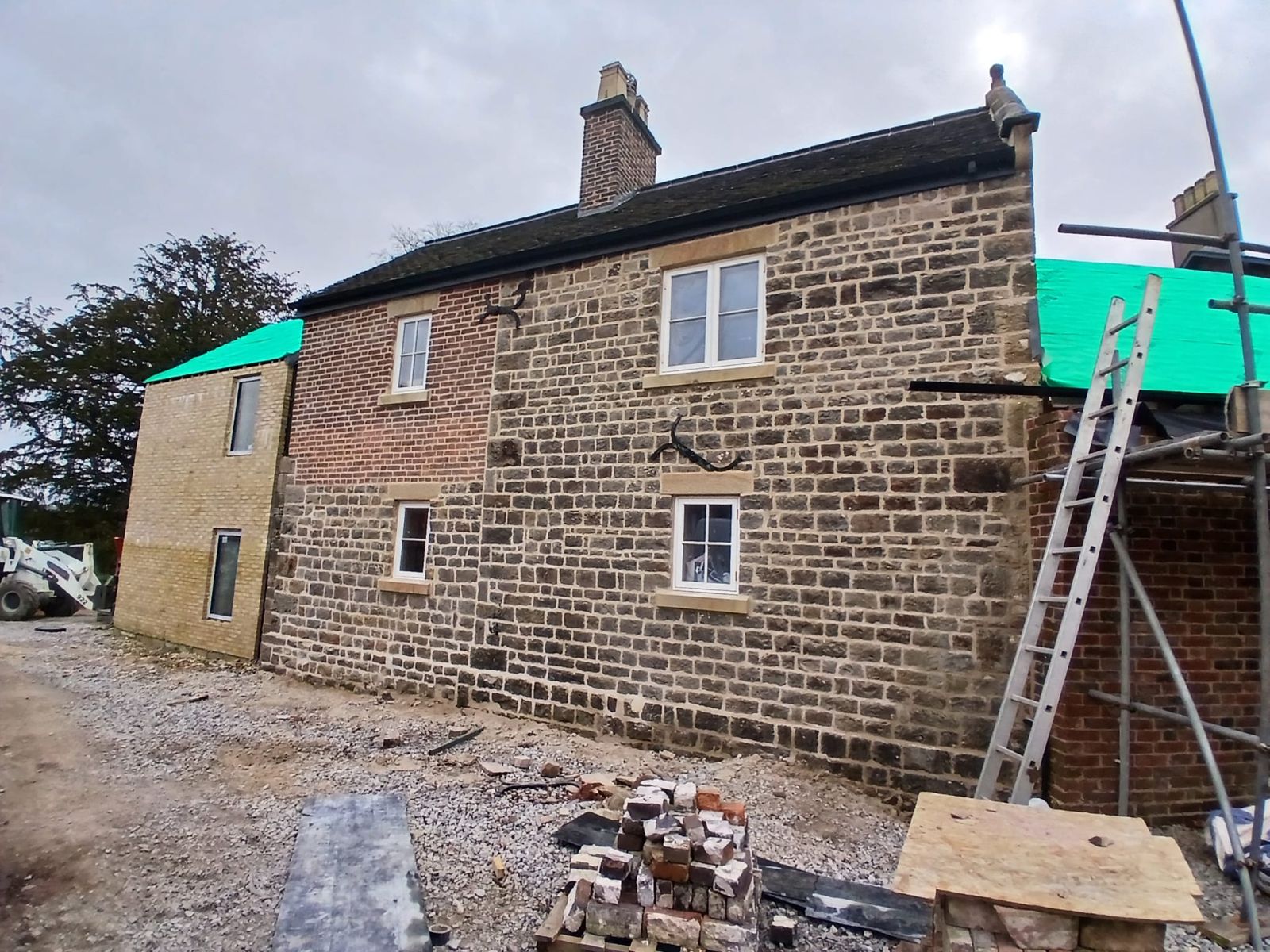
Stone type, joint depth, repairs and exposure all affect whether the work should be localised or carried across a wider elevation.
Staffordshire Pointing is part of the Cheshire Pointing Group Limited, (established 2003).
Stone pointing
Stonework needs mortar that suits its age, texture and construction. We assess weathered joints, earlier repairs and wall exposure before discussing a stone-pointing route.
A clear starting point
Stone wall repointing renews or repairs the mortar joints between stone units. Staffordshire Pointing assesses the stone type, existing mortar, joint condition and wall exposure before discussing preparation, compatible mortar and finish. A lime-based mortar may suit traditional stonework, but selection depends on the property. The scope may be local repair or a wider elevation; damp needs its cause understood rather than assuming pointing alone will solve it.
A considered service
Stone pointing is more than filling visible gaps. The condition of the stone, the depth and shape of the existing joints, and the compatibility of any earlier mortar all influence the preparation and material selected for the repair.
For suitable traditional stonework, a compatible lime mortar may be considered to keep the repair sympathetic to the construction. The final joint should support the wall without covering up the texture and character of the stone.
Discuss your property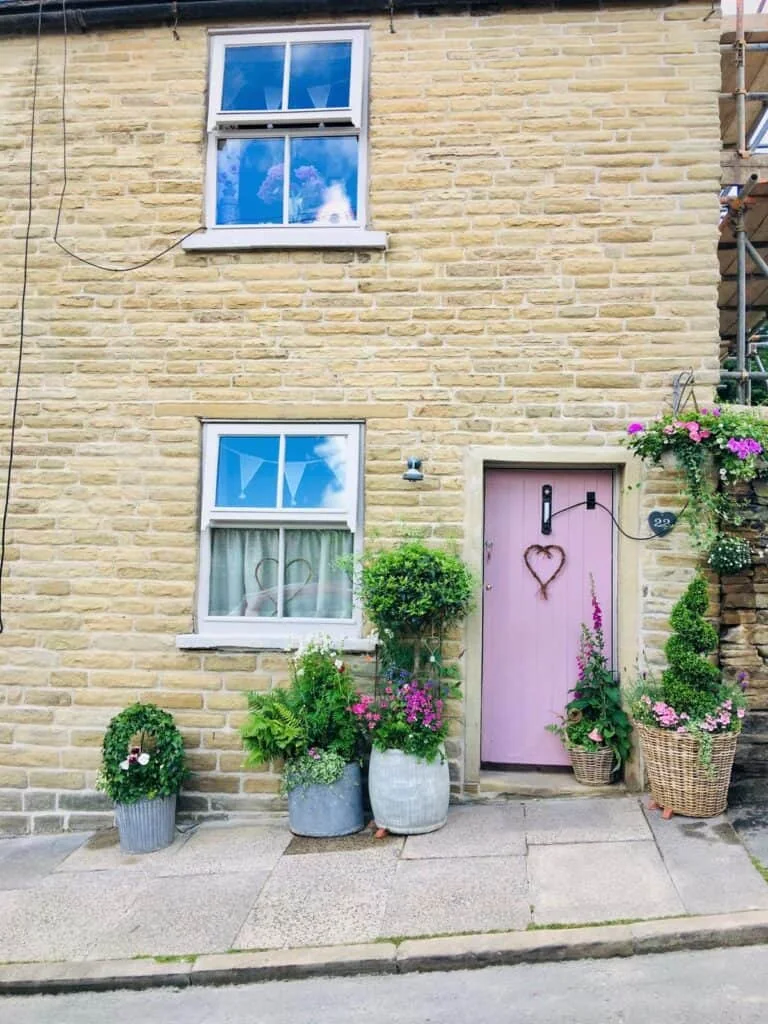
Stonework in context
Weathered joints can be a visible sign that a stone wall needs attention, but the material around them matters just as much. Stone type, earlier mortar, wall exposure and nearby openings all help determine whether local repair or a wider pointing scope is appropriate.
A clear assessment avoids treating every gap in the same way. It lets us discuss the prepared joint depth, compatible mortar and finish in a way that protects the wall while retaining the irregular texture that makes traditional stonework distinctive.
Discuss stone pointing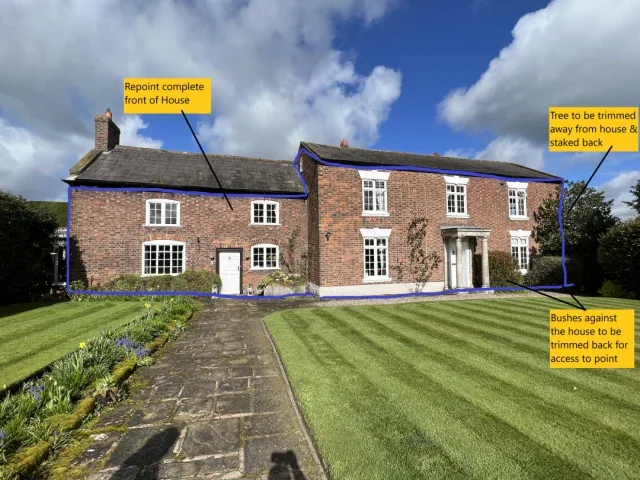
A material-led approach
Good stone pointing supports the wall first. The work should respect the material, the wall’s construction and the way water moves across an exposed elevation.
Stone type, joint depth, repairs and exposure all affect whether the work should be localised or carried across a wider elevation.
The mortar needs to suit the stone and its moisture behaviour, rather than simply appearing hard, smooth or freshly filled on the surface.
Preparation is controlled around softer arrises and uneven joints so the repair supports the masonry without stripping away its original character.
A joint should sit naturally with the stone texture and wall profile while helping the elevation continue to shed water in the right way.
Mortar and finish
Traditional stone walls often need a mortar that is selected around the masonry rather than a hard, uniform joint that competes with it. The existing stone, joint profile and any earlier repairs all shape the discussion.
Where a lime-based mortar is appropriate, it can be chosen and finished to support the wall’s character and help the masonry continue to manage moisture as intended. The final detail is always considered against the actual property.
Arrange a stonework assessmentMake your enquiry useful
Wide and close photographs make it easier to understand whether the concern is isolated pointing, weathered stone edges, a boundary wall, an opening detail or a broader elevation. They help make the first conversation clearer before a site visit is arranged.
Masonry in context
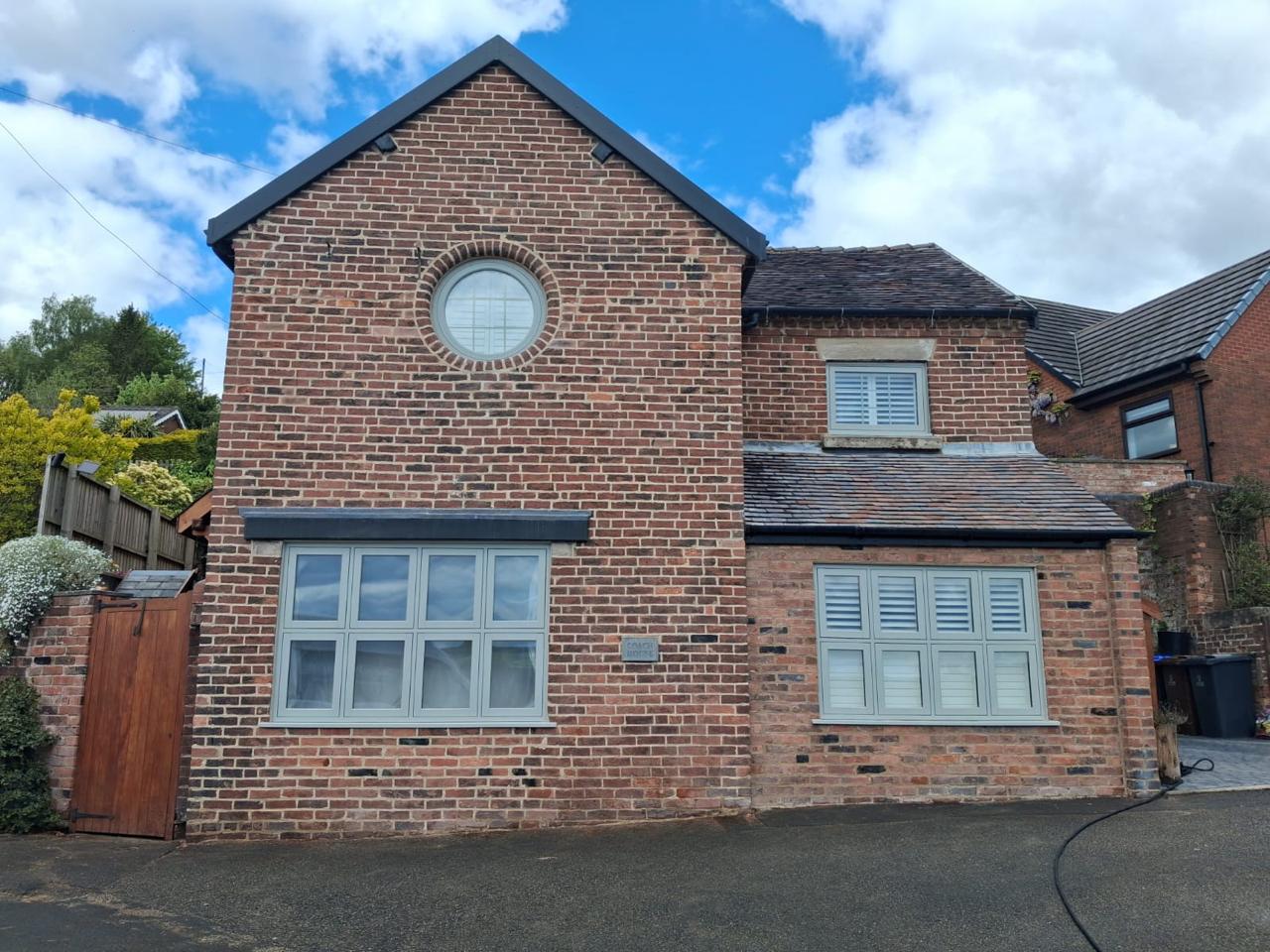
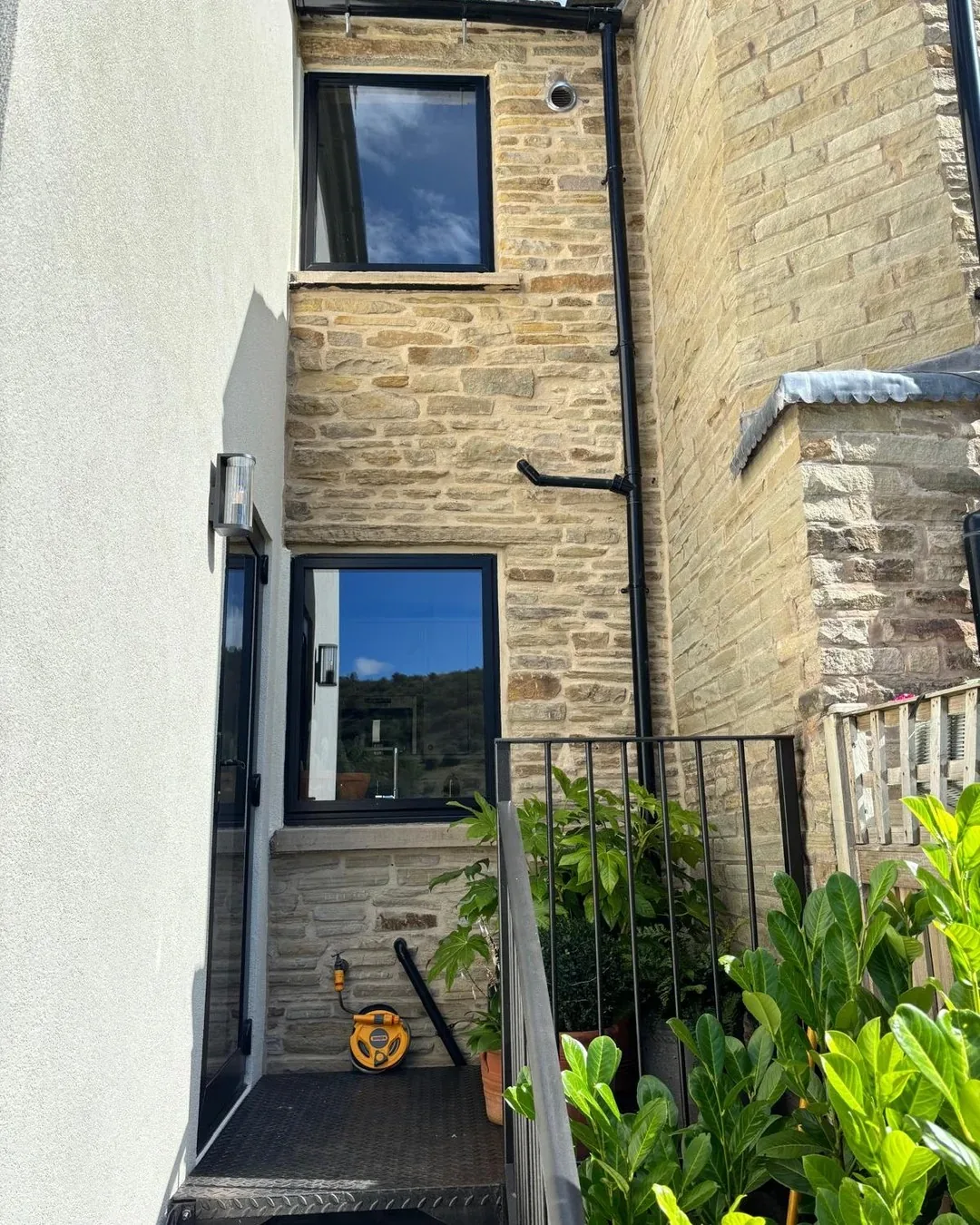
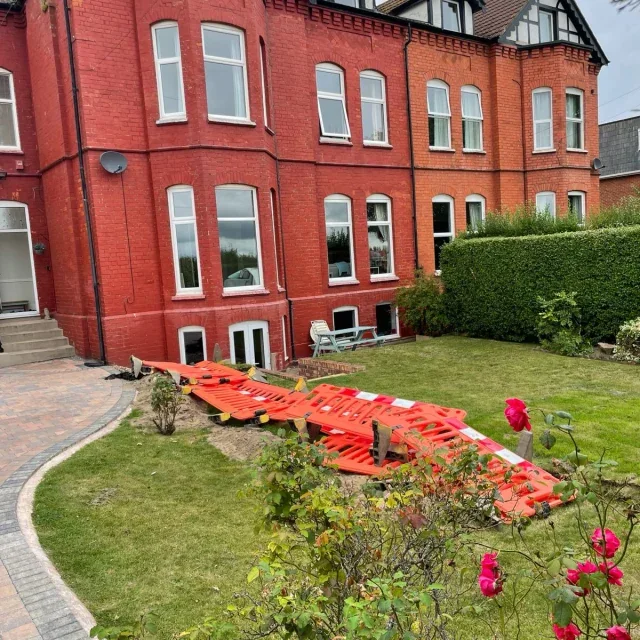
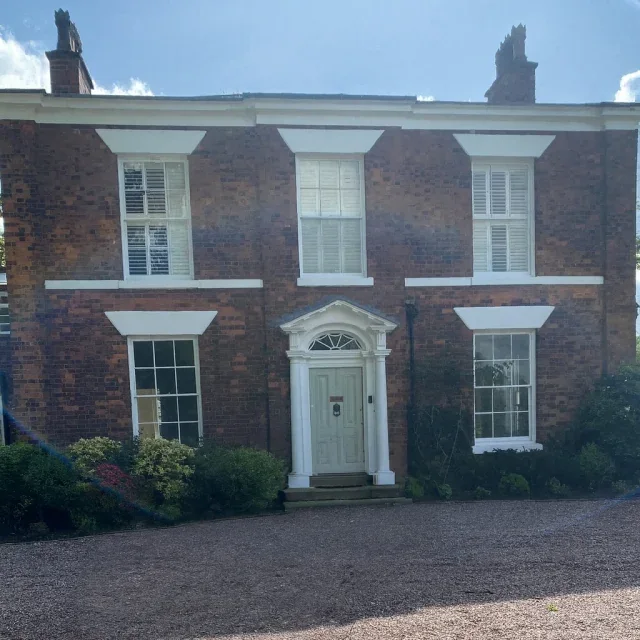
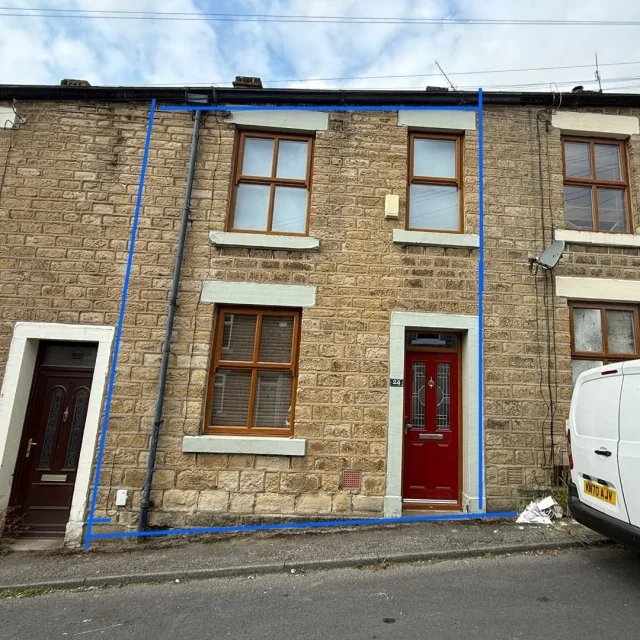
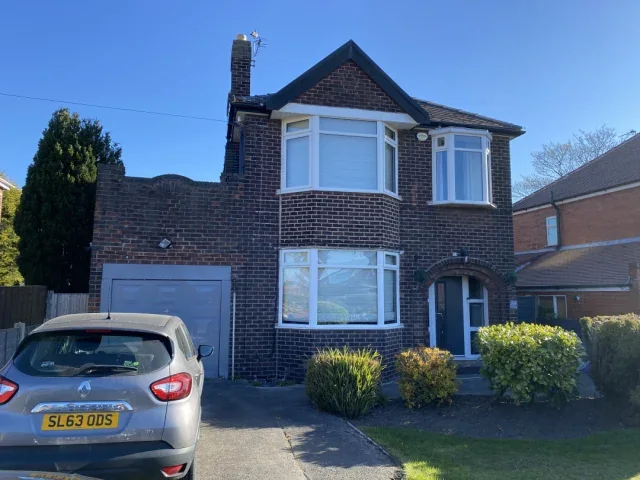
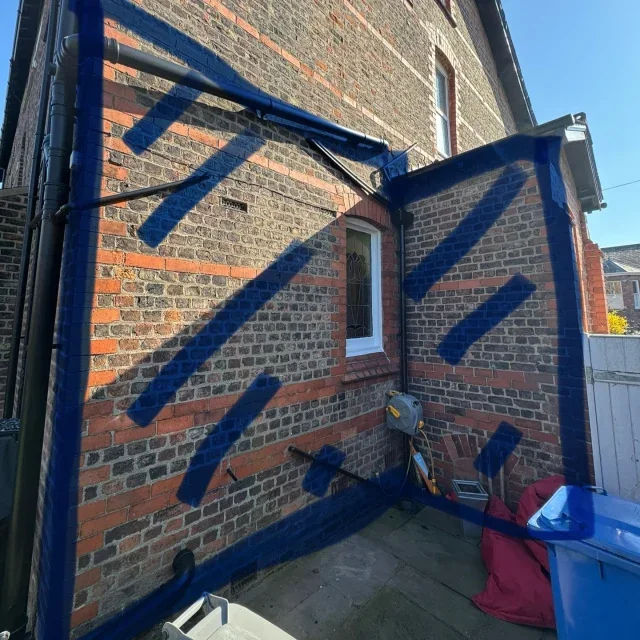
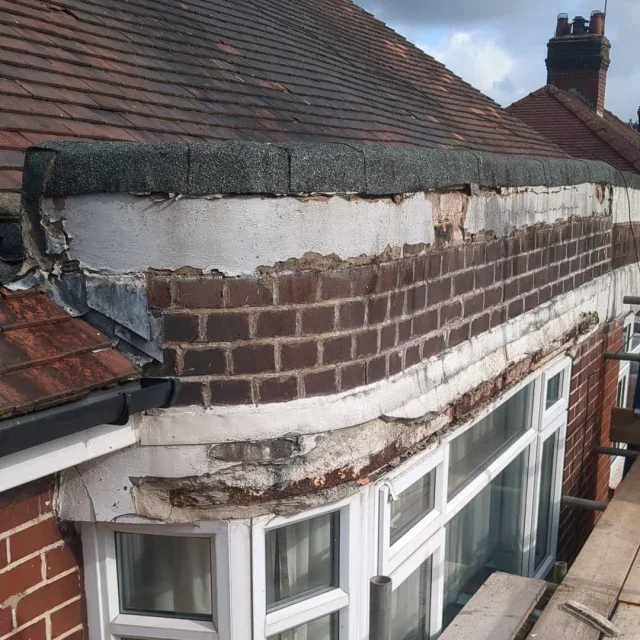
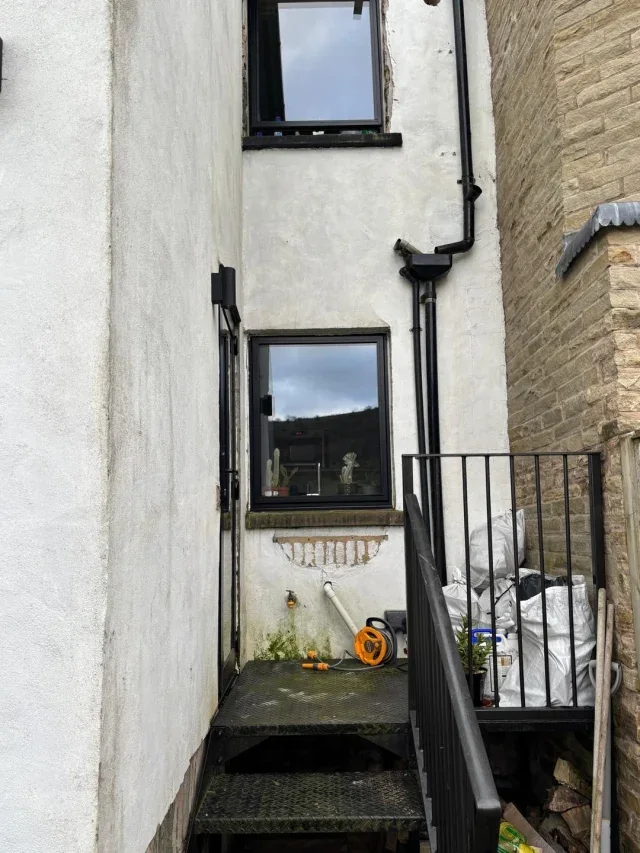
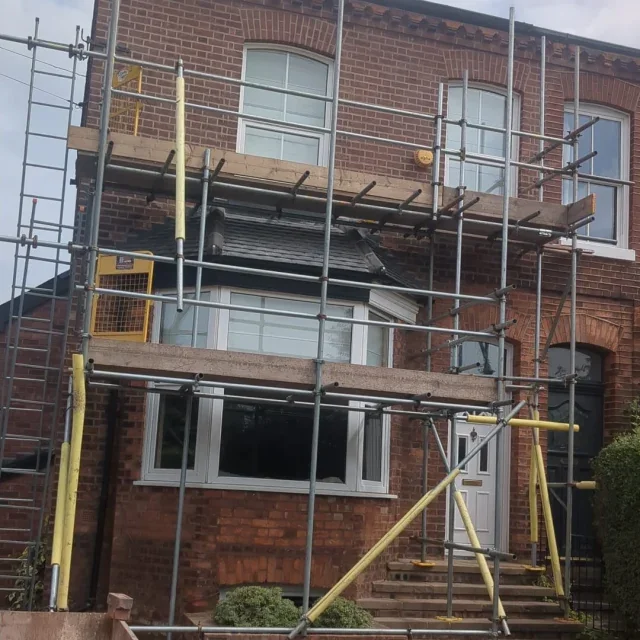
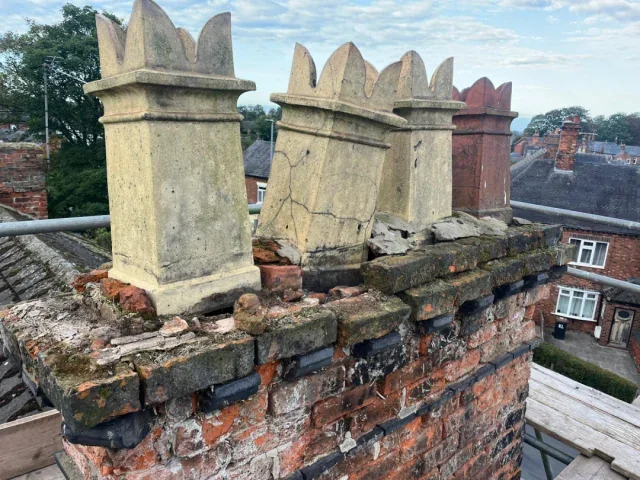
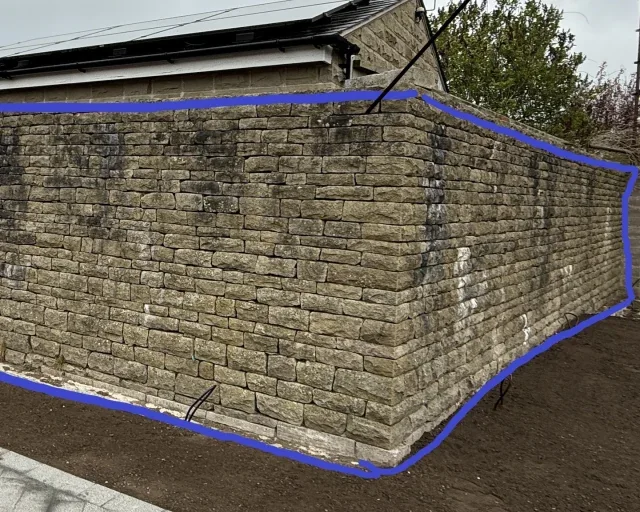
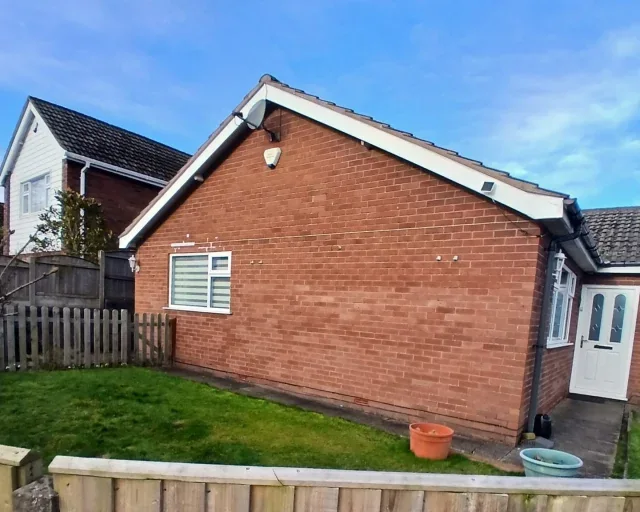
Every image in the gallery helps illustrate why stonework is assessed as a complete assembly: joints, openings, rooflines, exposure, previous repairs and the wider setting are all part of the conversation.
Our projects
Take a look at some of the work we have completed, from the repair work and materials used through to the finished result.
Helpful reading
Explore the relevant detailed guides below. They support, rather than replace, an assessment of the individual building.
For the wider picture, start with the homeowner’s repointing overview covering condition, materials, safe access and repair planning.
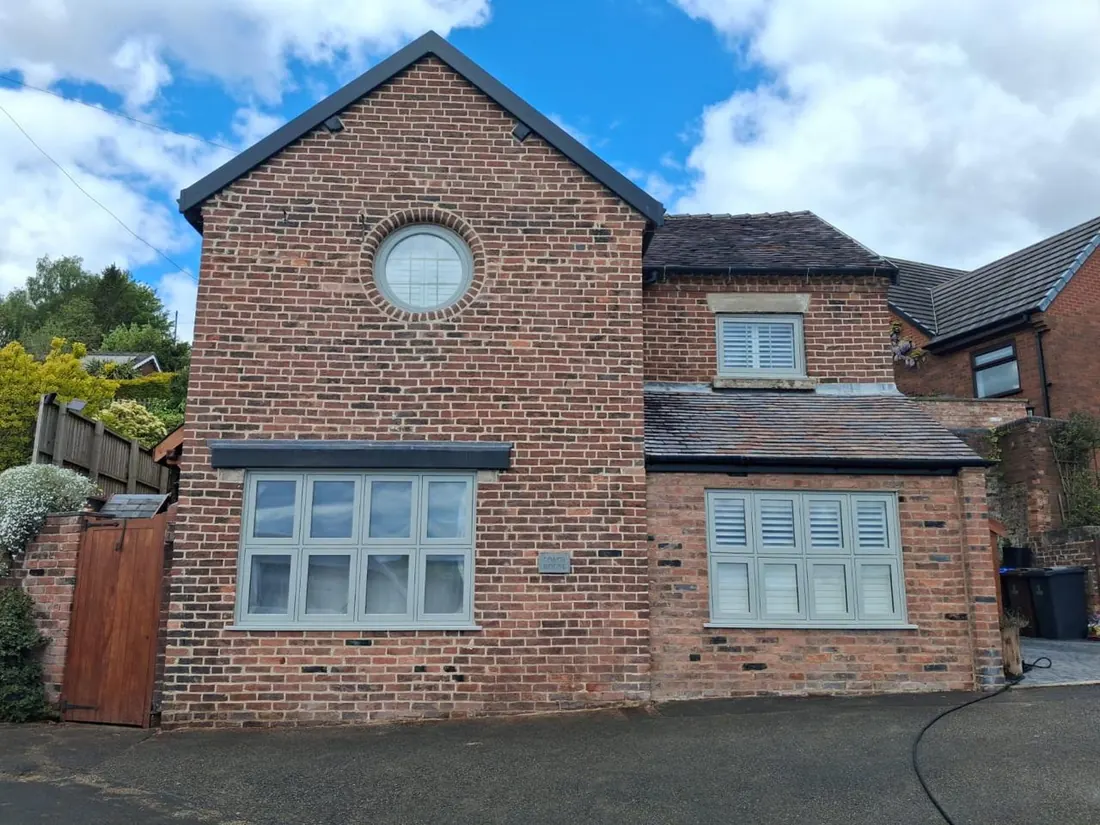
Older brickwork guide9 minute read
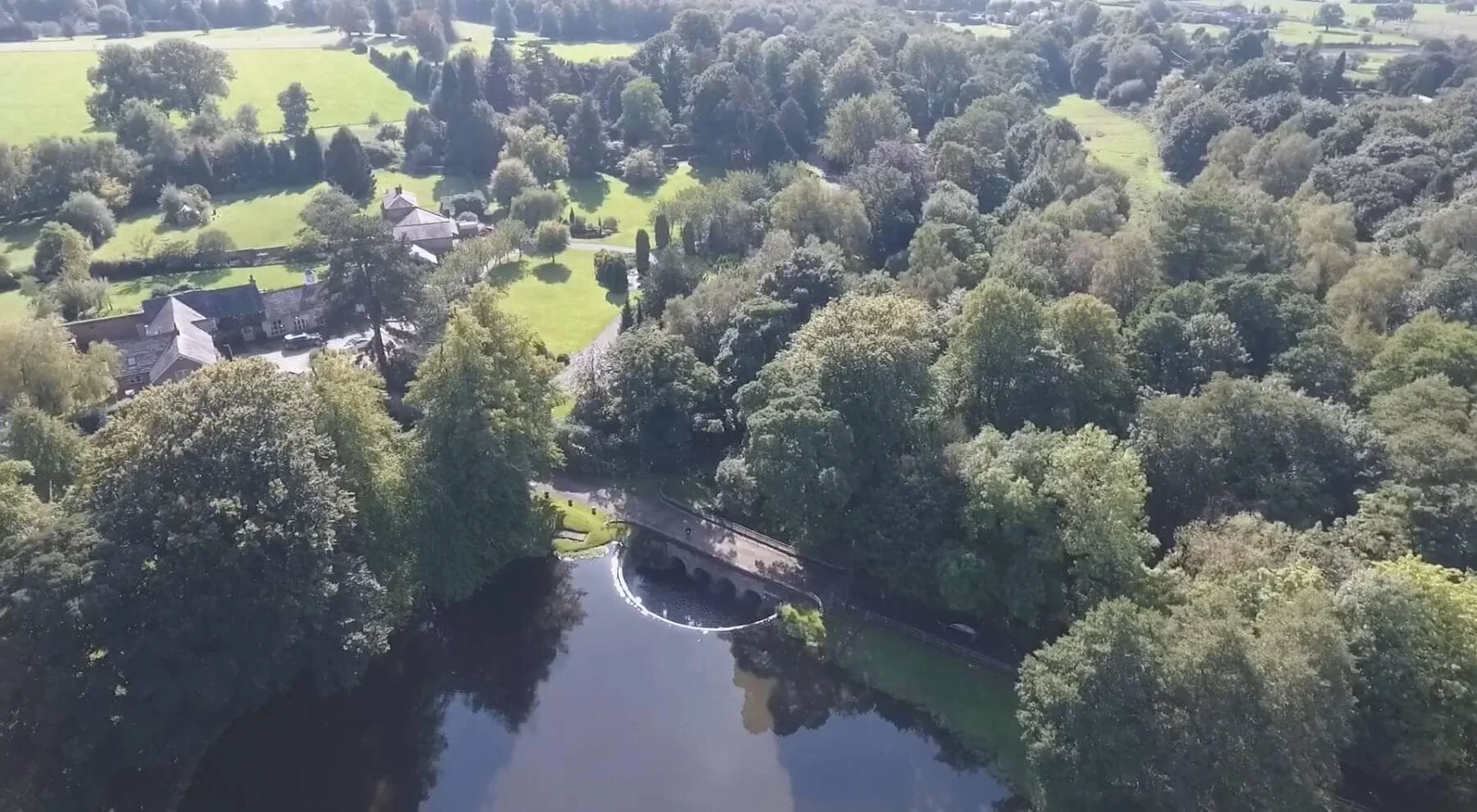
Heritage property guide10 minute read
FAQs
Every property has its own material, condition and access considerations. These answers explain the points we would normally discuss before a scope is agreed.
Stone pointing is the careful renewal or repair of the mortar joints between stone units. It is not simply filling gaps: the stone type, joint profile, old mortar and exposure all guide the preparation and finish.
Lime mortar can be suitable for many traditional stone walls because it can be more accommodating and vapour-permeable than a hard cement-rich mix. The existing masonry and mortar condition need to be assessed before a material is chosen.
Removal can be considered where it is incompatible or failing, but it needs to be controlled so the stone edges are not damaged. The right scope depends on how hard the mortar is, how it sits in the joints and the condition of the masonry.
The final finish is guided by the stone texture, original joint depth, local style and the rest of the elevation. The aim is a repair that supports the wall and looks settled rather than an overworked or overly smooth line.
Not always. A closer look helps distinguish isolated local failures from a wider issue. The sensible scope may be a local repair, one priority elevation or more extensive work depending on condition and exposure.
Failed joints can be one possible water route, but damp can also relate to rainwater goods, roof details, ground levels, coatings, ventilation or wall construction. The cause should be understood before a pointing repair is presented as the answer.
Include a wide image of the whole wall and close views of the affected joints, stone edges and any moisture marks. Access, height, previous repairs and nearby gutters or openings are also useful to show.
We can discuss sympathetic masonry care for suitable period and heritage properties. Tell us about any listed-building status, original materials and the specific area you are concerned about so the right next step can be considered.
Call 01625 920 888, or for the fastest way to get a quotation, click Get a quotation and fill in your details.