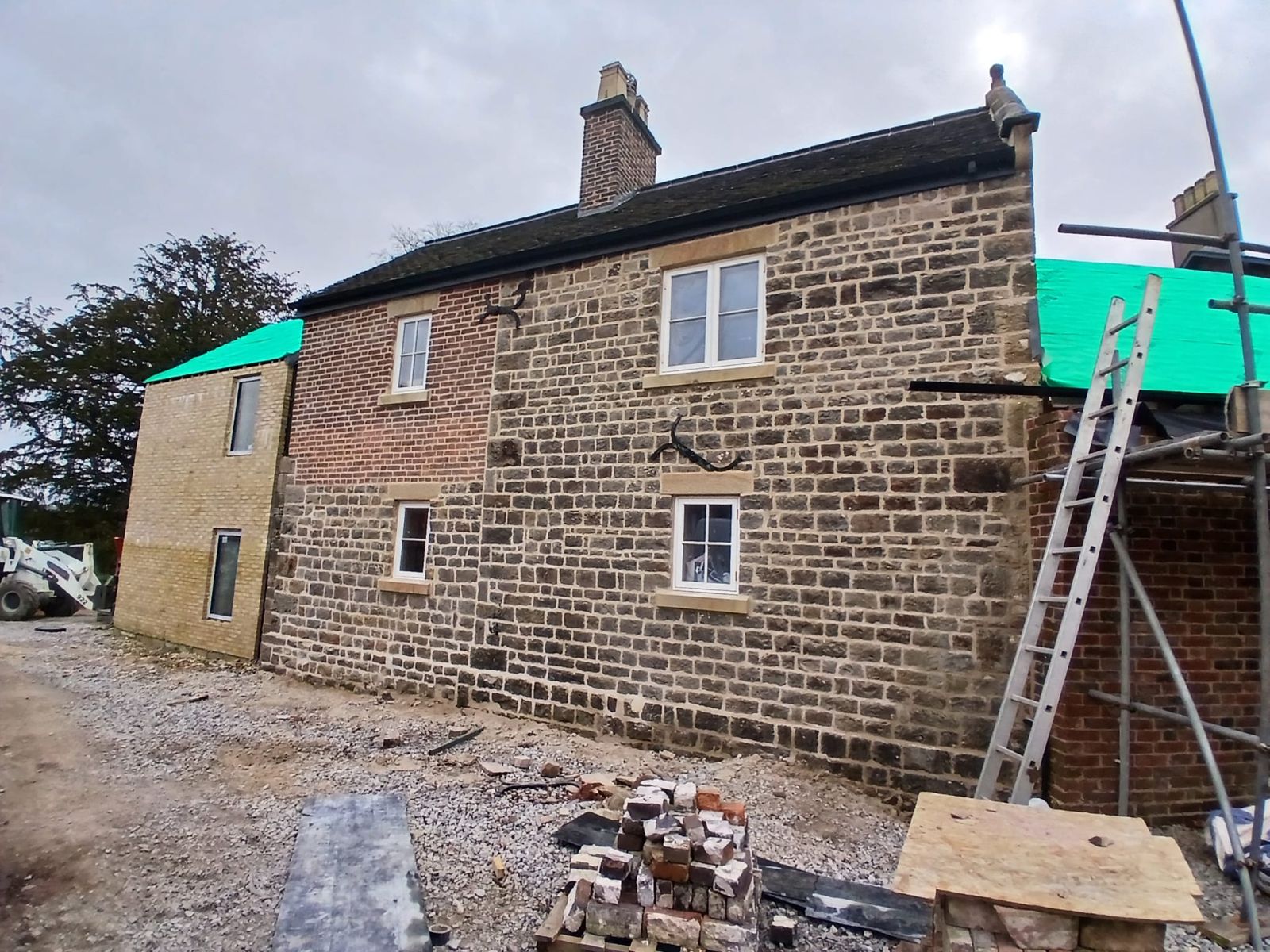
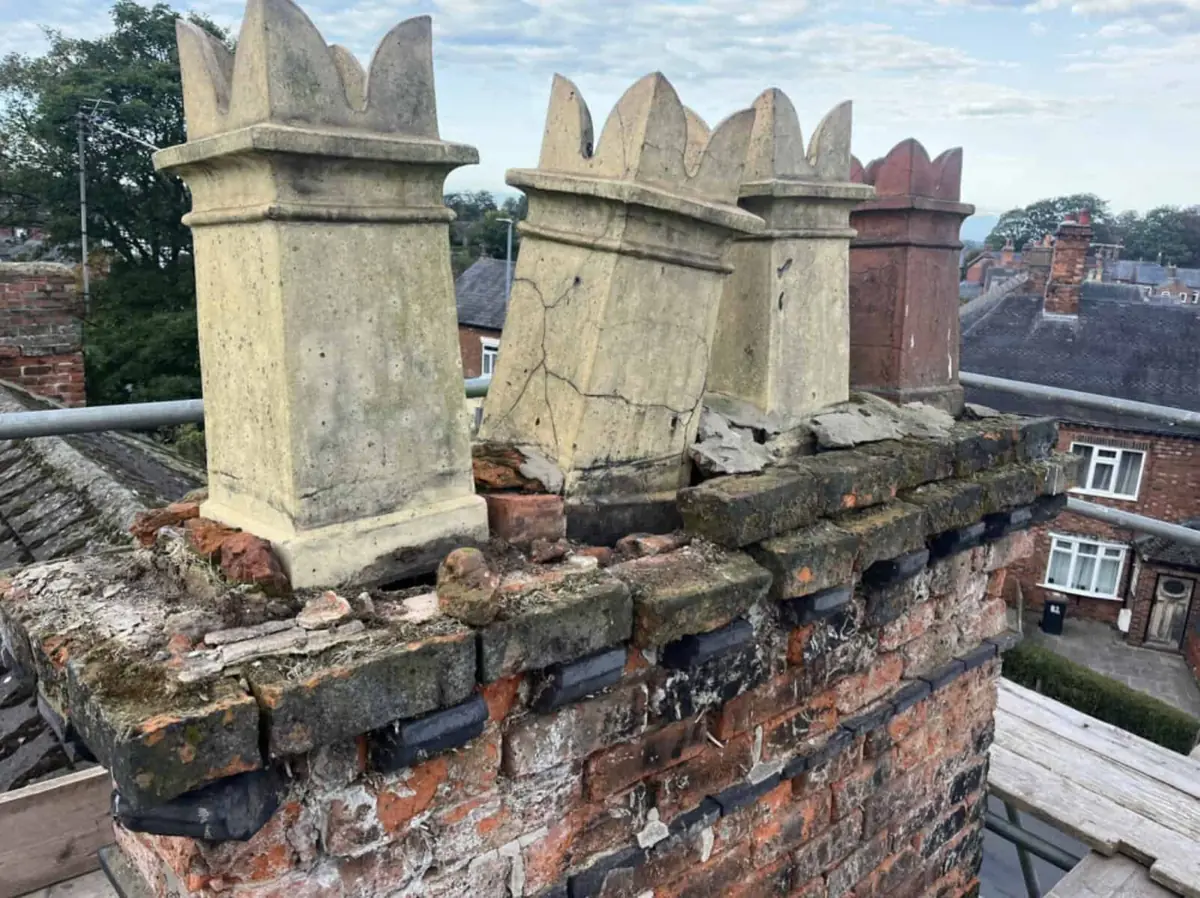
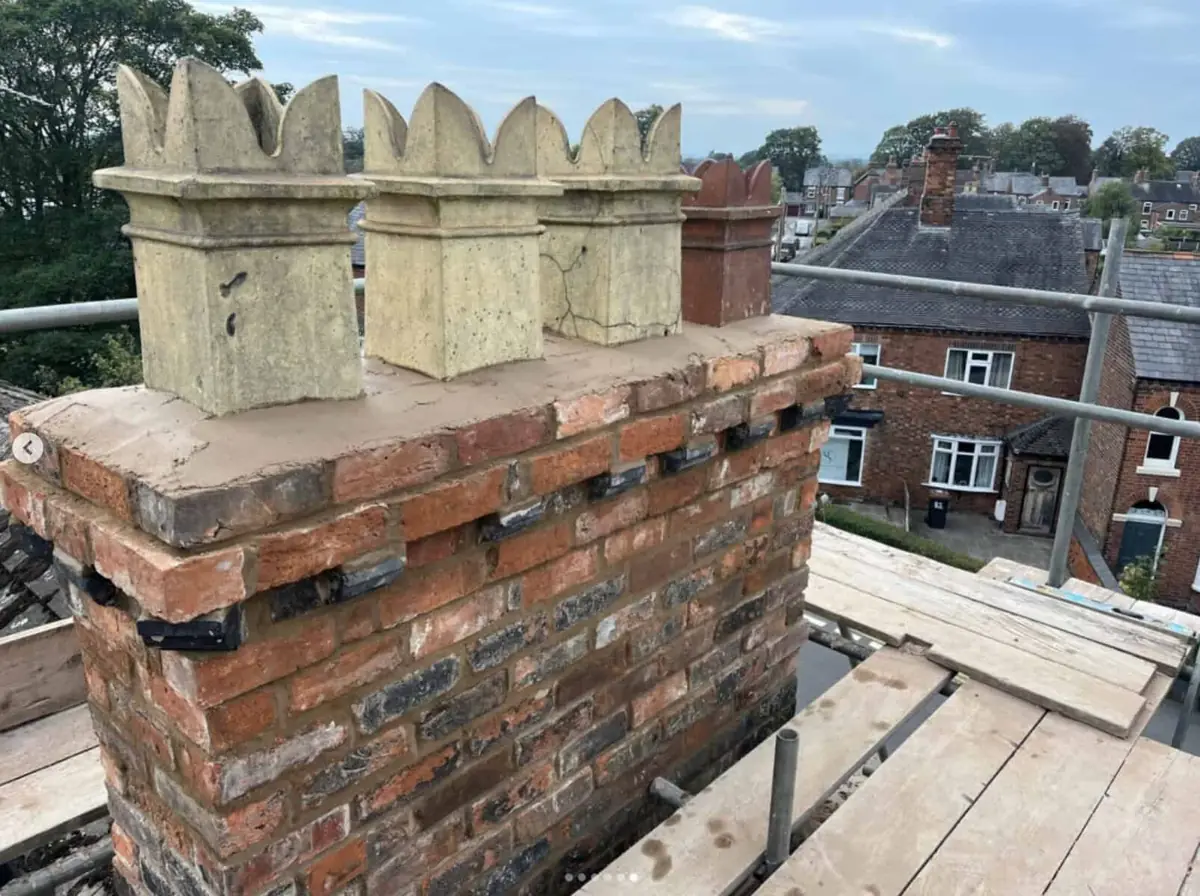
How do I know if a chimney needs repointing?+
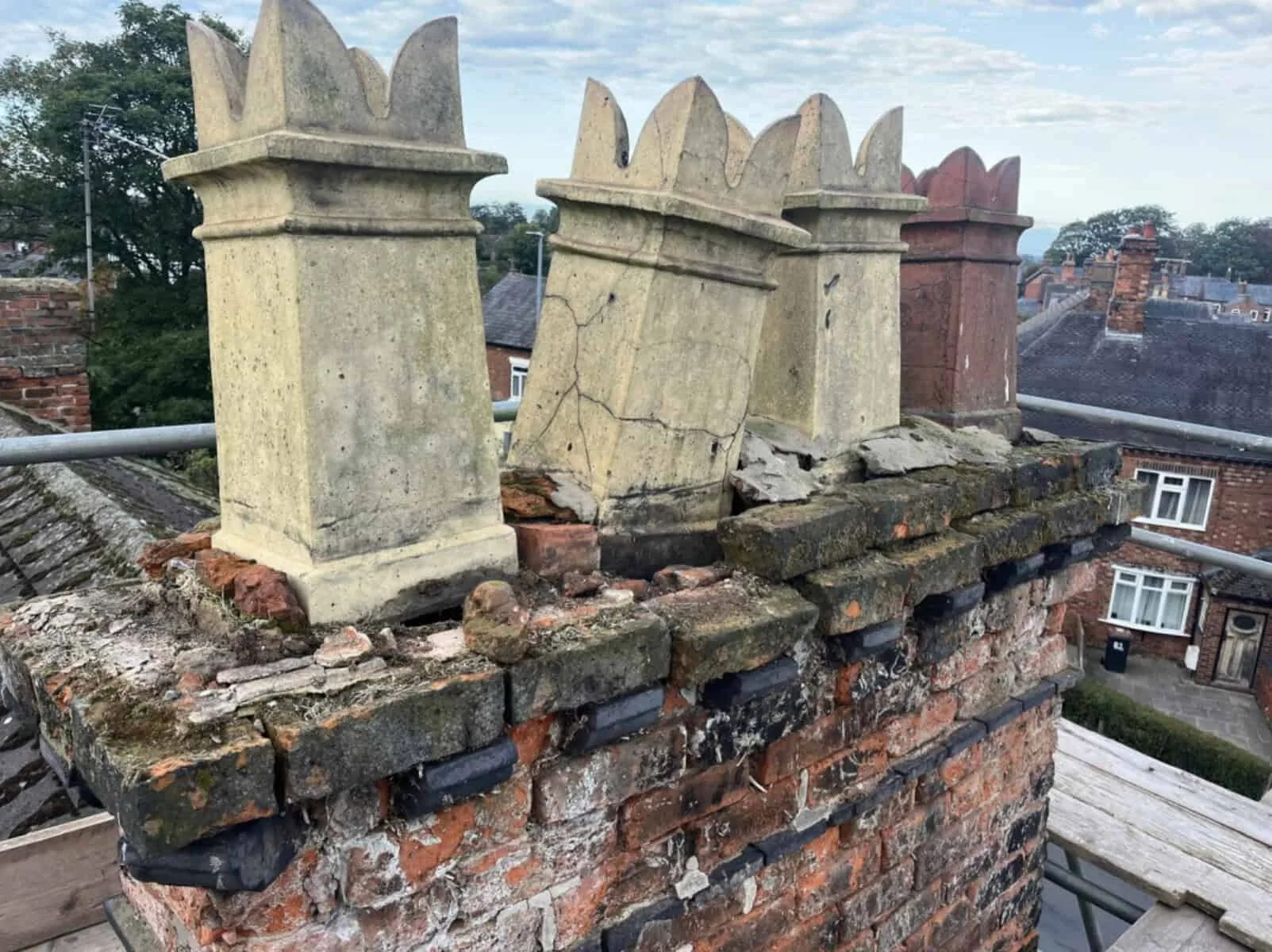
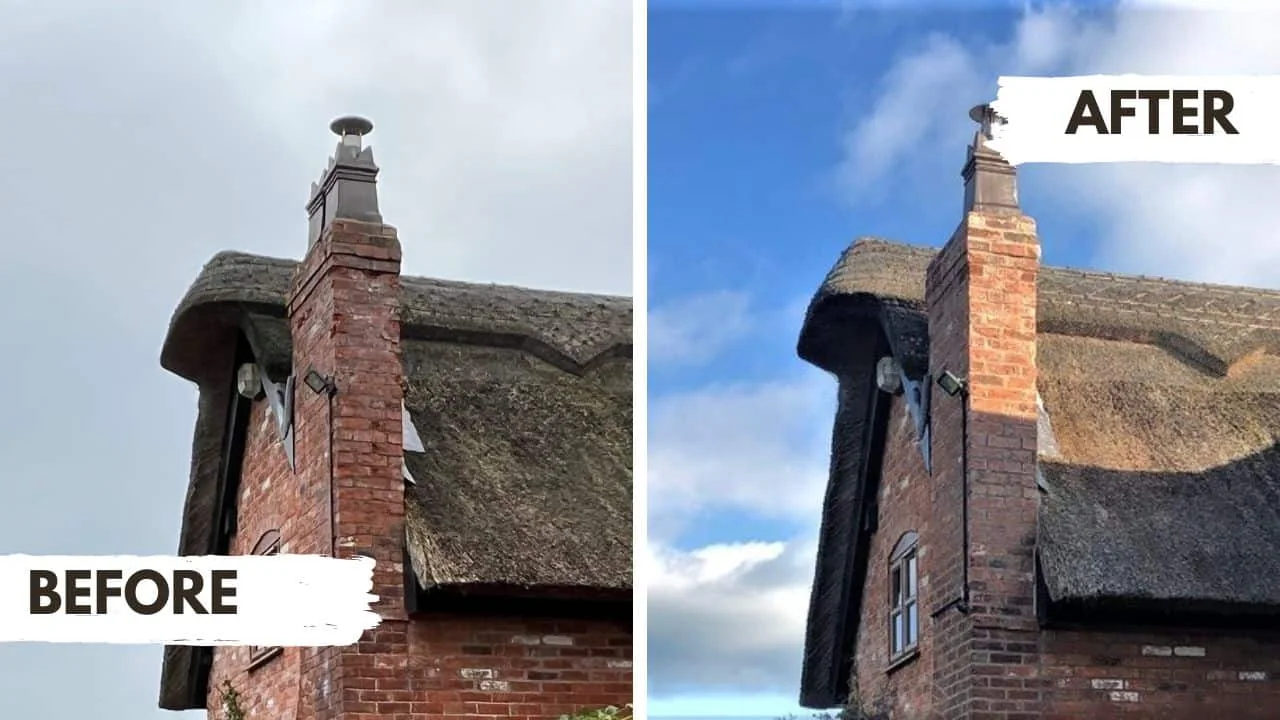
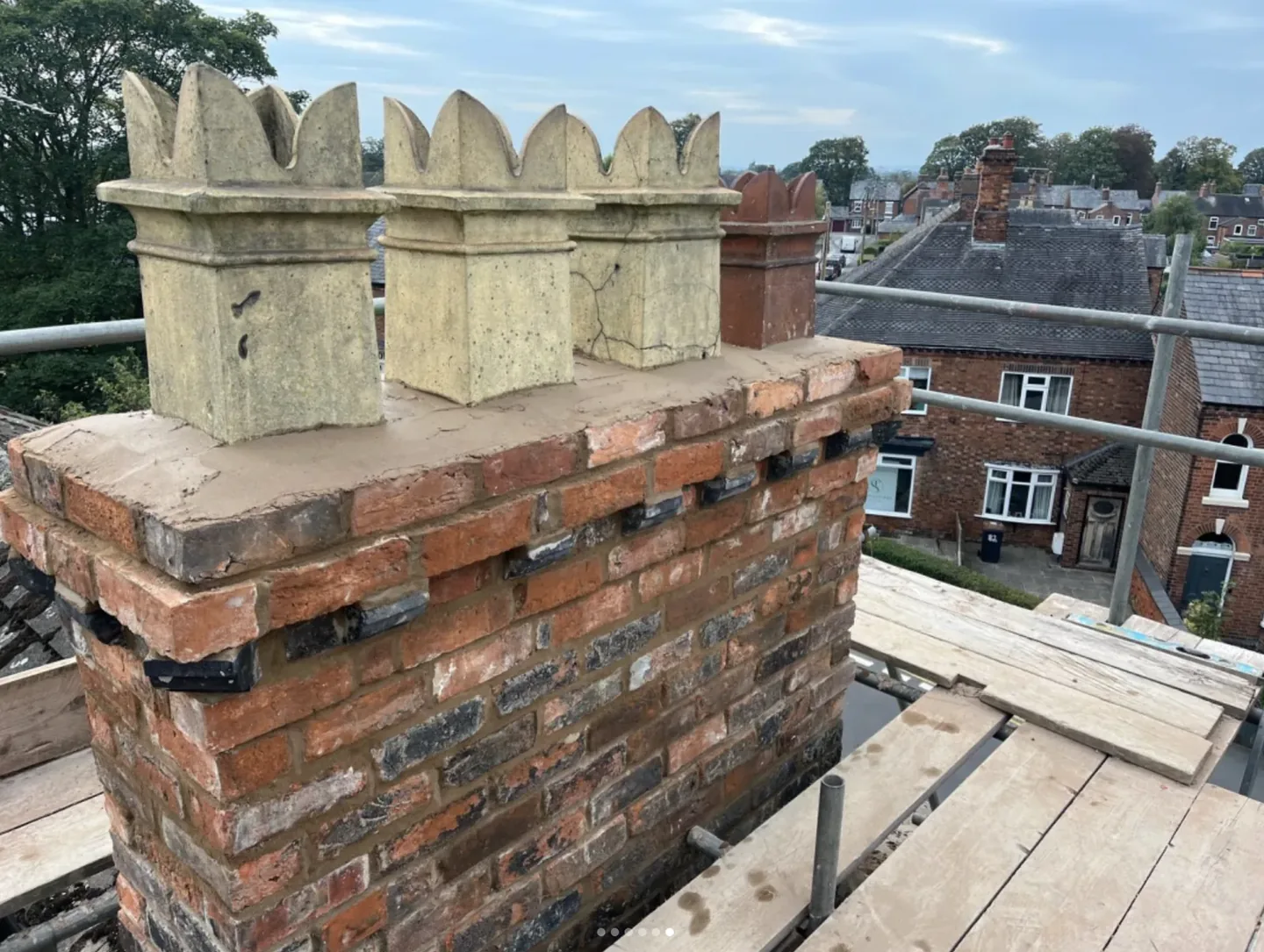
Open, recessed, cracked or missing mortar can be a reason to arrange an assessment, especially on an exposed stack. It is also useful to consider the condition of the nearby brickwork, upper courses, pots, flaunching and any signs of moisture around the chimney breast or loft.
Will every chimney need a full repoint?+
No. A focused repair can be suitable when deterioration is limited and the surrounding masonry is sound. A full-stack scope may be discussed when joint failure is more widespread. The choice should follow a proper view of the accessible stack rather than a rule of thumb.
Can chimney pot beds and flaunching be assessed at the same time?+
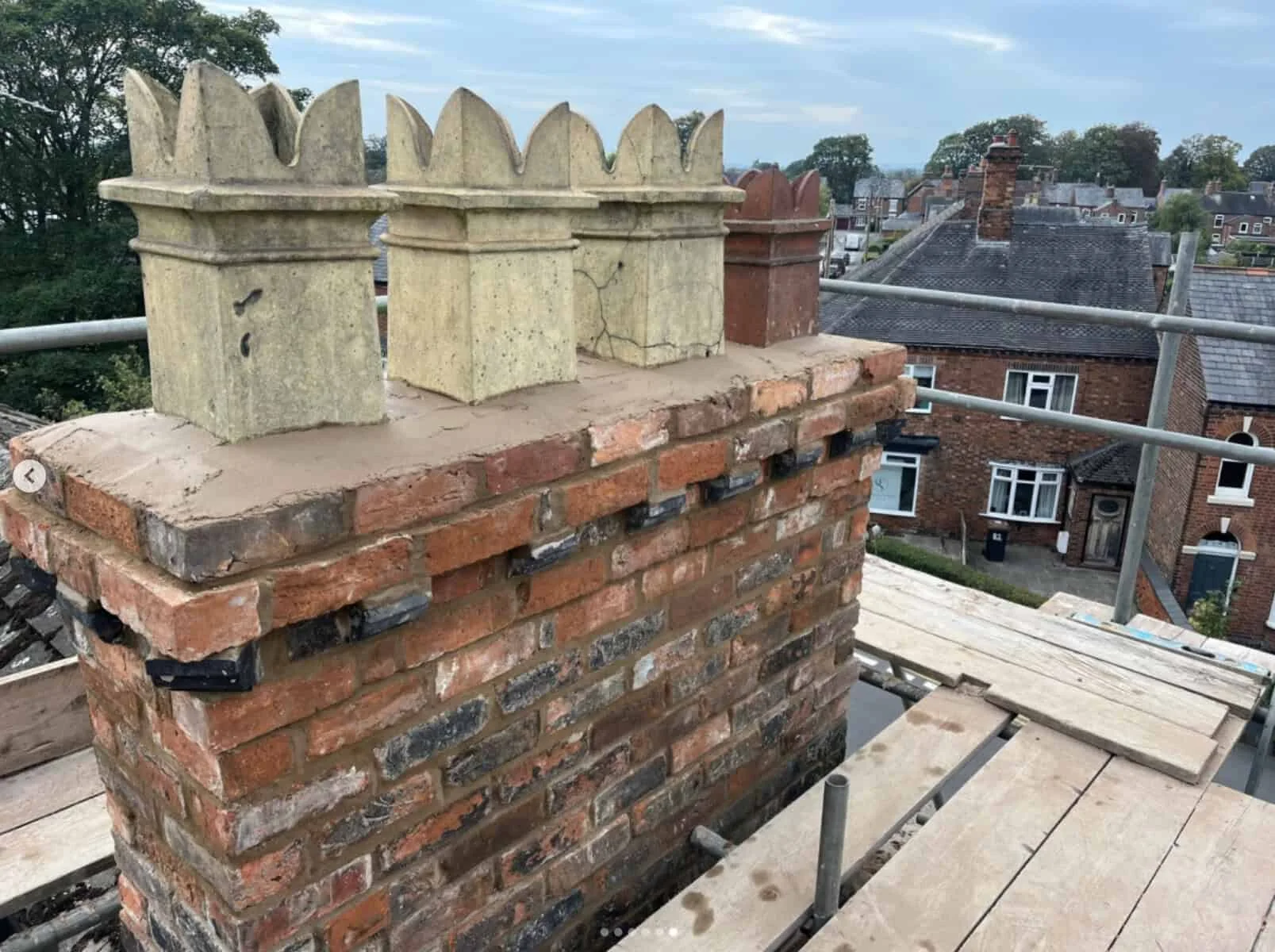
Yes. The mortar bed around chimney pots and the top-of-stack finish are important water-shedding details, so visible cracks, gaps or loose material are worth showing with the mortar joints. The appropriate scope depends on the condition and stability of the stack and pots.
Does an older chimney need lime mortar?+
Some traditional brick or stone stacks may be suited to a lime-based mortar, but material should not be chosen by age alone. Existing mortar, the masonry units, exposure and heritage context need to be considered together before a compatible repair is proposed.
Will chimney repointing fix damp on an internal chimney breast?+
It can help where failed external joints are part of the water route, but it should not be expected to resolve every internal damp symptom. Flue ventilation, coverings, flashings, gutters, condensation and other defects may also need checking.
Can I use my fireplace while work is being planned or carried out?+
The condition and safe operation of an appliance and flue should be confirmed separately by an appropriately qualified professional. Let us know if the chimney is in use so access and any temporary restrictions can be discussed; do not use a flue where its safety is uncertain.
When might repointing not be enough?+
Loose pots, fallen masonry, displaced upper courses, a visibly leaning stack or significant brick decay can indicate that the discussion needs to go beyond mortar joints. These conditions should be assessed promptly and with safe access rather than covered by a surface repair.
What should I include in a chimney-repointing enquiry?+
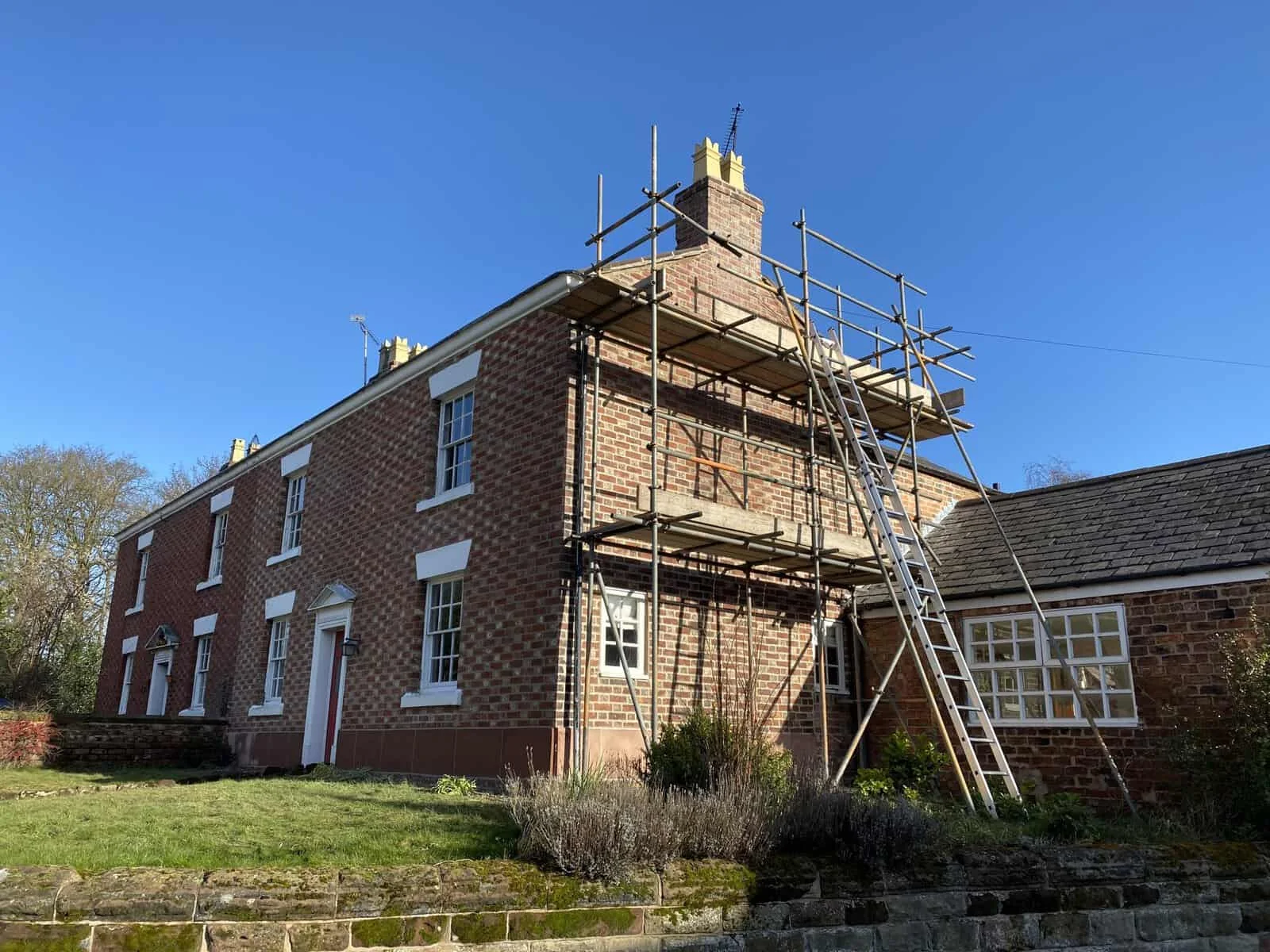
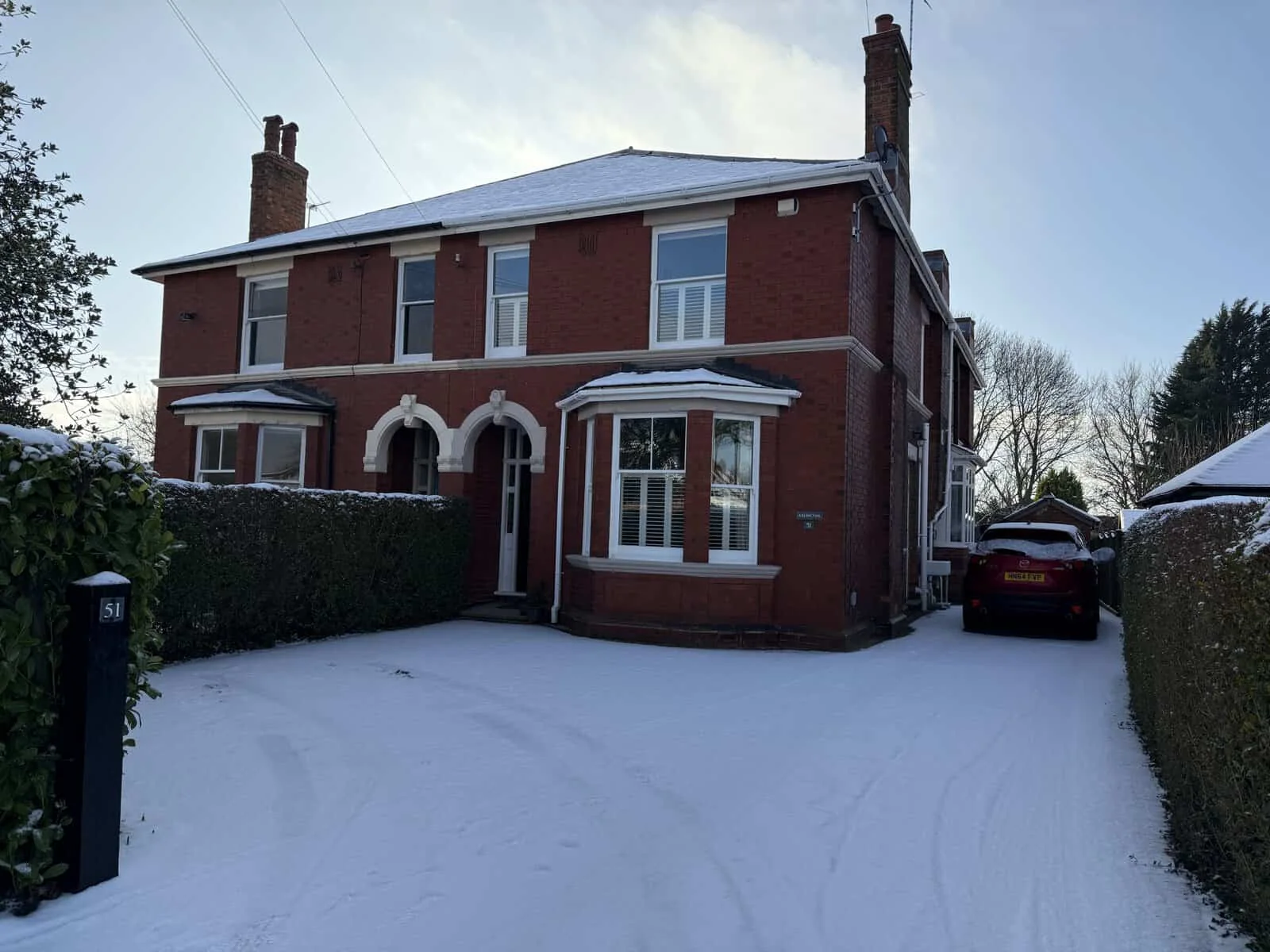
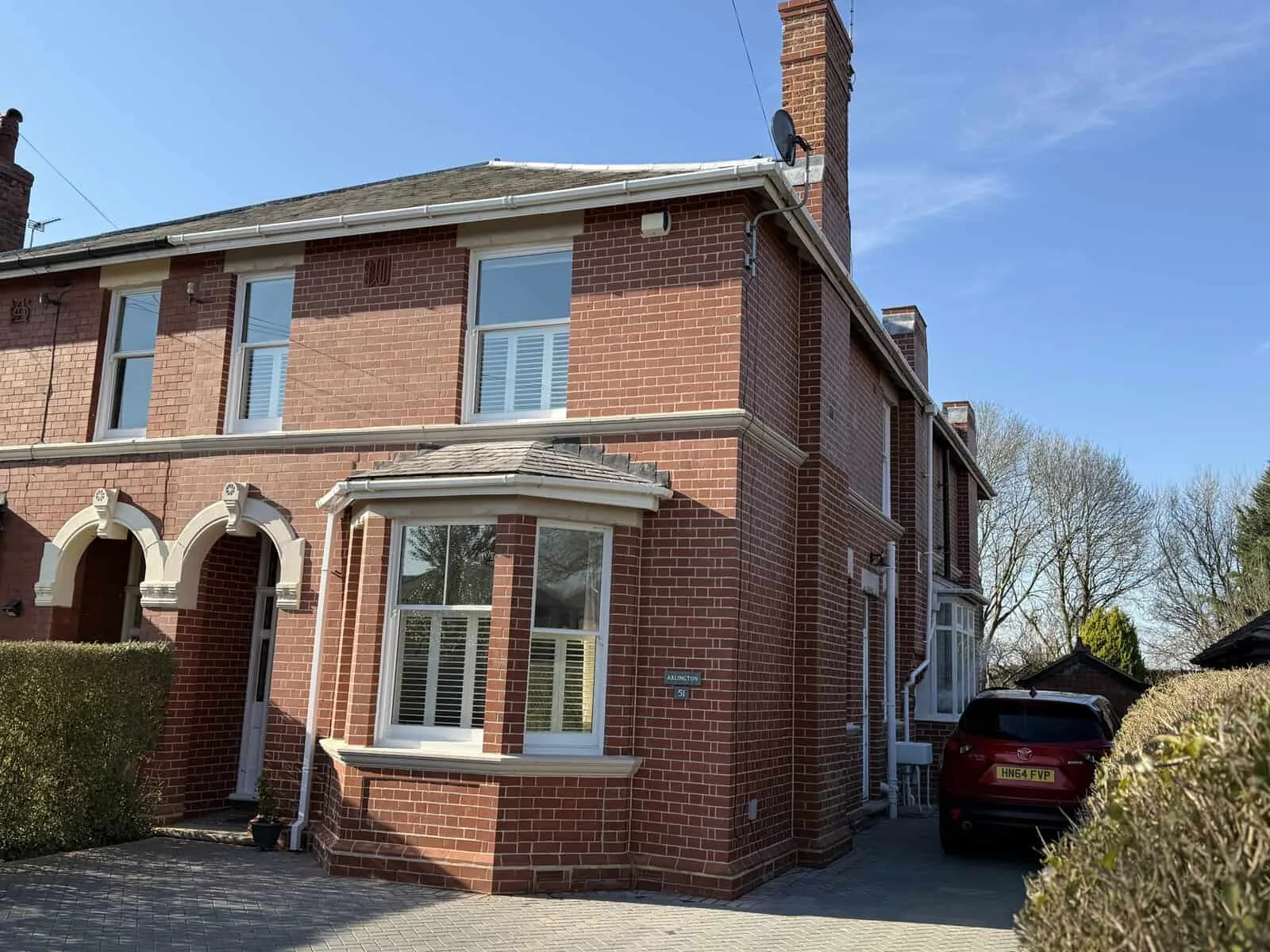
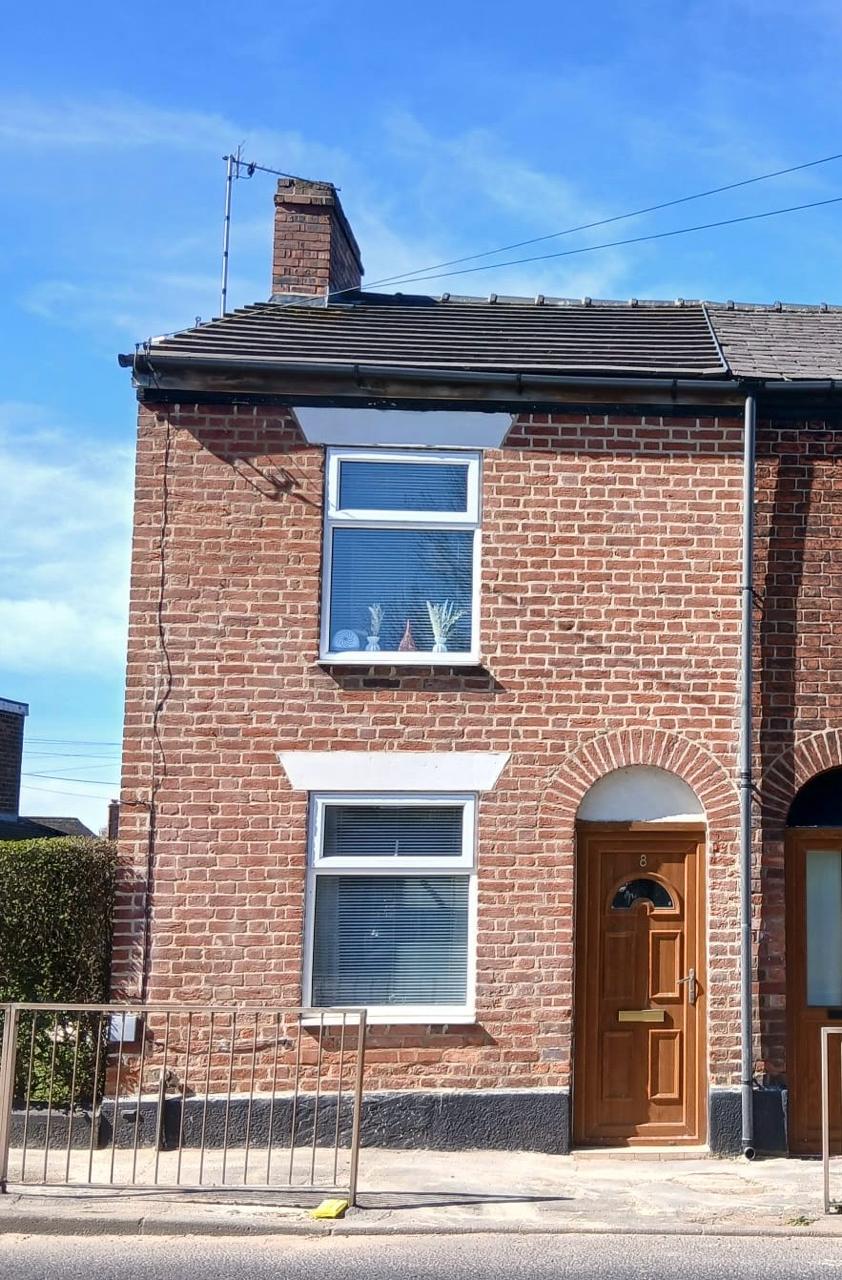
Please send a wide ground-level photograph of the building, the chimney position and any safely captured closer views of the concern. Notes about access, flue use, loft staining, rainwater details, previous work and recent changes will make the initial conversation more useful.