Start with the cause
Soot, algae, paint, mortar smears and traffic staining do not respond in the same way. Identifying what is on the wall helps determine whether cleaning is sensible and what should be considered first.
Staffordshire Pointing is part of the Cheshire Pointing Group Limited, (established 2003).
Brick cleaning
Soot, staining, paint residue and biological growth can change the way a brick elevation looks. A useful first step is to understand the material beneath the surface before deciding whether cleaning is appropriate.
A clear starting point
Brick cleaning starts with assessing the brick faces, mortar and the cause of surface deposits, such as soot, staining, paint residue or biological growth. Where cleaning is appropriate, a controlled test area helps agree the scope and finish before wider work. Nearby surfaces and openings also need protection. Cleaning is separate from repointing or brick repair, and it does not guarantee that every stain will disappear or older masonry will look new.
A considered service
Brick cleaning is not a one-size-fits-all treatment. The brick face, mortar, weathering and cause of the surface deposit all matter, especially on older walls where an unsuitable approach can alter the material or expose weak joints.
When a cleaning route is suitable, a controlled test area helps make the discussion practical. It can also reveal repairs, failed pointing or damaged brickwork that should be considered separately rather than hidden by a surface treatment.
Discuss your property
A considered starting point
The aim is not to make every property look newly built. It is to understand the material, deposit and condition of the masonry so a suitable, carefully controlled outcome can be discussed.
Soot, algae, paint, mortar smears and traffic staining do not respond in the same way. Identifying what is on the wall helps determine whether cleaning is sensible and what should be considered first.
The surface of older brickwork and the mortar around it can be vulnerable. A suitable route considers the existing material, weathering, open joints and any previous repairs before wider work is discussed.
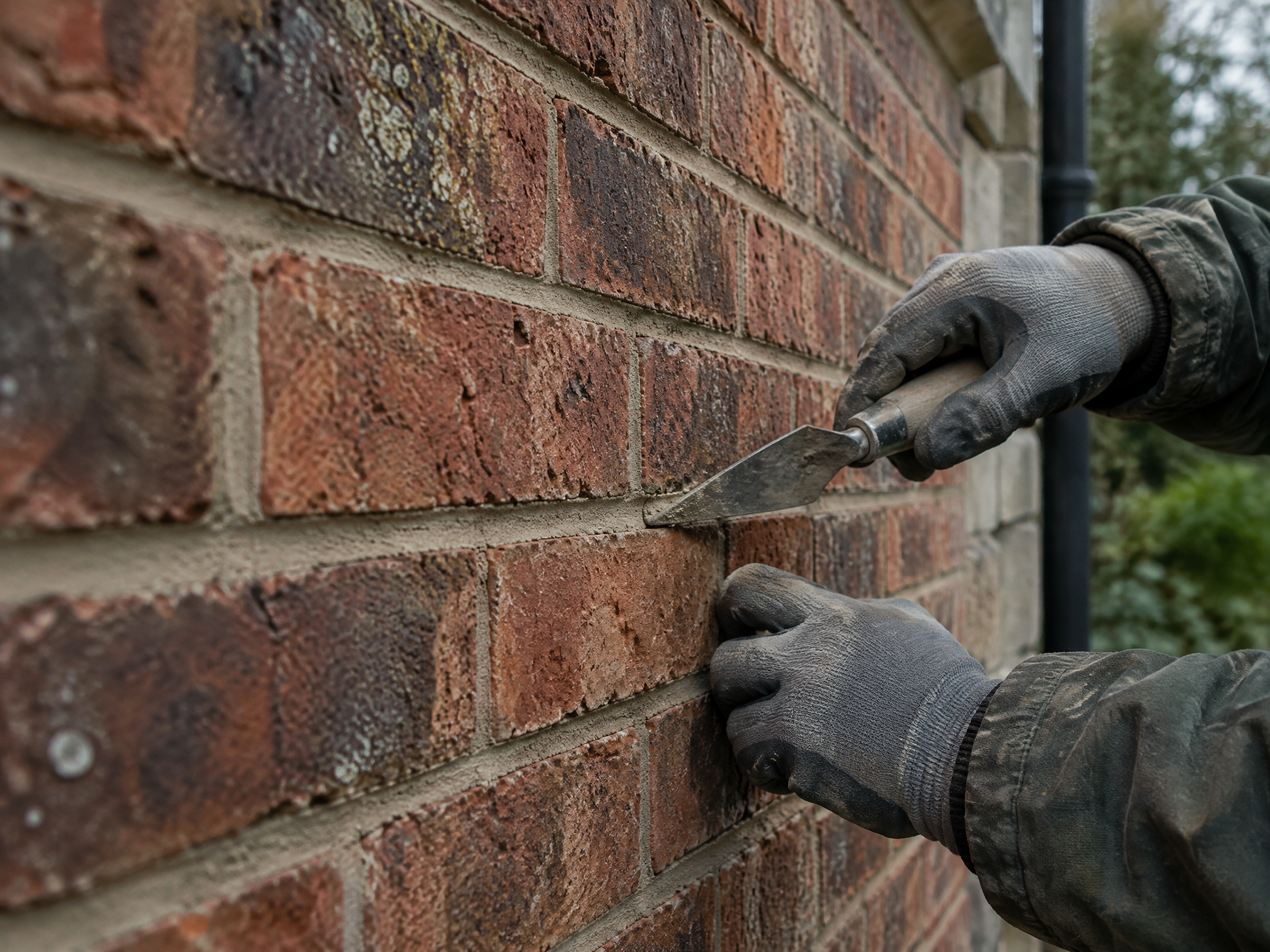
A small, discreet test area gives a more useful indication than an assumption from a photograph. It helps assess the effect on the wall itself before the intended extent is agreed.
Cleaning can reveal damaged faces, weak joints or earlier patching. These should be assessed as masonry repairs in their own right, rather than treated as something a surface clean will solve.
Cleaning and repair are different jobs
When surface deposits are reduced, the wall can look very different — but the process may also make open joints, weakened brick faces, old patching or water-related issues easier to see. Those findings need their own, separate repair discussion.
This approach keeps the proposed scope honest: cleaning is considered for a suitable surface condition, while repointing and brick repair are assessed according to the condition they reveal.
Discuss brick cleaningA controlled sequence
The route is shaped around the individual property rather than a generic clean. It keeps the visible deposit, practical protection and the condition of the brickwork connected throughout the conversation.
We consider the brick type, mortar, visible deposits, water-sensitive areas, access and the condition of nearby windows, paving and planting before a cleaning approach is proposed.
The practical set-up is planned around the property, then a controlled test can be reviewed against the surrounding wall. It is the point to agree the suitable scope and finish.
Where a cleaning route is appropriate, the work is carried out in controlled stages suited to the material and deposit, with the condition of the brick faces and joints kept under review.
Once the surface has been treated, the masonry can be reviewed for open joints, damaged edges, staining causes or local repairs that merit a separate recommendation.
Look closer
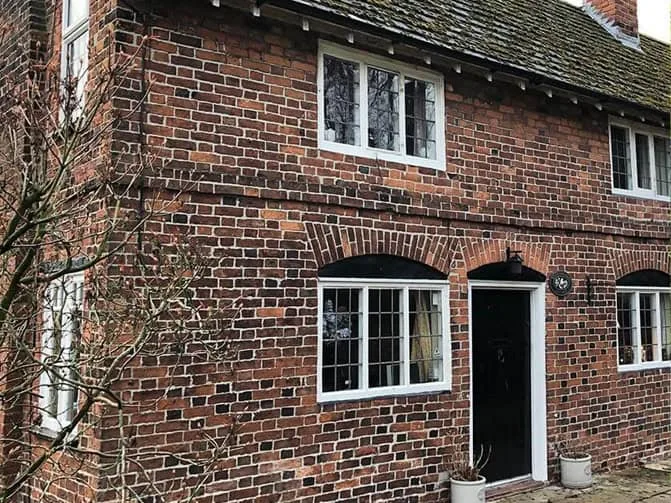
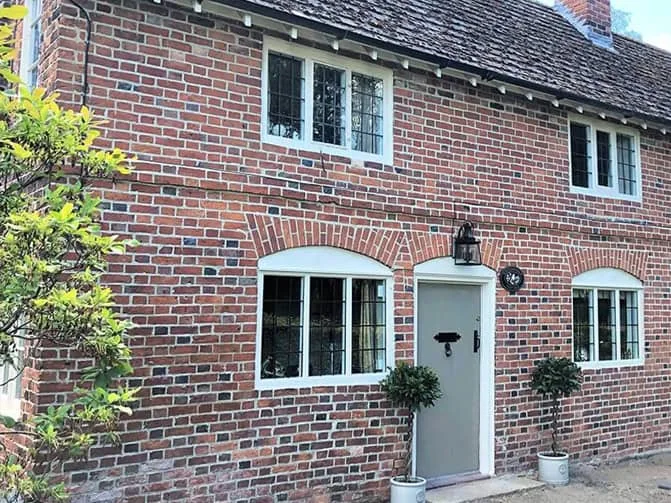
Use the slider to look at the brickwork around a cottage entrance before and after cleaning. The comparison shows a visual change, not a guarantee that every brick, coating or stain will respond in the same way.
Make the first enquiry useful
Wide and close photographs help establish what is on the brickwork, how extensive it is and whether there are nearby details that affect access or protection. They give us a more useful starting point for the first conversation.
Look closer
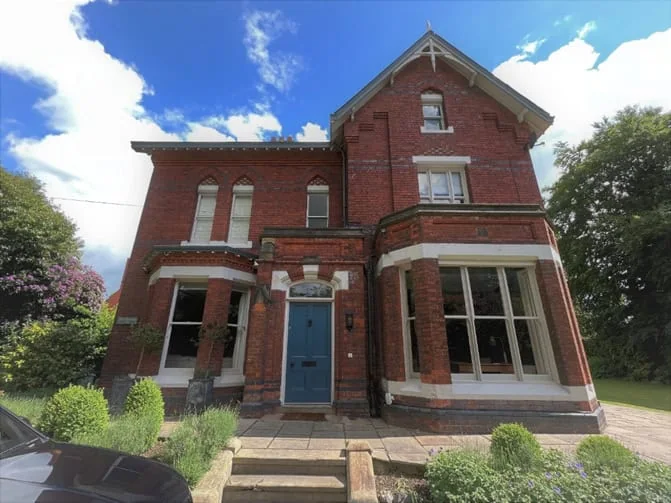
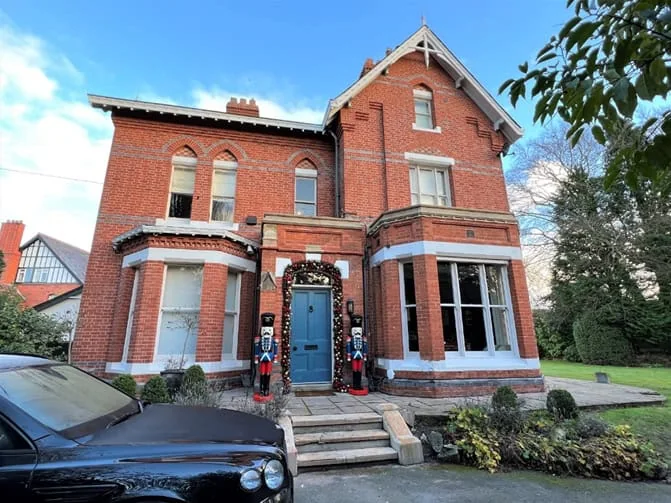
Use the slider to compare a darkened brick frontage with a later, clearer view of the same elevation. It is an illustration of the visual difference that may be possible; every wall still needs its own assessment and test.
Our projects
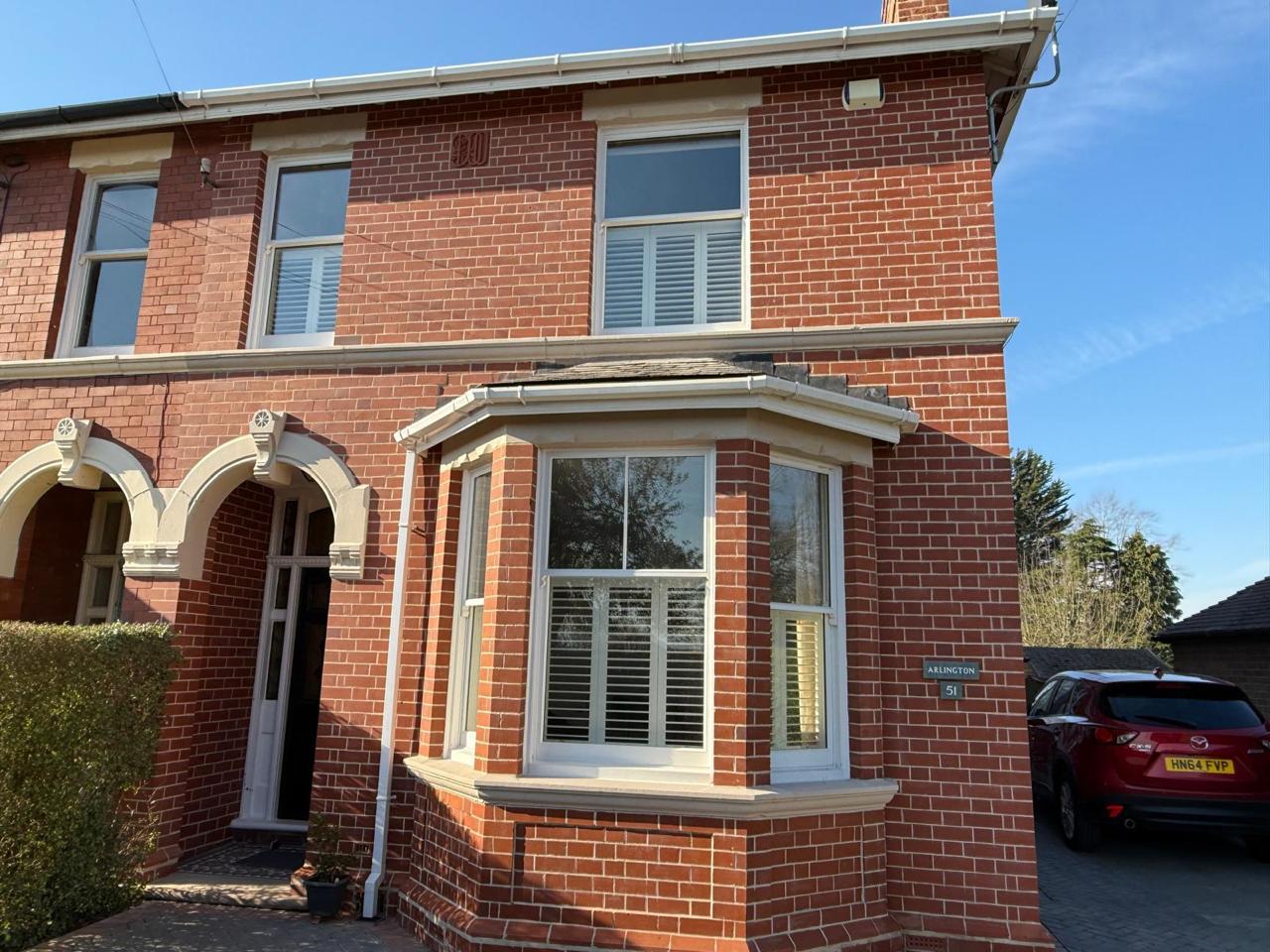
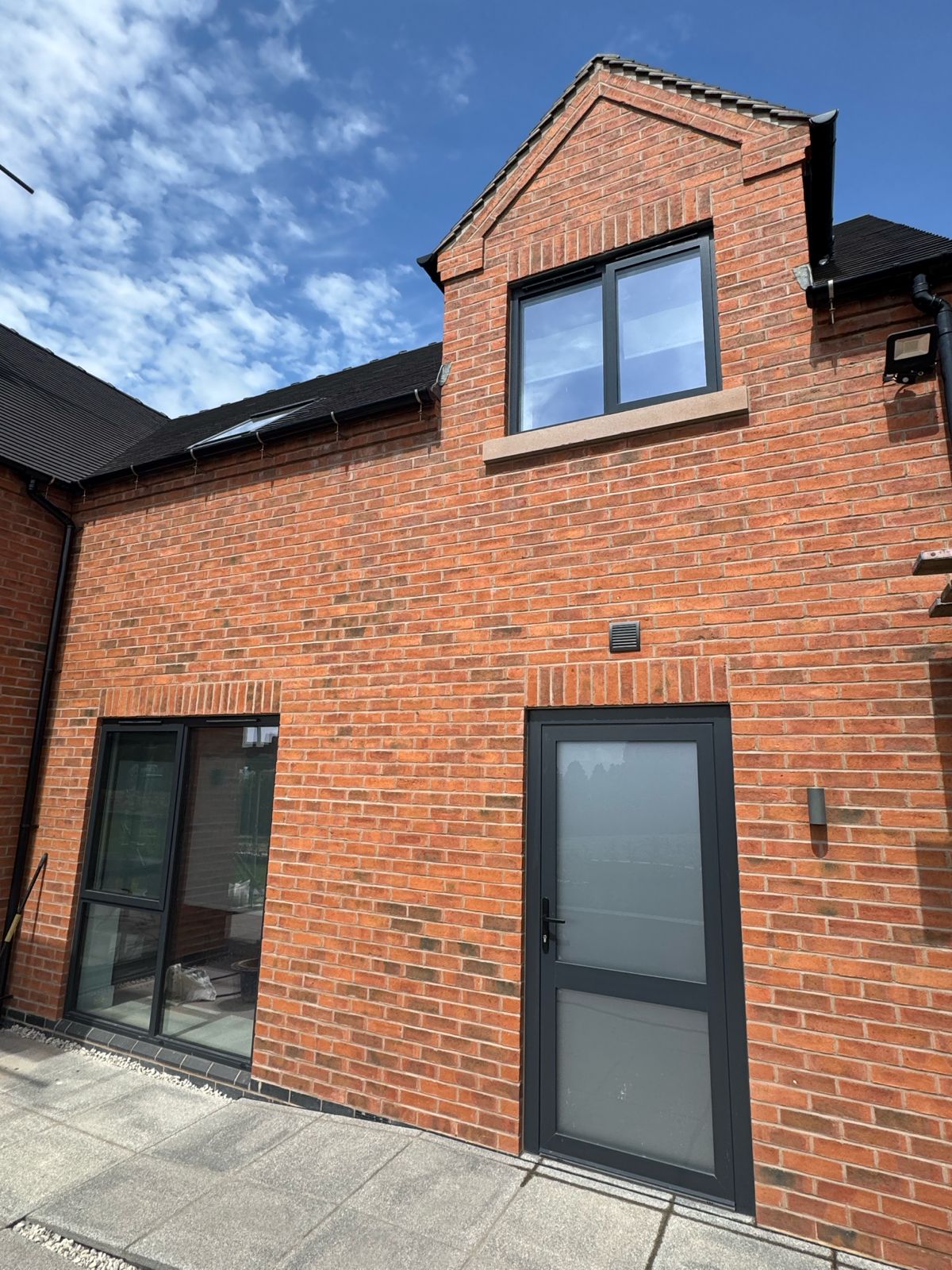
Take a look at some of the work we have completed, from the repair work and materials used through to the finished result.
Helpful reading
Explore the relevant detailed guides below. They support, rather than replace, an assessment of the individual building.
For the wider picture, start with the homeowner’s repointing overview covering condition, materials, safe access and repair planning.
Brickwork care guide10 minute read
Property maintenance guide8 minute read
FAQs
Every property has its own material, condition and access considerations. These answers explain the points we would normally discuss before a scope is agreed.
We begin with the brick type, mortar, condition and the material on the surface. A cleaning approach may be discussed only where it is suitable for the wall, and a small test area can help guide the decision.
Not necessarily, and that is not normally the aim. Older masonry has natural variation, weathering and patina. The intended outcome is an appropriate, considered result rather than a flat or artificially uniform appearance.
Some mortar smears and construction residues can be assessed for controlled removal. The material beneath the residue and the condition of the adjacent pointing both influence whether a suitable route is available.
Painted masonry needs a careful assessment because coatings, brick faces and mortar can all react differently. We would look at the type and condition of the coating, the substrate and a suitable test area before proposing any wider work.
They are separate elements of work. Cleaning may expose open joints, loose mortar or damaged brick edges, which can then be considered for repointing or repair as part of a wider masonry scope.
The visible growth and the conditions that support it both need consideration. Moisture, shading, drainage and nearby vegetation can affect what is appropriate and whether cleaning alone would provide a sensible outcome.
The set-up is planned around the individual property. We discuss practical protection for nearby surfaces and openings, as well as access, water management and any areas that need particular care before work begins.
Please send one broad view of the elevation and close views of the affected brickwork. Images of the staining, nearby mortar, water run-off and any previous repair or paint work help make the first conversation more useful.
Call 01625 920 888, or for the fastest way to get a quotation, click Get a quotation and fill in your details.