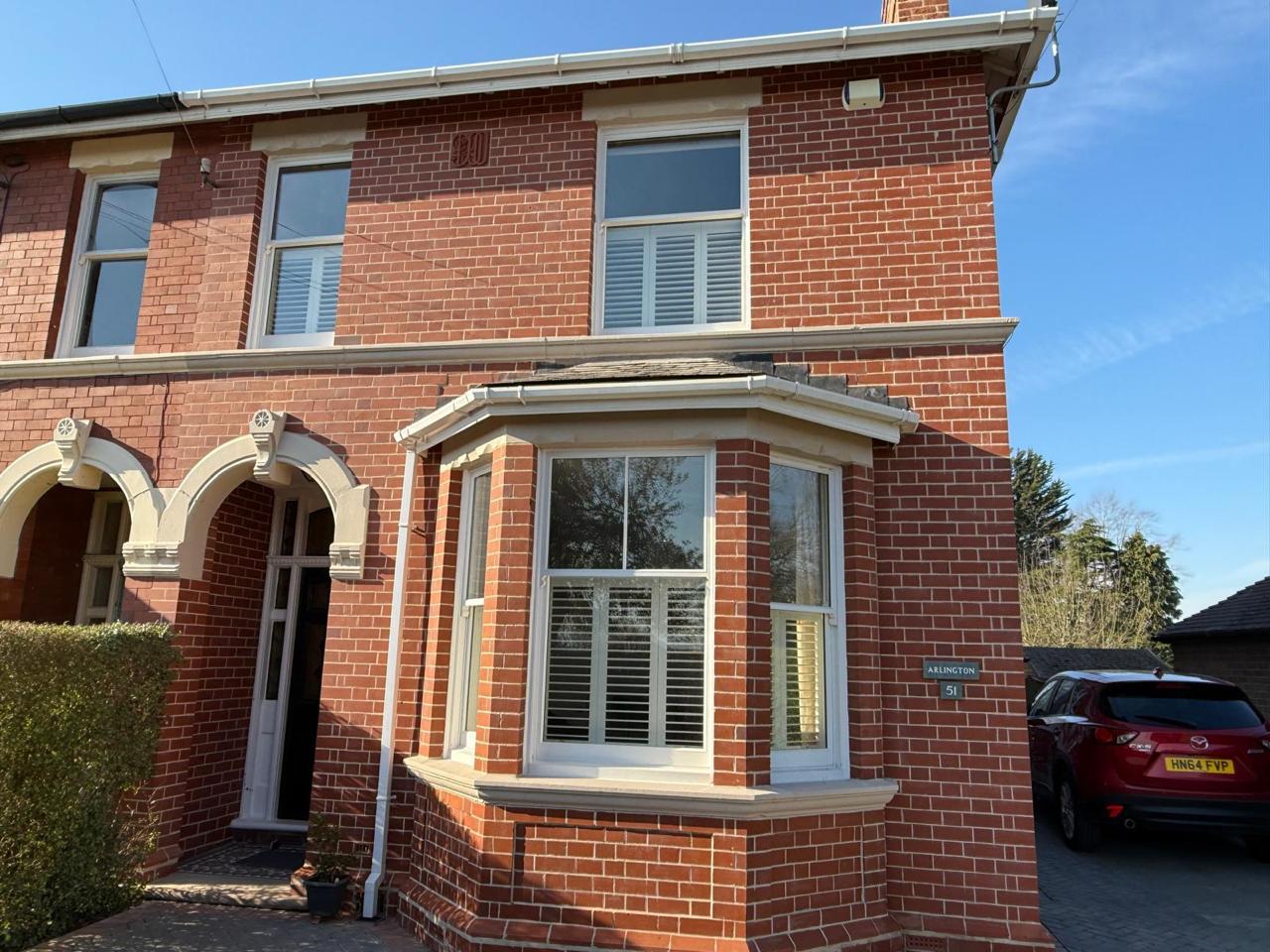
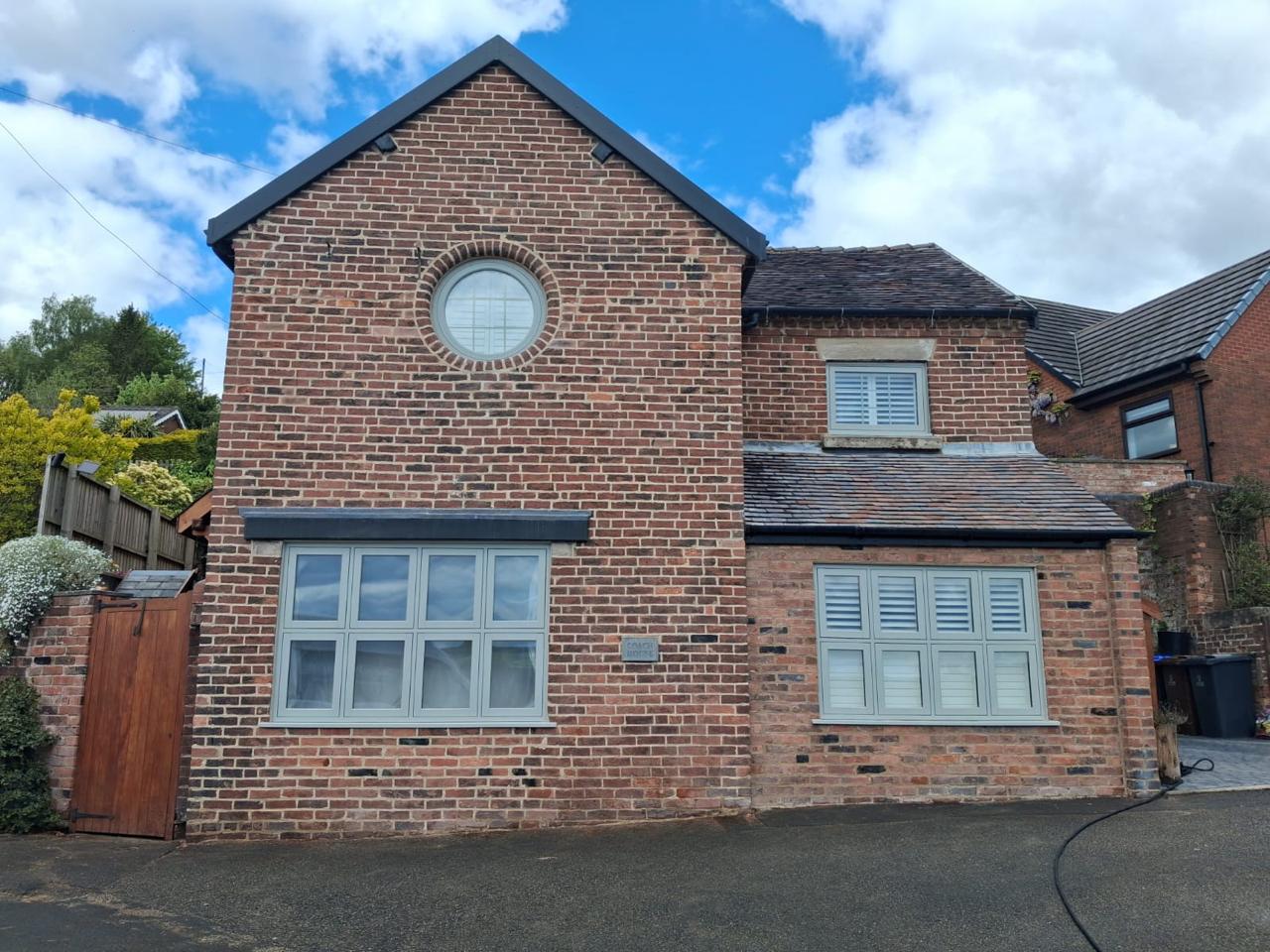
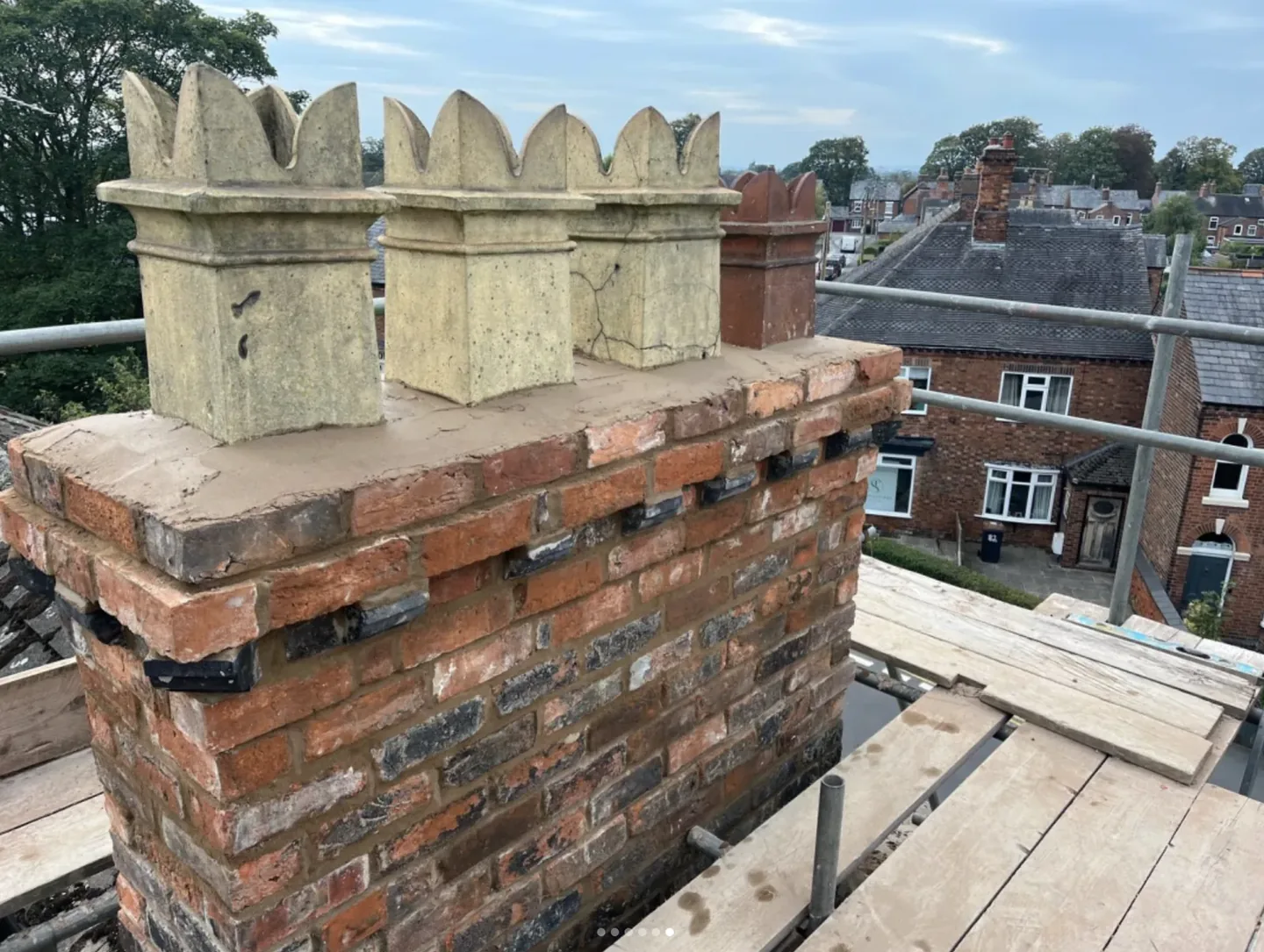
Before a repair decision
A visible-condition review can separate open joints, local brick damage and weathered areas from assumptions about the repair scope.
Staffordshire Pointing is part of the Cheshire Pointing Group Limited, (established 2003).
Brickwork surveys
A masonry-specific condition visit can help owners, buyers and property managers understand what is visibly happening to the accessible brickwork before deciding what should be investigated, maintained or repaired.
A clear starting point
A brickwork condition survey is a focused visual review of accessible external masonry before a repair, maintenance or property decision. It considers mortar joints, brick faces, previous repairs, openings and visible rainwater clues, while recording viewing limits and questions needing further advice. It is not a RICS Home Survey or structural engineer's report. Visible movement or damp may require separate specialist investigation before a repair scope is agreed.
A considered service
A brickwork condition visit brings the accessible parts of an elevation into one conversation. It can identify weathered joints, local brick damage, prior repairs, visible rainwater clues and places where a repair discussion needs more information before a scope is assumed.
The purpose of the review matters. Whether you are considering a purchase, planning maintenance, responding to a visible concern or seeking a more informed repair quotation, the service should be clear about what can be safely seen and what needs another type of advice.
Discuss your property
A masonry-specific condition visit
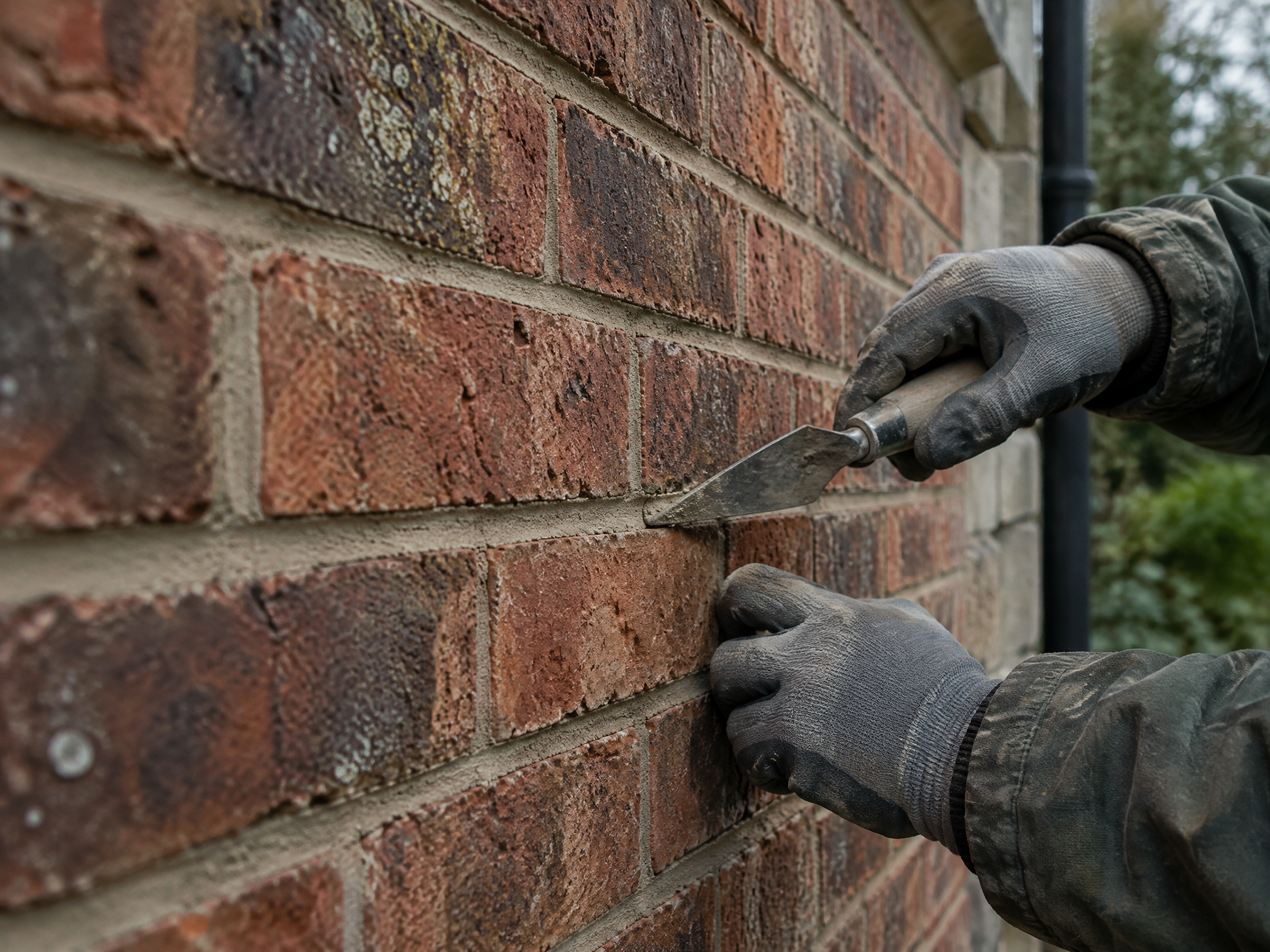
A brickwork condition visit is useful when the decision concerns mortar, brick faces, visible repair history or accessible elevations. It gives the masonry its own focused discussion, rather than asking a close-up photograph to prove the condition of the whole building.
We look at the accessible external fabric in context: the opening, elevation, water route, previous repair and limits of the viewing position. That helps identify what a repair conversation may need next — and when a separate adviser or inspection route is more appropriate.
Arrange a brickwork review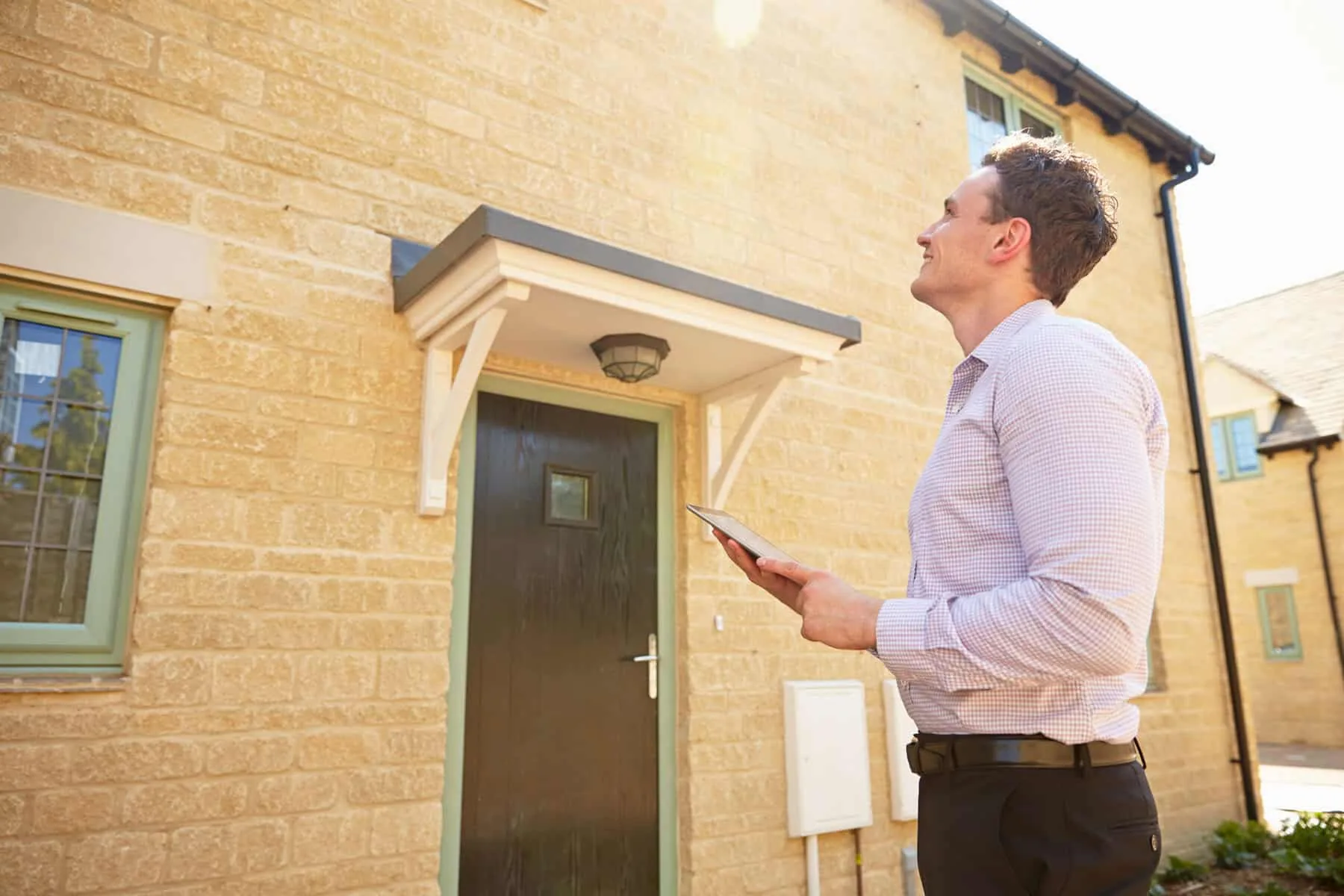
Choose the question first
The purpose shapes the conversation. A maintenance plan, property purchase or repair concern each needs its own context, limitations and possible next step.
A visible-condition review can separate open joints, local brick damage and weathered areas from assumptions about the repair scope.
Observations across the accessible elevations can help bring repair priorities, routine upkeep and questions for later investigation into one conversation.
Buyers, sellers, landlords and managers may want a masonry-specific view alongside the advice and reports that their wider property decision requires.
A closer look at the visible brickwork and access conditions can make a later repair discussion more useful than a price based on close-up photographs alone.

Accessible external masonry
A good first record does not jump straight from one defect to a repair conclusion. It keeps the location, surrounding masonry, visible weathering and access limitations together so the observations can be interpreted proportionately.
A useful masonry record
The most helpful outcome is clear about where something was seen, what it may prompt next and which questions should not be answered from a limited visual review.
A useful note identifies the elevation, the feature being discussed and the viewing position, rather than presenting a close-up as the whole wall.
Photographs and plain-language observations can show the brickwork and mortar that were accessible on the visit, with their limits made clear.
Repointing, local repair, cleaning, material compatibility or access requirements can be separated into possible next conversations where appropriate.
Structural movement, hidden construction, damp diagnosis, services and inaccessible high-level work may need a different inspection route or adviser.
From condition to next step
This sequence is not a substitute for a whole-building or engineering inspection. It is a way to make an external brickwork question better defined before a repair route is decided.
Clarify whether the concern is a repair decision, maintenance planning, a property transaction or an informed quotation, then identify the areas to review.
The accessible external masonry is considered with the wider elevation, openings, rainwater details and practical limitations of the visit in mind.
The visible condition, locations, photographs and unresolved questions can be brought into a clear discussion without overstating what the inspection can establish.
The outcome may be a repair conversation, maintenance planning, a quotation route or a recommendation to obtain different specialist advice before work is decided.
What this review is not
Access, safety and the nature of the concern all affect what can sensibly be seen. The following limits are important before relying on the review for a high-stakes property, movement or moisture decision.
Plan your enquiry
Tell us what you are deciding and what is visibly concerning you. This makes it easier to distinguish a practical masonry enquiry from an issue that needs a different type of inspection or adviser first.
Our projects
Take a look at some of the work we have completed, from the repair work and materials used through to the finished result.
Helpful reading
Explore the relevant detailed guides below. They support, rather than replace, an assessment of the individual building.
For the wider picture, start with the homeowner’s repointing overview covering condition, materials, safe access and repair planning.
Property maintenance guide8 minute read
Heritage property guide10 minute read
Survey enquiries
Let us know whether the survey is for a purchase, maintenance plan, repair decision or quotation. Include the property address and any photos that show the areas you are concerned about.
FAQs
Every property has its own material, condition and access considerations. These answers explain the points we would normally discuss before a scope is agreed.
No. This service focuses on the visible external masonry and potential repair questions. It is not a RICS Home Survey, a mortgage valuation, a full building survey or a substitute for the broader advice that a property transaction may need.
The discussion can focus on accessible brick faces, mortar joints, local repairs, openings, visible rainwater details and the parts of the elevation that can be safely viewed. The exact scope should be agreed around the purpose of the visit and the property.
It can record what is visible from a safe position, but it cannot assume a close inspection of high-level or inaccessible work. A chimney, roofline or concealed issue may require safe access or another specialist route before its condition can be properly assessed.
Visible masonry signs can be recorded, but a brickwork condition visit does not diagnose structural movement. If walls are cracking, bulging, leaning or bricks are fracturing, advice from a structural engineer should be sought before a repair scope is decided.
Staining, saturated brickwork, defective rainwater goods or other visible clues can be noted, but a visual brickwork review does not by itself establish the source of moisture. The appropriate next investigation depends on what is found.
It can give a masonry-specific view to sit alongside the wider reports and advice required for a purchase or sale. Share the decision you are making and any existing survey queries so the discussion can focus on the visible brickwork concerns.
It can support a later quotation discussion where the repair need is clear. Access, materials, the detailed scope and the conditions on site still need to be considered before work is priced or programmed.
Older masonry may need compatible materials, sample areas, specialist input or consent. Identify the building status early and obtain the relevant local-authority or professional advice before assuming a repair approach.
Call 01625 920 888, or for the fastest way to get a quotation, click Get a quotation and fill in your details.