Read the damage in the wall around it
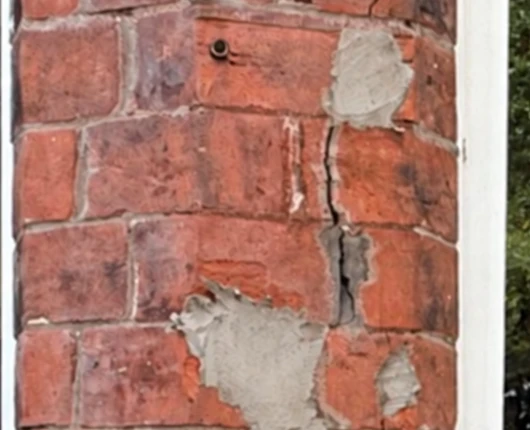
A broken brick is not always an isolated problem. Joints, openings, rainwater details, earlier repairs and the surrounding courses help explain whether a focused repair is appropriate.
Staffordshire Pointing is part of the Cheshire Pointing Group Limited, (established 2003).
Brick repair
An assessment-led route for cracked, spalled, fractured or poorly patched brickwork — keeping sound masonry where it belongs and focusing repair work where the wall genuinely needs it.
A clear starting point
Brick repair starts with assessing damaged bricks alongside the surrounding mortar, courses, openings and water exposure. Where local work is suitable, sound masonry is retained and repair or replacement materials are chosen for compatibility with the existing wall. Repointing or cleaning should be defined separately where needed. Changing cracks, bulging, leaning or unstable masonry may require structural advice before routine repairs; keep clear of any immediate falling-material risk.
Start with the wall, not the patch
A damaged brick can be the visible part of a wider masonry story. Open joints, a leaking rainwater detail, previous hard repairs, surface weathering, impact, movement or a nearby opening can all affect what should happen next.
We begin by considering the condition of the surrounding wall and what can be safely seen. Where a focused repair is suitable, the scope can then be shaped around the bricks, mortar, bond and finish that will sit naturally with the existing elevation.
Discuss a brick repair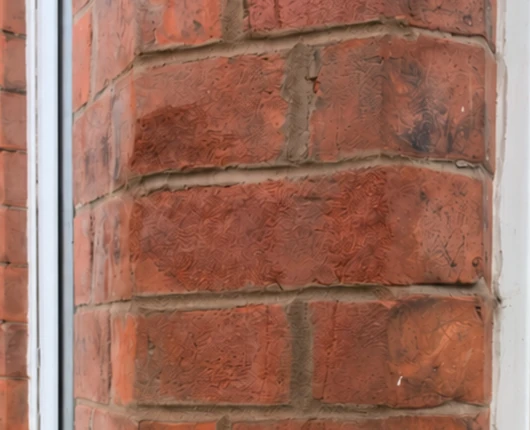
A material-led repair
The best outcome usually comes from reading the existing masonry before deciding which material is retained, repaired, replaced or referred for another type of advice.
A broken brick is not always an isolated problem. Joints, openings, rainwater details, earlier repairs and the surrounding courses help explain whether a focused repair is appropriate.
A repair scope should distinguish between bricks that are genuinely loose, fractured or decayed and material that is weathered but still sound. The aim is not to make an older wall look newly built.
Size, colour range, texture, bond, weathering and mortar all influence how a local repair sits in the elevation. A close visual match is considered alongside material compatibility and exposure.
Water run-off, faulty drainage, movement or unstable masonry can affect the right next step. Related causes need to be discussed rather than covered by a surface patch.
A local repair, viewed closely
Drag the control to compare a supplied before-and-after pair. It shows how a focused repair can change one corner of brickwork, but it is not a promise that every wall needs the same material, extent of work or finish.
The surrounding masonry, the likely cause and the condition of the brick all need to guide the individual scope.
A clear working route
Separating the observed condition, repair material and final detailing helps keep a local brick-repair conversation practical and tied to the wall in front of us.
The first conversation considers the damaged brickwork, surrounding mortar, nearby opening or boundary detail, visible water routes, height and practical access. Clear photographs help establish what can be seen safely.
Where local work is suitable, the proposed scope identifies the bricks, mortar and finishing detail that need attention. Related pointing or cleaning is kept as a clear, separate part of the discussion rather than assumed.
The agreed area is repaired around the existing wall, with attention to courses, joints and the wider elevation. The final review considers whether any maintenance or other specialist advice has already been identified.
Know when to look further
These details help distinguish a local masonry repair from a concern that needs a different assessment before work is planned.
Plan your enquiry
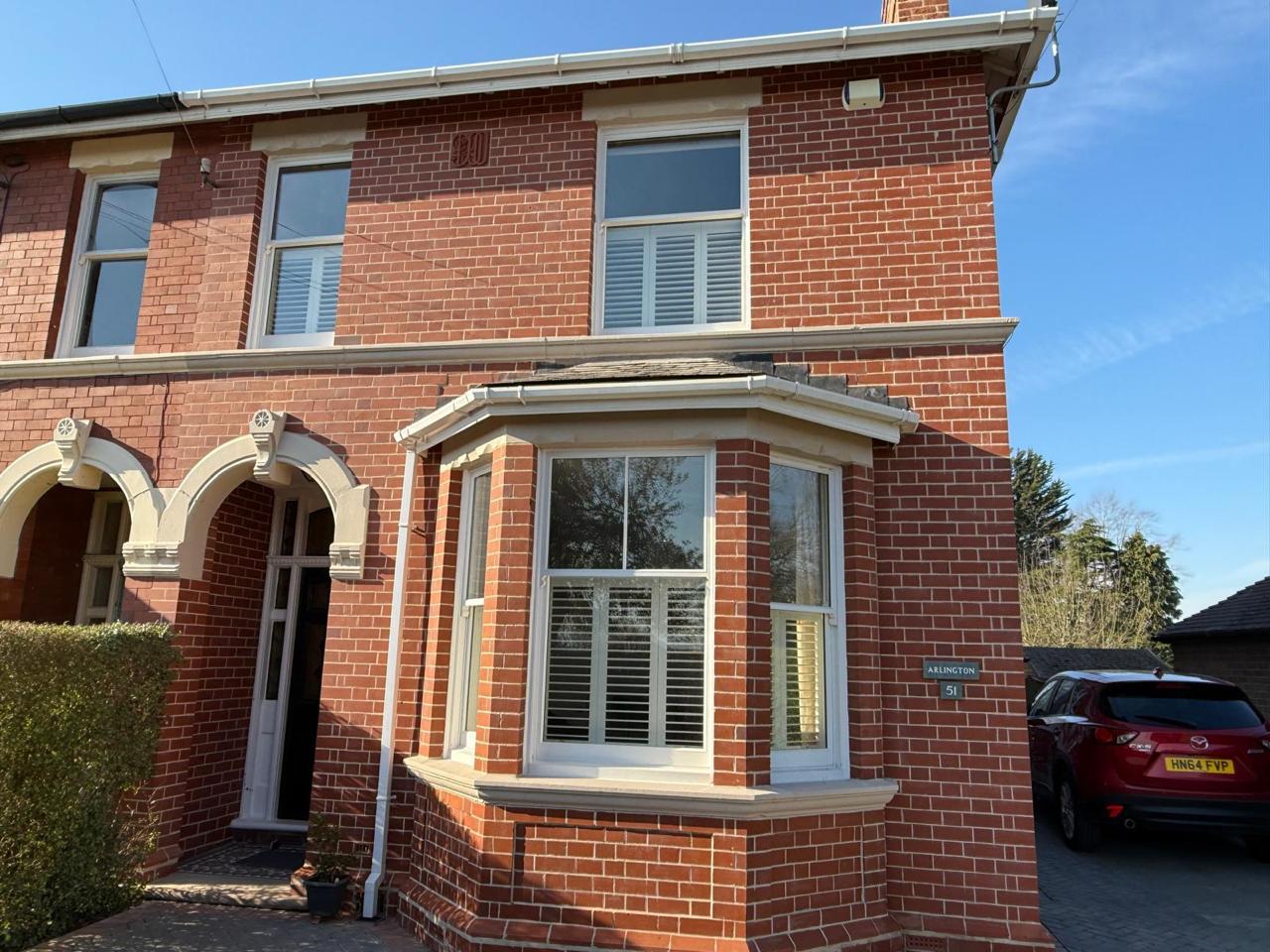
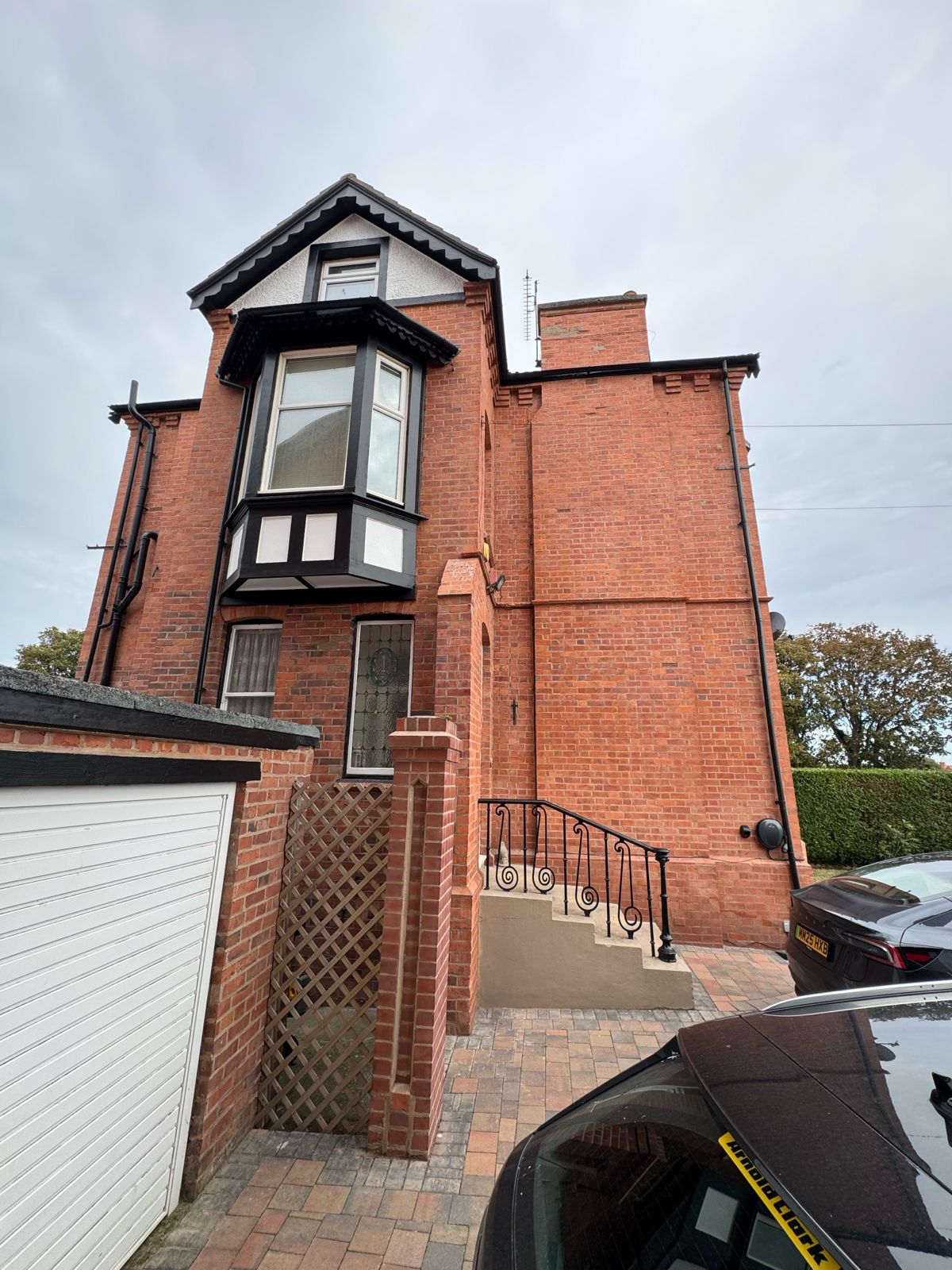
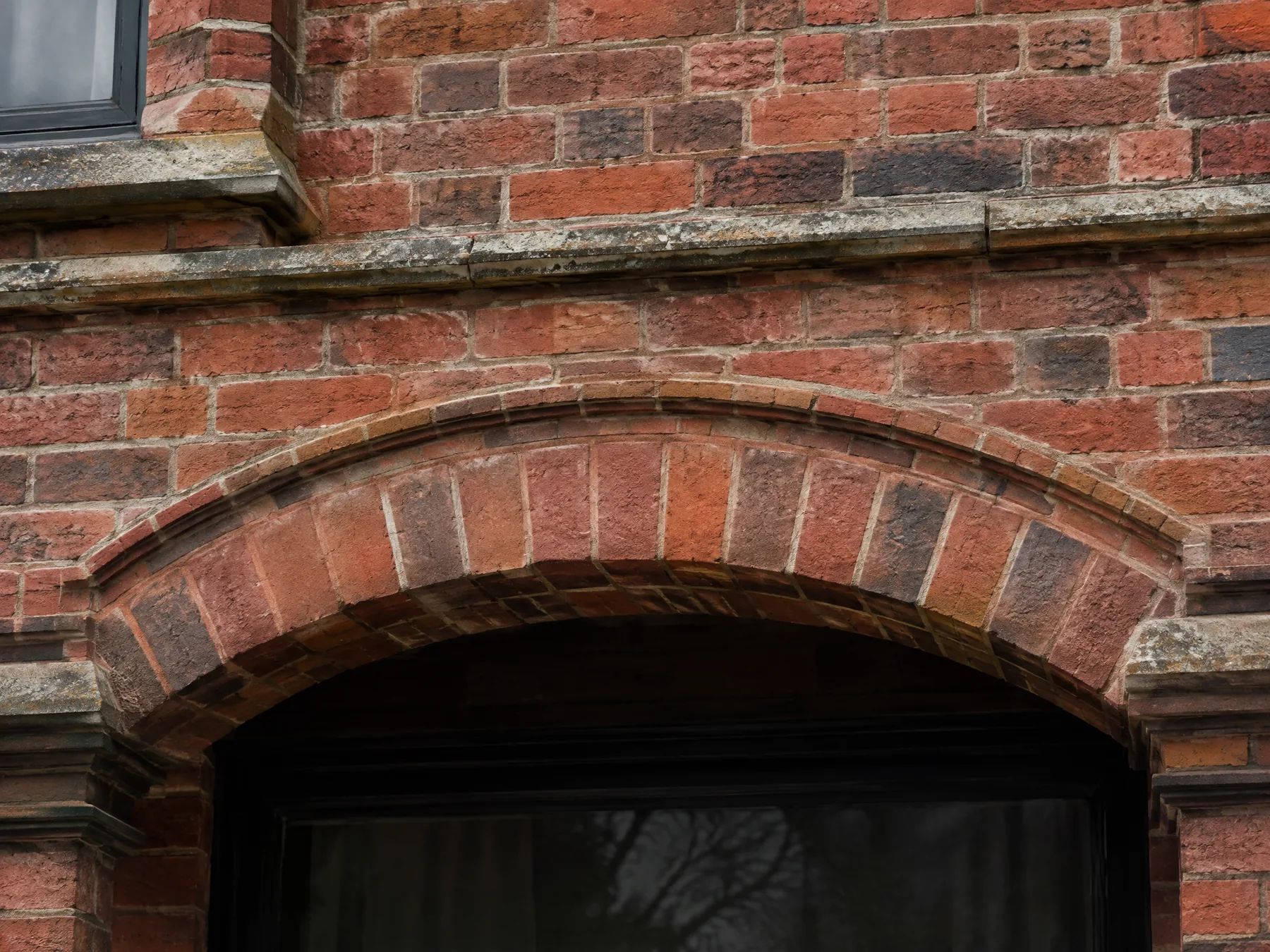
A wide view and a close detail are often more useful together than either image alone. They help show the brick courses, drainage, openings, access and any signs that one local repair may be connected to a wider condition.
Our projects
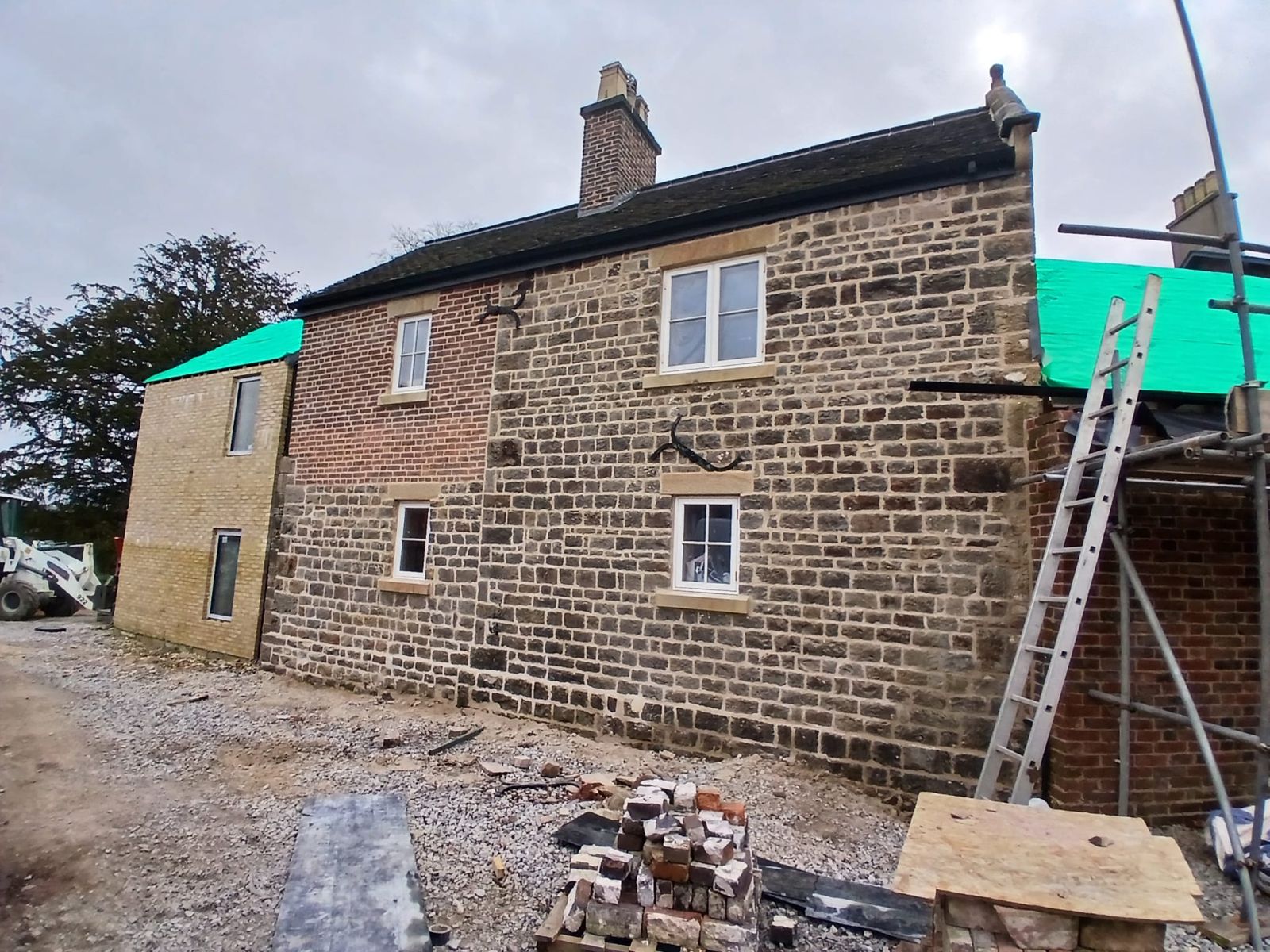
Take a look at some of the work we have completed, from the repair work and materials used through to the finished result.
Helpful reading
Explore the relevant detailed guides below. They support, rather than replace, an assessment of the individual building.
For the wider picture, start with the homeowner’s repointing overview covering condition, materials, safe access and repair planning.
Property maintenance guide8 minute read

Heritage property guide10 minute read
Brick repair FAQs
These answers explain the assessment-led approach. The cause, material and condition of every individual wall still need to be considered before a repair route is agreed.
A cracked face, loose brick, deep spalling, failed earlier patch or material that is no longer sound can all justify a closer look. The surrounding mortar, brick courses, water exposure and reason for deterioration matter too, so replacement should follow the condition of the wall rather than a close-up image alone.
A repair considers the original size, colour range, texture, bond, weathering and mortar finish. The right candidate is chosen around the full elevation rather than one isolated brick. Exact matching can be affected by age, availability and weathering, so it is discussed honestly as part of the proposed repair scope.
It can, where the joints around the repair also need attention. Sound mortar is not removed simply because nearby brickwork is being repaired. The scope should explain whether a local joint finish, more extensive repointing or a separate mortar discussion is appropriate.
Damaged or poorly patched brickwork can make an exposed wall more vulnerable to rain, but damp has several possible causes. Gutters, drains, ground levels, flashings, mortar condition and ventilation can all be relevant, so the water source should be considered instead of treating a visible brick as the whole problem.
Weathering, repeated saturation and frost, unsuitable earlier repairs, hard or incompatible mortar, surface coatings, impact and movement can all affect brick faces. The cause may be more important than the visible mark, especially if the area has changed quickly or has already been repaired before.
No. An older brick can be weathered without being beyond repair. Where the fabric remains sound, retaining it may be more appropriate than removing it. The condition, depth of damage, joint condition and role of the brick in the wall all shape that decision.
Where cracks are changing, masonry is bulging, leaning, displaced or apparently unstable, or an opening detail is involved, a structural professional may need to advise before a masonry repair is planned. If loose material creates an immediate safety risk, keep clear of the area and seek suitable urgent help.
Please include a wide view of the wall and closer images of the affected bricks, along with a note of the property location, height, access and any change you have noticed. Information about overflowing gutters, damp marks, earlier repairs, listed-building context or related pointing will help make the first conversation more useful.
Call 01625 920 888, or for the fastest way to get a quotation, click Get a quotation and fill in your details.