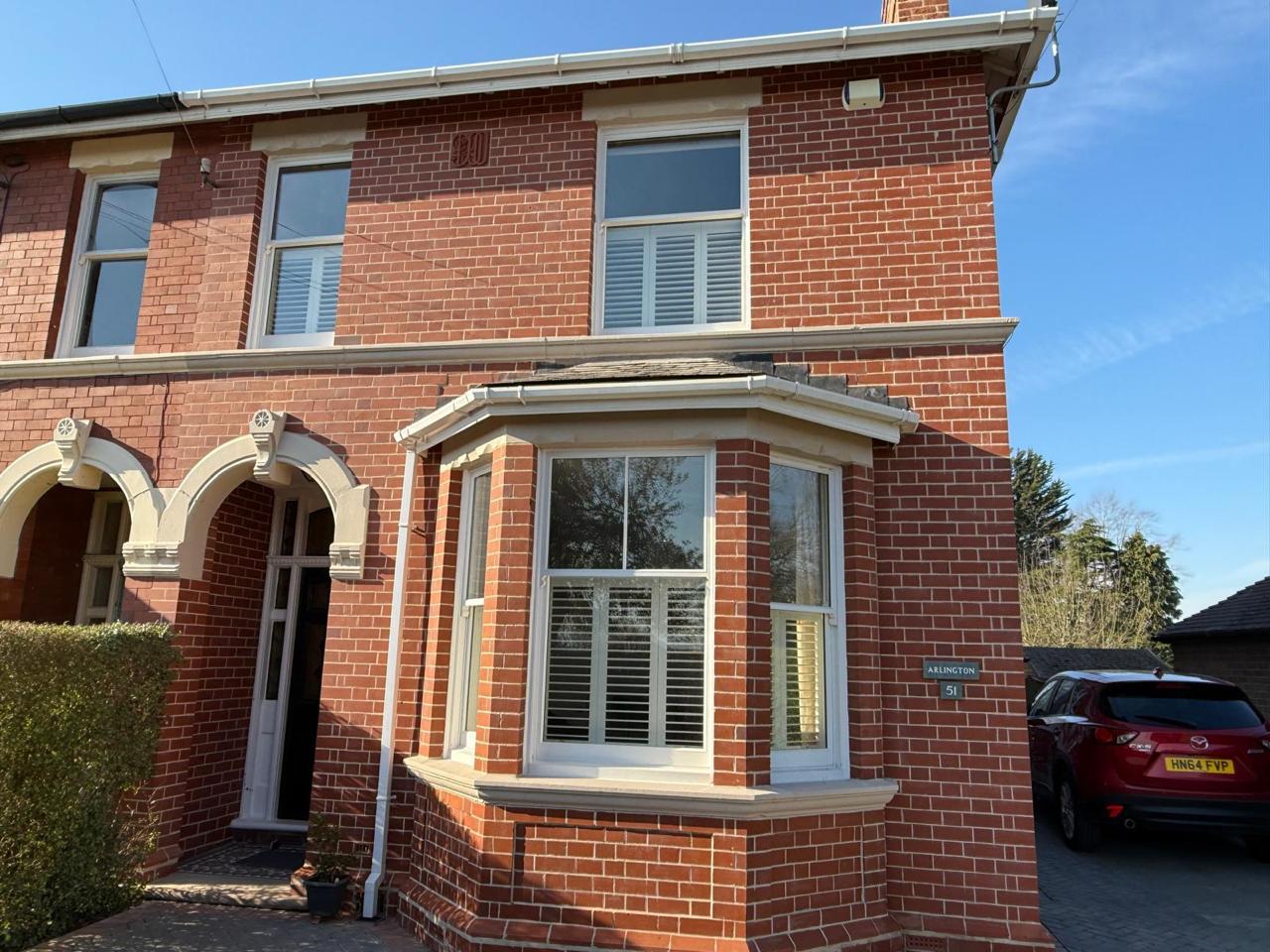
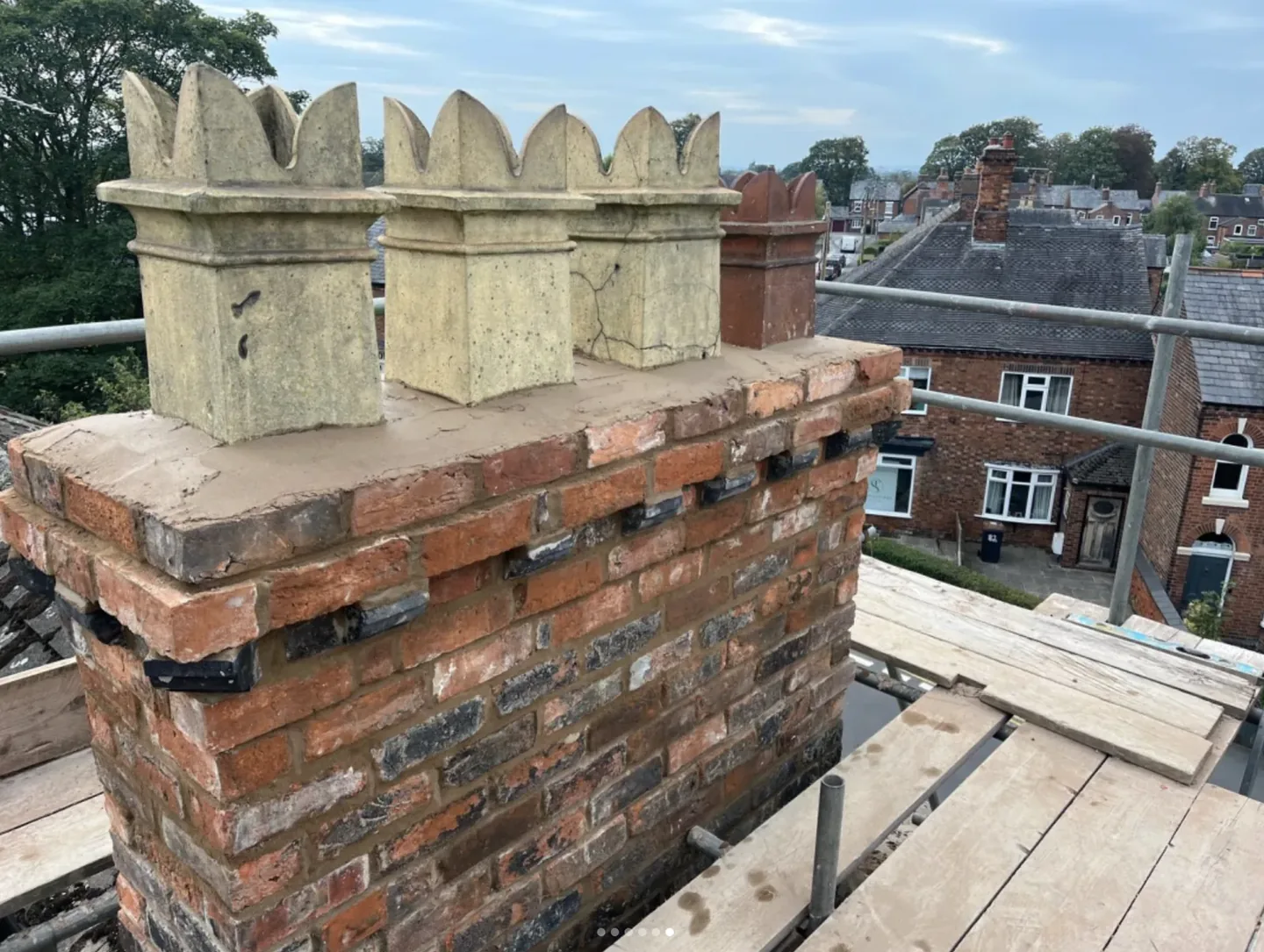
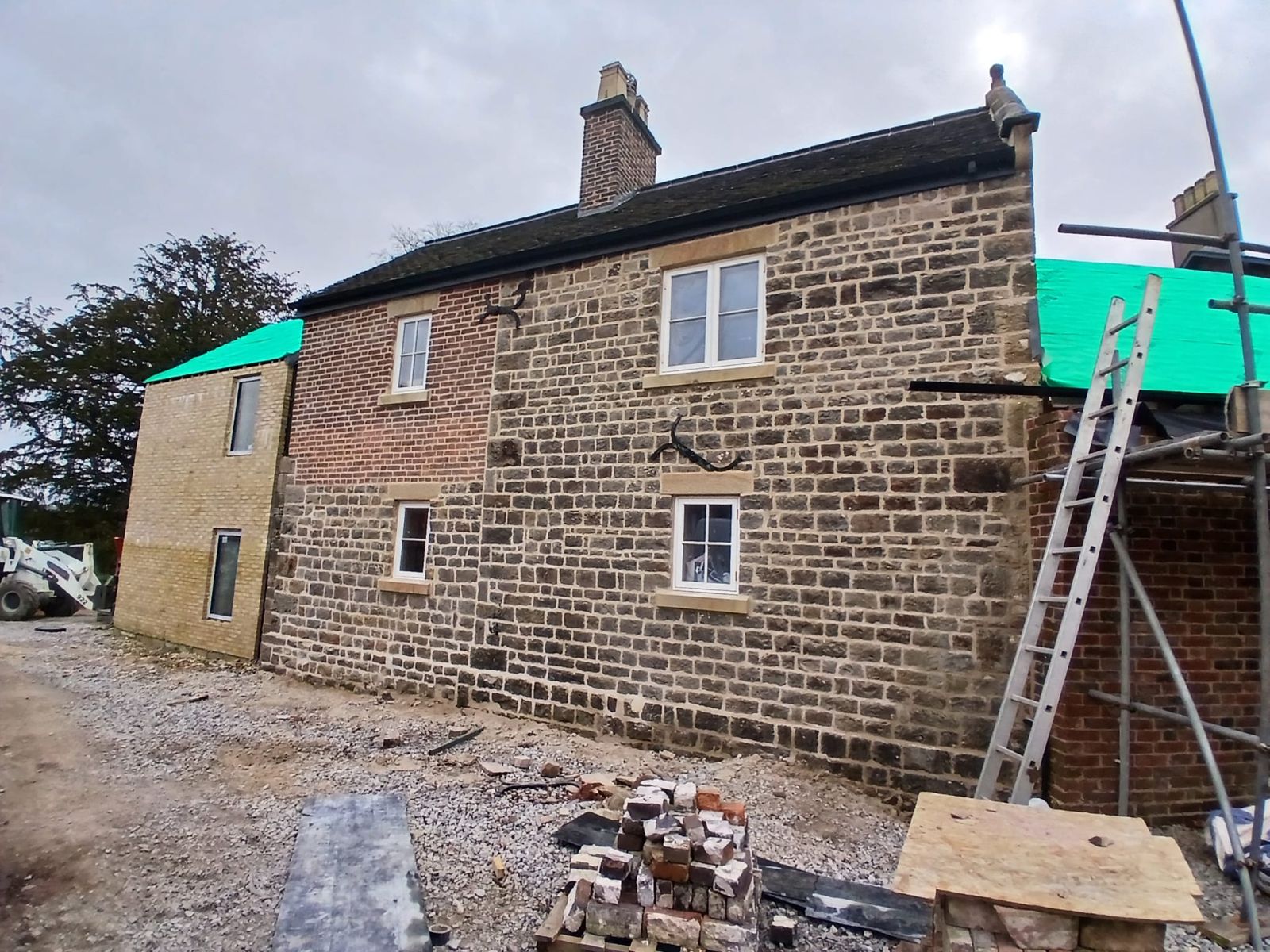
Storm or impact damage
A sudden event can leave loose, damaged or exposed brickwork, mortar, masonry details or chimney areas that need a careful repair conversation once the property is safe.
Staffordshire Pointing is part of the Cheshire Pointing Group Limited, (established 2003).
Insurance repair services
When an event has affected exterior masonry, a clear view of the visible condition and a carefully defined repair scope can make the next conversation with your insurer more practical. Cover and approval remain decisions for the policyholder and insurer.
A clear starting point
Staffordshire Pointing can discuss accessible damage to brickwork, mortar joints, chimneys and other exterior masonry in Staffordshire, then provide a quotation for an agreed repair scope. Safe photographs, the property address and any insurer requirements help explain the repair need. The quotation does not establish cause, diagnose structural movement or confirm cover. The policyholder and insurer retain responsibility for claim decisions and authority to proceed.
A considered service
Storm, impact or water-related events can leave brickwork, mortar joints, chimneys, openings and local masonry details exposed or damaged. Starting with the accessible condition, its position on the property and a safe photographic record gives the repair conversation a much clearer foundation.
Staffordshire Pointing can discuss suitable masonry work and provide a quotation for an agreed repair scope. We do not interpret policy cover, establish the cause of damage or approve a claim; those questions remain with the policyholder, insurer and any separately appointed specialist.
Discuss your property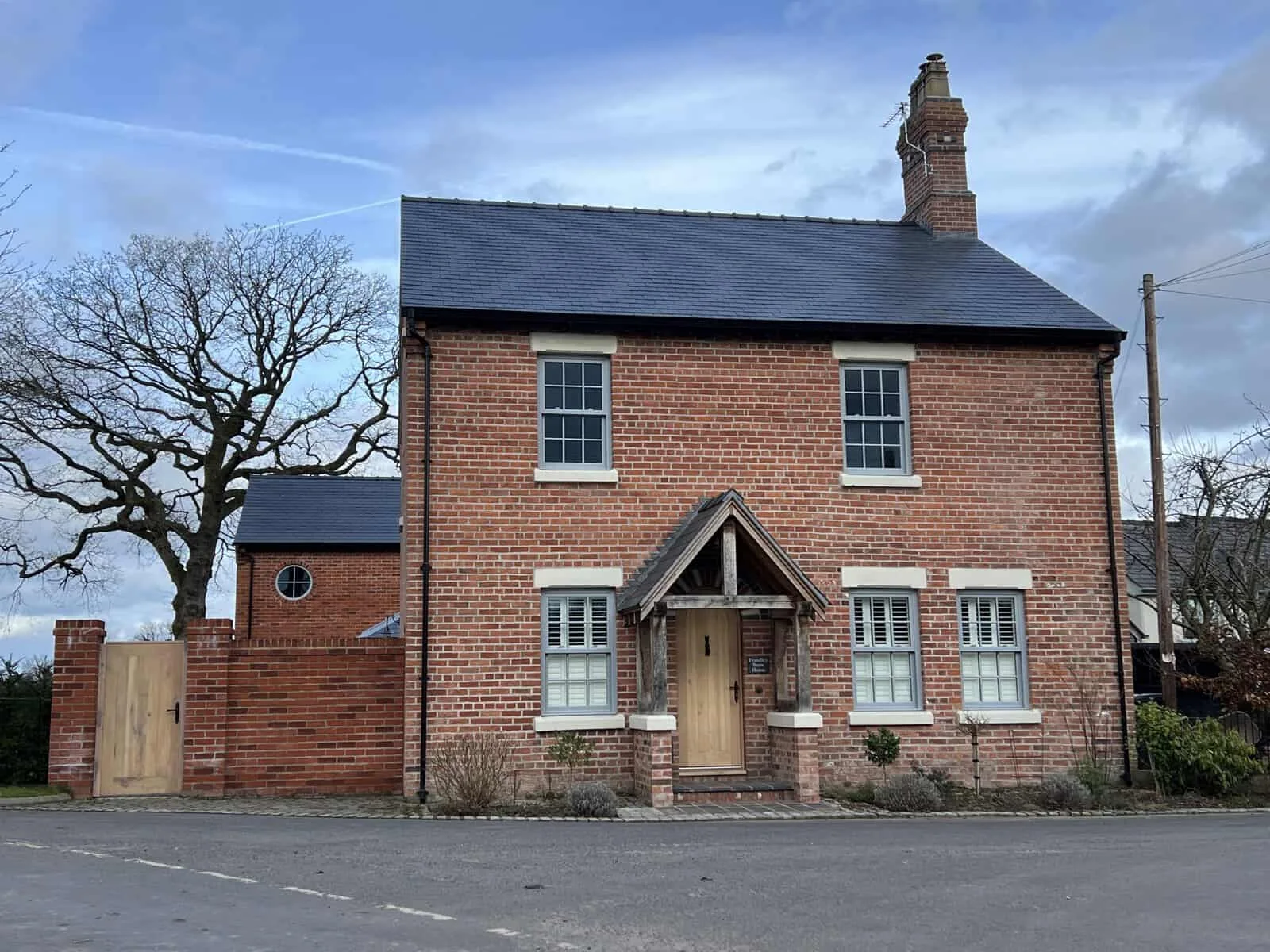
A repair conversation with clear boundaries
Property damage can create urgent practical questions, especially when brickwork, mortar, a chimney or an opening has been exposed to the weather. A masonry repair discussion is most useful when it records what can be safely seen, where it is on the property and what protection or access may be needed.
That is different from deciding the cause of the damage, interpreting cover or approving a claim. Staffordshire Pointing can help define suitable brickwork repair work, while the policyholder and insurer remain responsible for the claim route and authority to proceed.
Discuss a masonry repair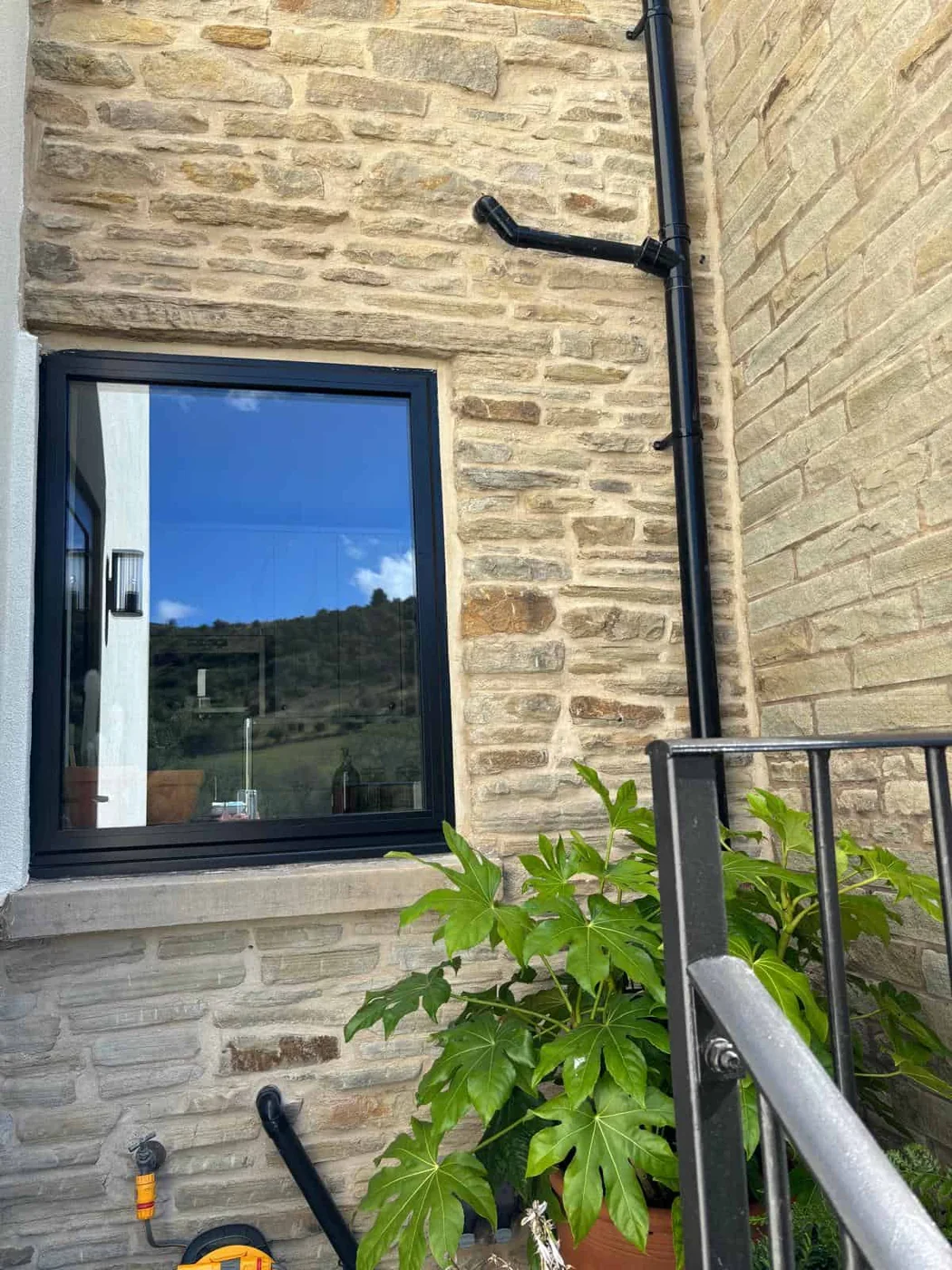
Start with the event and the wall
The aim is not to label every problem as a claim. It is to define the visible repair question, the useful record to keep and the points that may need different advice before masonry work is planned.
A sudden event can leave loose, damaged or exposed brickwork, mortar, masonry details or chimney areas that need a careful repair conversation once the property is safe.
A leak, overflow or escape of water can affect exterior masonry in ways that need the visible condition, water route and repair need considered separately.
A policyholder may be asked to obtain a masonry quotation or explain a visible repair need. A clear scope can help that conversation without deciding what the policy covers.
Cracking, movement, recurring water entry or unsafe masonry can need another type of professional advice before a repair scope is defined or work is planned.
A useful first record
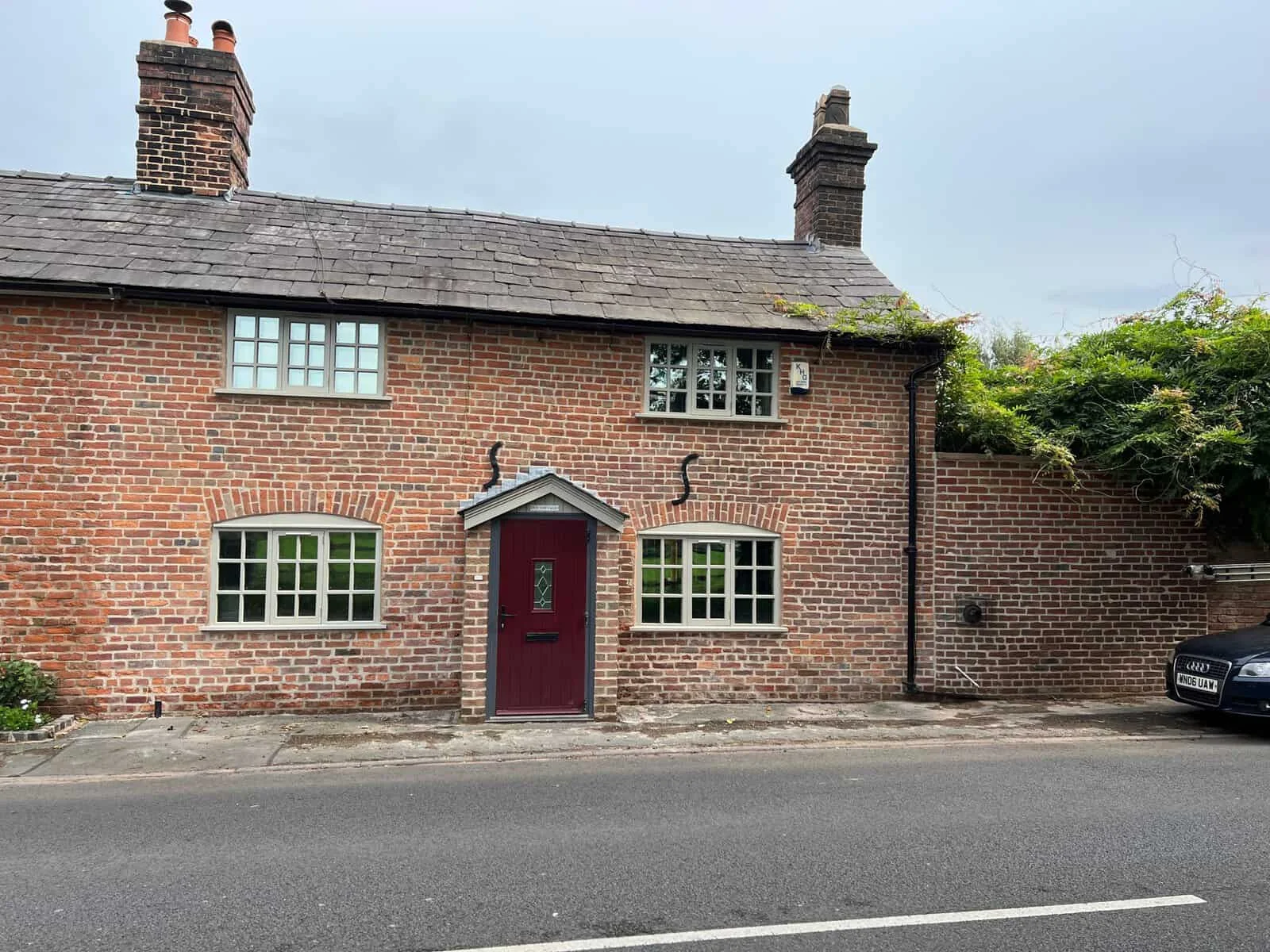
Wide views and safe close photographs can help identify the accessible masonry that needs discussion. They do not establish policy cover, prove the cause of damage or replace a specialist assessment where the condition points beyond a local repair.
A scope that separates the questions
A defined scope makes it easier to explain which masonry work is being considered, what practical work it involves and which decisions are still outside a contractor's quotation.
The repair discussion records the accessible brickwork, mortar, opening, chimney or other masonry features that appear affected, together with their wider context.
Local brick repair, repointing, compatible mortar, cleaning, access arrangements or protection may be relevant, but each element is separated rather than assumed from a single photograph.
Policy cover, cause, hidden damage, structural movement, building safety and insurer authorisation remain distinct questions for the appropriate party or professional.
The owner, insurer and any appointed representative decide the claim route. Repair work is only planned around the agreed scope, access and authority for the property.
A careful sequence
This is a practical framework for a property repair conversation. It is not claims, legal or structural advice, and it should not delay action where a building or person may be at risk.
If there is an immediate risk, unsafe structure or active water issue, follow the appropriate emergency or insurer guidance first. Avoid moving or discarding material unless it is necessary and safe to do so.
Where safe, wide and close photographs, dates, claim details and notes about the event can give the masonry repair discussion a clearer starting point.
The accessible condition, materials, affected elevation and access requirements can be translated into a clear repair quotation or a recommendation for different advice first.
The policyholder and insurer remain responsible for cover and authorisation. Once the route is agreed, repair sequencing can be discussed around the property and scope.
Important limits
These boundaries help keep an insurance-related masonry enquiry honest, proportionate and directed to the right party.
Plan your enquiry
Tell us what you can safely see and what you need from the masonry discussion. Include only the information you are comfortable sharing; an initial repair conversation does not require personal policy documents.
Our projects
Take a look at some of the work we have completed, from the repair work and materials used through to the finished result.
Helpful reading
Explore the relevant detailed guides below. They support, rather than replace, an assessment of the individual building.
For the wider picture, start with the homeowner’s repointing overview covering condition, materials, safe access and repair planning.
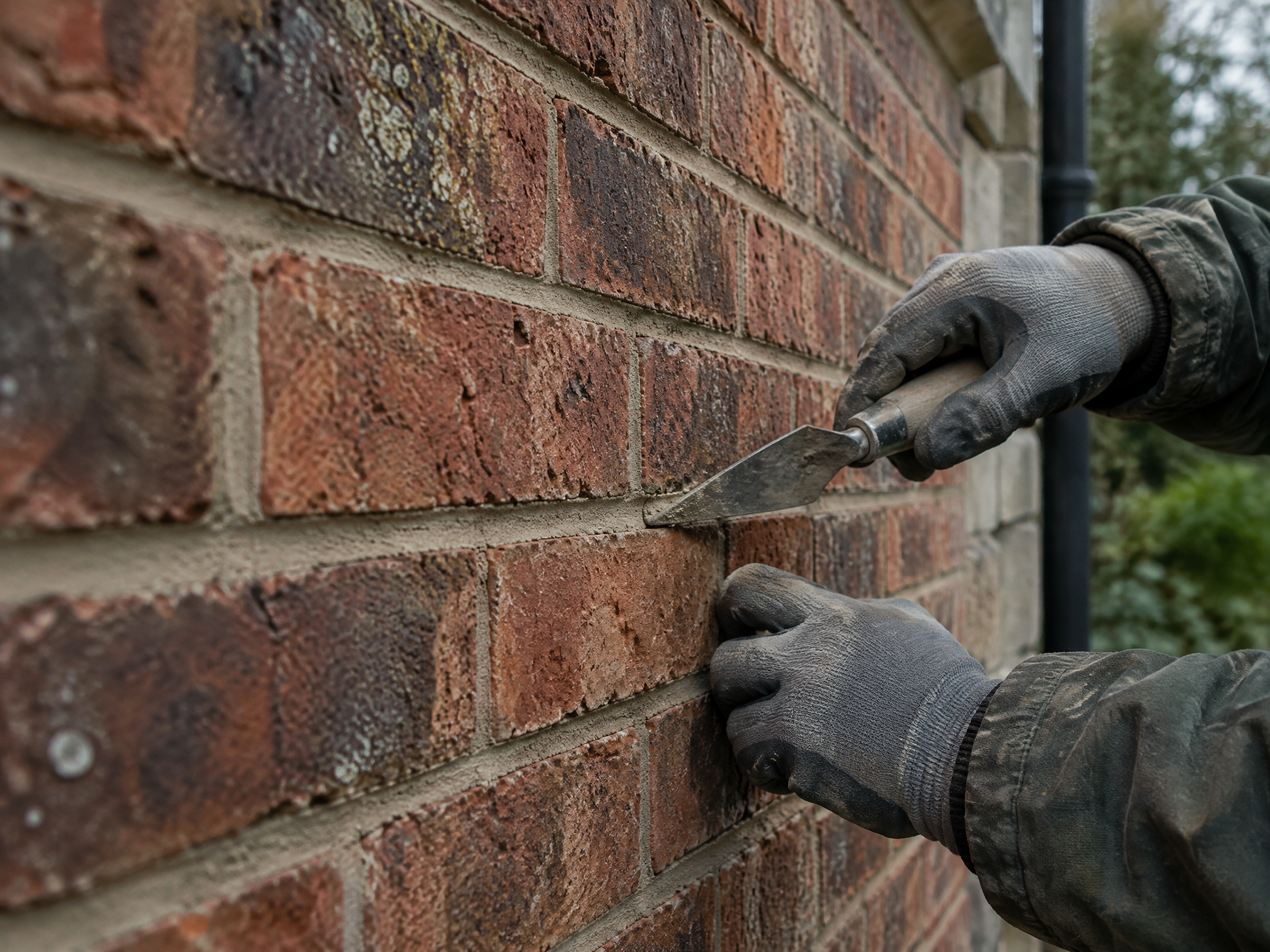
Property maintenance guide8 minute read
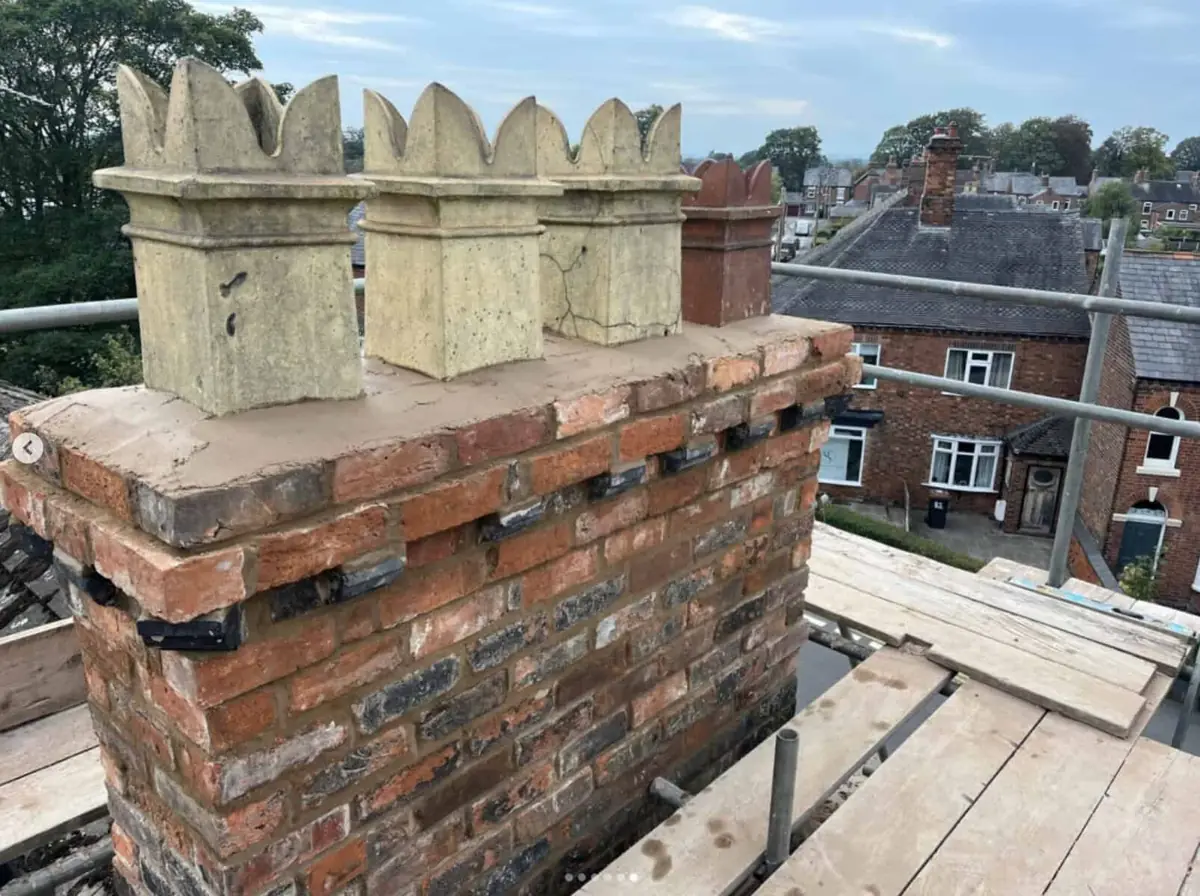
Chimney repair planning guide10 minute read
Insurance-related repairs
Share the property address, visible damage and safe photographs. You may include a claim reference or insurer requirements if useful. We can discuss the masonry repair work; cover and approval remain with you and your insurer.
FAQs
Every property has its own material, condition and access considerations. These answers explain the points we would normally discuss before a scope is agreed.
We do not decide whether a policy accepts a contractor, covers a loss or approves a repair. We can discuss visible masonry repair work and provide a clear quotation. The policyholder and insurer should confirm their own requirements before work is authorised.
No. Cover depends on the policy wording, the circumstances of the event and the insurer's decision. A masonry repair scope can describe the visible work being discussed, but it is not a policy interpretation or claim decision.
If it is safe, take wide and close photographs, keep relevant notes and follow your insurer's guidance. If temporary work is needed to stop damage worsening, contact the insurer first where practical and retain any relevant receipts or records.
With the policyholder's authority, a masonry quotation or agreed repair information can be shared with the relevant contact. The insurer and policyholder remain responsible for the claim, approval route and any decision about settlement.
No. Visible masonry can be recorded, but a repair quotation does not diagnose structural movement or subsidence. Cracking, bulging, leaning walls or fractured brickwork may need advice from a structural engineer before repair work is planned.
We can discuss the accessible masonry condition and any repair work that is visibly required. The source of water, hidden damage and whether a claim applies may need separate investigation, insurer guidance or another specialist.
It can be discussed, but older or designated buildings may need compatible materials, specialist input, sample areas or consent. Identify the building status early and obtain the relevant advice before assuming a repair route.
Timing depends on the agreed masonry scope, property access, material requirements and the authority to proceed. No work should be assumed from an initial enquiry or quotation alone.
Call 01625 920 888, or for the fastest way to get a quotation, click Get a quotation and fill in your details.