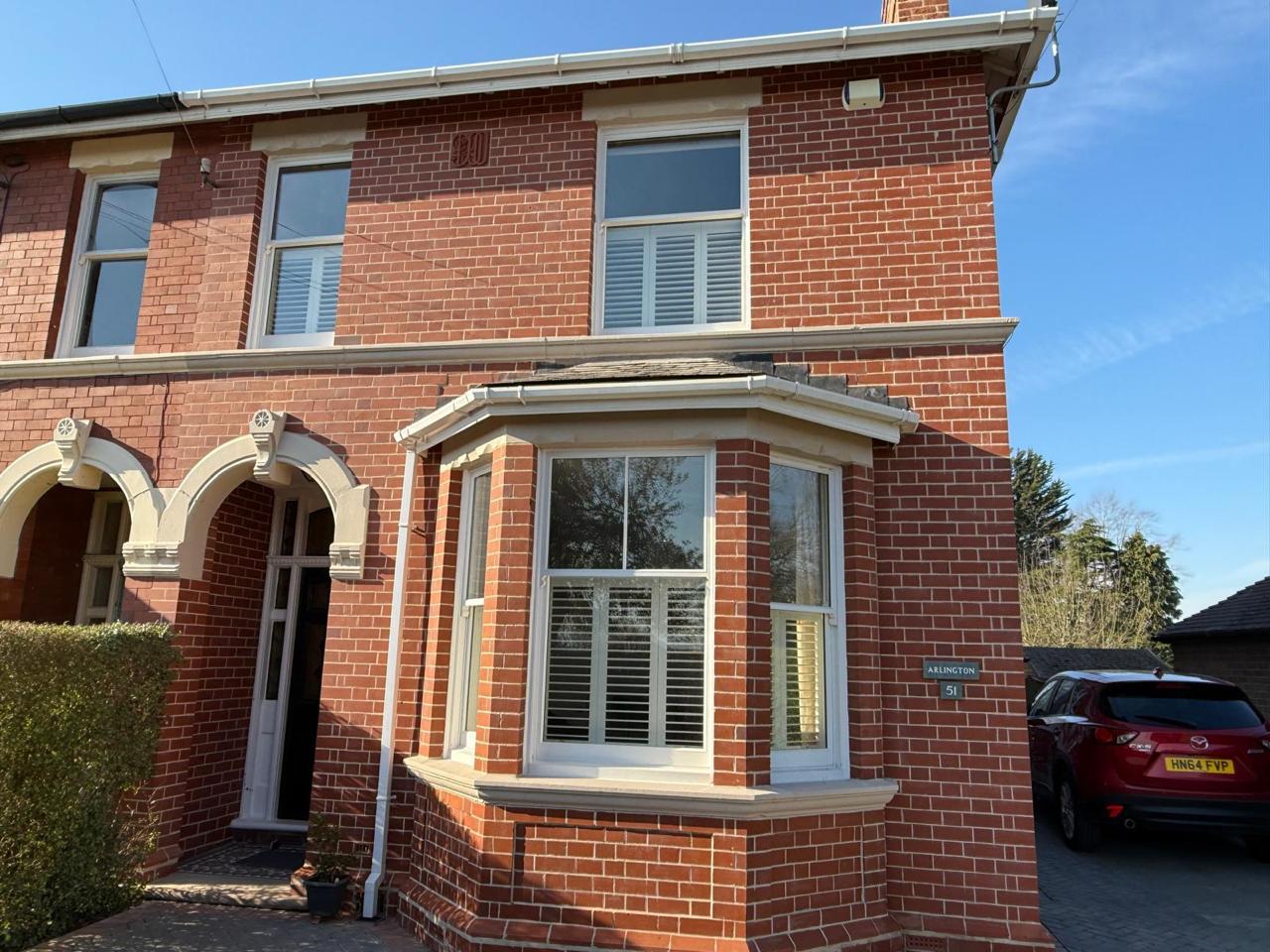
Repair before colour work
Loose, cracked, spalled or poorly patched bricks and failing mortar need the right repair first. Tinting is considered only once the masonry is sound.
Staffordshire Pointing is part of the Cheshire Pointing Group Limited, (established 2003).
Brick tinting
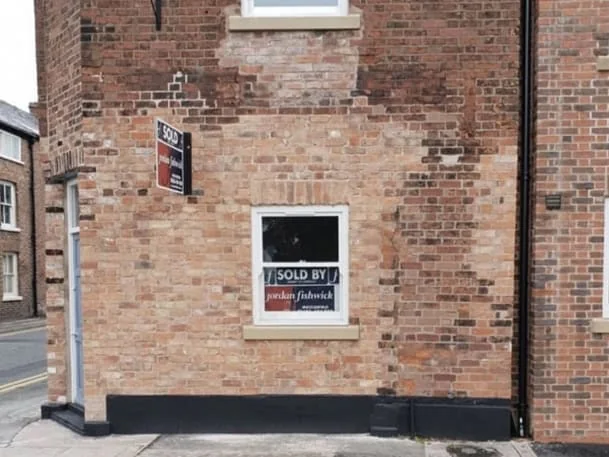
Where a sound repair, infill or replacement brick looks too separate from the wall around it, a local colour adjustment can help the masonry sit more naturally within the elevation.
A clear starting point
Brick tinting is a controlled local colour adjustment that can help sound repairs, infills or replacement bricks blend with surrounding brickwork. It is not an opaque paint finish or a repair for damaged masonry. Suitability depends on brick condition, texture, mortar and the elevation’s natural colour variation. Repairs come first, followed by preparation and a small test area reviewed against the actual wall and daylight.
A considered service
A technically sound repair can still catch the eye when its colour or tone is far removed from the established brickwork. Brick tinting is a controlled, local option that can be discussed for suitable individual bricks or small repair areas.
The condition of the wall comes first. Preparation, a practical test area and the character of the existing brickwork all matter. The aim is to reduce an obvious contrast while keeping the brick face and its natural variation visible.
Discuss your property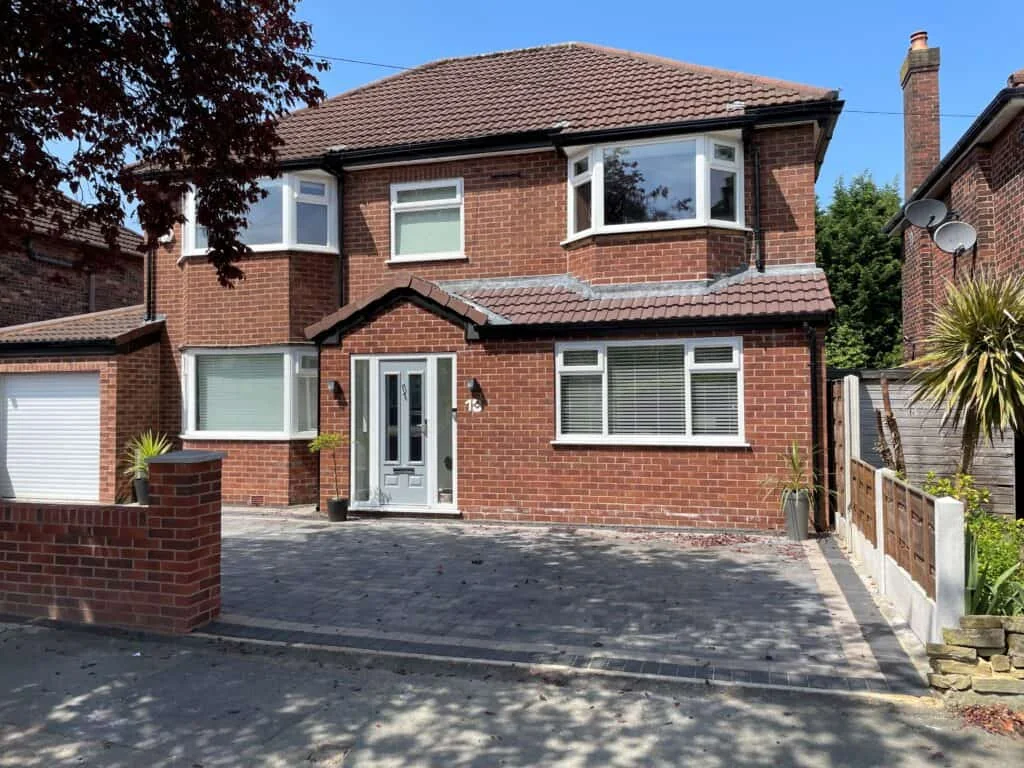
Colour in context
Brick tinting is a precise finishing option for suitable, sound masonry. The work begins with the character already present in the elevation — its brick faces, mortar, weathering and natural changes in tone.
Loose, cracked, spalled or poorly patched bricks and failing mortar need the right repair first. Tinting is considered only once the masonry is sound.
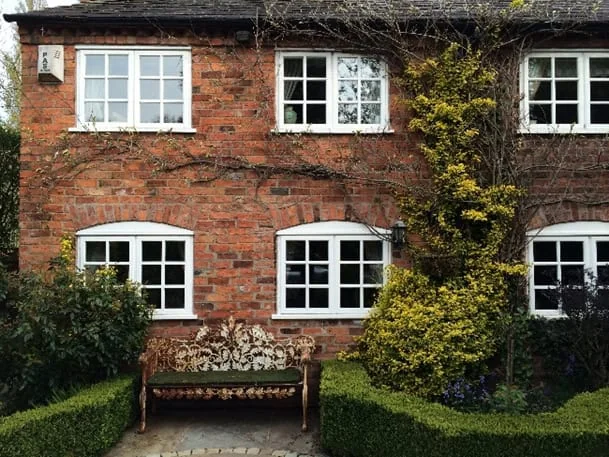
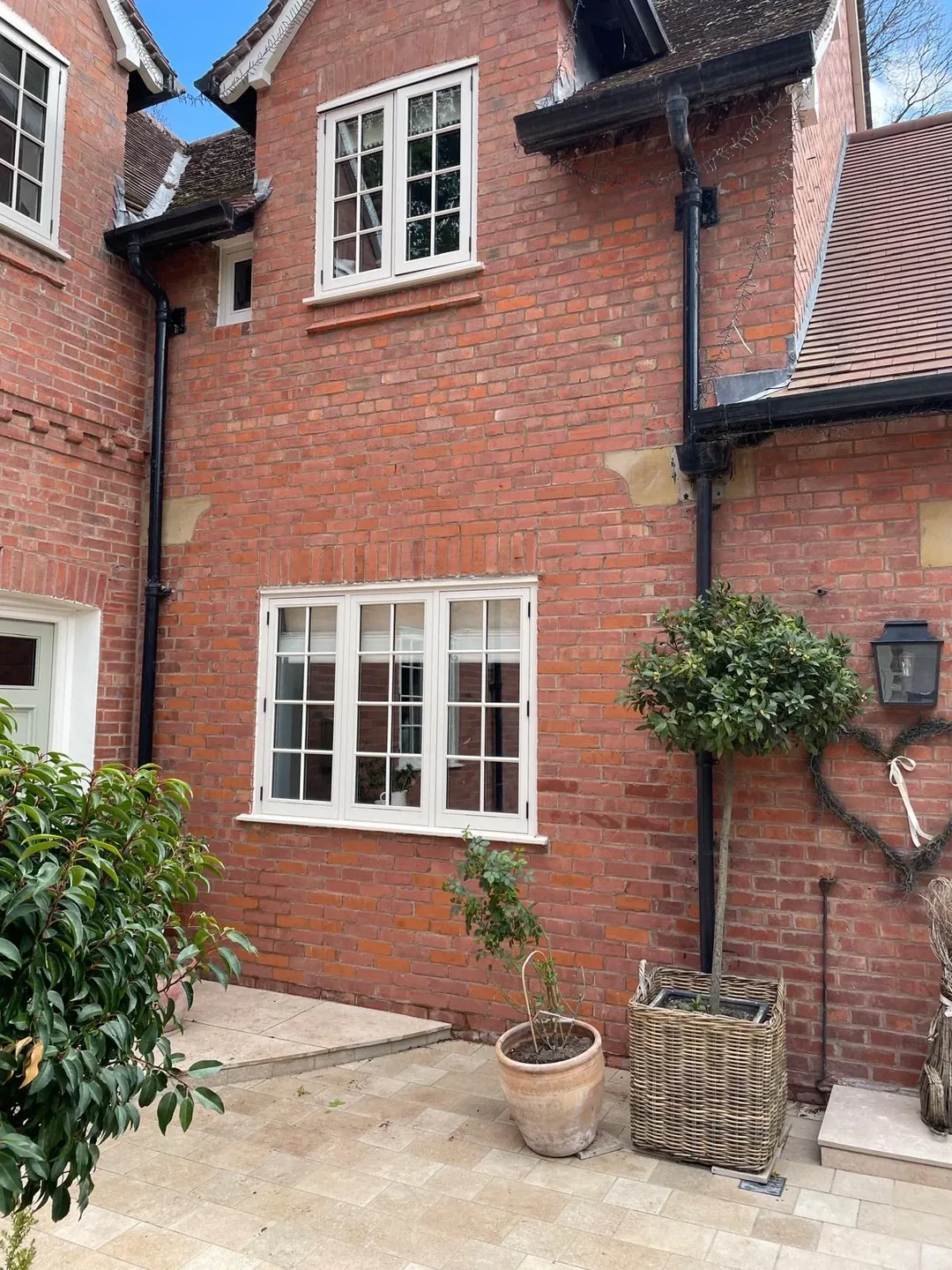
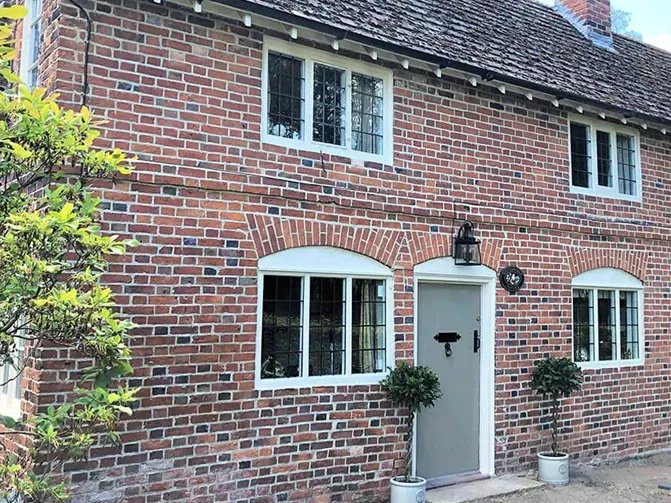
Older elevations rarely have one flat brick colour. Firing, weathering and earlier repairs create a range that should guide any local adjustment.
A small test area helps judge the effect against the wall, its mortar and changing daylight before a wider finish is planned.
The aim is to settle an obvious contrast while retaining the texture, character and natural differences that make the original wall believable.
Not a paint finish
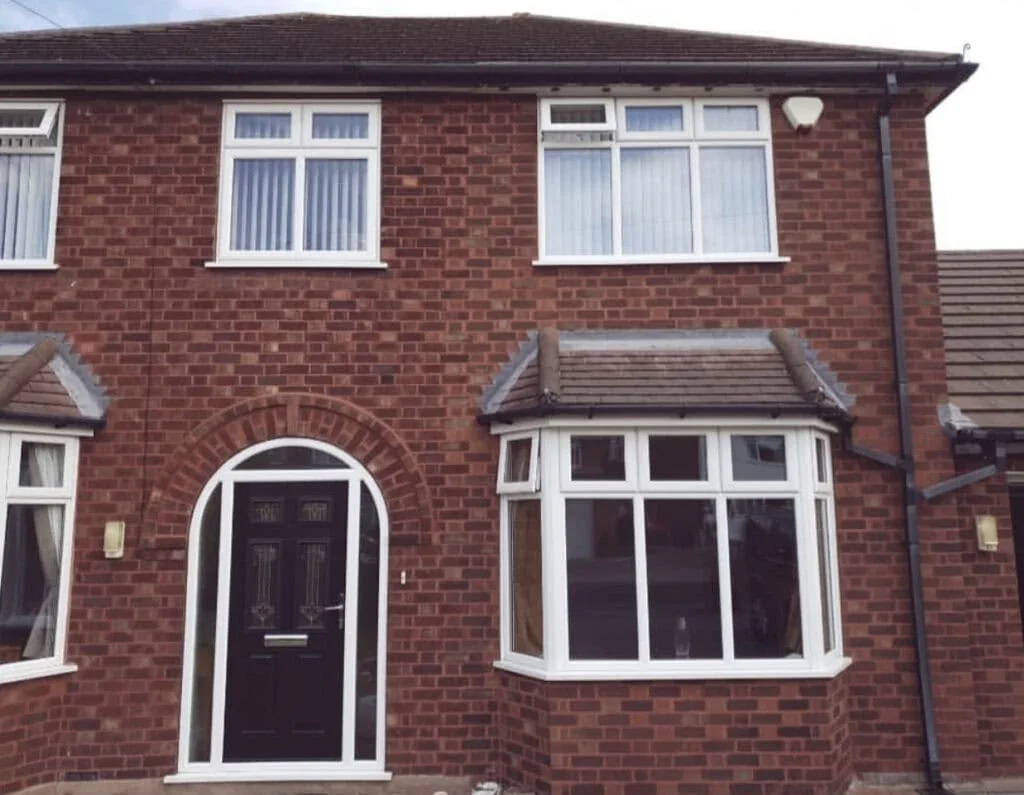
A colour adjustment should not disguise a poor repair or leave an opaque layer across the masonry. If tinting is suitable, the approach is kept local and considered alongside the real brick surface, its surrounding mortar and the way the wall looks in daylight.
The goal is not a flat, newly coloured elevation. It is to help a visible repair, infill or replacement brick sit more quietly with the variation that already gives the property its character.
Discuss brick tintingA controlled sequence
The right route stays focused on the masonry in front of us. That keeps repair decisions, colour testing and the final finish connected to the condition of the wall.
We look at the affected bricks in relation to the full wall, including surrounding mortar, face texture, staining and the variation that is already present.
If tinting is suitable, preparation and a local sample allow the colour direction to be reviewed before the approach is carried across the visible repair area.
The final work is kept focused on the individual bricks or small repair areas that need it, then checked again within the wider elevation.
Look closer
Use the slider to see how a clearly contrasting repair area can be reduced without losing the texture of the individual bricks. A site-specific test remains the sensible starting point for any property.
Make the first enquiry useful
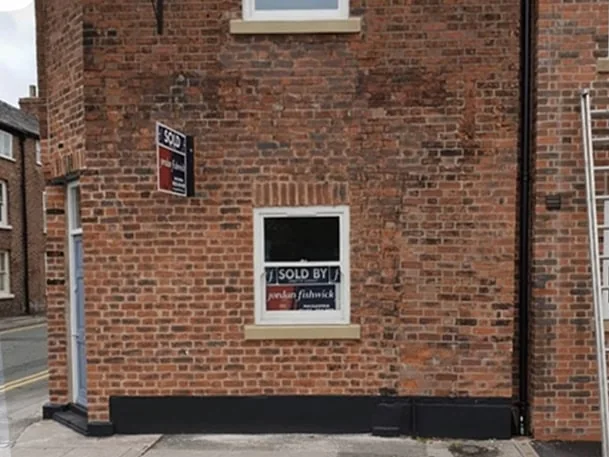
Wide and close photographs make it easier to understand the brickwork, the contrast you are seeing and whether any repair work should be considered before a local colour adjustment. They are a useful foundation for the first conversation.
Look closer
Use the slider to compare a visually contrasting repair area with a completed local adjustment. The right result depends on the condition, preparation and natural variation of the particular wall.
Our projects
Take a look at some of the work we have completed, from the repair work and materials used through to the finished result.
Helpful reading
Explore the relevant detailed guides below. They support, rather than replace, an assessment of the individual building.
For the wider picture, start with the homeowner’s repointing overview covering condition, materials, safe access and repair planning.
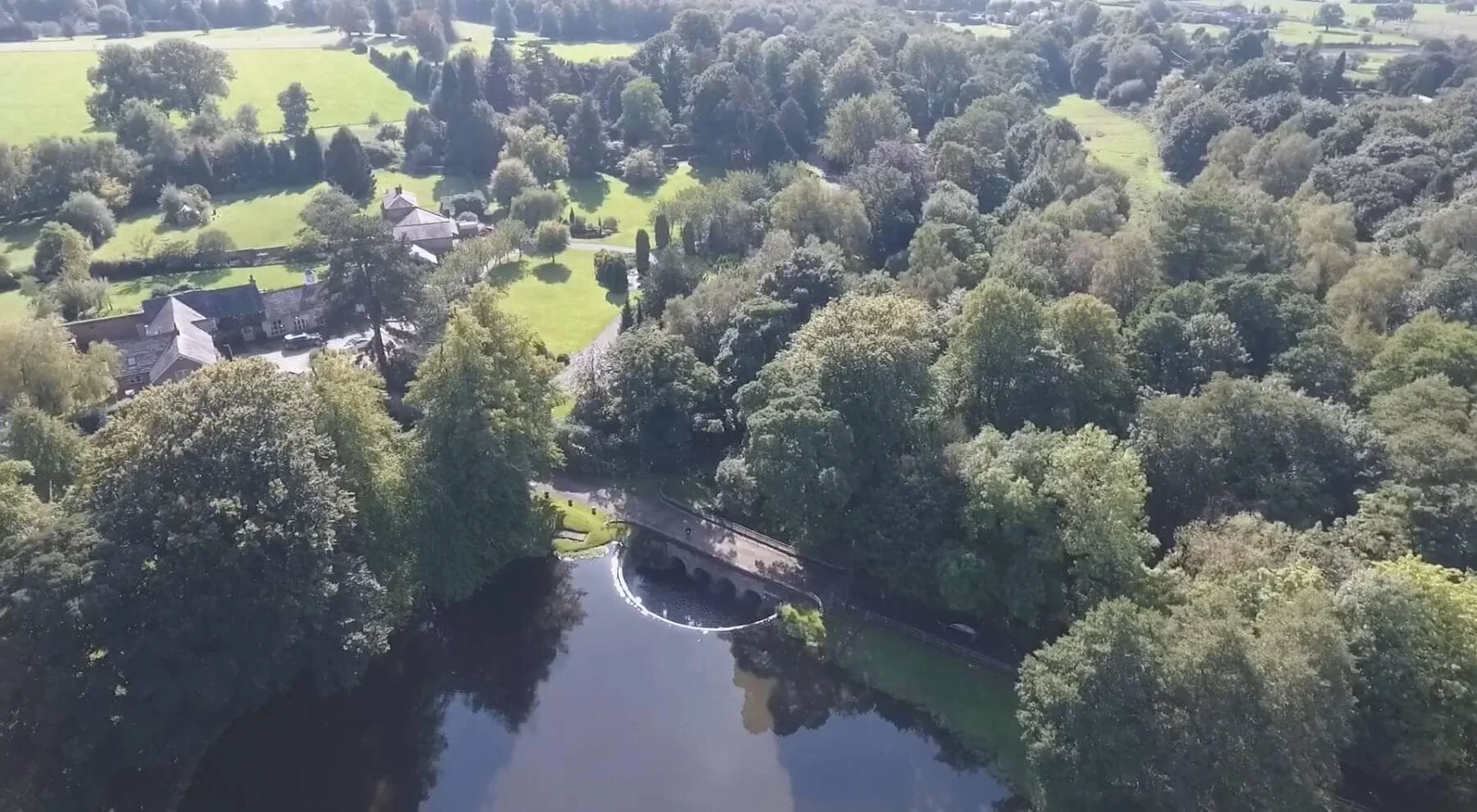
Heritage property guide10 minute read
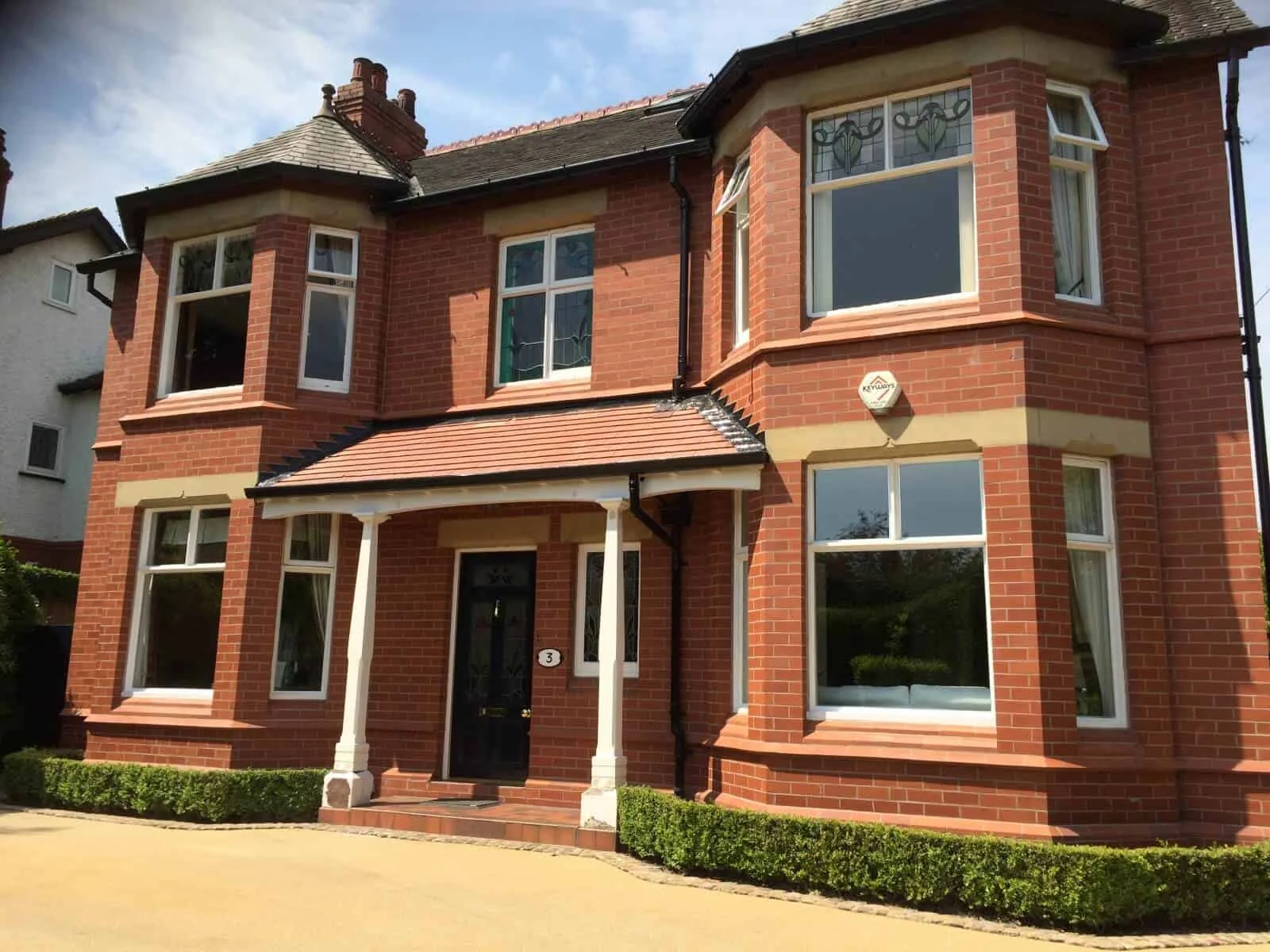
Brickwork care guide10 minute read
FAQs
Every property has its own material, condition and access considerations. These answers explain the points we would normally discuss before a scope is agreed.
Brick tinting is a controlled local colour adjustment for suitable masonry. It can be considered where sound repair areas or replacement bricks look too separate from the surrounding wall.
No. A tinting approach is intended to adjust the colour of suitable masonry without creating an opaque painted finish. The brick face and its texture should remain an important part of the result.
No. Damaged bricks, failed mortar and unsuitable earlier patches need to be addressed before colour work is considered. Tinting is not a substitute for a sound masonry repair.
It can be discussed where the brickwork is suitable and the visual difference is localised. Brick size, face texture, bond, mortar and the natural variation of the original wall are assessed alongside colour.
No. Every wall has its own material, weathering and colour range. A small test area helps guide a sympathetic local result rather than a promise of one uniform outcome.
Yes. A test can help show how a proposed adjustment sits with the actual brick, mortar and daylight before a wider scope is agreed.
Please send wide and close views: one showing the full elevation, then clear details of the contrasting repair area, adjacent bricks and surrounding mortar. Any previous repair or alteration information is useful too.
Call 01625 920 888, or for the fastest way to get a quotation, click Get a quotation and fill in your details.