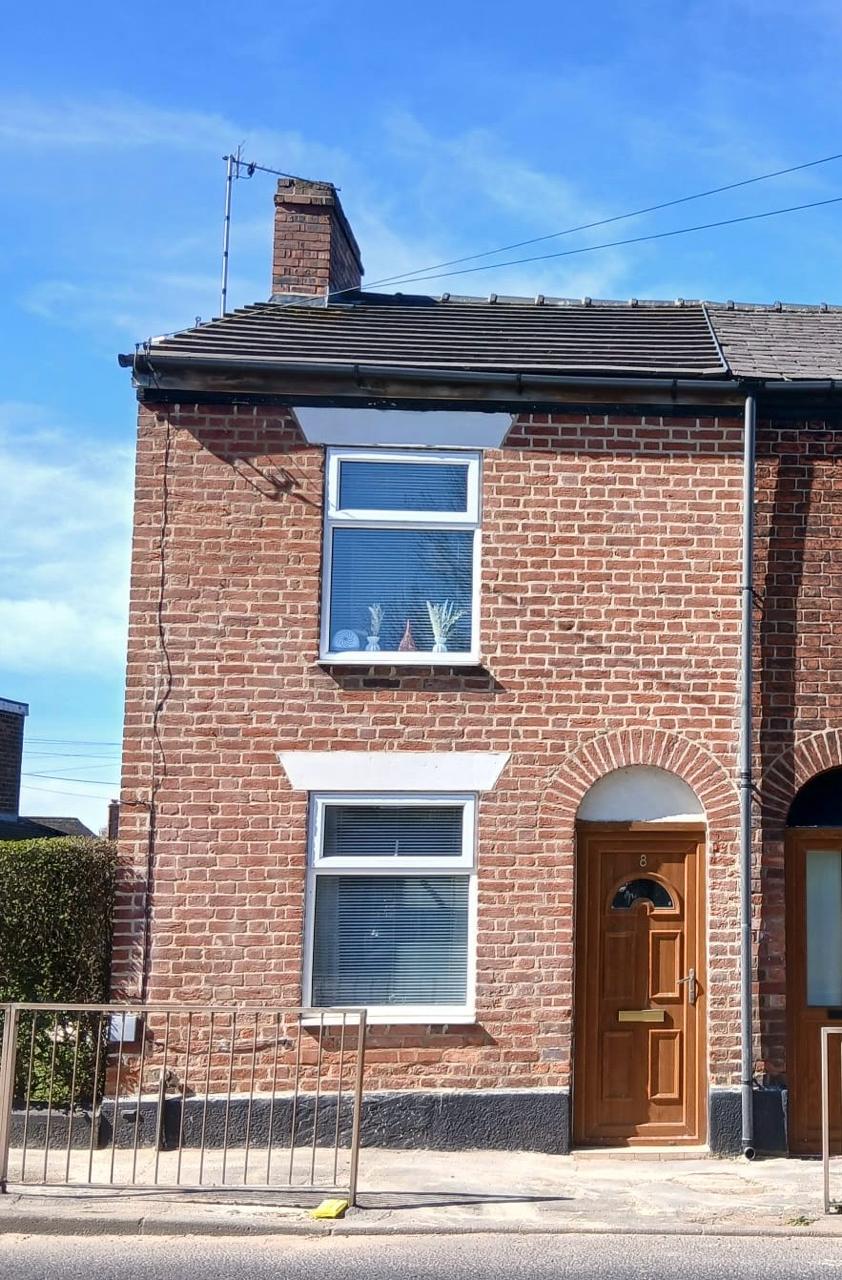
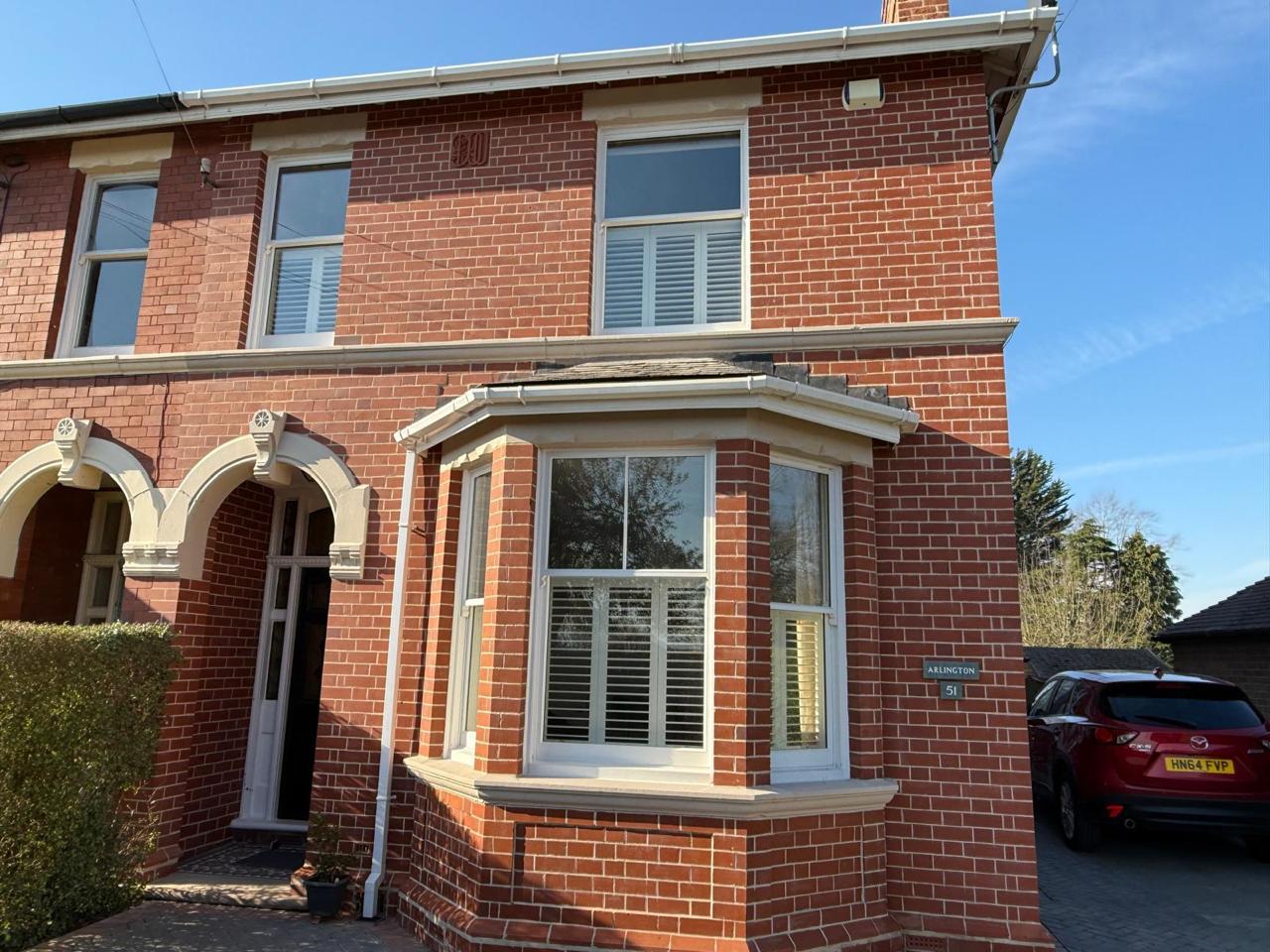
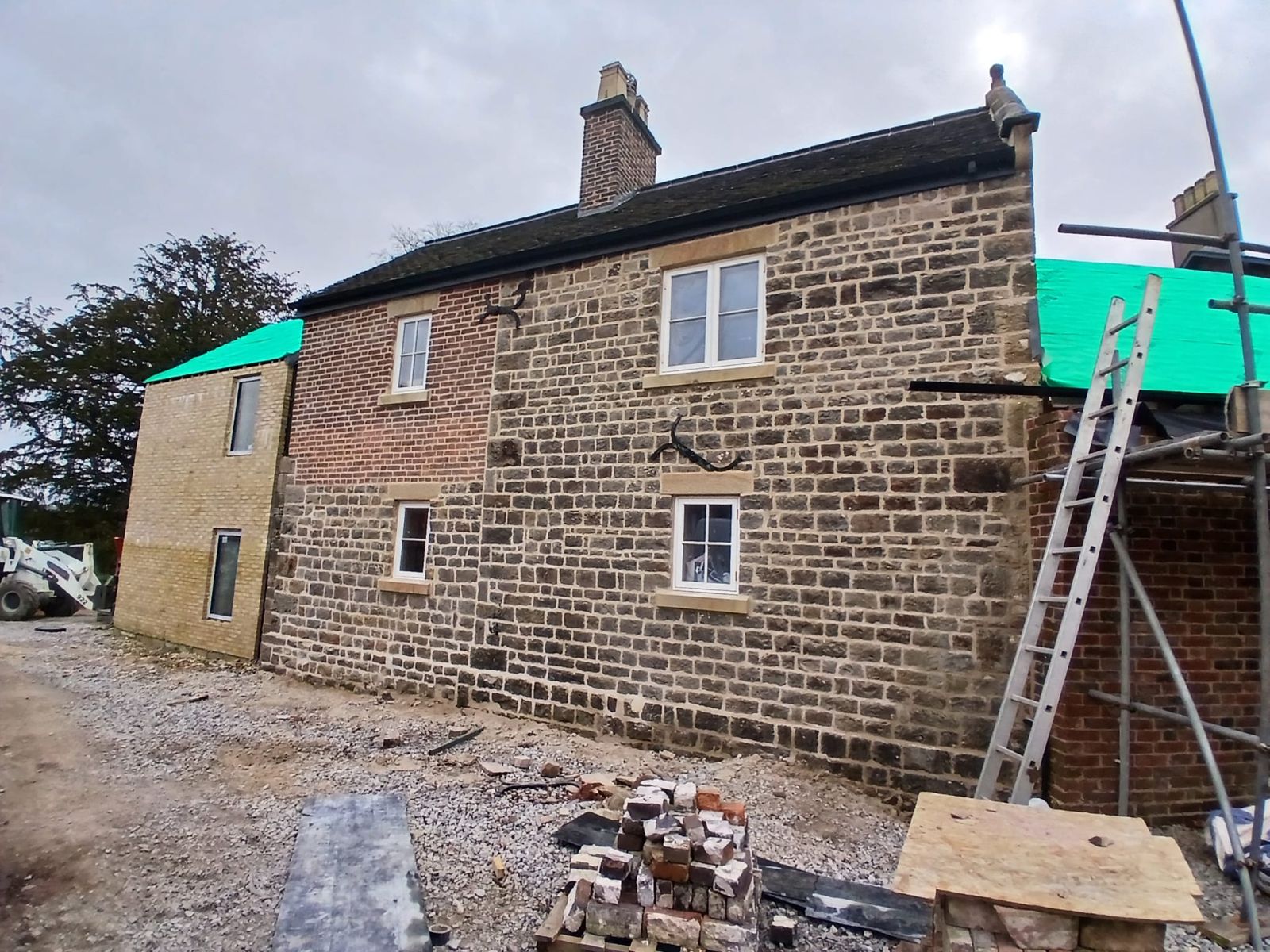
Reduce rain absorption
On suitable exposed masonry, a compatible treatment can help reduce the amount of liquid rainwater drawn into the face of the wall.
Staffordshire Pointing is part of the Cheshire Pointing Group Limited, (established 2003).
Rain repellent
Some porous brick and stone elevations may benefit from a breathable water-repellent treatment once their condition, mortar joints and causes of moisture entry have been assessed.
A clear starting point
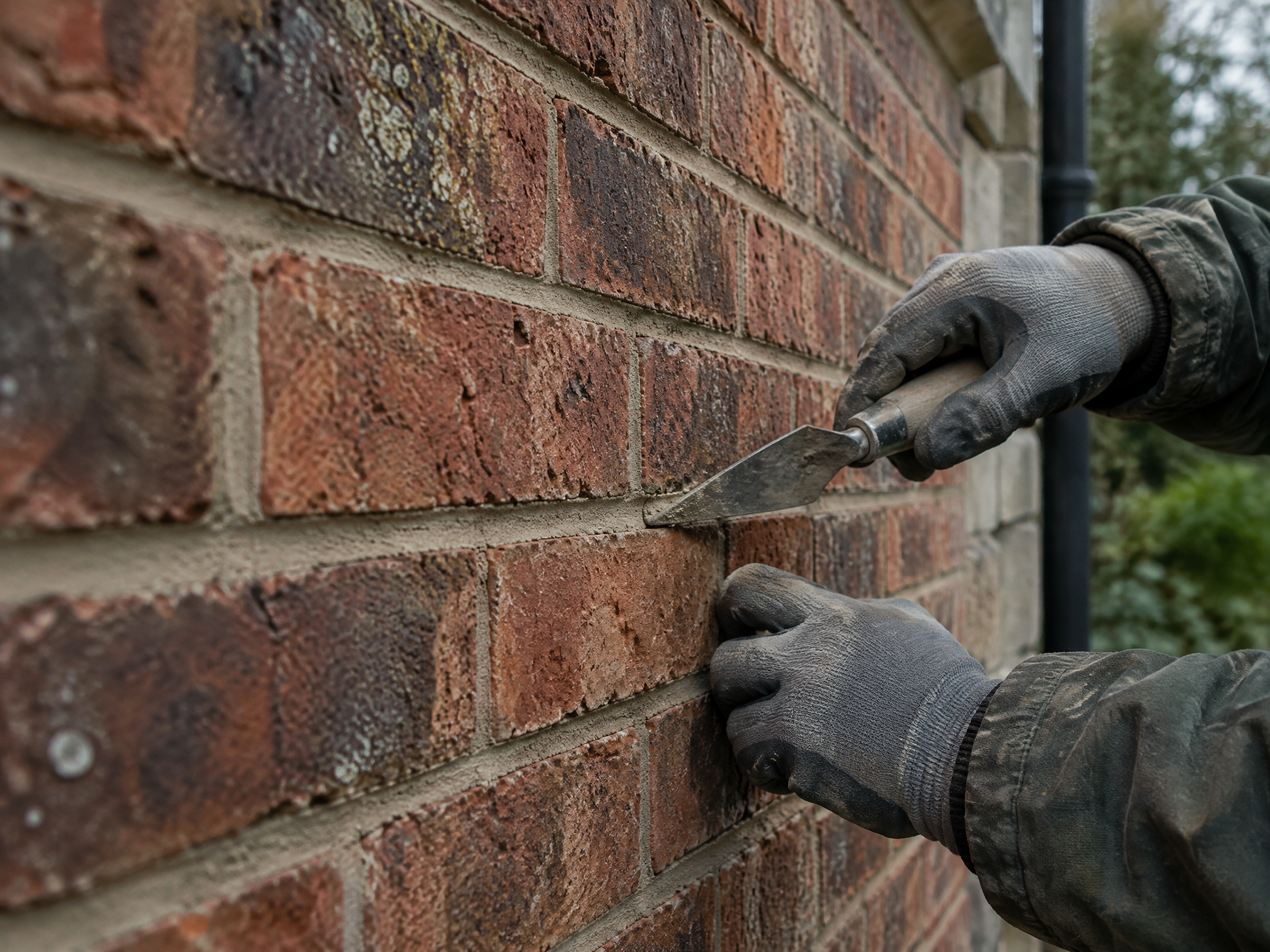
A breathable rain-repellent treatment may be appropriate for suitable porous brick or stone once the wall's condition and moisture routes have been assessed. The aim is to reduce liquid rainwater absorption while allowing water vapour to move through the masonry. Defective pointing, cracked bricks, failed flashings and rainwater goods need attention first. Existing coatings, wall construction and exposure can make treatment unsuitable; it is not a cure for every damp problem.
Explore the Staffordshire repointing guideA considered service
A water-repellent treatment is not a substitute for repairing defective mortar, cracked bricks, failed flashings or another obvious source of water entry. The first step is to understand the construction, condition and exposure of the elevation.
Where a treatment is appropriate for suitable porous masonry, the aim is to reduce rainwater absorption while retaining the wall's ability to release water vapour. Preparation and compatibility matter as much as the product itself.
Discuss your property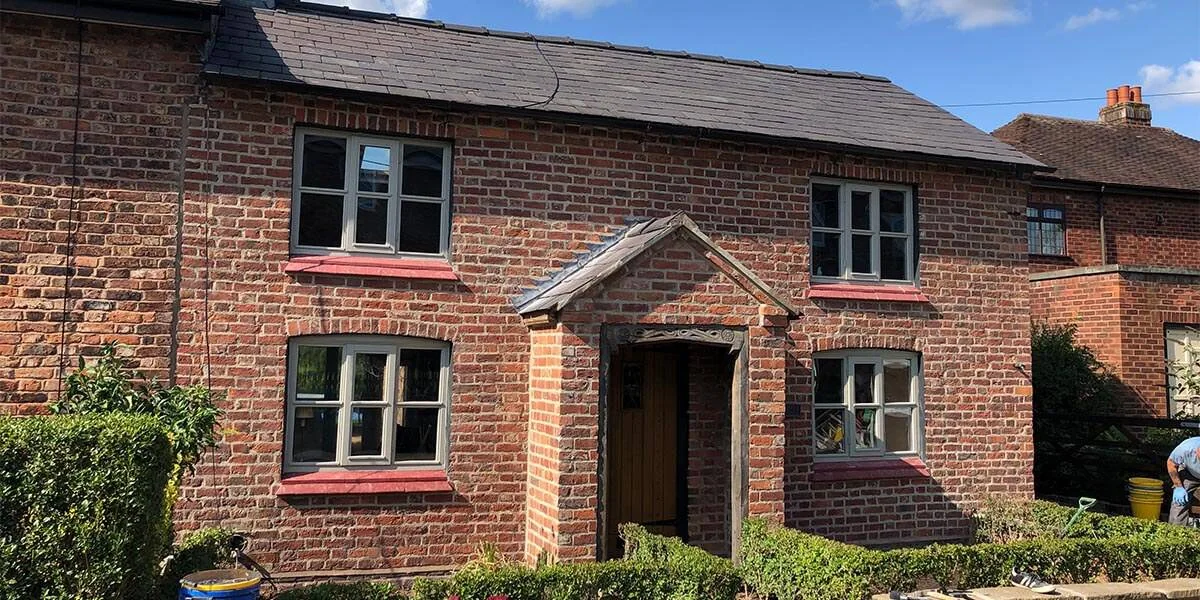
A treatment with a purpose
Rain repellent is considered after the wall has been checked, not as a quick answer to every damp mark. The masonry, mortar, coating history and water routes around the elevation all shape the decision.
On suitable exposed masonry, a compatible treatment can help reduce the amount of liquid rainwater drawn into the face of the wall.
The aim is not to trap moisture behind a surface coating. The masonry, mortar and any existing finish must be assessed before a breathable route is considered.
Open joints, damaged bricks, cracks, defective flashings and rainwater goods should be addressed before a treatment is discussed, rather than masked by it.
Absorbency, coatings, exposure and the source of any moisture concern vary from wall to wall. A sensible scope follows the evidence at the property.
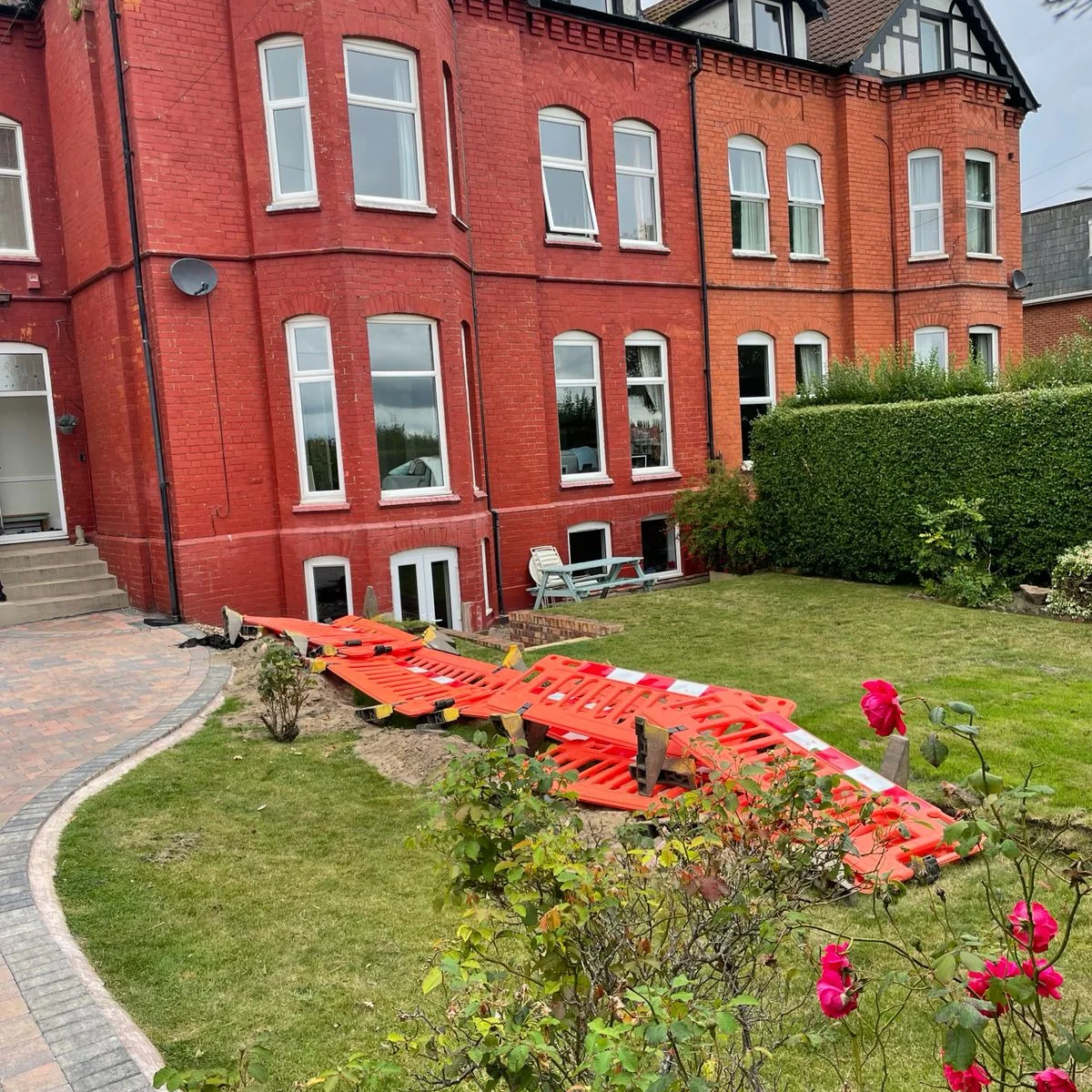
Start with the property
Send clear views of the whole elevation as well as close photographs of the area you are concerned about. That gives us a better first view of whether the question is one of water absorption, failed masonry, a rainwater detail or something that needs further investigation.
Masonry in context
Brick and stone walls vary in porosity, exposure, surface history and the way they meet windows, rooflines and rainwater goods. A treatment is only discussed where it suits the construction in front of us.
Our projects
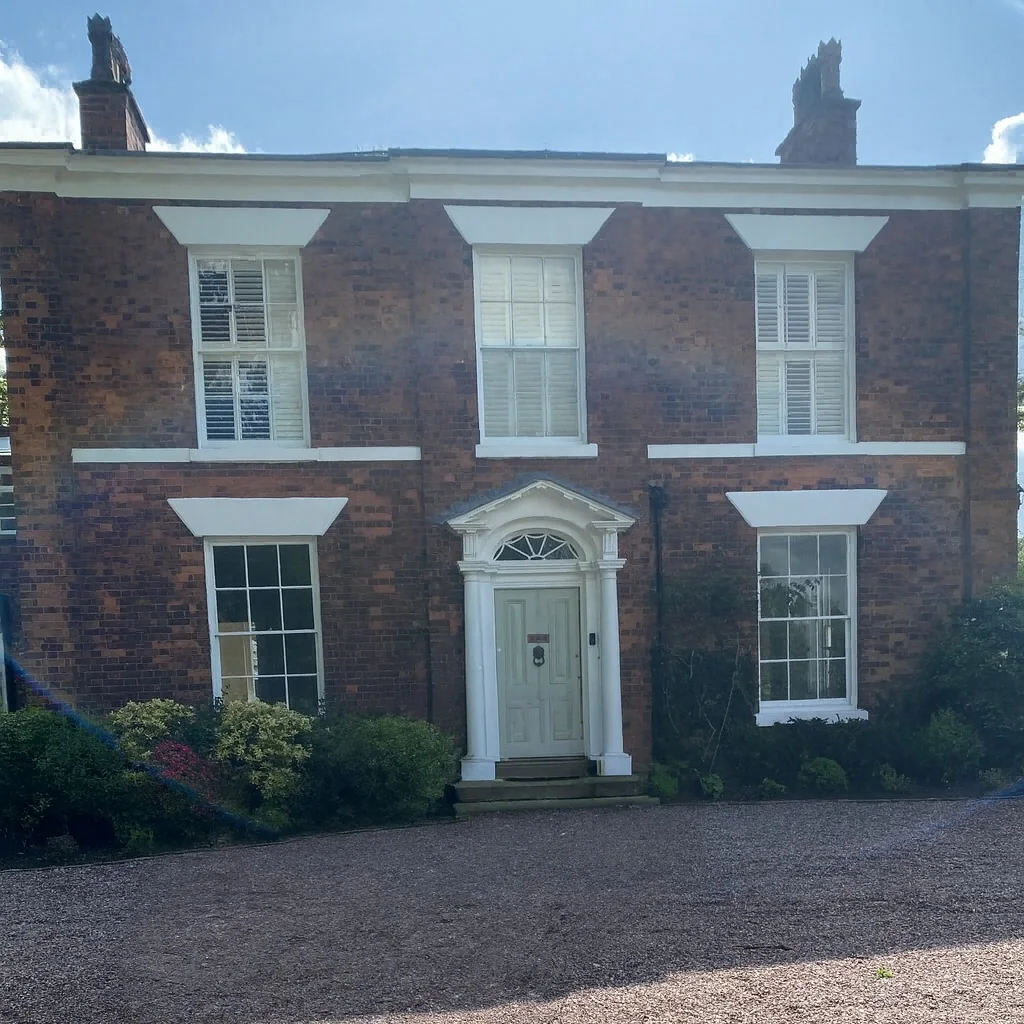
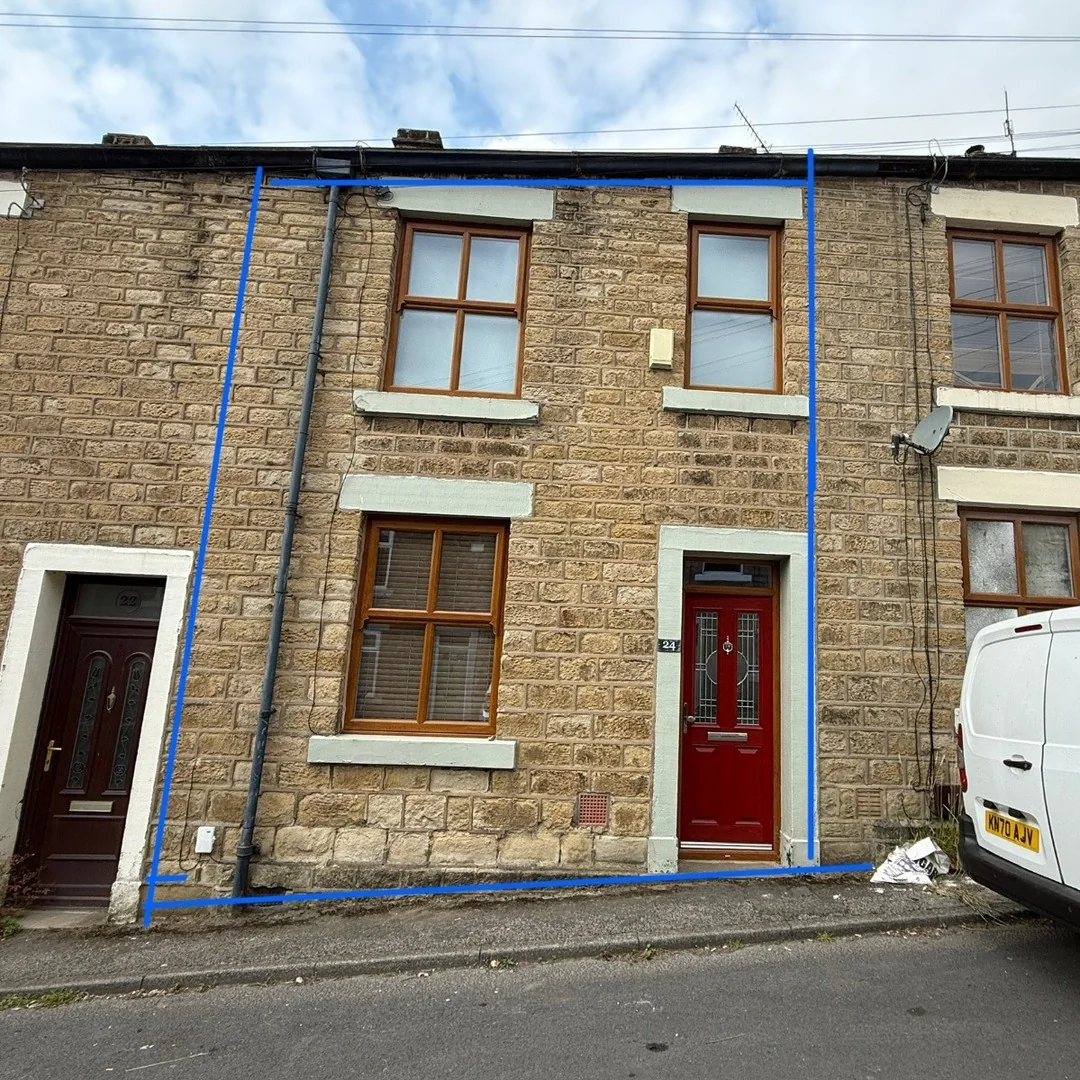
Take a look at some of the work we have completed, from the repair work and materials used through to the finished result.
Helpful reading
Explore the relevant detailed guides below. They support, rather than replace, an assessment of the individual building.
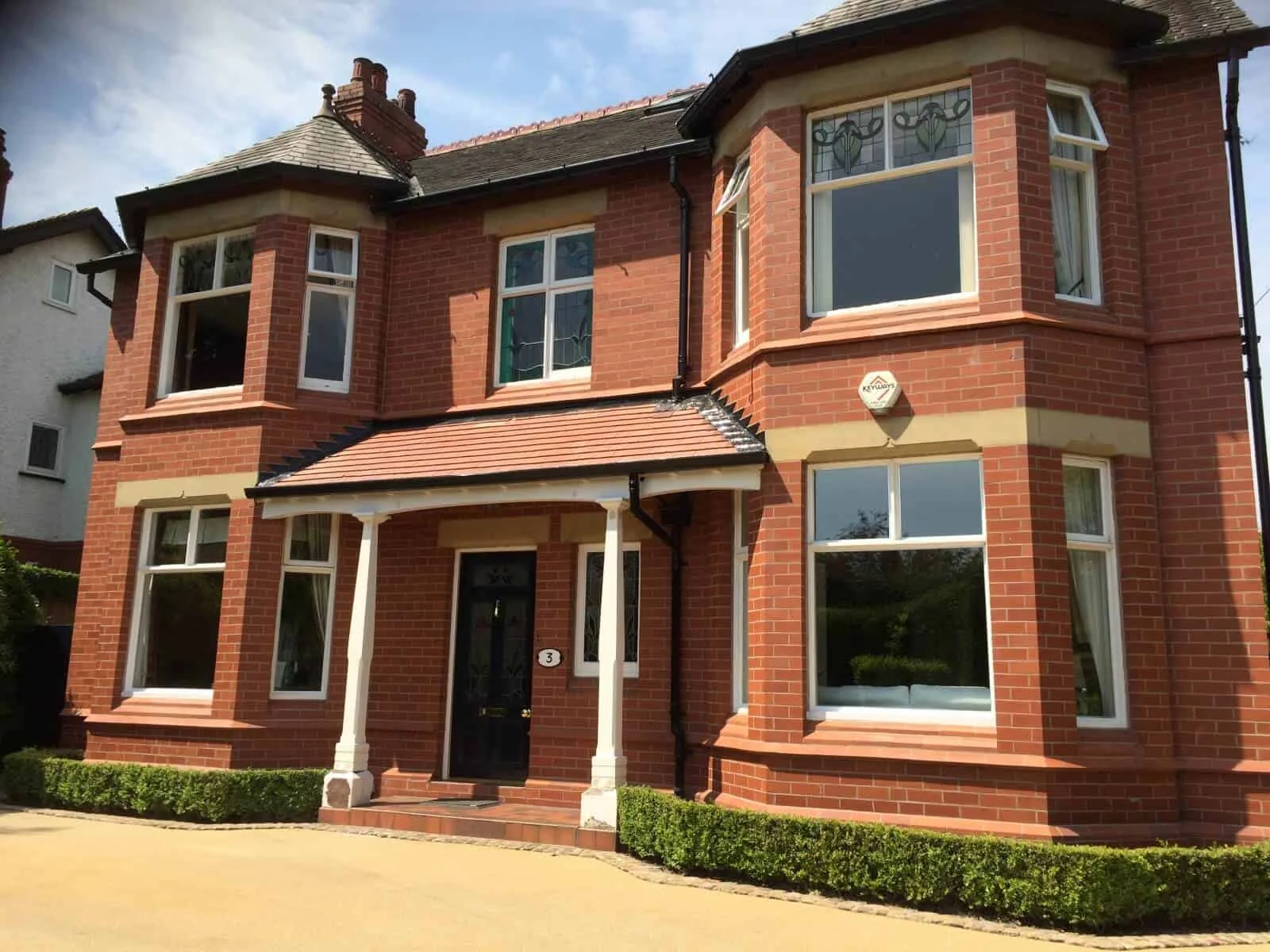
For the wider picture, start with the homeowner’s repointing overview covering condition, materials, safe access and repair planning.
Brickwork care guide10 minute read
Property maintenance guide8 minute read
FAQs
Every property has its own material, condition and access considerations. These answers explain the points we would normally discuss before a scope is agreed.
It is a surface treatment considered for suitable porous masonry to reduce liquid rainwater uptake. It is not a replacement for sound mortar, brickwork, flashings or rainwater goods, so those details are checked first.
No. Moisture can have many causes, including defective pointing, cracks, failed roof or rainwater details, bridged cavities and internal condensation. The likely route of water entry needs to be understood before a treatment is recommended.
Suitable vapour-open products are designed to reduce liquid water absorption while allowing water vapour to move through the wall. Compatibility with the existing masonry, mortar and any coatings is essential and must be assessed on site.
It may be appropriate for some porous brick and stonework, but it is not right for every material or finish. Existing paint, render, sealers, salts, damage and mortar condition can all change the answer.
Yes. Open joints, loose mortar, cracked bricks and defective details can provide direct water routes. Those defects should be dealt with first so a treatment is not being asked to hide a repair need.
Use the quotation form to send the postcode, a wide elevation photograph and close images of the masonry or damp concern. Tell us where the issue appears and whether it follows particular weather conditions, so we can discuss the most useful next step.
Call 01625 920 888, or for the fastest way to get a quotation, click Get a quotation and fill in your details.