Property maintenance guide
How to tell when brickwork needs repointing
Mortar falling out between your bricks can be worrying, but it does not necessarily mean the whole house needs repointing. Repointing means carefully removing damaged mortar from the outer part of the joints and replacing it with suitable fresh mortar.
Very loose mortar, open gaps or joints worn deeply away are reasons to arrange advice. This guide helps you distinguish those signs from ordinary ageing, decide what to do next and recognise problems that need more than new mortar.
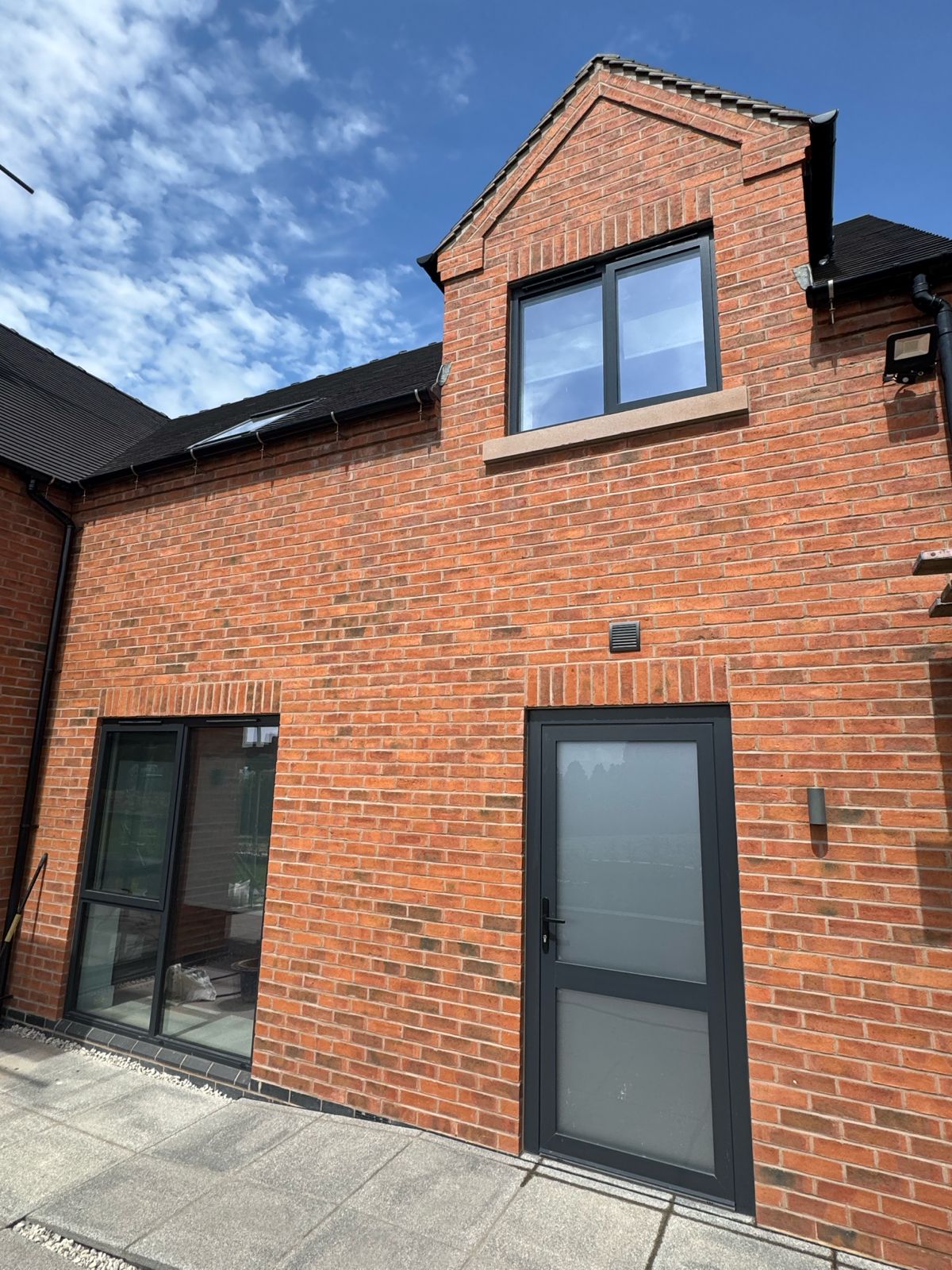
Illustrative image, not a photograph of a completed project.
Key takeaways
- Sound mortar can stay, even if it is old or softer than modern cement mortar.
- A few failing patches may need local repairs rather than whole-house repointing.
- Damp and damaged bricks need their own checks; repointing is not a cure for every wall problem.
- A leaning or bulging wall, falling material or signs of changing cracks need prompt professional attention.
What does failing mortar look like?
Look at the front, back and sides of the house, not just the worst-looking joint. Mortar is the material between the bricks; the gaps it fills are called joints. Sheltered joints may look much better than those on a side that catches wind-driven rain.
A wall does not need repointing simply because its joints look uneven or are not flush with the brick faces. Some were finished slightly set back from the outset. Compare nearby sheltered areas and older photographs, if you have them, to see what has actually changed.
Open gaps or mortar falling out
Empty sections, loose pieces beneath the wall or fresh gaps appearing between the bricks suggest mortar has been lost. Arrange a check of the affected area and surrounding joints rather than simply filling the visible holes.
Mortar worn deeply away
On older brickwork, SPAB advises that repointing is premature until mortar is very loose or has worn back roughly as far as the joint is wide. This is a guide for assessing traditional walls, not a reason to scrape or probe yours. Slight surface wear alone does not establish a need for work.
Cracking or separation around bricks
A crack in a joint or a gap where mortar has pulled away from a brick is worth recording. Note whether it is confined to an old patch or continues across the wall. A crack that changes, crosses bricks or accompanies a bulge needs different attention from ordinary mortar wear.
Soft but still intact mortar
Traditional lime mortar is often softer than modern cement mortar. It is intended to wear in preference to the bricks, helping protect them from frost and salt damage. Softness by itself is not failure: do not dig out sound joints to test them.
Does the whole house need doing?
Often, no. The repair should follow where mortar has genuinely failed. Removing sound mortar just to make every wall look new risks damaging the brick edges, especially on older houses.
These are useful starting points for a conversation, not a diagnosis of your wall. Ask the person assessing it to show you which areas need repair and which can be left alone.
A few missing or very loose joints, with sound mortar nearby
What it might mean: Local repointing may be sufficient, without treating the whole wall as defective.
What to do: Ask about repairing the affected patches and matching the surrounding mortar and finish. A small trial area can help you judge the appearance.
Failing joints repeated across one exposed wall
What it might mean: That wall may need more extensive repointing, while sheltered sides remain sound.
What to do: Request a check of the whole affected wall, including higher areas, and a clear explanation of where the proposed work stops.
Old-looking joints that remain intact, with only slight surface wear
What it might mean: There may be no immediate need to repoint.
What to do: Keep dated photographs and compare them during routine maintenance. Seek advice if gaps develop, material starts falling out or other symptoms appear.
When new mortar is not the whole answer
Repointing renews mortar; it does not repair a broken brick or correct the cause of a moving wall. Before agreeing work, separate the condition of the joints from other problems you can see.
Damp patches or a wall that stays wet
Open joints can allow rain in, but an indoor damp mark does not prove they are the cause. Overflowing gutters, leaking downpipes, roof defects, drainage, high ground levels and condensation can also be involved. Note whether the mark follows rain or appears in cold weather, and have the cause investigated rather than accepting repointing as an automatic damp cure.
Flaking faces or broken bricks
If pieces of the brick face have fallen off, or bricks are cracked or crumbling, fresh mortar will not replace the missing material. Wet bricks can suffer frost or salt damage, and unsuitable hard mortar can worsen deterioration in older walls. Ask whether brick repairs are needed alongside repointing and what is causing the damage.
A wall or chimney is leaning, bulging, shedding material, or has new or widening cracks
What it might mean: Movement or unstable brickwork may be involved. This is not a routine repointing decision.
What to do: Keep people away from any area at risk from falling material and seek prompt professional advice. Historic England recommends structural-engineer advice for cracking associated with bulging, leaning or fractures. If collapse appears imminent or people are in immediate danger, move clear and contact the emergency services; do not wait for an online enquiry response.
Should you arrange advice now or wait for better weather?
If mortar is being lost or gaps are becoming more widespread, arrange advice now rather than waiting for damp to appear. An assessment and the repair itself do not have to happen at the same time: you can establish what is needed before agreeing a suitable weather window.
Fresh mortar needs protection from frost, rain and drying too quickly in wind or sun. SPAB advises avoiding winter repointing where possible on older buildings. Summer is not automatically trouble-free either; hot, dry weather can also affect new work. Ask how the contractor will protect it and handle unsuitable conditions.
For slightly weathered but otherwise intact joints, keeping dated photographs can help you notice change. Do not use monitoring as a reason to delay advice about falling material, movement or an active leak.
What should a repair assessment and quotation cover?
Before accepting a proposal, ask why each area needs doing. The useful answer is a description of its condition, not simply the age of the house or a suggestion that all mortar should be replaced together.
Identify the repair areas and any underlying problem
The contractor should check the joints, brick condition, earlier repairs and signs of repeated wetting. Agree whether the job is a few patches, one wall or several areas, and whether another specialist needs to investigate first.
Choose suitable mortar and plan access
The new mortar should suit the existing bricks and wall, not just match its colour. On an older house, ask about experience with traditional mortar and a sample or trial area. Agree how upper walls will be reached and how windows, paths, planting and nearby roofs will be protected.
Remove damaged mortar carefully and renew the joints
Repointing involves taking out the damaged outer mortar to a suitable depth, preparing the joints, then filling and finishing them with fresh mortar. Smearing a thin layer over loose material is not the same repair. Careful removal matters because tools can damage brick edges.
Protect the fresh work and agree the finish
The plan should include weather protection, tidying and any aftercare you need to follow. Ask how a local repair will blend with the existing wall; a trial helps, but fresh mortar may not immediately look identical to weathered joints.
- A low-level patch and a similar-sized patch above a roof can cost differently because safe access may be a substantial part of the job.
- Noise and dust can come from removing mortar. Ask about control measures, window and garden protection, and clearing waste rather than expecting a mess-free job.
- Check whether the price includes access equipment, brick repairs, preparation, protection and making good, so you can compare the same work.
- Ask for a programme based on the actual repair and access needs, including possible weather delays. There is no single reliable duration for every house.
What to send if you are unsure
A useful first enquiry says where the issue is and what has changed. For example: ‘Mortar has started falling out below the back bedroom window over the last month; the room inside is dry.’ That is more helpful than trying to choose a repair yourself.
- Your postcode and whether the concern is on the front, back, side, boundary wall or chimney.
- One photograph showing the whole affected area and closer views only where safely possible from the ground.
- When you first noticed it, whether it is getting worse, and any damp marks, leaking gutters or earlier repairs.
- Anything that could affect access, such as a narrow passage, conservatory, shared boundary or nearby roof, and whether the property is listed.
Common questions
What homeowners often ask.
How often should a house be repointed?+
There is no fixed age or maintenance interval that means every house needs repointing. Exposure, mortar type and previous repairs affect how it wears. Judge the condition: very loose or deeply worn joints deserve attention, while sound joints can remain.
Can you repoint just a few patches?+
Yes, local repairs can be appropriate where surrounding mortar is sound. Ask how the repair boundaries, mortar and finish will be chosen. A sample area is useful if you are concerned about matching; a patch does not have to become a whole-house job.
Does mortar that feels soft need replacing?+
Not necessarily. Traditional lime mortar can be soft and still do its job. SPAB says softness alone does not justify repointing. Do not scrape it out to test it; look for actual loss, very loose material and changes in the joints instead.
Will repointing stop an indoor damp patch?+
It may help if failed joints are letting rain through, but only once the cause is established. A leaking gutter, roof defect, drainage problem or condensation will need a different response. Record when the damp appears and have it investigated before treating the mortar as the cause.
Can repointing fix cracks in a wall?+
It can renew damaged mortar after the reason for cracking has been understood. It does not stop structural movement. New or widening cracks, cracks through bricks, bulging or leaning call for professional assessment rather than simply filling the line with mortar.
Can repointing be done in winter?+
Sometimes a suitable weather window and protection can be arranged, but frost and persistent rain can make work unsuitable. SPAB advises avoiding winter repointing where possible on older buildings. Ask how the chosen mortar will be protected and what happens if the weather changes.
Sources behind the advice
Where to read more
We’ve used the following guidance for the repair, conservation and safety advice in this article. These organisations are references, not the authors of this page.
- Historic EnglandRepairing Walls of an Older Home
Guidance for older homes on damp causes, brick damage, matching repair materials and seeking structural-engineer advice where walls show movement.
- The Society for the Protection of Ancient Buildings (SPAB)Repointing
Guidance for old masonry on when repointing is justified, why soft mortar can be sound, local repairs, trials, careful preparation and weather protection.
Staffordshire project reference
See what the work involved.
Your brickwork
Not sure what needs doing? Start with what you’ve noticed.
You do not need building vocabulary to ask about your brickwork. Send your postcode, a full-area photograph, safe closer views and a short description of what you have noticed and when it started. Prefer to talk first? Call 01625 920 888.
Staffordshire Pointing aims to respond to website enquiries within 48 hours. Photographs help start a conversation, but a visit may be needed to understand the condition and agree the work; they cannot confirm that a wall is safe.