Brickwork care guide
Brick cleaning in Staffordshire: how to avoid damaging your walls
Green patches, white powder and mortar smears need different treatment. Cleaning may improve your brickwork, but it will not mend damaged bricks or stop the reason a wall keeps getting wet.
Start with the cause of the marks, check the bricks and mortar, then try a small test patch. This guide explains what to look for and what to ask before agreeing to have your wall cleaned.
Key takeaways
- A weathered colour is not necessarily dirt. Cleaning should remove an unwanted deposit, not strip away the brick surface to make an old wall look new.
- White salts and recurring green growth can be clues to moisture. Check gutters, drainage and repeated wetting as well as the visible marks.
- Agree a test patch, review it when dry, and ask what access, protection, rinsing and waste handling are included.
Does your brickwork actually need cleaning?
It may not. Older bricks often have varied colours and signs of age that are part of the house, rather than something to wash off. If the wall is sound and the concern is simply that it looks old, leaving it alone may be the better choice.
Cleaning is more useful when there is a clear problem to tackle: dirt hiding the brick detail, mortar left on the faces after building work, or a deposit that may be contributing to deterioration. Decide what you want removed before choosing a method. ‘Make every brick the same colour’ can lead to unnecessarily harsh treatment.
An old painted wall needs a separate conversation. Paint can hide mismatched repairs or protect soft bricks, so removing it is not automatically an improvement. Ask what the exposed wall is likely to look like and whether stripping the coating would damage it.
What do the marks on your wall mean?
Look at the pattern from ground level. A mark beneath a leaking gutter tells a different story from mortar smears around new joints. These are useful clues, not a diagnosis: more than one type of deposit can be present on the same wall.
White powder or pale crystals
What it might mean: This may be efflorescence: salts left on the surface as moisture carrying dissolved salts dries out. It is not automatically dirt, and cleaning with water can bring more salts to the surface.
What to do: Photograph it and note whether it returns after rain or drying. Look for repeated wetting. If the bricks are also flaking, ask for the salt and moisture problem to be investigated rather than repeatedly washing or applying acid.
Green patches, moss or crusty growth
What it might mean: Algae, moss and lichen often occur where surfaces stay damp or shaded. Moss can hold moisture, and some growth can contribute to damage; colour alone does not tell you how serious it is.
What to do: Check for overflowing gutters, downpipe leaks, splashback and nearby vegetation. Ask whether growth needs removing and how the wet conditions will be addressed. Treatment alone cannot promise that it will not return.
Grey or black dirt, or rusty-looking streaks
What it might mean: Traffic dirt and soot are different from stains caused by metal or an old coating. A dark patch may not be removable by simply washing harder.
What to do: Show the surrounding area as well as the stain, including any metalwork above it. Ask the contractor to identify the likely deposit and trial a suitable treatment before extending it across the wall.
Mortar smears after building or pointing work
What it might mean: Mortar stuck to the brick faces is a construction residue, not ordinary weathering. The brick type and the condition of the new joints matter when choosing how to remove it.
What to do: Tell the contractor when the work was done and what was used, if known. Ask for a method that protects the bricks and joints, rather than accepting a blanket acid wash.
Flaking brick faces or loose mortar
What it might mean: The surface itself may be deteriorating. Washing or scrubbing it can remove more of the brick or mortar rather than just the dirt.
What to do: Arrange a repair assessment before cleaning. Keep clear of falling material; if the wall is leaning, bulging or developing cracks, seek appropriate structural advice instead of treating it as a cleaning job.
Why not just pressure wash it or use brick acid?
Because the apparent improvement can come at the expense of the wall. Strong jets can roughen brick faces, erode mortar and drive water through open joints. Historic England warns that overzealous high-pressure cleaning can cause significant damage. A wall that looks cleaner immediately afterwards may have lost part of its surface.
Soft older bricks, already flaking faces and delicate decorative details need particular care. Wire brushes, grinding and sandblasting can also scrape away the surface, round off details or leave particles that cause staining. They are not a sensible default for a historic brick wall.
Acid is not a universal stain remover either. It can damage unsuitable bricks, lime mortar and nearby stone details, or leave new staining and salts. The National Park Service specifically warns against hydrochloric acid on historic brickwork and other masonry. A product being sold as ‘brick cleaner’ does not establish that it is suitable for your wall.
Depending on the deposit and condition, a contractor might trial gentle brushing, a controlled low-pressure rinse, a suitable detergent or carefully controlled hot-water cleaning. Stubborn stains or coatings may need a specialist treatment. The aim is the least harmful effective method, not the strongest equipment available; even water can be unsuitable on badly deteriorated surfaces.
What should a test patch and cleaning job involve?
A good test patch answers two questions: does the treatment remove enough of the deposit, and does it leave the bricks and mortar intact? Look at it when fully dry, not just while the wet bricks appear darker. On sensitive historic work, further observation may be needed before committing to a large area.
Choose a discreet but representative area that includes brick faces and mortar joints. Different bricks, finishes or stains may need separate trials. A successful patch is a useful standard for the work, not a promise that every part of the house will come up identically.
Inspect and agree the aim
Identify the deposit, check the bricks and joints, and discuss earlier repairs or coatings. Agree the area to clean and how much remaining staining is acceptable without damaging the wall.
Plan access and protect the surroundings
Decide how the wall will be reached safely. Plan protection for windows, doors, stone details, paving, planting and neighbouring property, along with containment and disposal of dirty water or chemical waste.
Trial the proposed method
Start with the gentlest suitable approach. Record the treatment and review the dried patch for colour, remaining stains, roughened faces and lost mortar. If it causes damage or gives a poor result, reconsider before continuing.
Clean carefully and review the result
Use the agreed method with checks as work progresses, including any required rinsing. Once dry, compare it with the trial and identify any newly visible repair needs. Agree tidying and aftercare rather than assuming that an extra coating is needed.
Does cleaning include repairs or a protective coating?
Not automatically. Repointing means replacing damaged mortar between the bricks; brick repair deals with damaged bricks themselves. Cleaning does neither, although removing deposits can make defects easier to see. Open joints or other routes for water may need attention before wet cleaning, so agree the order of work rather than assuming everything should be washed first.
A leaking gutter or downpipe also needs its own repair. Cleaning the stain beneath it without stopping the leak leaves the wall exposed to the same wetting. For a broader explanation of mortar damage and repair choices, see the homeowner’s repointing guide.
Be cautious about automatically adding a ‘sealer’. Water-repellent treatments and coatings have different effects on moisture movement and appearance. Ask what specific problem the product is intended to solve and why it is appropriate for your bricks. It is not a substitute for repairing leaks, and an unsuitable coating can make moisture problems worse.
Biocides — chemicals used to kill growth — need a separate reason for use, suitable precautions and care around plants and wildlife. Do not treat a promise of permanent freedom from algae as a realistic cleaning outcome.
If your home is listed, speak to the local-authority conservation officer before testing or cleaning. Work affecting its special character needs listed building consent before it starts. Keep photographs and a record of the agreed method; do not assume that calling the job maintenance removes the need to check permissions.
What affects the price, timing and disruption?
A small, easy-to-reach patch of dirt is a different job from cleaning a whole upper-storey wall with fragile bricks and several kinds of staining. Area matters, but testing, careful treatment and safe access can account for a substantial part of the work. Ask for a price based on what is actually proposed, rather than assuming a simple rate per square metre tells the whole story.
Timing depends on the area, treatment, access and trials, with drying time needed to judge the finish. Weather can delay work: avoid wet cleaning when freezing is a risk, and follow the chosen product’s temperature limits. Ask how the forecast and any further testing will affect the proposed programme.
Condition and treatment
Heavy residue, old coatings, fragile surfaces and mixed stains can need more trials or careful local treatment. Ask whether testing, repeat applications and any repairs are included or priced separately.
Height and access
Upper walls, narrow passages and work above a conservatory need different arrangements from a ground-level patch. Ask whether scaffolding or another safe working platform is needed and who arranges it. Do not climb to obtain close-up photographs.
Living around the work
Expect disruption suited to the method: equipment noise, water and spray during washing, or extra controls for chemical or coating removal. Dust can be an issue with some preparation and removal methods. Ask which windows and doors need to stay closed and how household access, pets and nearby planting will be protected.
- Which walls or patches are included, and what finish is the price based on?
- Are the test patch, access equipment and protection included?
- How will rinsing, dirty water, chemical waste and final tidying be handled?
- Are repointing, brick repairs or extra treatments separate decisions and charges?
- What is the expected work programme, and what could delay it?
Common questions
What homeowners often ask.
Can I pressure wash the bricks myself?+
Do not assume a domestic pressure washer is safe for your wall. Strong jets can remove mortar and damage brick faces, especially where the surface is soft or weathered. Start with advice on the deposit and wall condition, not a trial with the highest pressure setting.
Will cleaning get rid of white salts permanently?+
Not necessarily. Efflorescence is salts appearing as moisture dries at the surface. More can appear if the wall keeps getting wet, and washing can bring salts out. Repeated deposits, particularly with flaking bricks, call for investigation of moisture and damage rather than repeated cosmetic cleaning.
Will moss and algae come back?+
They can, especially if the wall stays damp or shaded. Removing growth and fixing avoidable wetting are separate tasks. Ask what maintenance may help, but do not expect a cleaning treatment or biocide to guarantee permanent prevention.
Will an old brick wall look like new afterwards?+
Usually not, and that should not be the target. Natural colour variation, old repairs and some deep staining may remain. Agree the appearance using a dried test patch; trying to remove every mark can damage the bricks.
How long does brick cleaning take, and can it be done in winter?+
The area, deposit, method, trials and access determine the programme. Testing and drying can add time beyond the cleaning itself. Water-based work should not go ahead where frost or freezing is a risk, and chemical products have their own temperature limits. Ask how the contractor will plan around the forecast rather than relying on a fixed duration.
Can you choose a cleaning method from my photographs?+
Photos help show the pattern of staining and plan the first conversation, but they cannot confirm the brick’s response to a treatment. A closer assessment and a test patch may be needed. Include a whole-wall view and safe close-ups rather than just a tight photograph of the stain.
Sources behind the advice
Where to read more
We’ve used the following guidance for the repair, conservation and safety advice in this article. These organisations are references, not the authors of this page.
- Historic EnglandControl of Biological Growth on Masonry
Explains moisture and biological growth, the potential damage from overzealous water cleaning and the limitations and environmental concerns of chemical treatments.
- National Park ServicePreservation Brief 1: Assessing Cleaning and Water-Repellent Treatments for Historic Masonry Buildings
US conservation guidance on identifying deposits, protecting fragile surfaces, acid and abrasive risks, testing when dry, waste handling and separate decisions about water-repellent treatments; not UK permission guidance.
- Historic EnglandRepairing Walls of an Older Home
Advice on fixing damp causes, salt-related brick damage, suitable repairs, structural warning signs and experienced help for older walls.
- Historic EnglandListed Building Consent
Explains consent before alterations affecting a listed building’s special character and the importance of speaking first to the local-authority conservation officer.
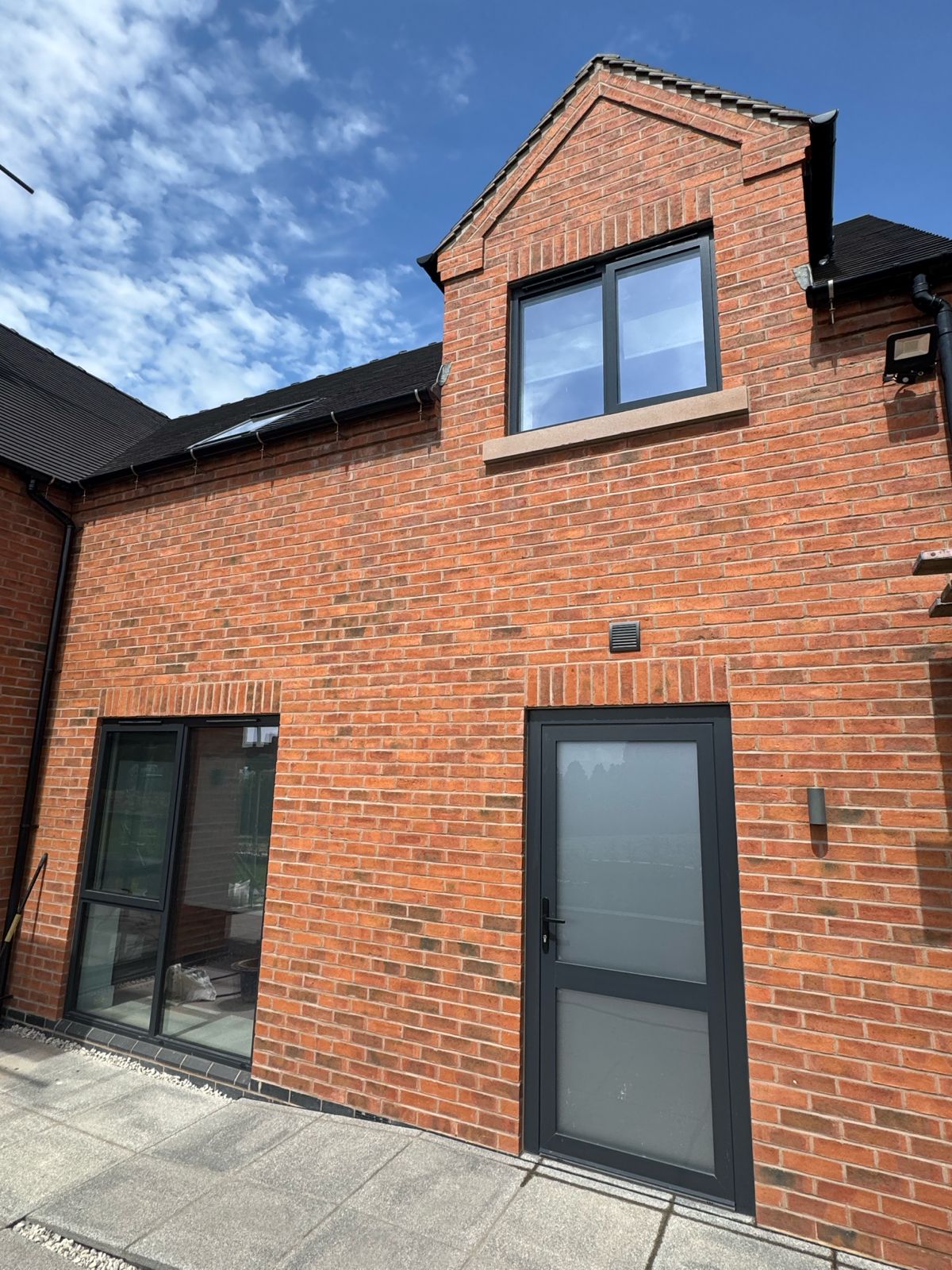
Staffordshire project reference
See what the work involved.
Your brickwork
Not sure what needs doing? Start with what you’ve noticed.
You do not need to know the name of the stain. Send your postcode, a photograph of the whole affected wall and safe closer views, plus what you have noticed and when it started. Mention changes after rain, earlier cleaning or building work, and anything that makes access difficult.
Photographs help start the conversation; they do not diagnose the wall or prove which treatment is safe. Prefer to talk it through? Call 01625 920 888, or use the existing quotation form. Staffordshire Pointing aims to respond to website enquiries within 48 hours.