Wall crack repair

Wall crack repair in Staffordshire

From a fine split to a stepped crack running through the brickwork, the right next step starts with understanding the affected wall, not simply filling the visible gap.

A clear starting point

How is a cracked brick wall repaired?

Repair starts with assessing the crack pattern, surrounding masonry, nearby openings and signs of water entry or movement. Where suitable, the work may include helical reinforcement within prepared mortar joints, replacement of damaged bricks and compatible repointing. Repointing alone does not address every cause of cracking. Active widening, bulging, leaning masonry or doubts about stability require advice from a suitably qualified structural professional before masonry repairs are planned.

Explore the Staffordshire repointing guide

A considered service

A fuller approach to cracked brickwork.

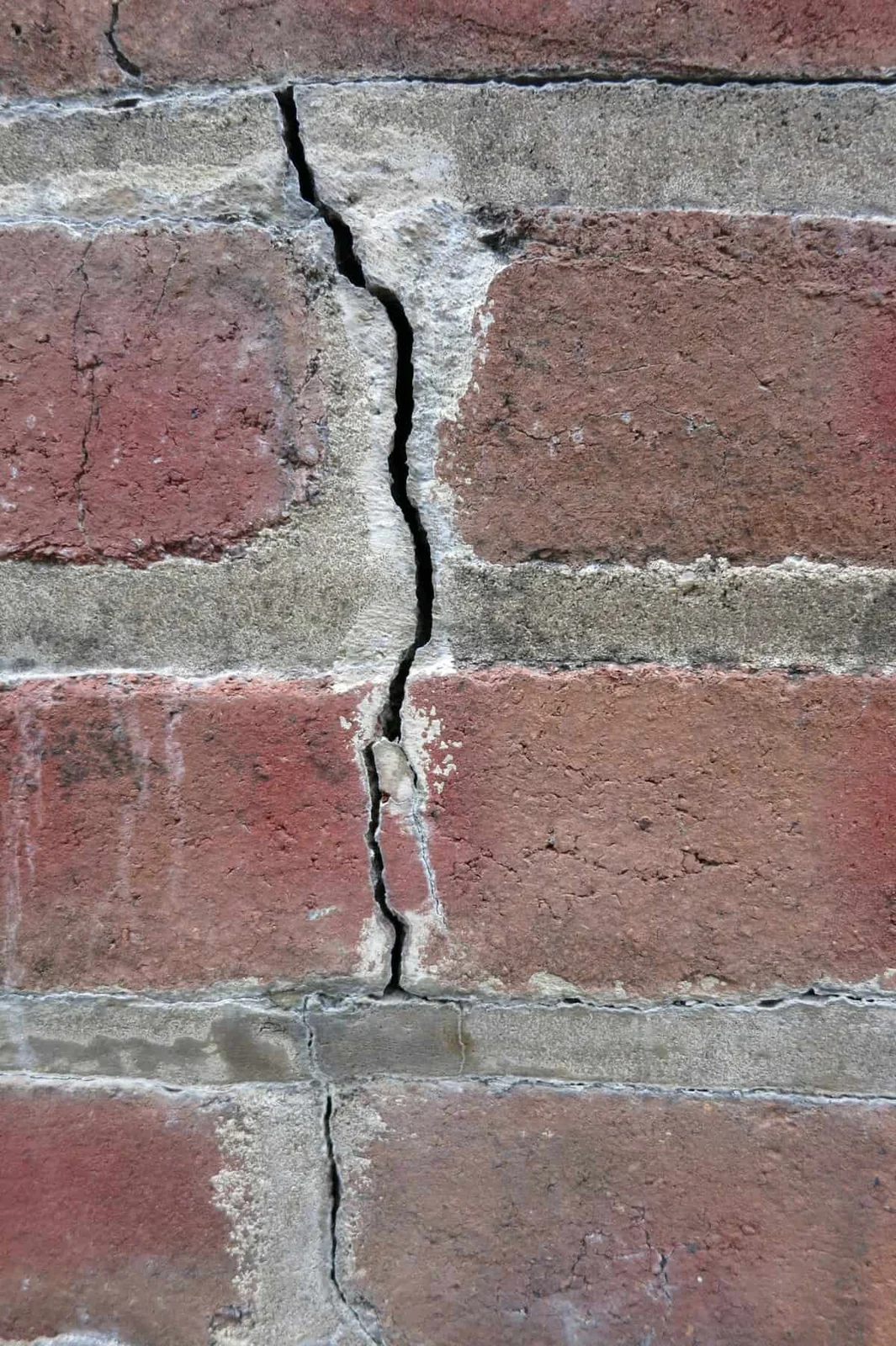
Cracks can result from a number of conditions, including local movement, weathering, damaged lintels, previous repairs or changes around an opening. Their direction, width and relationship to nearby brickwork are all useful clues when deciding whether a masonry repair is suitable.

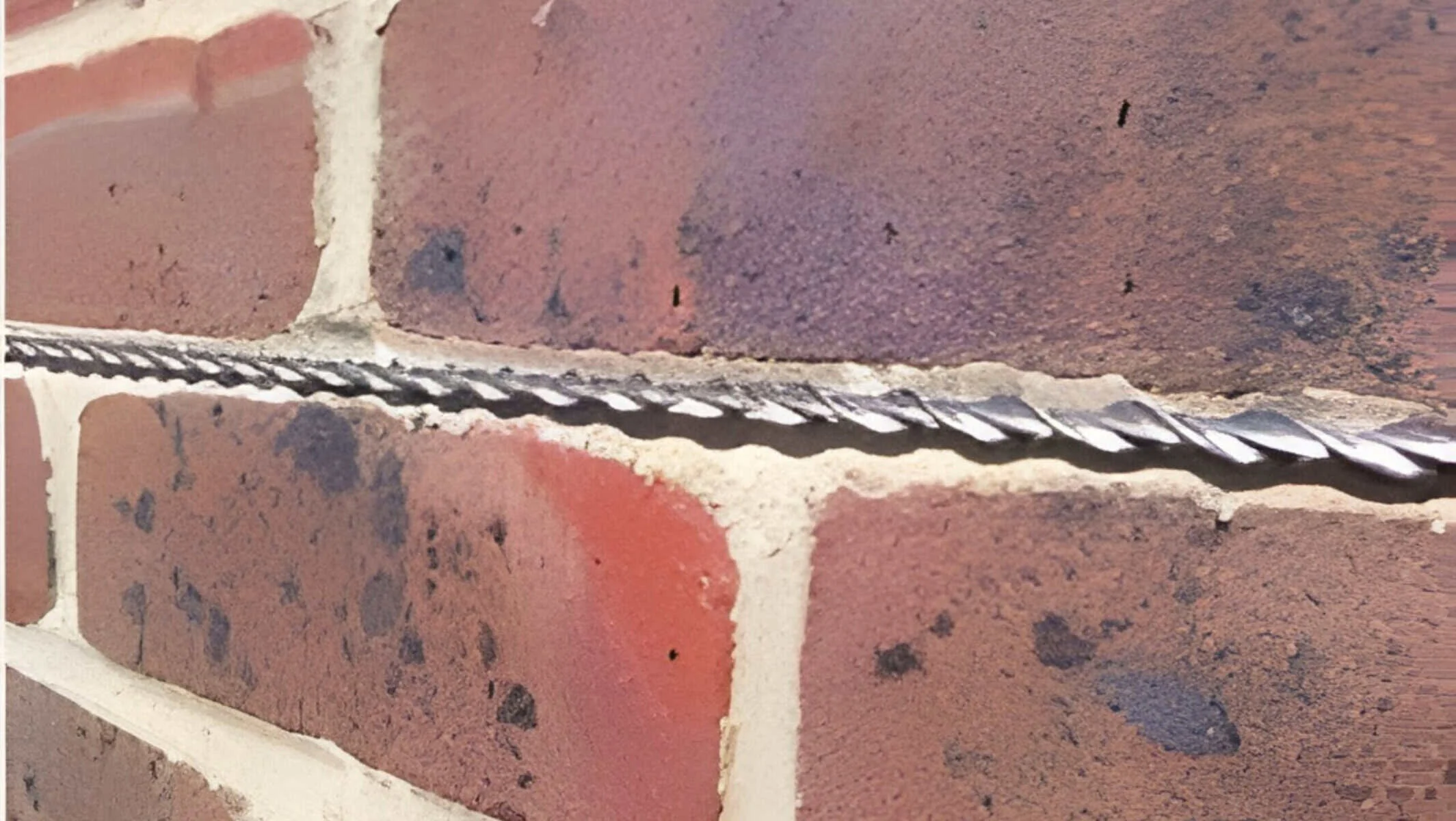
Where a local stitch-repair scope is appropriate, helical reinforcement can be positioned within prepared mortar joints before the affected face is repointed. Loose, spalled or fractured bricks can be considered alongside the repair, helping the finished area look settled and resist weathering.

Discuss your property
Helical reinforcement set into a prepared horizontal mortar joint in red brickwork
Illustrative masonry detail

What we look for around a wall crack

  • Stepped, vertical or widening cracks in the brickwork and mortar joints
  • Movement around windows, doors, corners, rooflines and previous repairs
  • Loose bricks, open joints, moisture marks and weather exposure around the affected elevation

Understanding the repair

What stitch crack repair can involve.

For suitable brickwork, stitch repair can introduce helical reinforcement within prepared mortar joints across a crack. The repair is then finished with mortar chosen around the wall, helping to protect the prepared area from weathering.

That method is not a substitute for understanding why the crack has appeared. Before discussing work, it is important to look at the wall condition, nearby openings, water routes, previous repairs and any signs of ongoing movement.

Repair starts with the wall. Any suspected structural movement, bulging or instability should be reviewed by a suitably qualified structural professional before masonry repairs are planned.

Damaged brickwork and cracking beneath a window sill before local masonry repair
Damage around openings and joints needs to be considered in context.

Repair options

Wall crack repair options, chosen around the masonry.

One visible crack can involve more than one type of work. The right approach depends on the brickwork, the position of the damage and what the assessment shows.

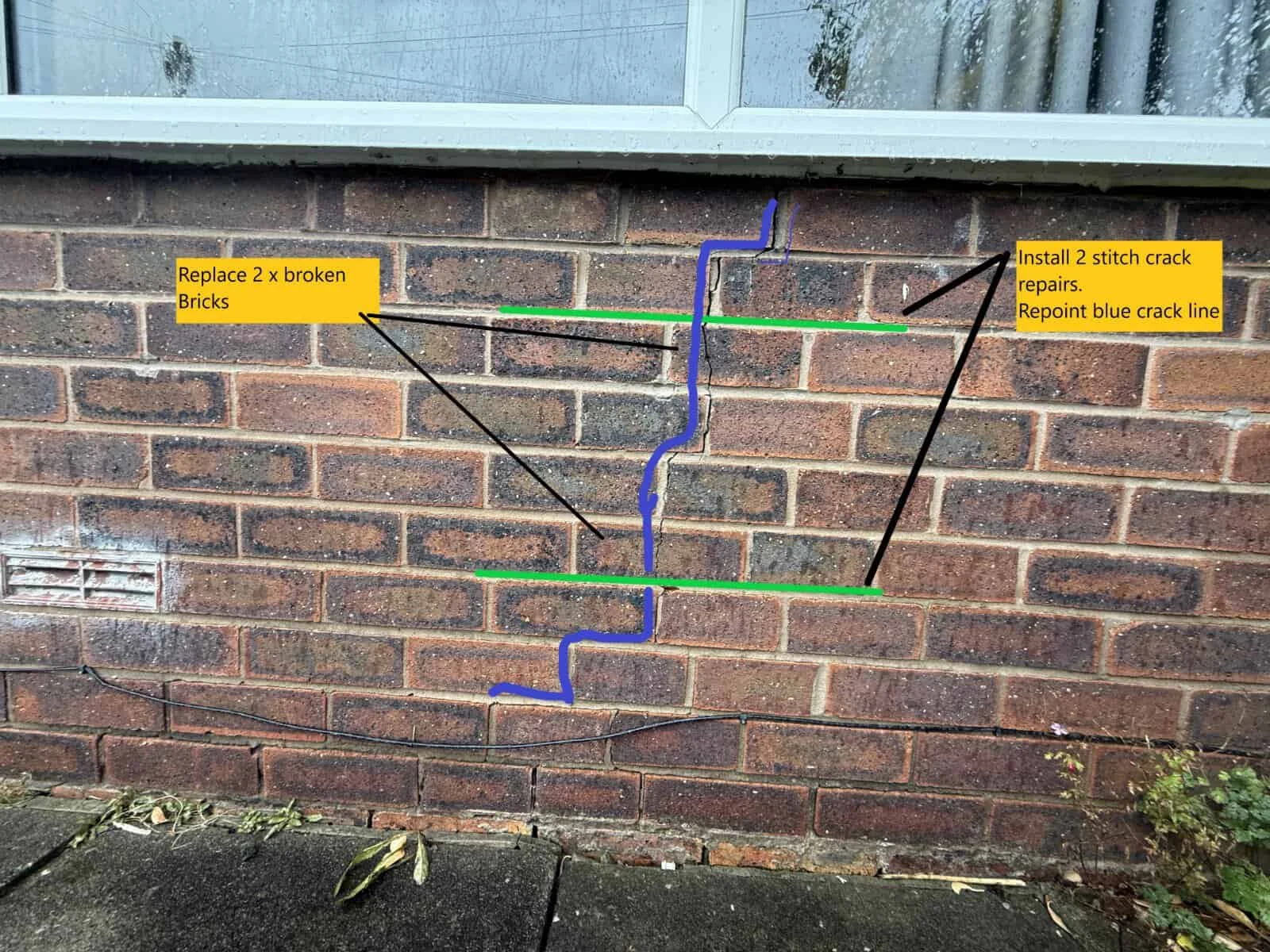
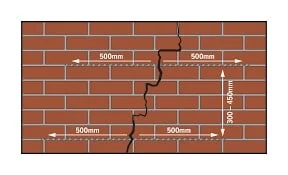
Brick wall with a stepped crack and marked locations for local brick replacement and stitch repair

Stitch crack repair

Where suitable, a local repair can involve preparing selected mortar joints across the crack and introducing helical reinforcement. The joints are then finished with a compatible mortar so the repair is protected from weathering.

Discuss this repair
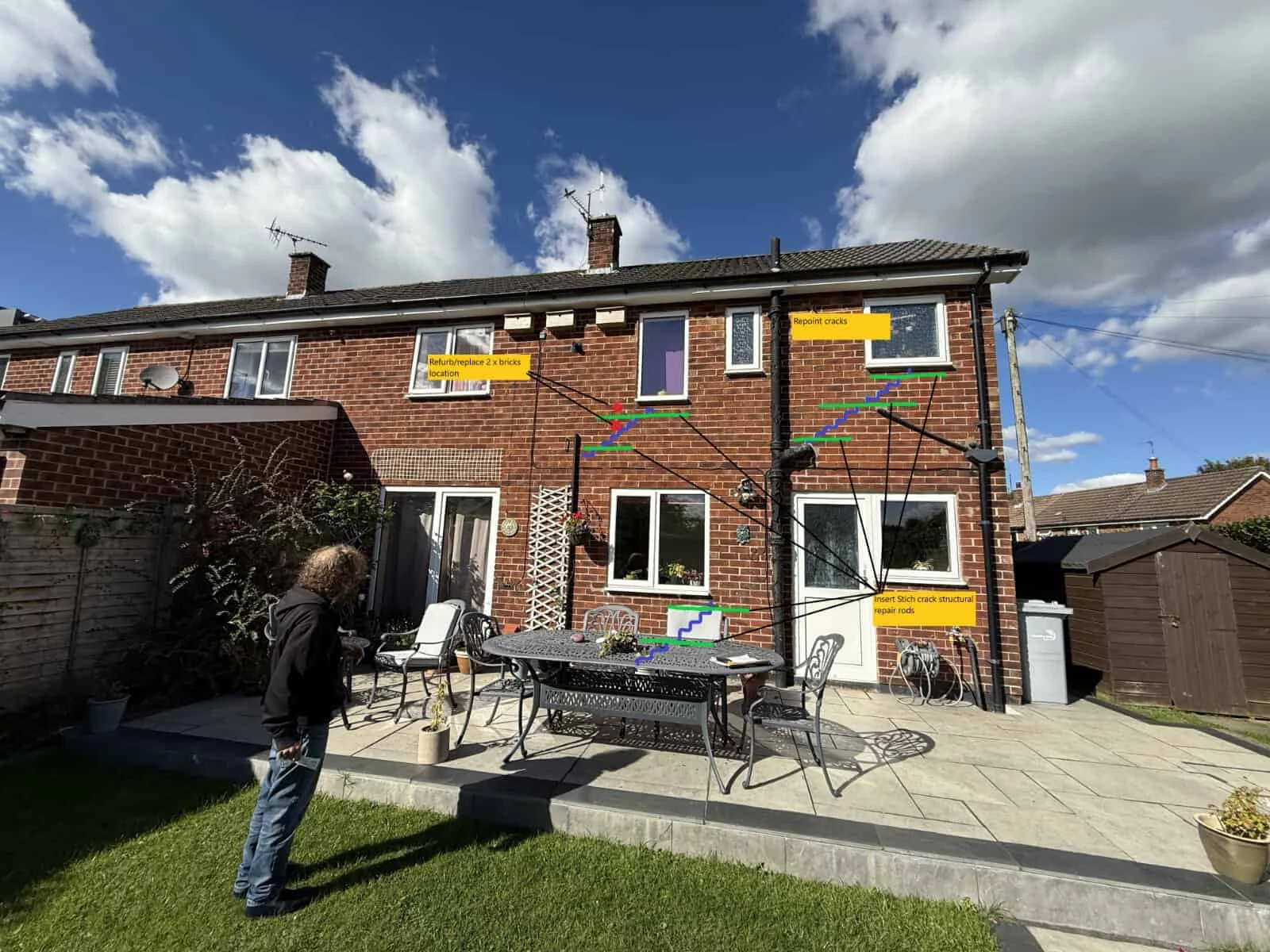
Rear brick elevation with photographed crack locations marked for repair planning

Crack assessment and repair planning

The pattern, direction and position of a crack matter. We look at the affected masonry, nearby openings, previous repairs and signs of water entry before discussing whether brickwork repair is appropriate.

Discuss this repair
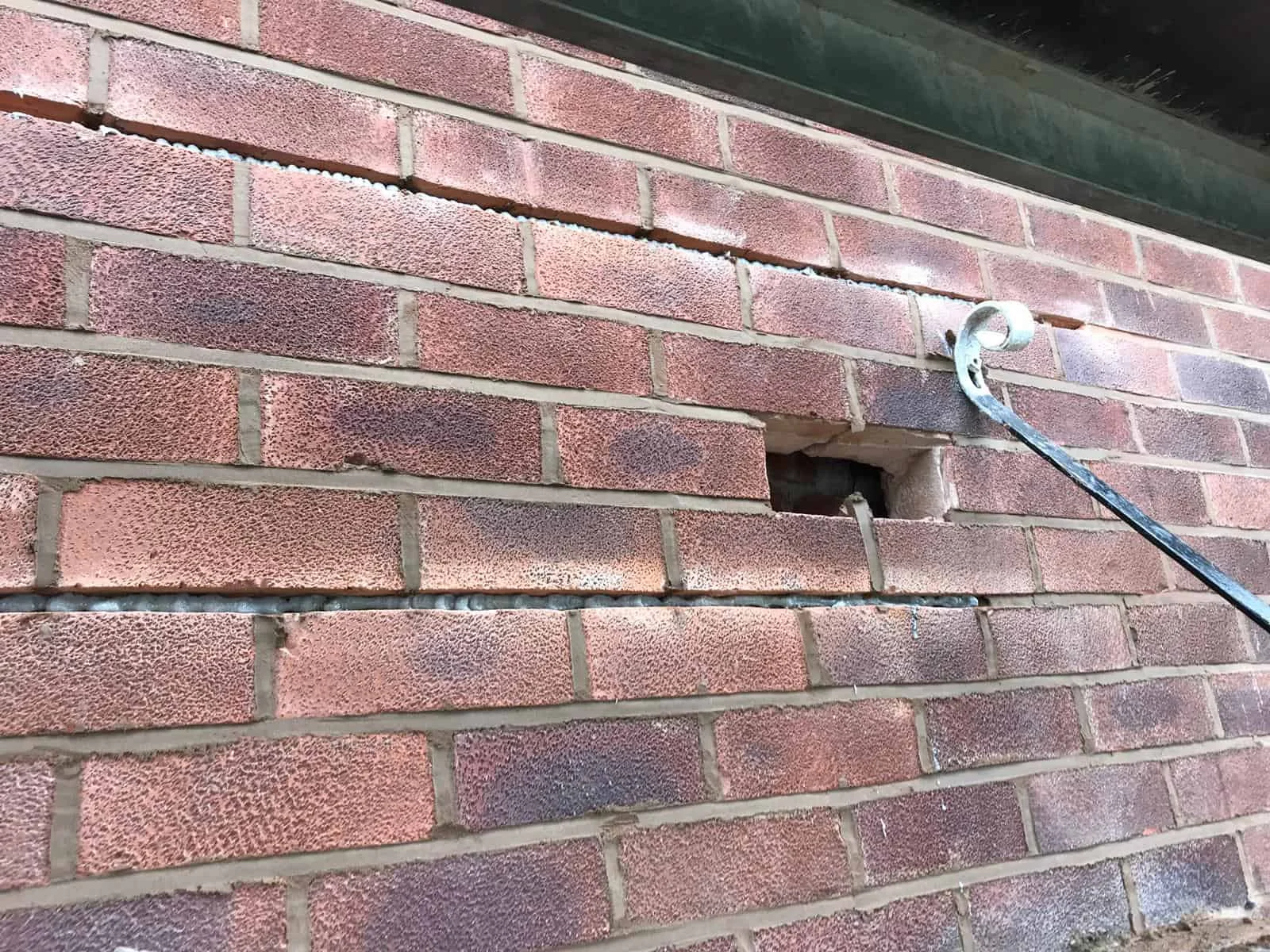
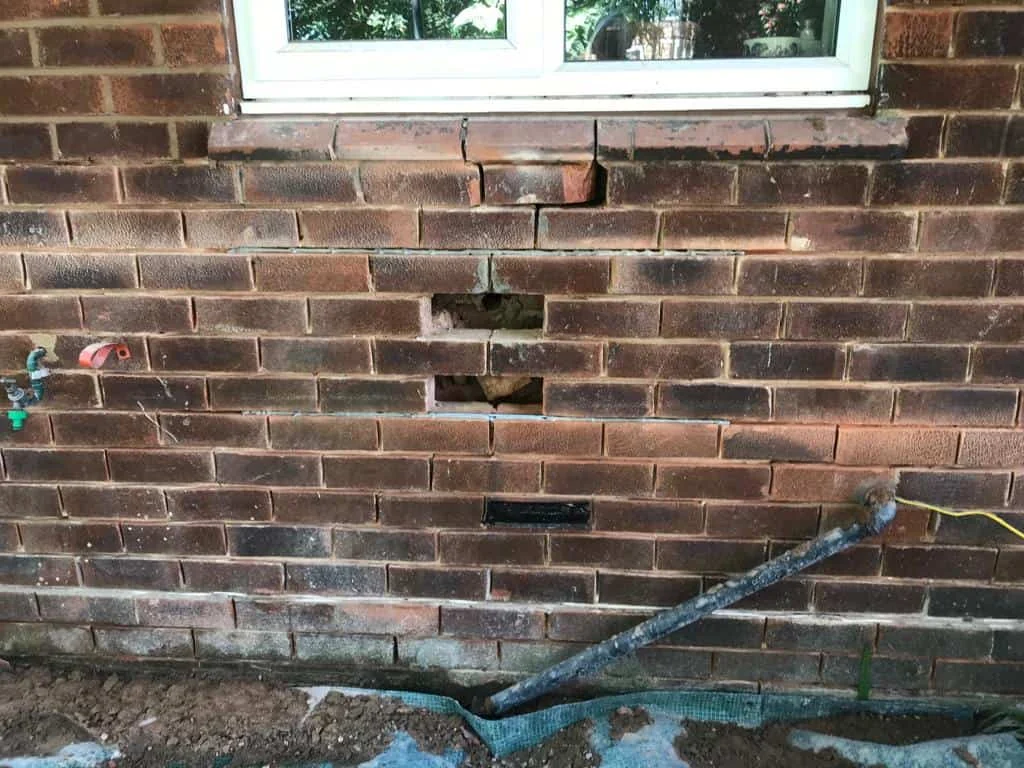
Prepared horizontal mortar joints and a local opening in brickwork during crack repair work

Brick replacement and local repointing

Cracked, loose or spalled units can sometimes be carefully removed and replaced. Local joints can then be repointed to give the surrounding brickwork a tidy, weather-resistant finish.

Discuss this repair
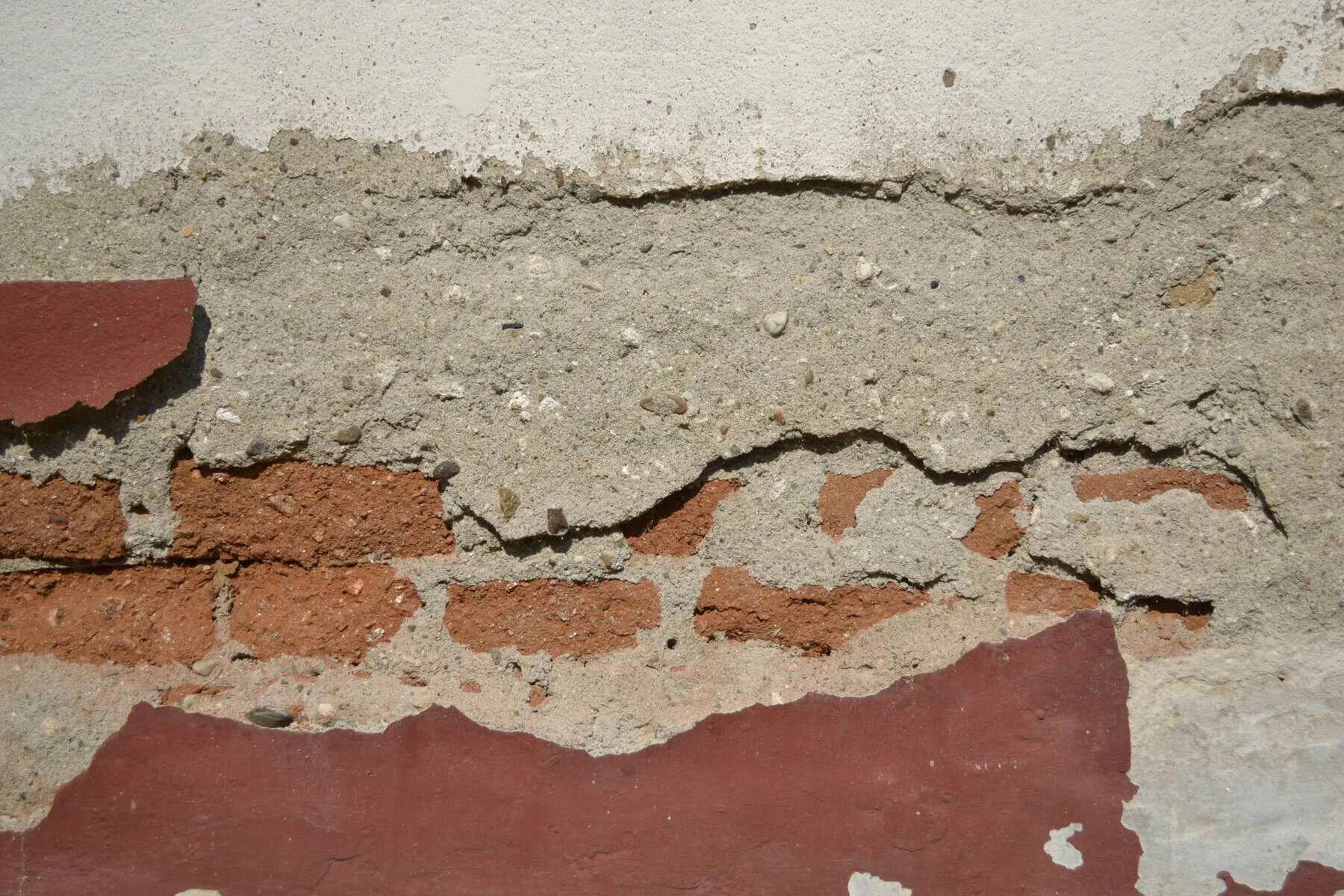
Cracking and failing render exposing brickwork beneath a wall coating

Lime-compatible repair for older walls

Older brick and stone masonry may need a breathable mortar rather than a hard cement-rich mix. The right material and finish are considered alongside the age, texture and exposure of the wall.

Discuss this repair
Illustrated example showing how crack width and location can be recorded during an assessment

Arrange an assessment

When a wall crack needs a closer look.

A prompt conversation can help you understand what is visible and whether a masonry repair visit is the right next step. Do not rely on a cosmetic patch where the condition of the wall is uncertain.

  • A stepped, vertical or diagonal crack following brick joints
  • A crack that has widened or changed since it was first noticed
  • Movement or cracking near windows, doors, corners or junctions
  • Loose, broken or spalled bricks around the affected area
  • Open mortar joints, damp marks or white salts close to the crack
  • A gap between parts of a wall, or cracking visible on both faces
  • Bulging masonry, a leaning section or any concern about stability
Arrange a wall crack assessment

A clear repair scope

From the first look to the finished joint.

We prefer to keep the discussion clear: record the visible concern, look at the affected brickwork and nearby details, set out the proposed masonry work, then complete the repair with attention to the bricks, mortar and water-shedding details around it.

If the condition suggests a broader issue, we will say so rather than presenting a stitch repair as the answer to every crack.

Talk through your wall crack
Rear brick elevation with photographed crack locations marked for repair planning
Photographs can help explain the areas to be assessed and quoted.

Look closer

A repair is more than filling a crack.

Use the slider to compare an open crack with a completed local repair. Any bulging wall, active movement or concern about stability should be assessed by an appropriately qualified structural professional before brickwork repairs are planned.

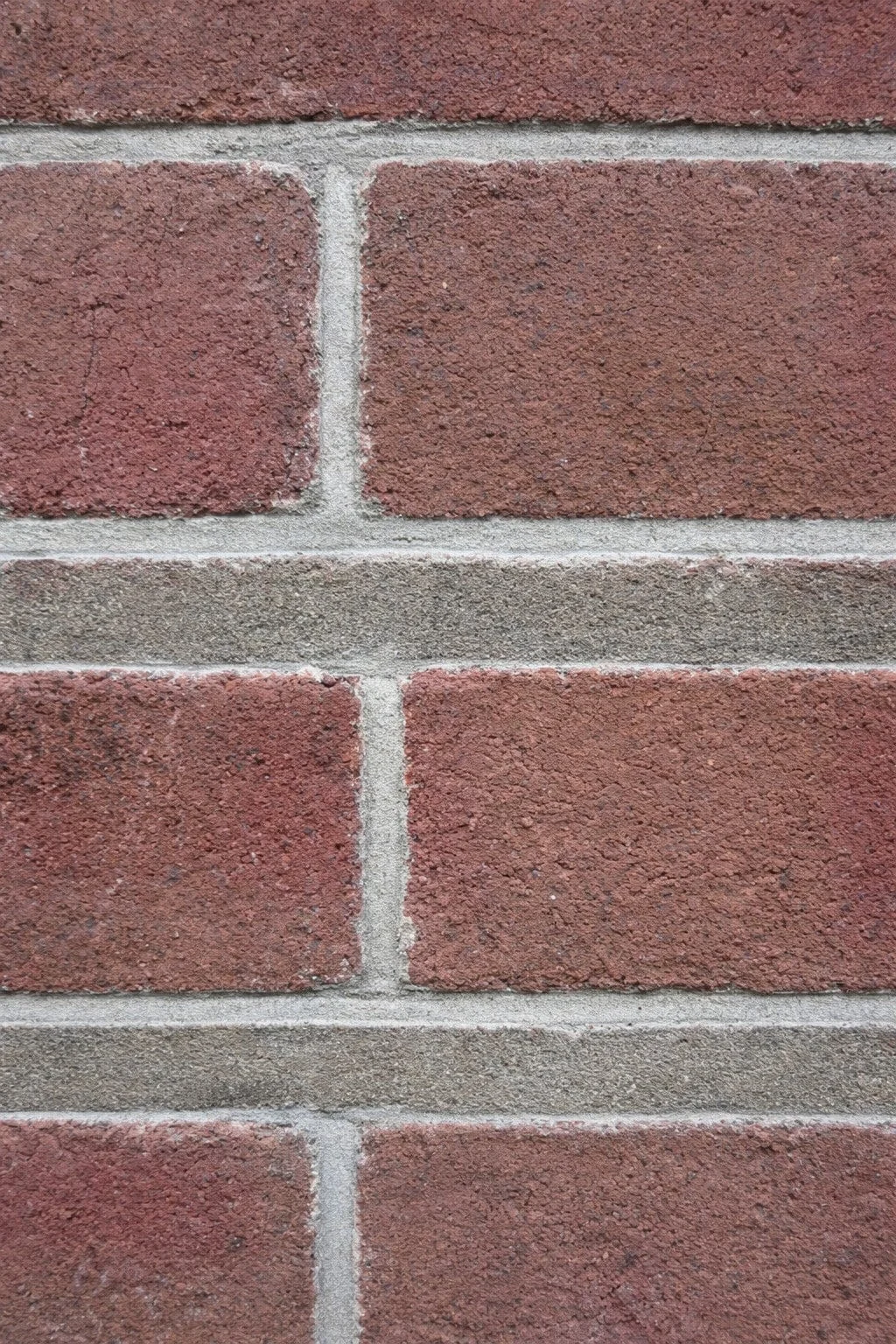
Red and grey brickwork with a repaired crack and renewed mortar joints
Wall crack repairGet a quote

FAQs

Questions about wall crack repair.

Every property has its own material, condition and access considerations. These answers explain the points we would normally discuss before a scope is agreed.

How do I know whether a wall crack needs attention?+

A crack that is widening, stepped, close to an opening, accompanied by loose masonry or visible on both sides of a wall is worth assessing. Photographs over time can be useful, but any concern about movement or stability should be acted on promptly.

What is stitch crack repair?+

It is a local masonry repair method that can use helical reinforcement positioned within prepared mortar joints across a suitable crack. It is considered only after the visible brickwork and the likely reason for the crack have been assessed.

Can repointing alone fix a cracked wall?+

Repointing can be useful where joints are weathered or locally open, but it does not resolve every cause of cracking. The crack pattern and the condition of the surrounding masonry help determine whether pointing, brick replacement, reinforcement or further investigation is needed.

Do I need a full wall repair if only one area is cracked?+

Not always. A local repair may be appropriate when the surrounding wall is sound, but the inspection needs to look beyond the visible line. We discuss the affected section, neighbouring masonry and access before recommending a scope.

What does the repair process normally involve?+

After the affected area is assessed, loose material is carefully removed as needed. Depending on the agreed scope, work can include preparing mortar joints, local reinforcement, replacement brickwork and compatible repointing, followed by a final check of the finished area.

Can lime mortar be used for an older wall?+

Where the existing wall and its age call for a more breathable approach, a lime-compatible repair may be considered. Material choice is guided by the masonry rather than using one mortar for every property.

How long does a wall crack repair take?+

The timing depends on the number and location of the cracks, access, the condition of the surrounding bricks and whether other work is needed. Once the area has been assessed, we can explain the likely sequence and timescale for the proposed work.

When should I seek structural advice?+

If a crack is actively widening, there is bulging or leaning masonry, doors or windows are sticking, or there is any doubt about stability, a structural engineer or other suitably qualified professional should be consulted. We can discuss the visible brickwork repair scope, but we do not diagnose structural movement.
Speak to somebody today.

Call 01625 920 888, or for the fastest way to get a quotation, click Get a quotation and fill in your details.

Get a quotation