Lintel repair & replacement

Lintel repair and replacement in Staffordshire

A careful route for cracked, altered or weathered brick openings — beginning with the condition of the wall and the support detail, not an assumed repair.

A clear starting point

How is lintel repair or replacement planned in Staffordshire?

Lintel repair or replacement starts with the condition of the opening, support detail and surrounding wall. Cracks above a window or door do not prove lintel failure. A sound support may need only surrounding masonry repairs; a compromised support may require replacement within an agreed design. Access, temporary works and brickwork reinstatement are planned together. Changing movement, bulging or loose masonry may need structural advice or urgent help before routine repair work.

Explore the Staffordshire repointing guide

Openings need context

Look beyond the crack above the window or door.

A lintel is associated with the horizontal support at an opening, but cracked masonry above a window, door, garage or patio opening is not a diagnosis in itself. The visible pattern may relate to the brickwork, mortar, water routes, an earlier alteration, the support detail or movement elsewhere in the wall.

A useful first step is to read the opening in its wider elevation: the brick courses, frame, sill, rainwater details, previous repairs and any change you have noticed. That helps define whether a masonry repair conversation is appropriate and when another form of advice should come first.

Discuss a lintel repair
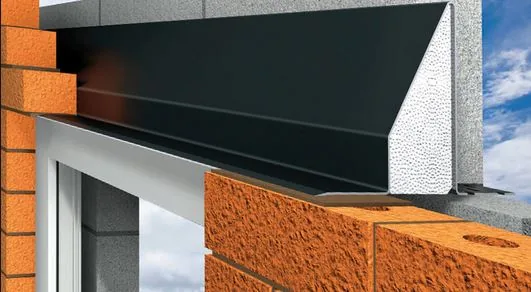
Section illustration showing a steel lintel supporting brickwork above a window opening
An opening detail can contain several layers of masonry, support, frame and weathering decisions.

A scope around the condition

Four ways an opening-repair conversation can develop.

The right route follows the opening and the construction around it. It is not a universal answer based solely on the most visible crack or line of mortar.

01

Masonry repair around a sound existing head

When assessment indicates the support itself remains suitable, the scope may focus on local brickwork, joints, weathering or a previous patch around the opening rather than replacing sound material by default.

02

Lintel renewal within an agreed design

Where the existing support is compromised or no longer appropriate, replacement needs to follow the opening, wall construction and any design or structural advice that applies. The masonry sequence is then planned around that decision.

03

Brick-course recovery and finishing

Once the work around an opening is defined, affected bricks can be retained, repaired or replaced where necessary, then aligned and repointed so the repair sits carefully with the surrounding elevation.

04

Traditional and unusual opening details

Older properties can have stone, timber, brick arch or earlier altered details rather than a standard modern lintel. These openings benefit from material-led assessment and, where needed, advice appropriate to the building.

See the opening closely

Support, repair and brickwork reinstatement in one matched project pair.

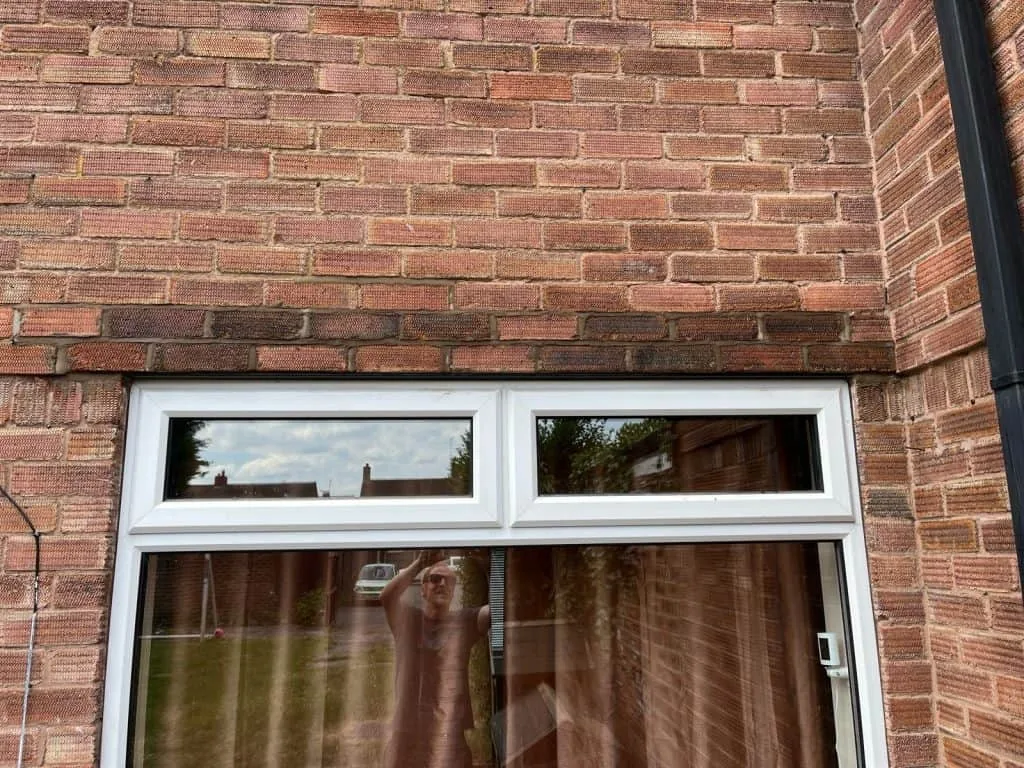
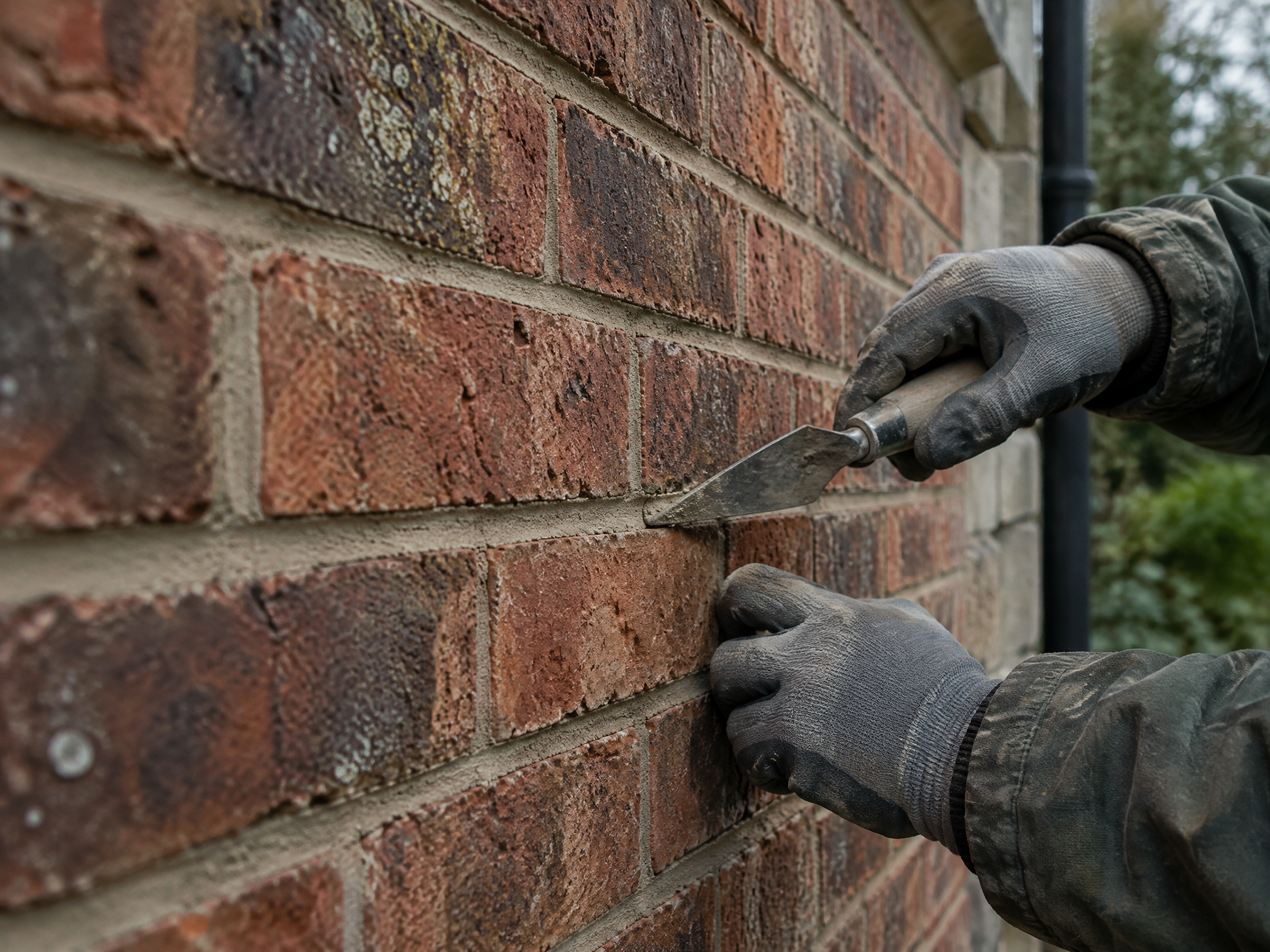
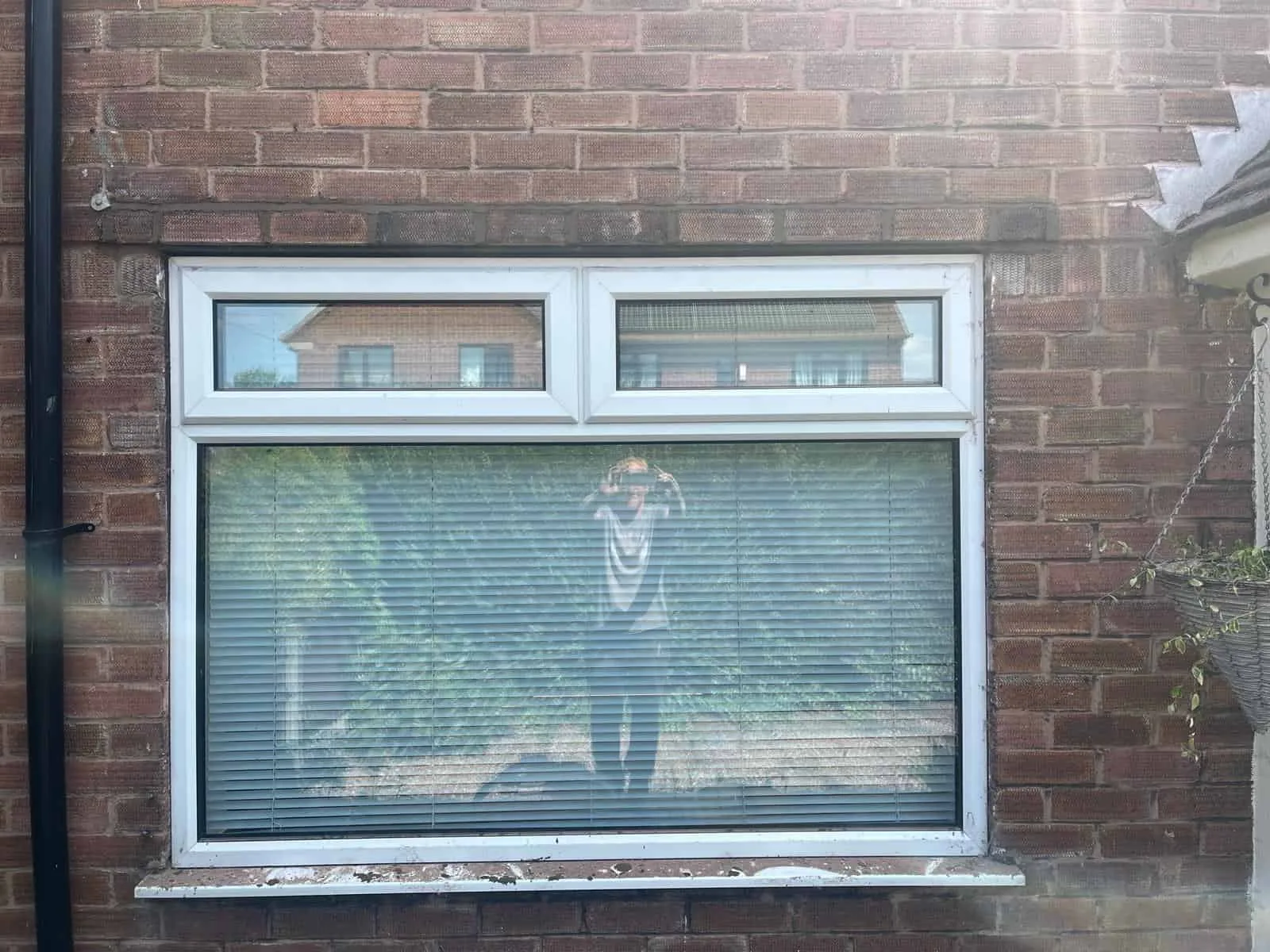
Drag the control to compare an opening during work with the later masonry finish. It illustrates a specific project sequence, not a promise that every lintel concern will need the same work or produce the same outcome.

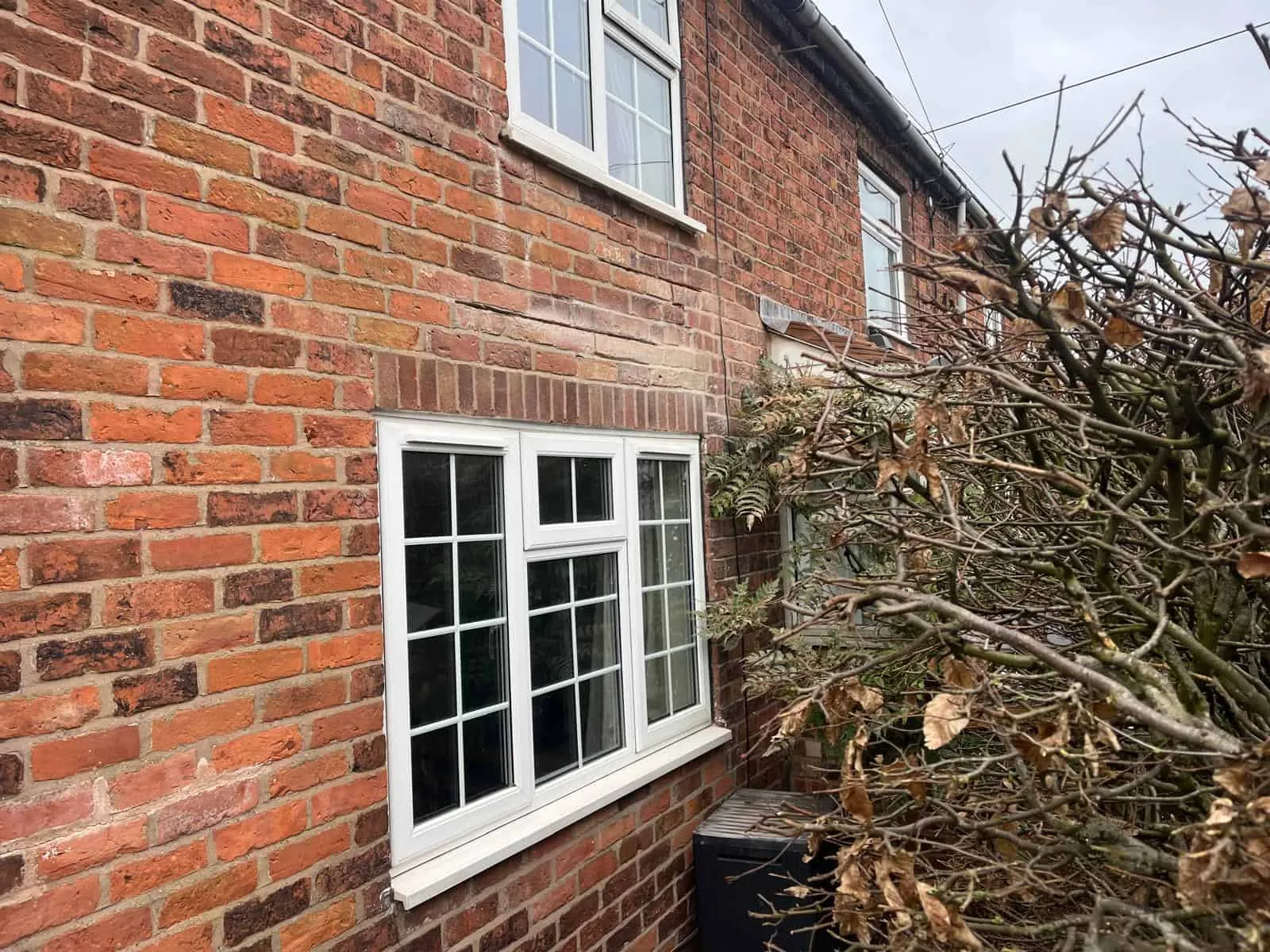
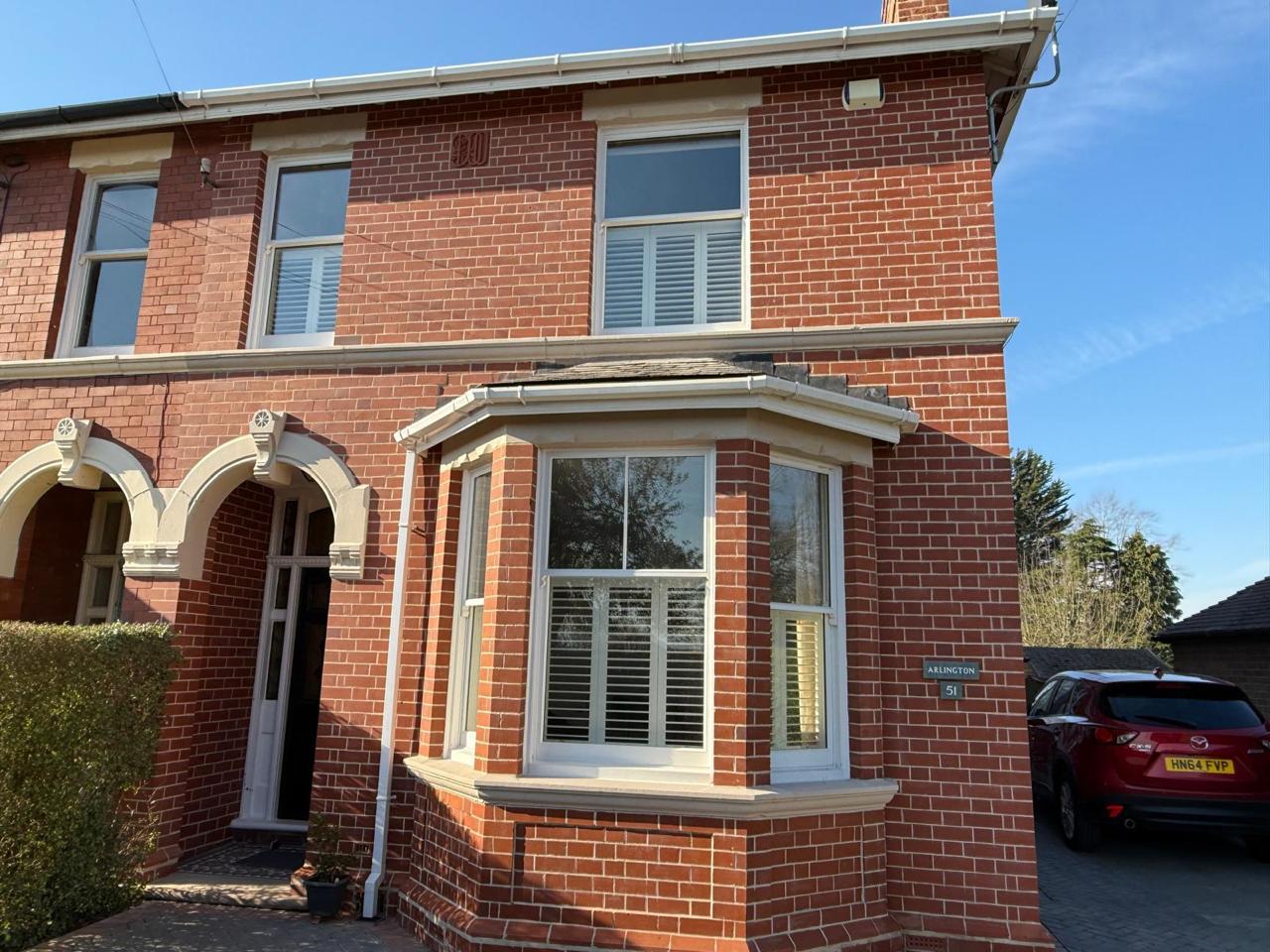
Brick window opening after lintel repair, showing reinstated brickwork above the frame

A considered sequence

Plan the opening, then the masonry work around it.

Where lintel-focused work is suitable, access, temporary works, repair materials and brickwork finishing are considered as connected parts of an agreed scope.

01

Read the opening and the wall around it

We start with the crack pattern, brick courses, the support detail that can be seen, the frame and sill, rainwater routes, previous repair history and the wider elevation. That helps separate a local masonry issue from a potentially broader concern.

02

Define the appropriate repair route

The scope is based on the condition found and any relevant drawings, survey findings or structural advice. It may involve masonry repair, an agreed replacement support detail, or a recommendation to resolve another issue before work is planned.

03

Plan access, temporary works and the sequence

Openings need to be approached carefully. Access, protection and any temporary support are considered around the property and the agreed work rather than assumed from a photograph alone.

04

Reinstate the brickwork and review the opening

The final stages bring the brickwork, mortar and visible opening detail back together. The finish is reviewed against the wider wall, along with any maintenance point already identified during the assessment.

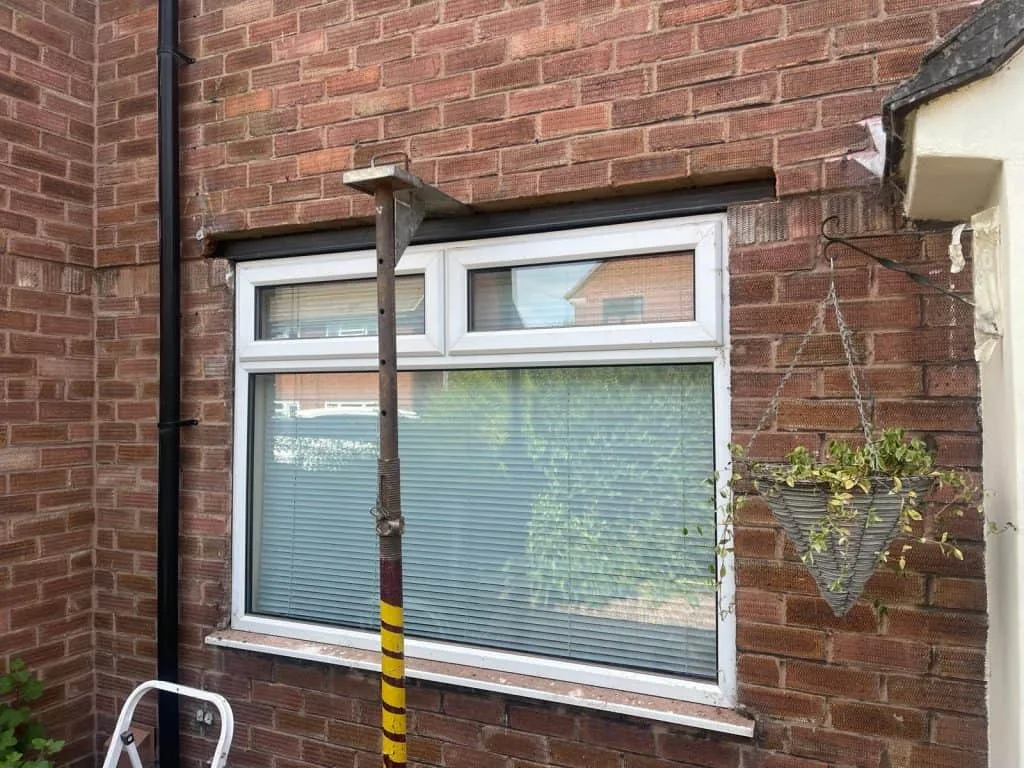
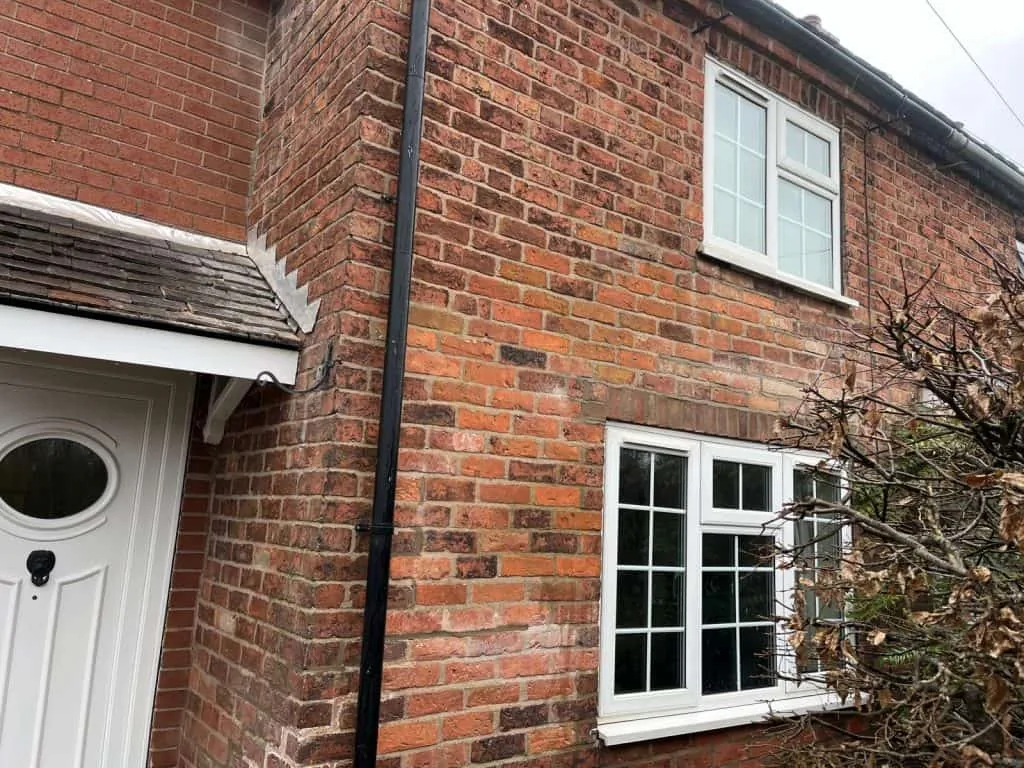
Red-brick window opening with upper courses carefully opened during lintel repair work
Opening work is planned around the condition of the surrounding masonry.
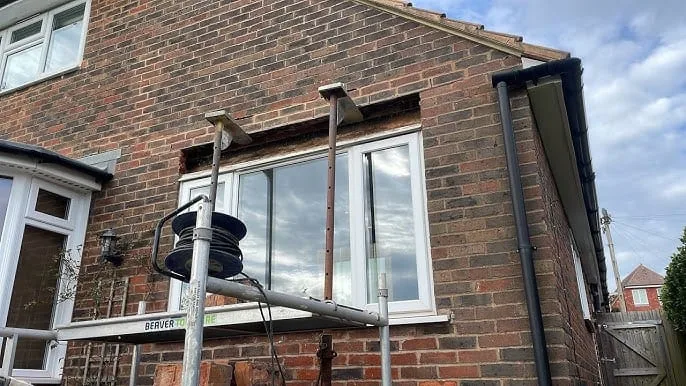
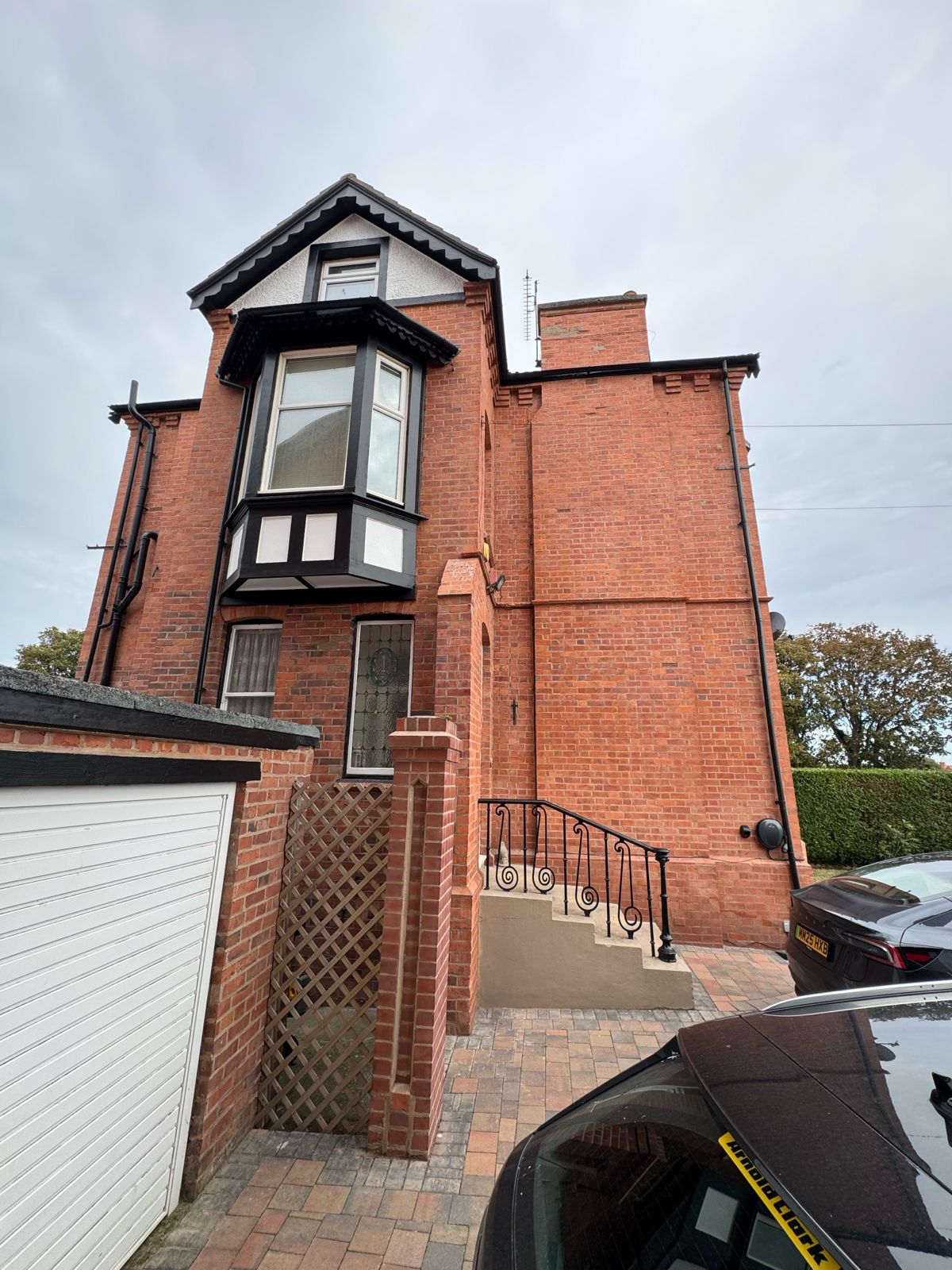
Brick house window opening with scaffold access and temporary support in place for lintel work
Access and temporary support are considered as part of the agreed sequence.

Know when to look further

Details that should be included in a lintel-repair enquiry.

These observations help identify whether the conversation is about local masonry around an opening or whether the condition needs another form of assessment before work is planned.

  • Fresh, widening or stepped cracks spreading away from a window, door, garage or patio opening
  • Bowing, dropped, loose or visibly displaced brickwork above the frame or within the adjacent courses
  • A window or door that is sticking, distorted, no longer closing evenly or separating from the wall finish
  • Rust staining, fractured concrete, decayed timber or an exposed support detail around the head of the opening
  • Gaps that are opening between brick courses, at the frame junction or beneath a sill, particularly after a change in weather
  • Loose material or an opening that appears unstable — keep clear and seek appropriate urgent help where there is an immediate safety concern

Plan your enquiry

Give the first conversation a clearer view of the opening.

Share a wide view, close detail and any survey notes or change you have noticed. It helps establish whether a lintel-focused visit is appropriate and what needs to be considered before a scope is agreed.

  • A straight-on photograph of the complete opening, plus a wider view that shows the wall, roofline, rainwater goods and ground level around it
  • Close views of cracks, rust marks, failed joints, bowed courses, frame gaps and the underside or ends of the opening detail where these are visible
  • Any survey comments, a note of changes you have noticed, listed-building context, planned window work, access constraints or concerns about loose material
Request a lintel-repair quote

Lintel repair FAQs

Questions about masonry openings and support details.

These answers explain the assessment-led approach. The cause, support arrangement, brickwork condition and wider wall still need to be considered around the individual property.

What is a lintel?+

A lintel is the horizontal support associated with a window, door, garage or other opening. It helps carry and distribute the masonry above that opening. The material and arrangement can vary widely, especially on older or altered properties.

Does every crack above a window mean the lintel has failed?+

No. Cracks around openings can have several causes, including local brick or mortar deterioration, water-related damage, previous alterations or movement elsewhere in the wall. The crack pattern and the whole opening need to be considered before a lintel repair is assumed.

Can a lintel be repaired rather than replaced?+

Sometimes the support remains suitable and the work can focus on the surrounding brickwork, joints or a local repair. If the support itself is compromised, replacement may be the right route. That distinction follows the condition of the opening and any relevant advice, not a standard rule.

When should I seek structural advice?+

Where there is significant, changing or unexplained movement; a wall is bulging or leaning; masonry is loose; or the condition of the opening is uncertain, further structural advice may be appropriate before a repair scope is agreed. Immediate safety concerns should be treated urgently.

Can the original bricks be kept?+

Where bricks are sound and can be safely retained within the agreed work, retaining them can help preserve the character of the elevation. Unsound, fractured or unsuitable earlier repair materials may need a different approach, with matching considered around the existing wall.

Will lintel work affect my window or door?+

It depends on the opening, frame condition, support arrangement, access and the repair route. A site-specific scope should explain any protection, temporary works or related joinery considerations rather than making assumptions before the condition is assessed.

Can a period or listed property have lintel work?+

Yes, but older openings can contain stone, timber, brick-arch or altered details that need careful material and construction assessment. If the property is listed or in a conservation area, check whether consent or local authority advice is needed before work is arranged.

What should I include in a lintel-repair enquiry?+

Please include wide and close photographs, the position of the opening, any visible cracking or frame distortion, relevant survey information and details about access. This gives a clearer first view of whether a lintel-focused assessment is a sensible next step.
Lintel repairGet a quote

Speak to somebody today.

Call 01625 920 888, or for the fastest way to get a quotation, click Get a quotation and fill in your details.

Get a quotation