Brickwork refurbishment FAQs
Questions about repairing, retaining and improving the full elevation.
These answers explain the material-led approach. The individual property, cause of the visible change and condition of the masonry still need to be considered before work is agreed.
What does brickwork refurbishment involve?+
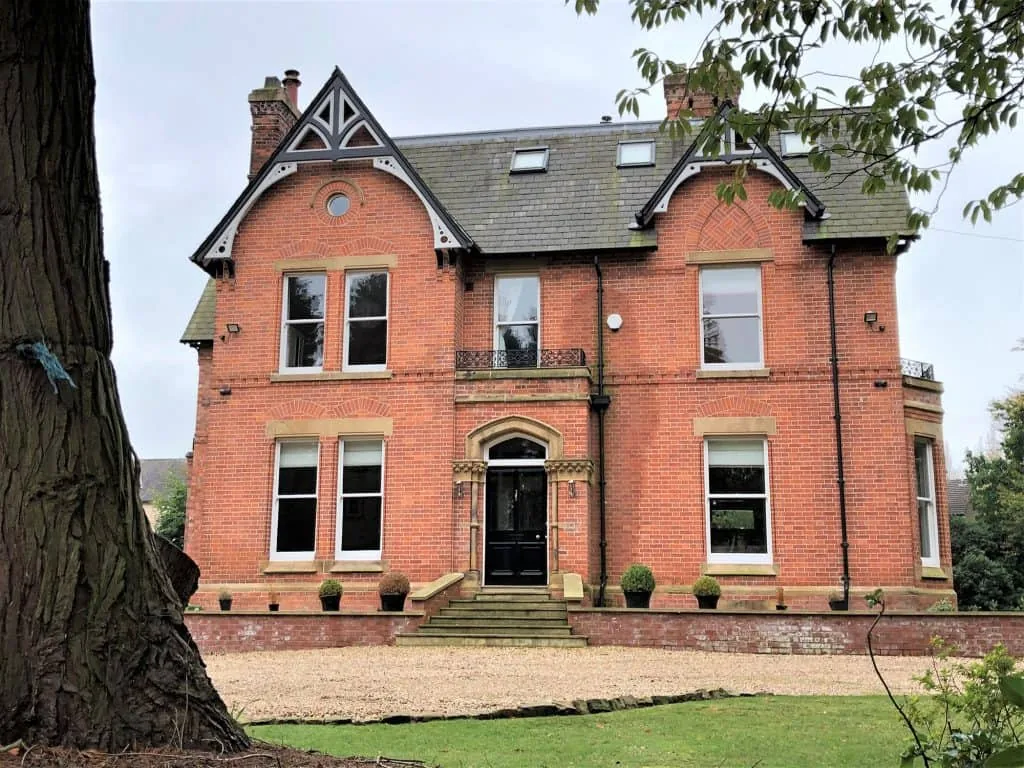
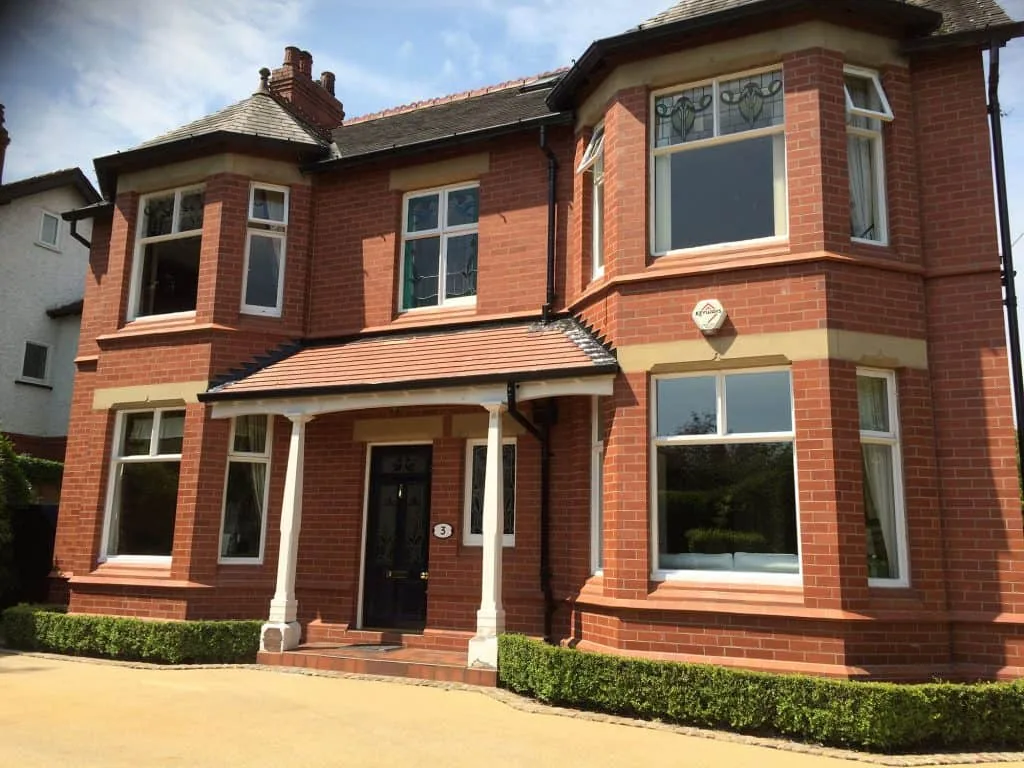
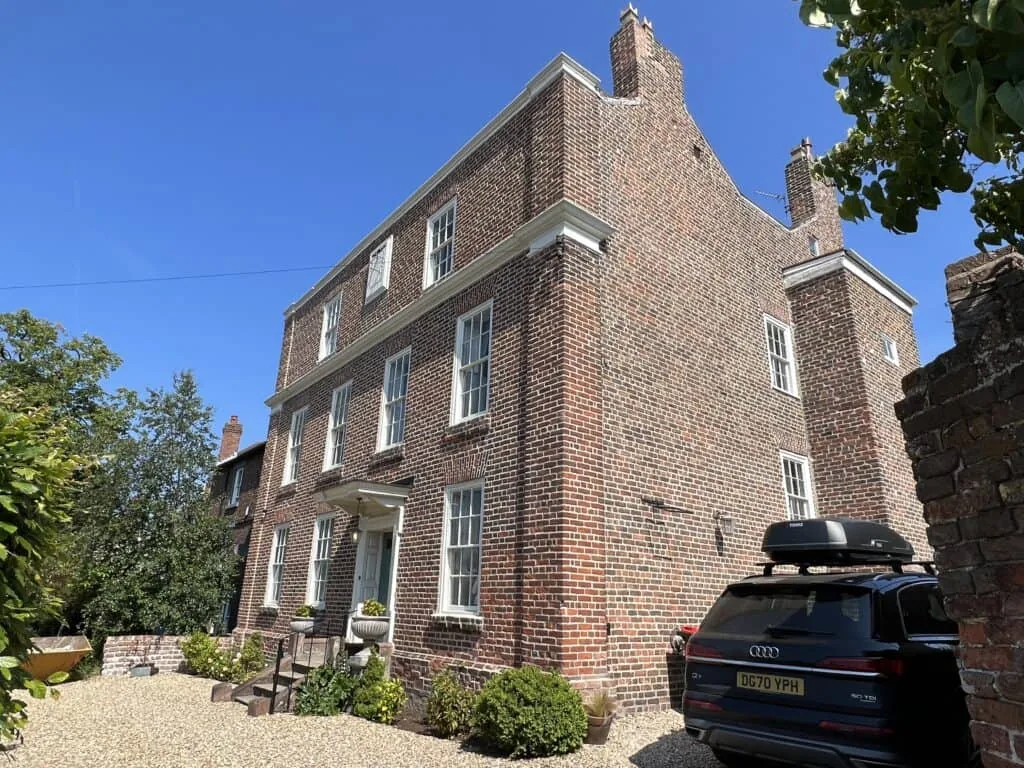
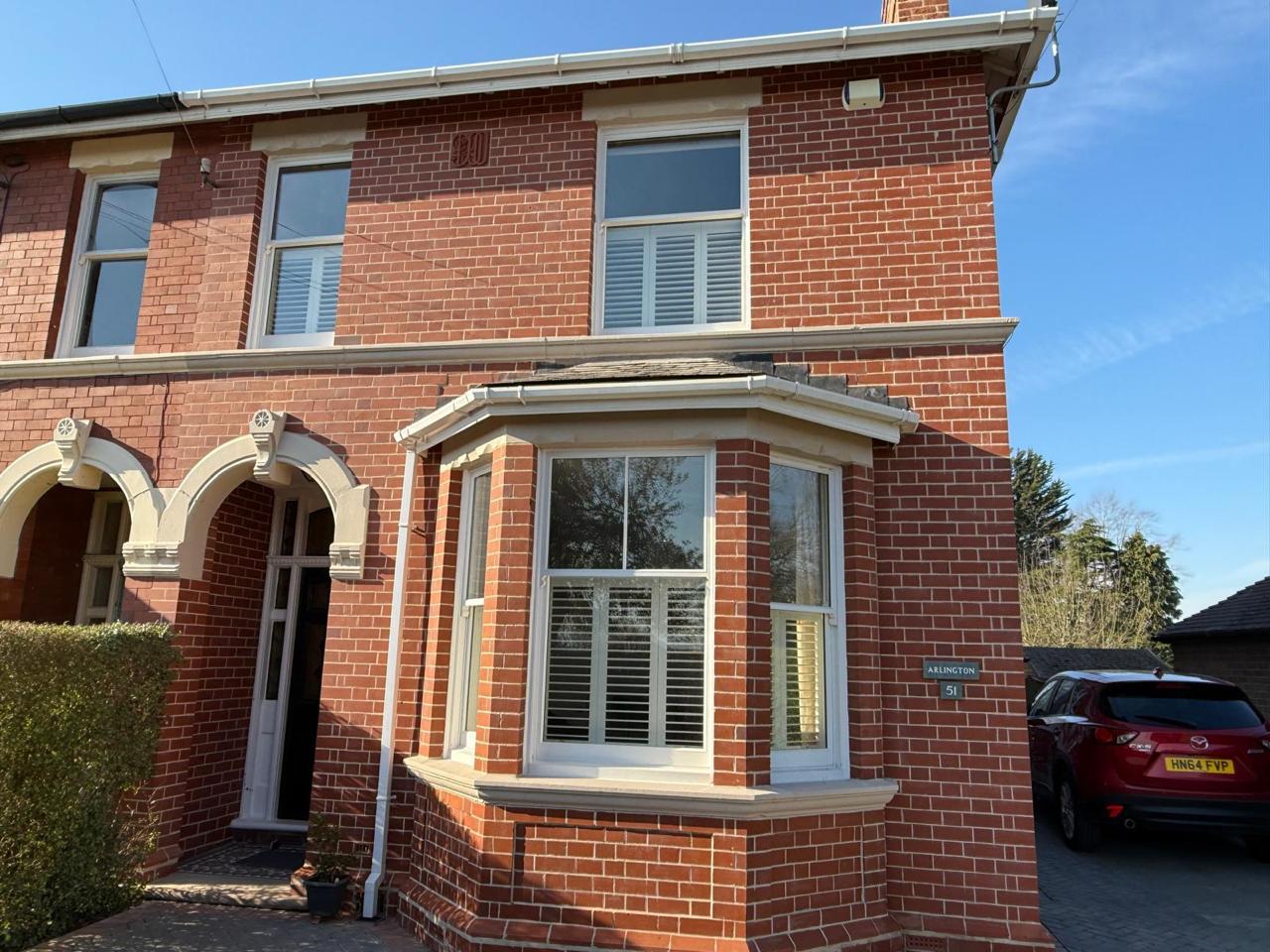
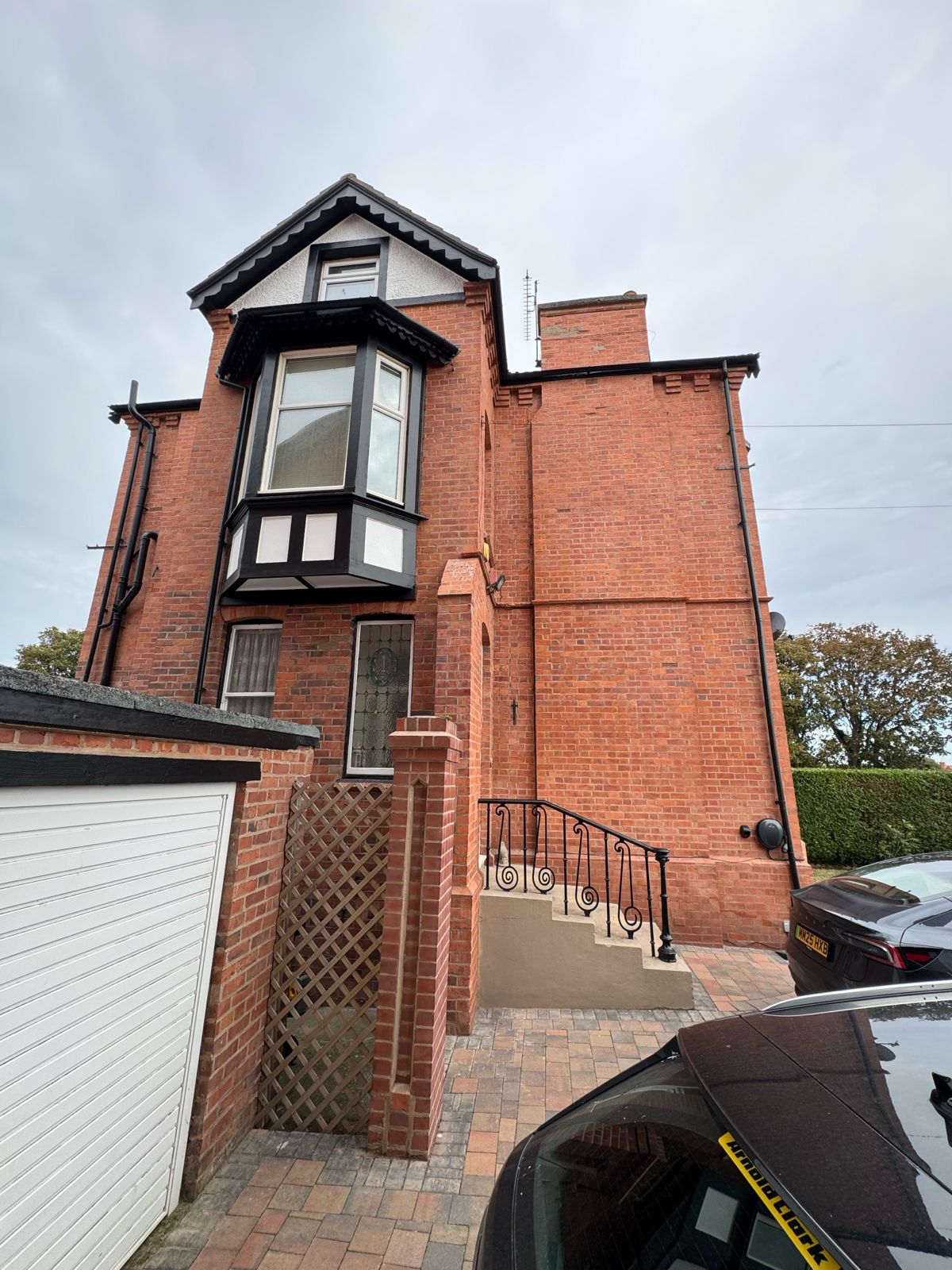
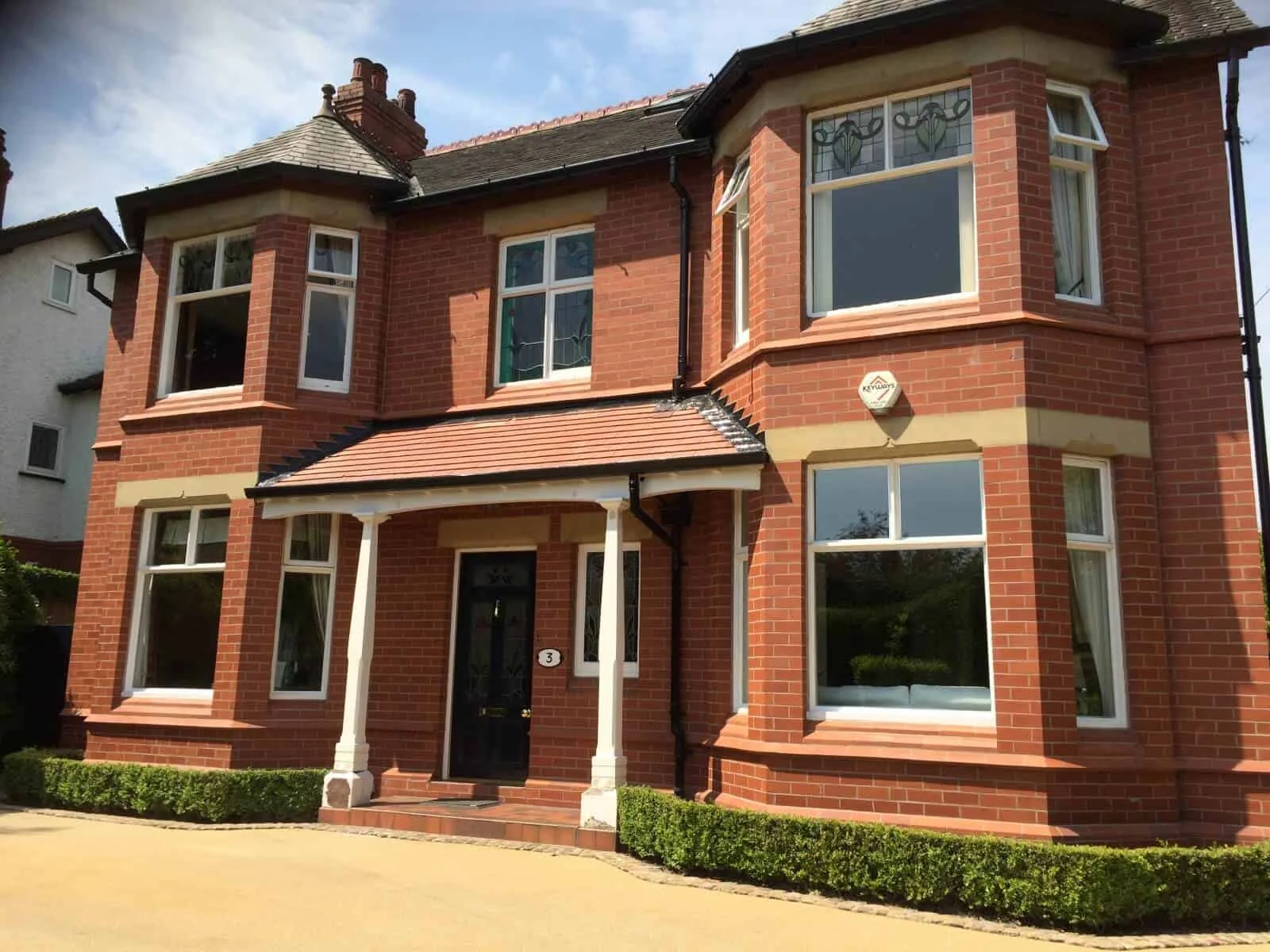
Brickwork refurbishment is an assessment-led term for bringing weathered, altered or visually inconsistent masonry into a sounder and more coherent condition. Depending on the elevation, it may involve careful cleaning, local brick repair, compatible joint work, matching or colour adjustment. It is not a fixed package applied to every wall.
Will refurbishment make original bricks look brand new?+
The aim is not to make traditional masonry look newly manufactured. A considered scope respects the brick’s existing texture, age and natural variation while addressing the parts of the wall that are genuinely damaged, failing or visually disruptive.
Can brick cleaning be part of refurbishment?+
It can be discussed where the brick face, mortar and deposit indicate that a controlled cleaning approach is suitable. Cleaning may also reveal failed joints, damaged brick edges or earlier repairs that should be considered separately before the finished scope is agreed.
Can a spalled brick be repaired instead of replaced?+
That depends on the brick’s condition, the depth of the damage and the cause of the deterioration. Where the original unit remains sound enough, a local repair may be considered. Where it does not, a carefully selected replacement may be the more appropriate route.
How are mismatched repairs dealt with?+
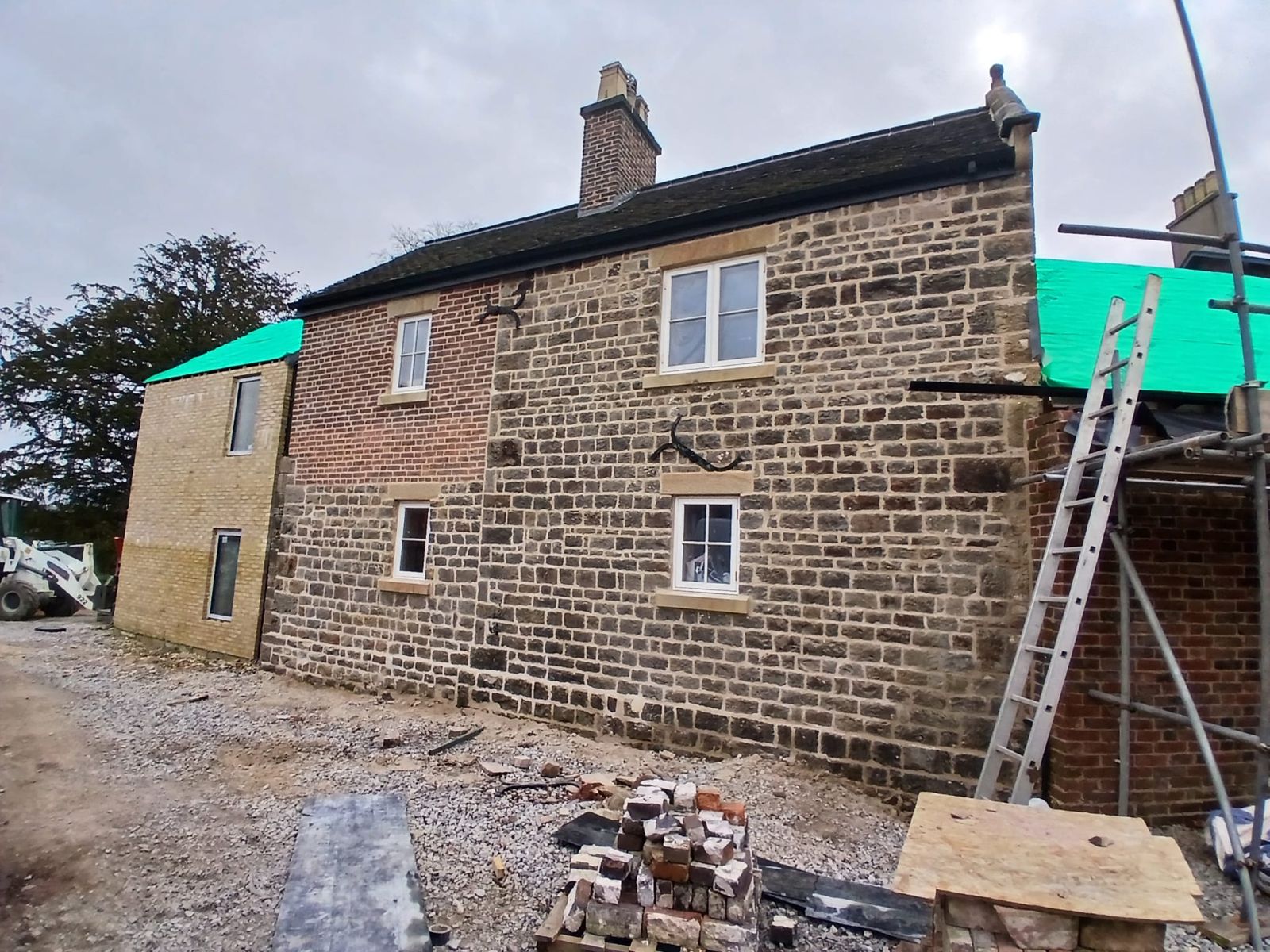
The existing brick dimensions, texture, colour range, mortar, bond and weathering all matter. A closer physical match may be possible; for some sound repair areas, a carefully tested local colour adjustment can also be discussed. The approach is chosen around the specific elevation rather than a single sample chip.
Is refurbishment suitable for a listed or traditional building?+
Traditional and listed buildings need particularly careful material and permission considerations. The existing construction, repair history, local authority requirements and scope of change should be understood before work is planned. We can discuss the visible masonry work, but any required consents remain the property owner’s responsibility.
Will a seal or protective coating be applied?+
Not as a standard final step. Coatings or water-repellent treatments need a separate suitability discussion after the masonry condition and source of any moisture concern have been considered. A treatment should not be used to hide failed pointing, cracks or another unresolved defect.
What should I include in a brickwork refurbishment enquiry?+
Please share wide and close photographs, the affected elevation’s position on the property, details of any rainwater or moisture concern, previous repairs and the outcome you hope to achieve. That makes it easier to decide whether a targeted refurbishment discussion is the right next step.