Heritage property restoration

Heritage property restoration in Staffordshire

Careful, material-led masonry repair for traditional and characterful properties — from weathered mortar and local brickwork to detailed elevations, chimneys and architectural features.

A clear starting point

What does heritage property restoration involve for masonry?

Heritage property restoration begins with the existing brickwork, stone, mortar and architectural details. Sound original fabric is retained where possible, with focused repairs and compatible materials selected around the building's condition, exposure and previous work. Cleaning is considered only where suitable, potentially after a controlled test area. Listed status, conservation-area context and proposed changes may affect approvals; owners should confirm requirements with the relevant authority before instructing work.

Explore the Staffordshire repointing guide

Begin with the building that is there

Care for older masonry without turning every repair into a replacement.

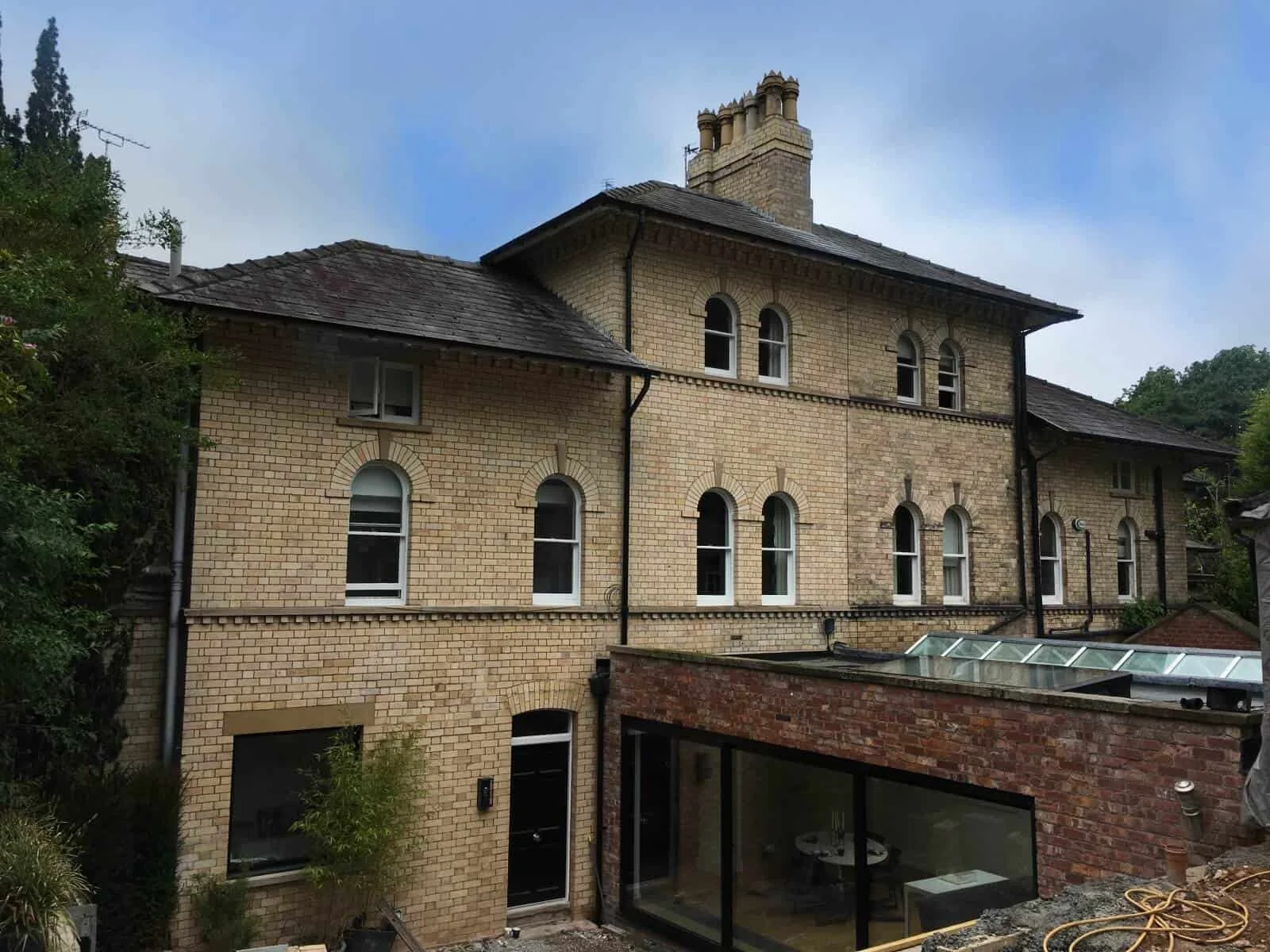
Traditional properties often carry their character in the small details: varied brick faces, softened mortar joints, handmade units, decorative courses, arched openings and the way materials change across an elevation. A useful repair discussion starts by understanding that fabric in context.

We look at the accessible masonry, mortar, surrounding details and visible water routes before discussing focused work. The aim is to retain sound material where possible and define a practical repair route around the individual building, not impose one finish across every period property.

Discuss a heritage property
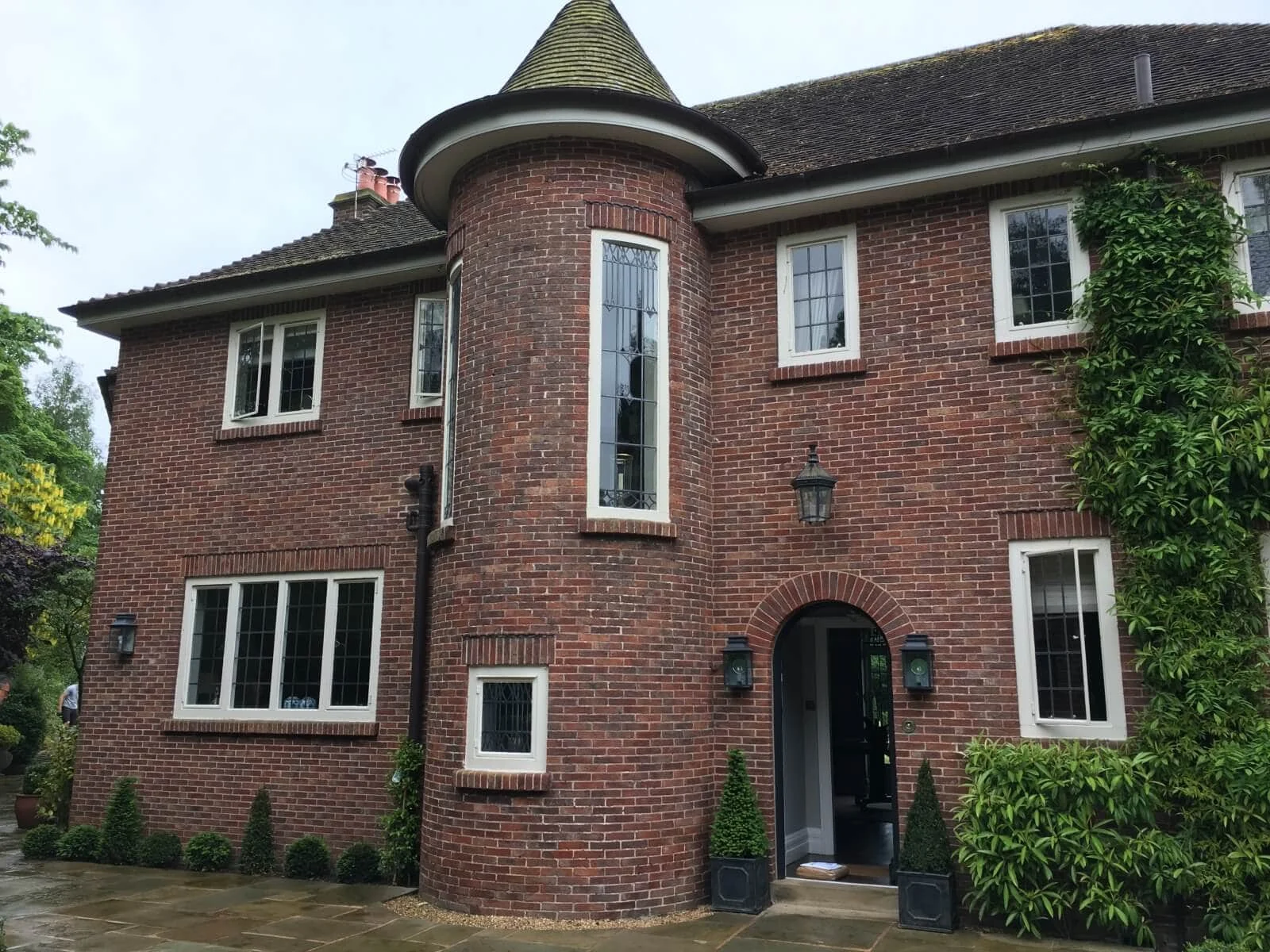
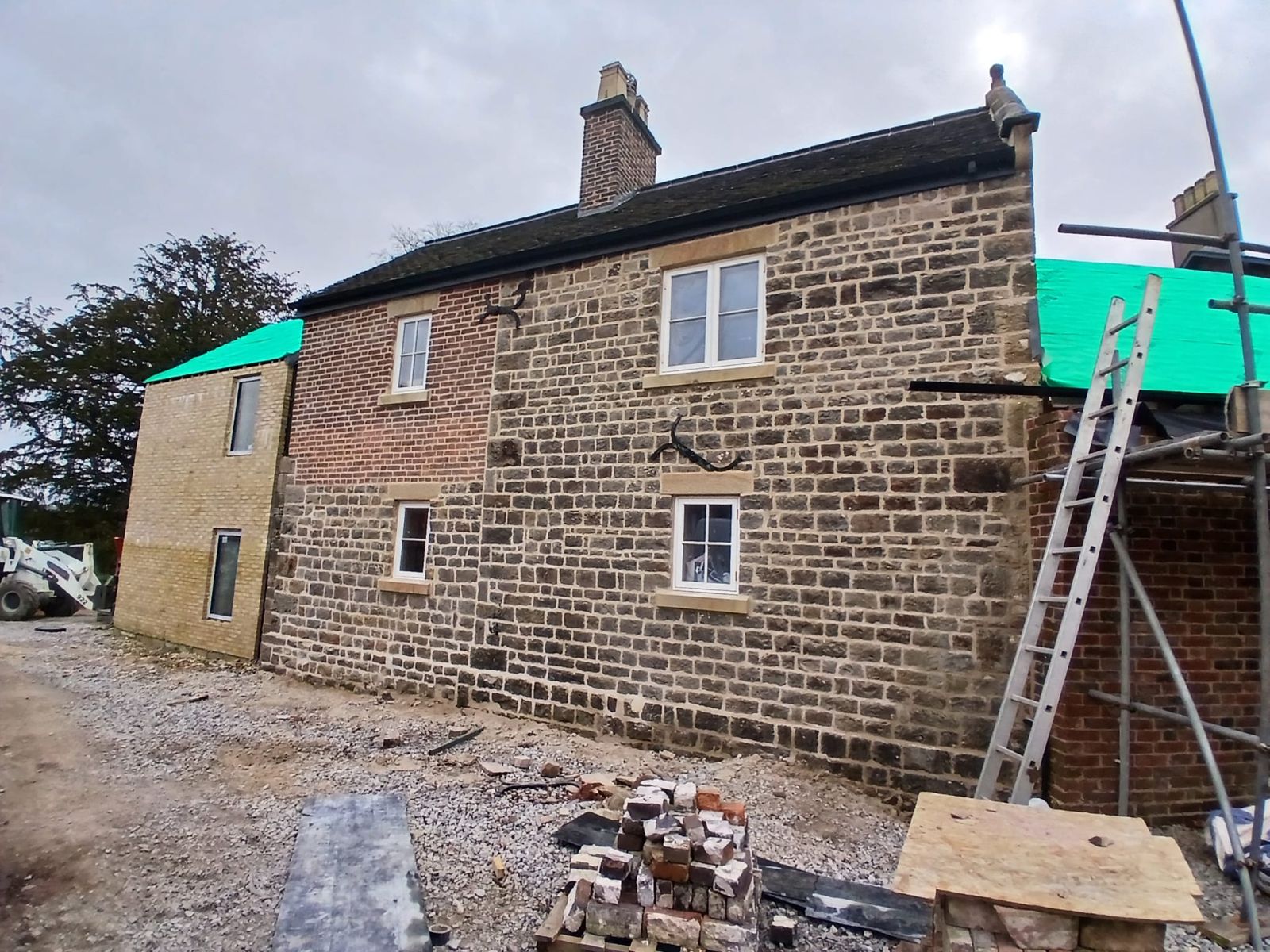
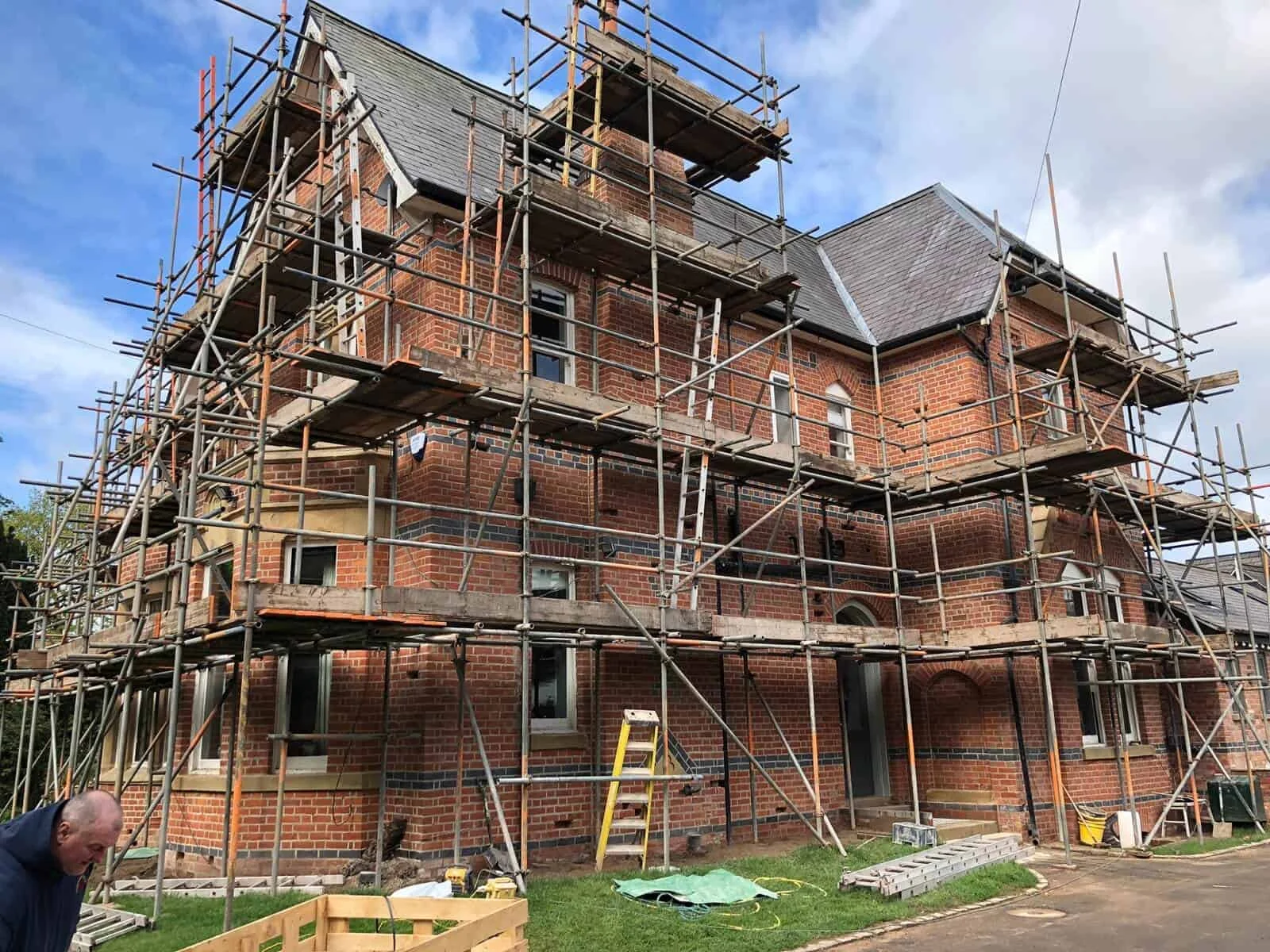
Large red-brick period house surrounded by scaffolding during external masonry work
Access, rooflines, openings and the wider elevation all matter when masonry work is planned.

A careful restoration route

Four principles for traditional masonry work.

Heritage property restoration is not a fixed package of treatments. The character and condition of the existing fabric should guide the practical limits, materials and sequence of any repair work.

01

Read the building as a whole

A weathered joint, altered brick or local damp mark can be connected to rooflines, rainwater details, earlier work or the way different parts of the building have moved over time. The wider elevation gives the repair question its context.

02

Retain sound original fabric

Older masonry often carries useful evidence in its brick faces, joint profiles and natural variation. A careful scope keeps sound material in place where possible and focuses intervention on the parts that genuinely need attention.

03

Select compatible materials

Brick type, stone, mortar, finish and previous repairs each influence a suitable repair approach. The aim is to choose materials and detailing that work with the existing construction rather than imposing a standard modern finish.

04

Keep permissions separate and clear

Listed status, conservation-area context and the nature of the proposed change can affect what needs to be agreed before work starts. Property owners should confirm any consent or approval requirement with the relevant authority before a scope is instructed.

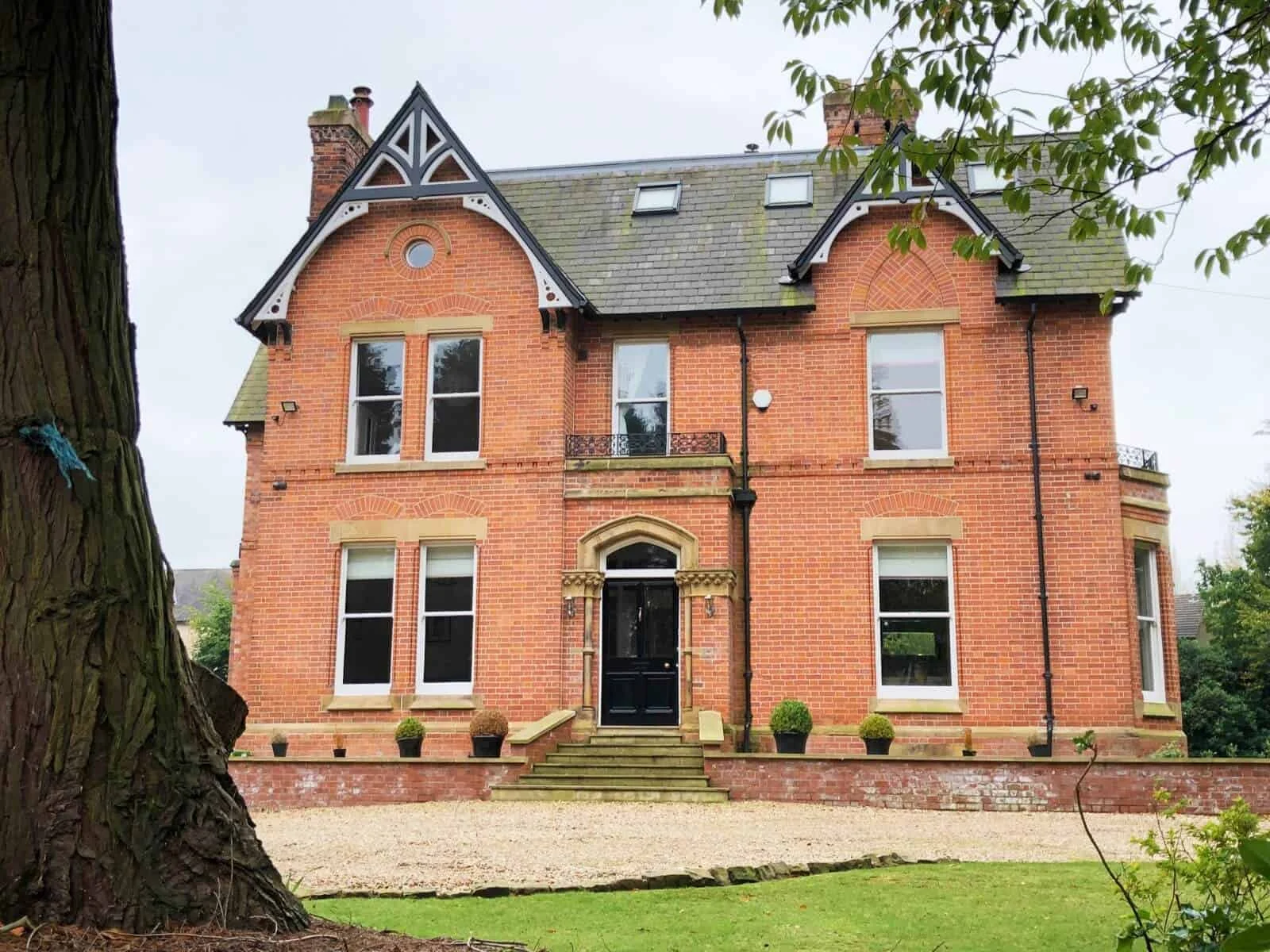
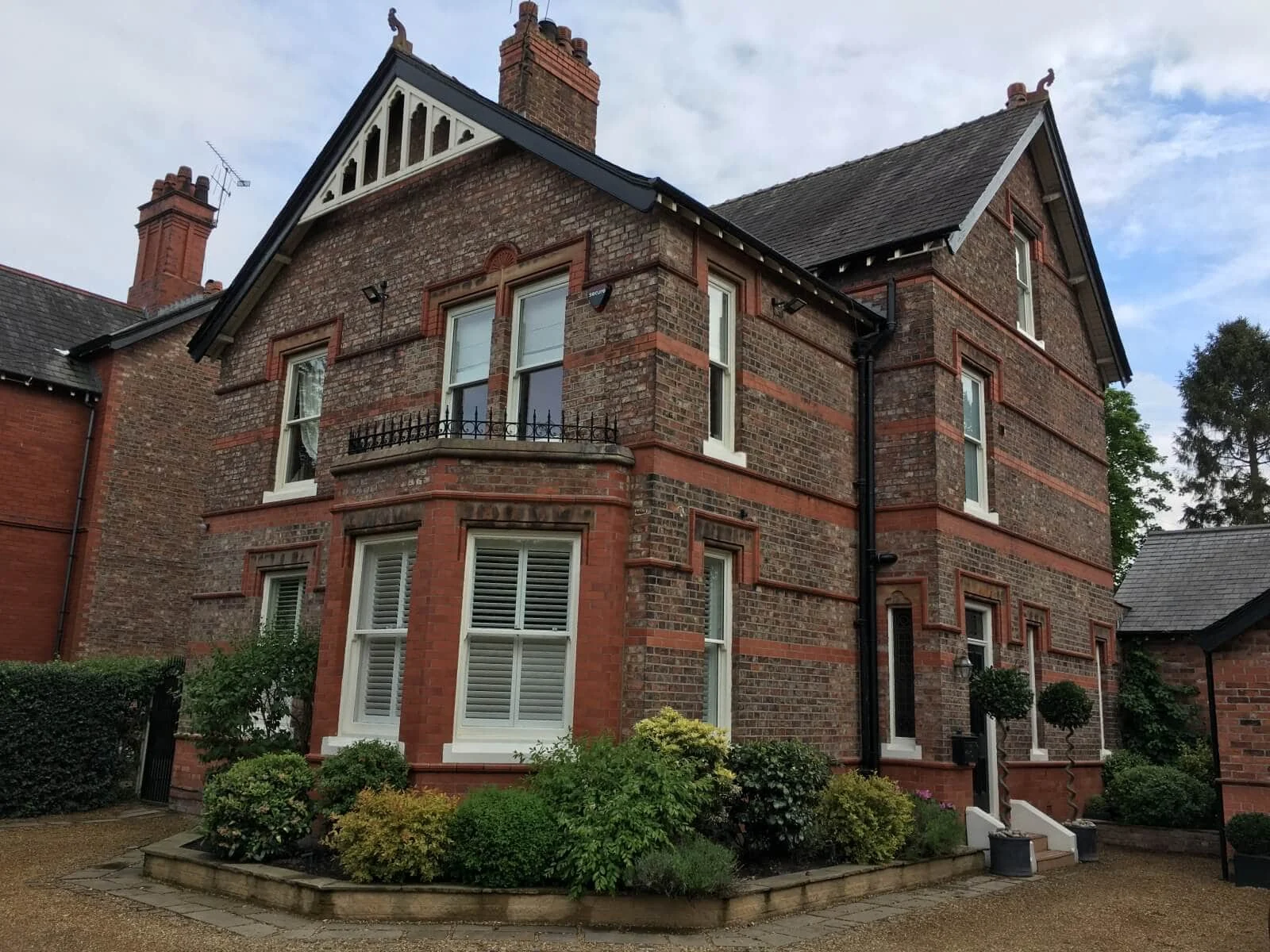
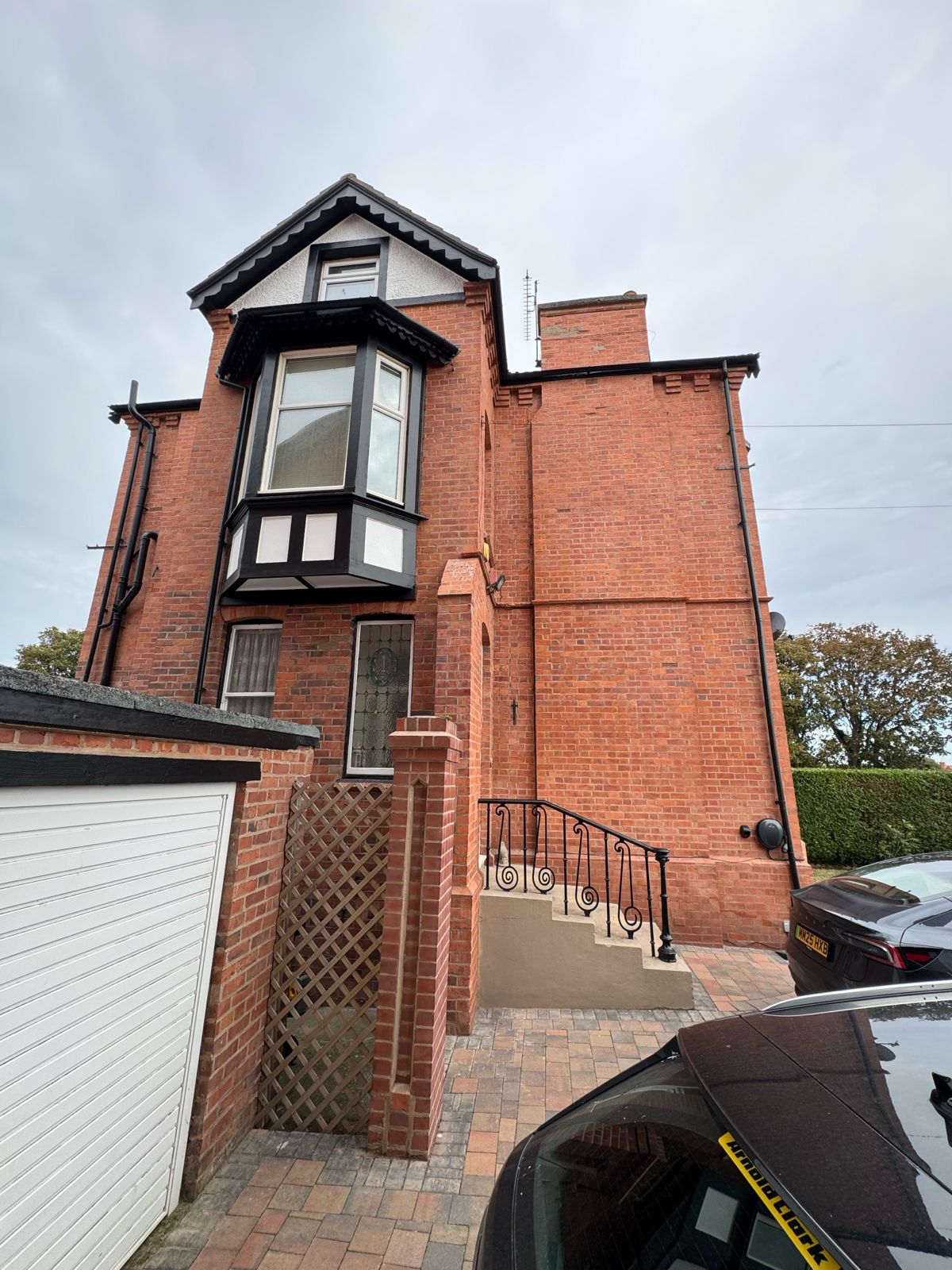
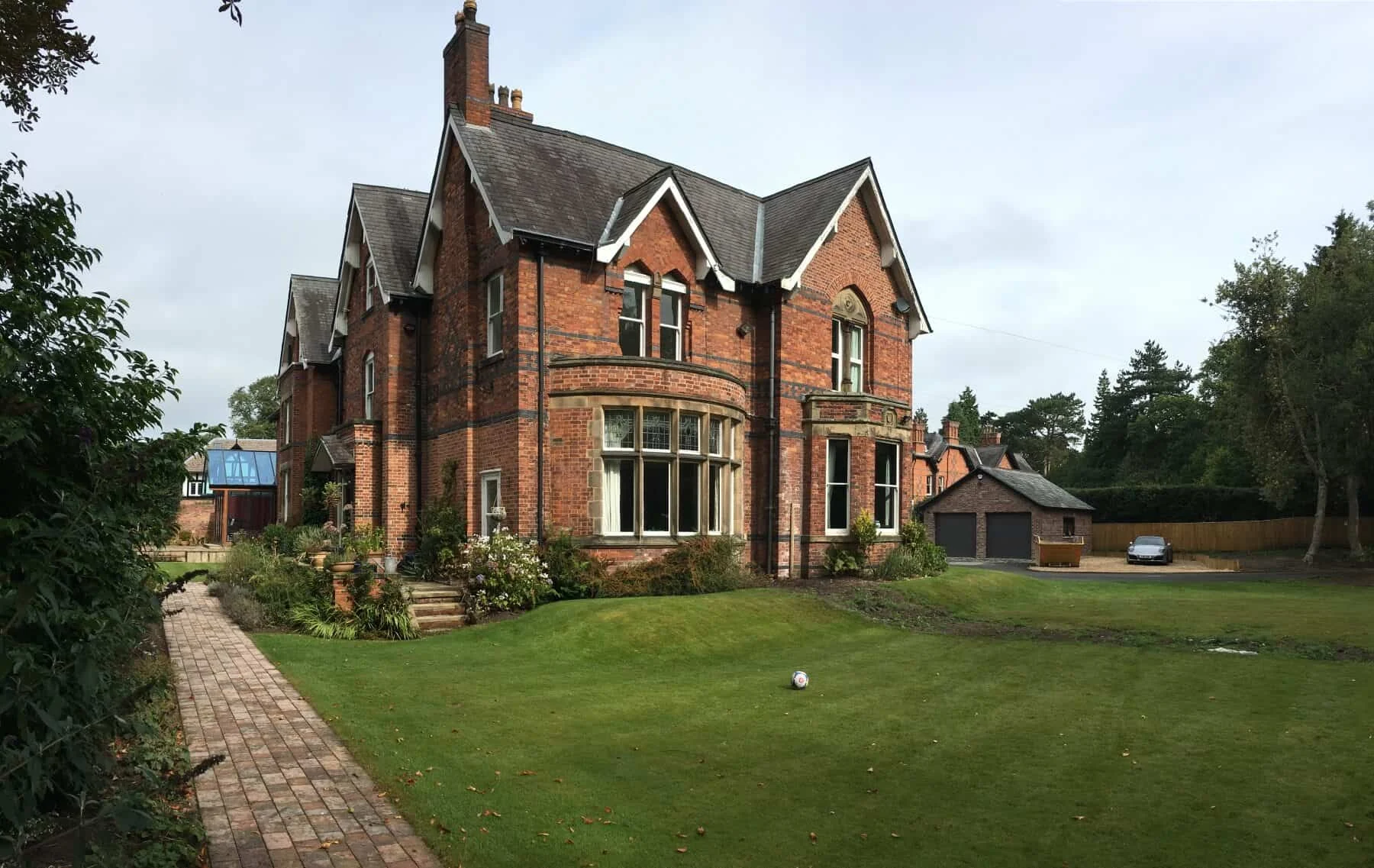
Traditional red-brick villa with decorative gables, timber windows and a slate roof
Brick tone, joint profile, opening details and weathering should be considered together.

Work that follows the fabric

Different parts of a period property can need different, connected decisions.

The work below is not automatically applied to every building. It sets out the questions that may be relevant after the visible masonry, condition and context have been reviewed.

01

Mortar and joint repair

Open, hard, cracked or visually intrusive joints need to be considered with the brick or stone around them. Existing mortar, joint profile, exposure and earlier repairs guide the preparation and compatible material discussion.

02

Local brick and stone repair

Spalled faces, damaged edges, local fractures or missing units are assessed against the surrounding fabric. Retaining, repairing or replacing a material should be a response to its actual condition, not a default choice.

03

Surface condition and cleaning

Staining, coating, soot or biological growth can change a façade’s appearance, but cleaning is never assumed. The surface, mortar, deposit and a small test area may all need consideration before a broader treatment is proposed.

04

Openings, chimneys and details

Arches, sills, decorative courses, chimney stacks, roof junctions and rainwater details often influence the condition of nearby masonry. A focused repair works best when these connected details are not treated as an afterthought.

A clear route from enquiry to detail

Work through the masonry in the right order.

A simple sequence helps keep condition, compatible materials, owner decisions and the final repair linked to the actual building.

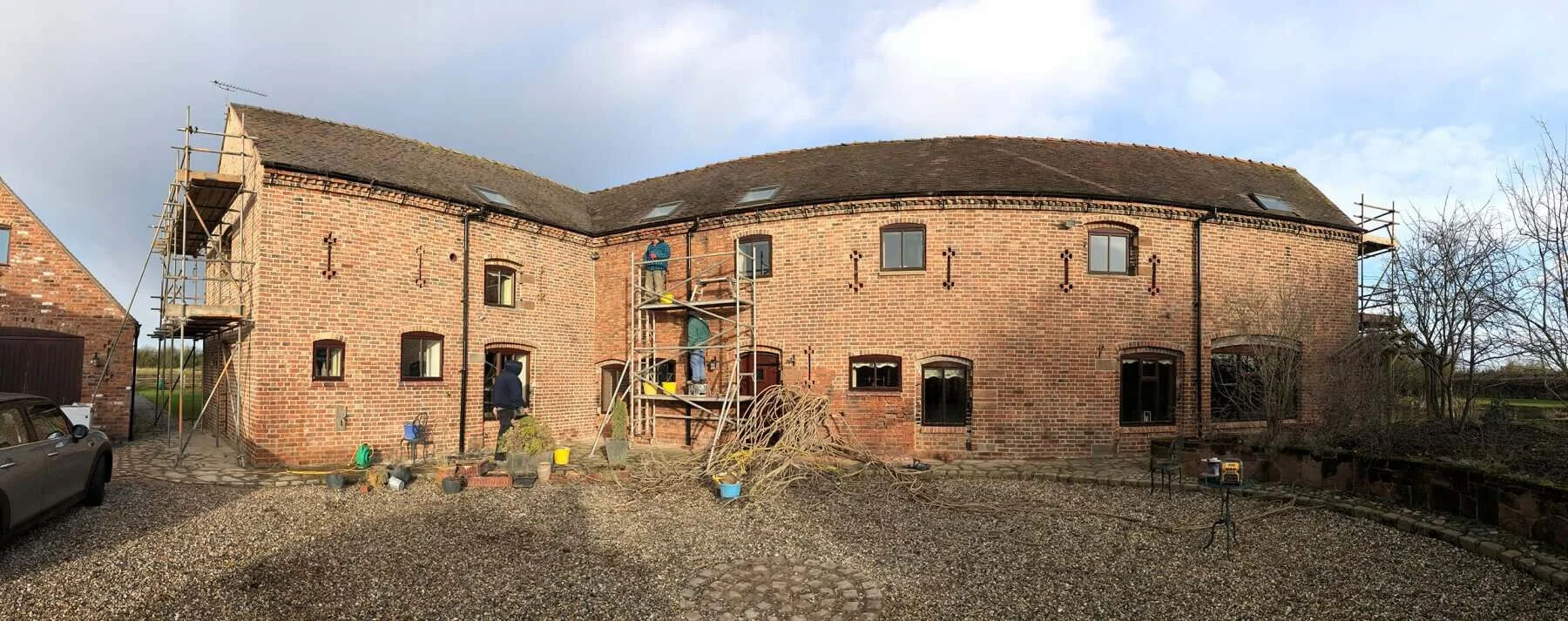
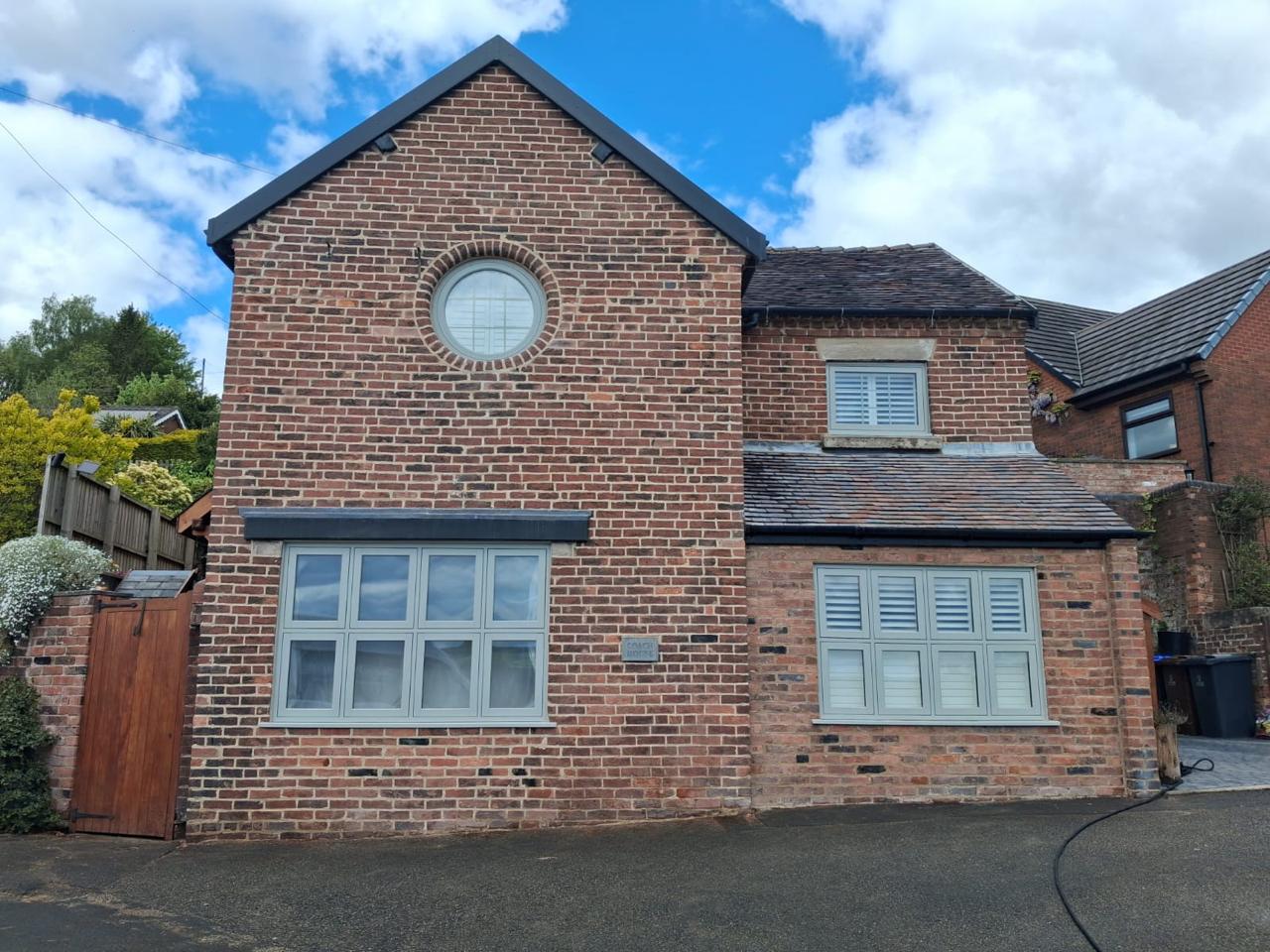
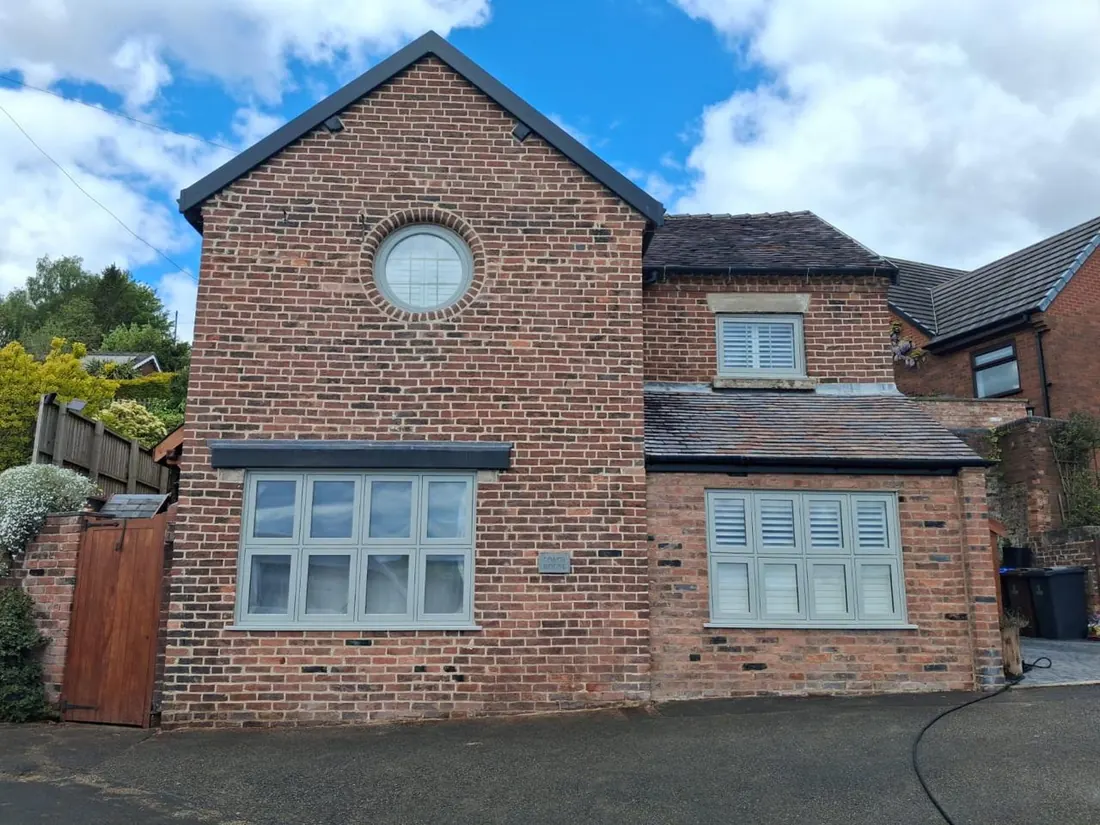
Long traditional brick outbuilding with a tiled roof and regular arched opening details
Long elevations and repeated details can make a full-property view especially useful.
01

Review the accessible masonry

We begin with what can be safely seen: the brick or stone, mortar, visible repairs, openings, water routes and the wider elevation around the concern.

02

Define a material-led scope

Where masonry work is appropriate, the scope is shaped around the existing fabric, condition, access and the repair work that can be clearly described without assuming a universal treatment.

03

Confirm approvals before instruction

For a listed or protected building, the owner should confirm any required consent, approvals or project-team requirements before work proceeds. These decisions sit separately from the masonry quotation.

04

Complete and review the detail

The agreed work is reviewed against the adjacent masonry, joints and architectural features so the completed area reads naturally within the character of the property.

Plan your enquiry

Give the first heritage masonry conversation a clearer view.

Include the visible condition, the property context and any information already available about the building. It helps establish whether a masonry repair discussion is the right next step and which decisions need to be kept separate.

  • A wide photograph of the elevation, including roofline, openings, chimneys, rainwater goods and the position of the affected area
  • Close photographs of the joints, brick or stone faces, decorative details, earlier patches, staining or material loss that concerns you
  • A note of any previous work, recurring moisture issue, recent change or professional advice already received about the property
  • Whether the property is listed, in a conservation area or subject to a project requirement that may affect access, permission or sequencing
Request a heritage property quote

Heritage property restoration FAQs

Questions about traditional masonry and careful repair.

These answers explain the material-led approach. The construction, condition, access and any required permissions still need to be considered around the individual property.

What is heritage property restoration?+

For masonry, heritage property restoration means assessing the existing brickwork, stone, mortar and architectural details before agreeing focused repair work. The aim is to retain sound original fabric where possible and choose materials and finishes that respect the character of the building rather than applying a generic modern treatment.

Do you work on listed buildings?+

We can discuss visible masonry repair, pointing, local brickwork, cleaning and chimney-related work for suitable listed or traditional properties. The property owner remains responsible for checking listed-building consent, planning requirements and any other approvals with the relevant authority before work is instructed.

Will every traditional property need lime mortar?+

Not automatically. Older masonry often needs a careful discussion about the existing mortar and brick or stone, but the appropriate material depends on the construction, condition, location and prior repairs. A mortar choice should follow the individual property rather than the building’s age alone.

Can hard cement pointing be removed from an old wall?+

It may be a relevant discussion where mortar is incompatible, failing or contributing to deterioration, but removal needs to be considered carefully against the condition of the adjacent masonry. The scope, tools, depth of work and replacement mortar should be selected around the individual wall.

Can heritage brickwork be cleaned?+

Sometimes, but only after considering the brick face, mortar, type of deposit, earlier coatings and likely cause of staining. A controlled test area can help establish whether a proposed method is suitable. Cleaning should not be used to conceal defective joints, damaged bricks or another unresolved issue.

Can damaged traditional bricks be repaired instead of replaced?+

That depends on the depth and cause of the damage, the condition of the remaining unit and the surrounding masonry. Where enough sound material remains, a local repair may be considered. Where it does not, a carefully selected replacement may be the more suitable option.

Do I need consent before heritage masonry work starts?+

The answer depends on the building, its designation, the proposed change and local requirements. Listed building consent or another approval may be needed for some works. Check directly with the relevant local planning authority or your professional adviser before work is instructed; a masonry quotation does not confirm consent.

What should I include in a heritage property restoration enquiry?+

Send wide and close photographs, the property postcode, the affected elevation, a short description of the change you have noticed and any known listed, conservation-area or project context. This gives the first conversation a clearer view of the masonry, access and decisions that may need to be made before a scope is agreed.
Heritage propertyGet a quote

Speak to somebody today.

Call 01625 920 888, or for the fastest way to get a quotation, click Get a quotation and fill in your details.

Get a quotation