Reduce exposed joint lines
Where mortar has recessed or failed, renewing suitable joints can help reduce the routes where rain is able to sit against the brickwork.
Staffordshire Pointing is part of the Cheshire Pointing Group Limited, (established 2003).
Repointing brickwork
Plan brickwork repointing around condition, repair sequence, compatible mortar and access. Explore the renewal service and request a property-specific quotation.
A clear starting point
Repointing is planned around the existing mortar, the condition of the brick or stone, access and the cause of any wider damage. Related defects may need attention before failed joints are renewed. A clear scope should distinguish localised repairs from broader repointing and identify compatible materials and finishes. Explore our brick repointing service for mortar-joint renewal, or discuss a separate masonry assessment where the condition needs closer review.
A considered service
Defective mortar can let water into a wall and leave brick edges more exposed to weathering. The best repair route is not always simply to replace every visible joint: brick condition, earlier patching, mortar hardness and exposure all deserve attention first.
Once the scope is clear, failed mortar can be prepared to an appropriate depth and renewed with a compatible finish. Local brick repair, cleaning or detail work may also be discussed where it supports a sound result.
Discuss your property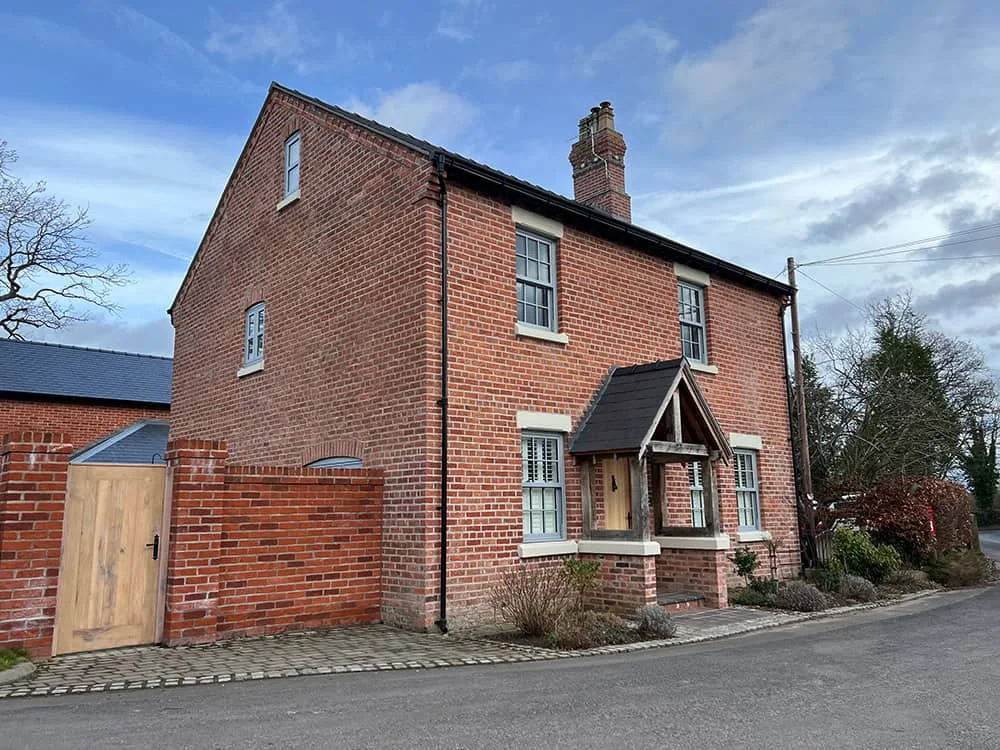
Why repoint the brickwork?
Mortar is there to support and protect the brickwork, not simply fill the lines between bricks. When joints fail, a well-planned repair considers the entire elevation and the materials that are already in place.
Where mortar has recessed or failed, renewing suitable joints can help reduce the routes where rain is able to sit against the brickwork.
A good pointing scope is built around the condition of the bricks as well as the mortar, so damaged arrises and weak local repairs can be considered first.
The building age, existing joint material, brick type and wall exposure all help inform whether a lime-based or another compatible mortar is appropriate.
Methodical preparation and a consistent finish can bring a weathered elevation back into order without taking away the variation of the existing brickwork.
The depth of preparation, the finish and the surrounding masonry details all matter when the aim is to give the repaired joints a long and useful service life.
The right mortar matters
Traditional brickwork may need a different approach from more recent construction. Brick hardness, existing mortar, previous repairs and the way the wall handles moisture are all useful details before a compatible material and finish are discussed.
For some older properties, a lime-based mortar may be appropriate. On others, a different compatible mix may be the better route. The purpose is to repair the wall in a way that respects its construction and the exposure it faces.
Discuss your repointing workA clear three-step route
A careful sequence helps keep the scope clear. Preparation, material choice, protection and the final finish should all be discussed in relation to the property rather than treated as separate decisions.
We look at the mortar, brick condition, previous repairs, exposure and access. This makes it possible to identify priority areas and discuss whether associated brick repair or cleaning is needed.
Loose or unsuitable mortar is prepared to a suitable depth with care taken around brick edges, nearby openings and the parts of the elevation that are most exposed to weather.
The agreed compatible mortar is placed and finished around the wall. Protection, access, waste arrangements and a clear final tidy are planned as part of the work rather than an afterthought.
See the wall as a whole
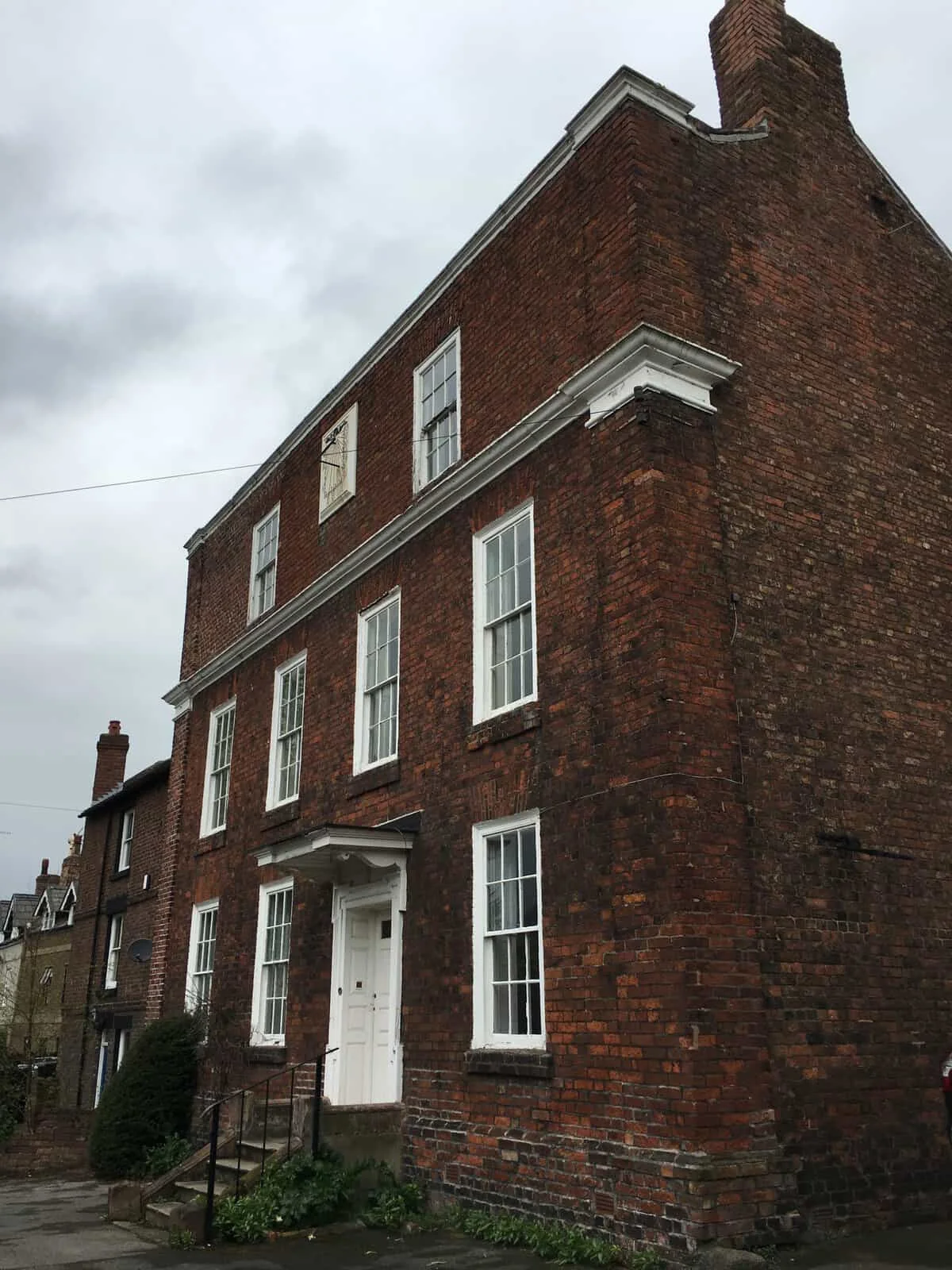
On older elevations, failed mortar may appear alongside weathered brick faces, old coatings, damaged details or earlier patches. Looking at the full wall helps ensure that the new joints are not asked to disguise another repair need.
The aim is to keep the character of the brickwork visible while giving the masonry a sound, considered finish. Any brick replacement, local repair or cleaning requirement should be planned before the pointing work is completed.
Plan a brickwork assessment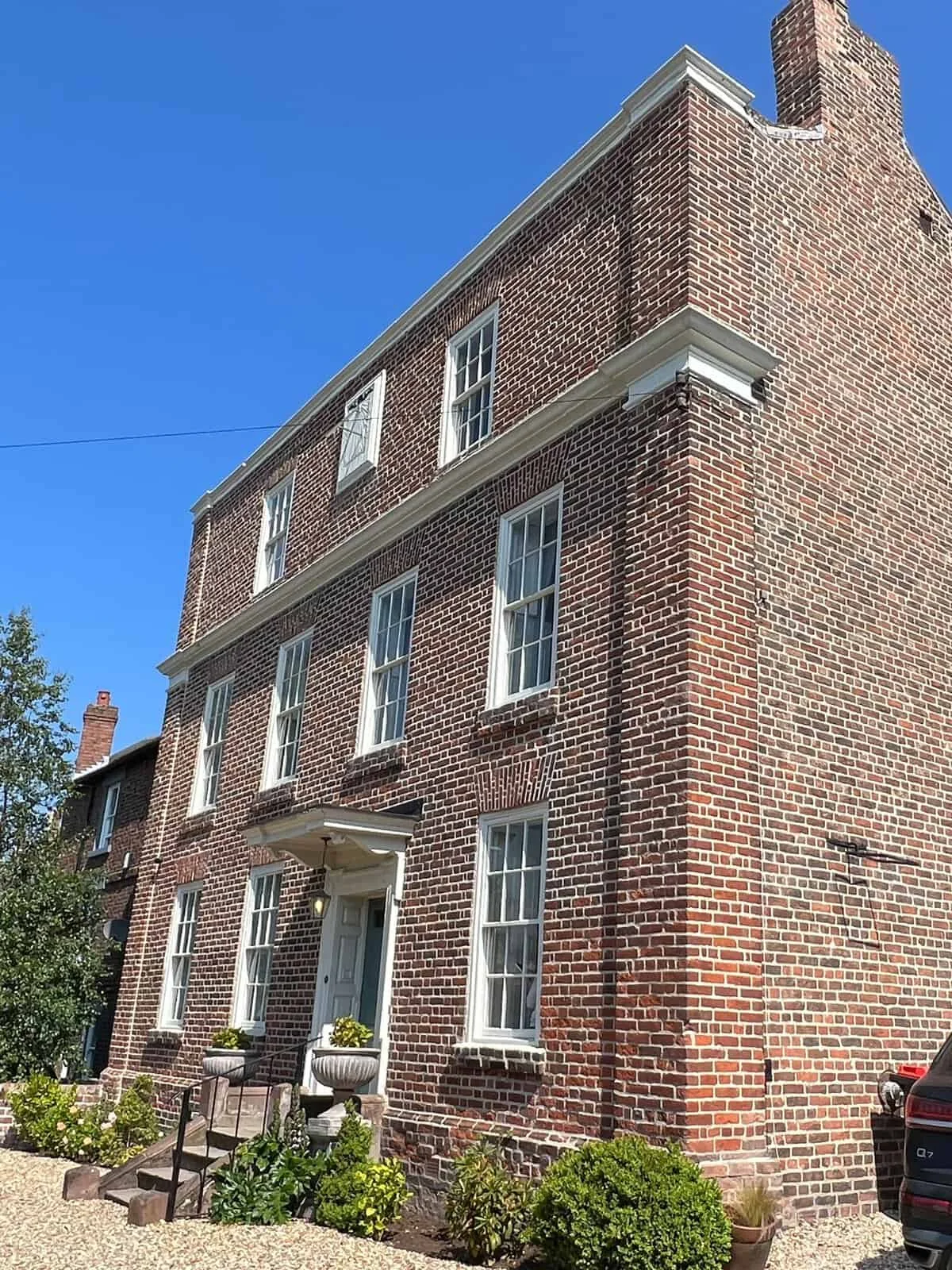
Make your enquiry useful
Clear photographs make it easier to understand what has weathered and what may need separate attention. They are a useful starting point before a site visit or a more detailed quotation discussion is arranged.
Look closer
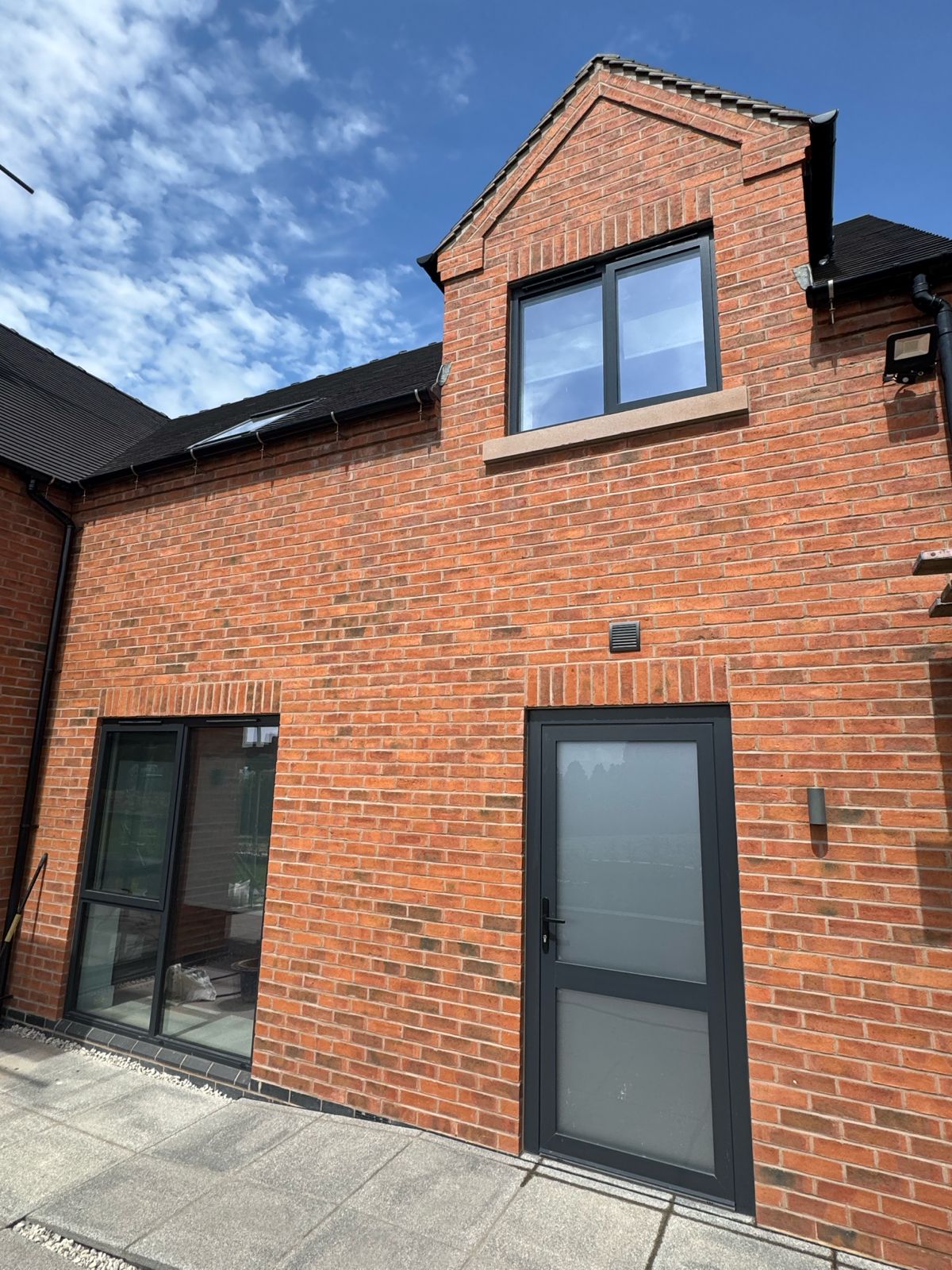
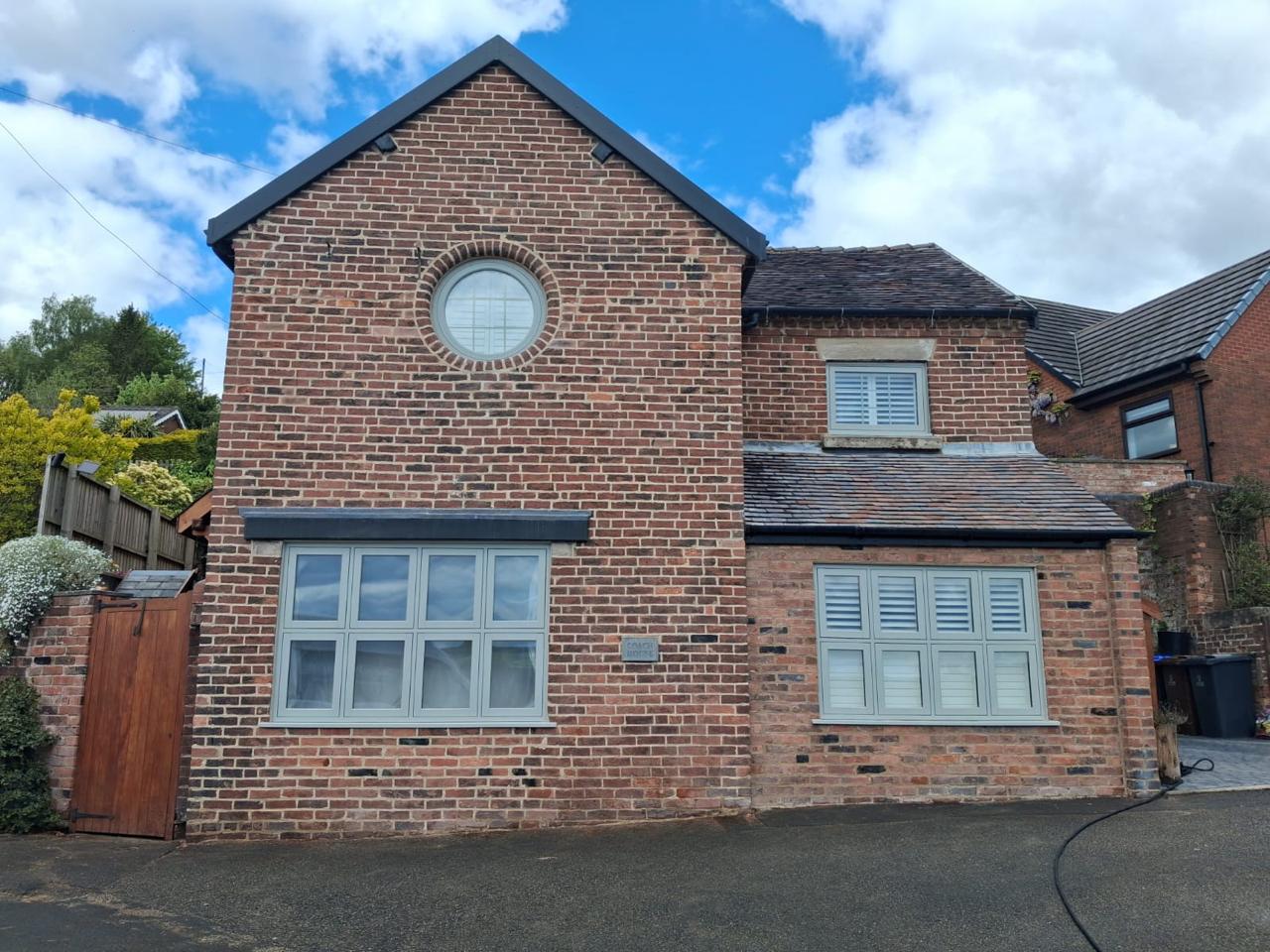
Compare the surface condition of the brickwork with a later repointed view. The correct joint depth, mortar and finish are selected after an inspection of the actual wall.
Our projects
Take a look at some of the work we have completed, from the repair work and materials used through to the finished result.
Helpful reading
Explore the relevant detailed guides below. They support, rather than replace, an assessment of the individual building.
For the wider picture, start with the homeowner’s repointing overview covering condition, materials, safe access and repair planning.
Brickwork costs guide9 minute read
Property maintenance guide8 minute read
FAQs
Every property has its own material, condition and access considerations. These answers explain the points we would normally discuss before a scope is agreed.
Mortar that is soft, missing, cracked, loose or noticeably recessed can be a sign that the wall needs a closer look. Damaged brick edges, staining and damp marks near the joints are also useful details to include in an enquiry.
The scope follows the actual condition of the elevation. Some properties need priority repairs or a single exposed wall addressed first, while others may benefit from a larger programme. A survey helps set out the sensible route.
Lime mortar can be appropriate for many traditional properties, but it should not be selected automatically. The original construction, existing mortar, brick condition and the wall’s exposure all help guide a compatible choice.
Yes. Loose, spalled, fractured or poorly patched bricks can be assessed as part of a wider repointing scope. The aim is to address the masonry condition before a new mortar finish is formed around it.
The approach depends on the property, height and work area. Before work begins, the access, protection of nearby surfaces, waste handling and any scaffold requirements are agreed around the practical scope.
A wide photograph of each affected elevation plus close views of the joints are the most useful starting point. Please include any damaged bricks, previous patches, rainwater details and access restrictions that may affect the work.
Call 01625 920 888, or for the fastest way to get a quotation, click Get a quotation and fill in your details.