Test the surface first
A small trial area helps us understand how a deposit responds and whether the substrate is suitable before a wider scope is discussed.
Staffordshire Pointing is part of the Cheshire Pointing Group Limited, (established 2003).
Laser cleaning
A focused, non-abrasive way to assess suitable surface deposits on brick, stone and architectural details—without treating every wall with a broad cleaning method.
A clear starting point
Laser cleaning is a controlled, non-contact method that uses focused light energy to lift selected deposits from suitable brick, stone and architectural details. It may be considered for localised coatings or staining where broad cleaning would be too aggressive. Staffordshire Pointing assesses the material, deposit, access and nearby surfaces, then uses a small trial area to judge suitability before proposing wider work. Results depend on the individual surface and deposit.
A considered service
Laser cleaning uses a focused, non-contact process that can be considered where original texture, decorative detail or a limited working area calls for a more controlled approach. It may be suitable for selected coatings, local staining and surface contamination where broad cleaning would be too aggressive.
The first decision is always suitability. The material beneath the deposit, the nature of the staining, the setting and a carefully observed trial area guide whether laser cleaning is the right route for the property.
Discuss your property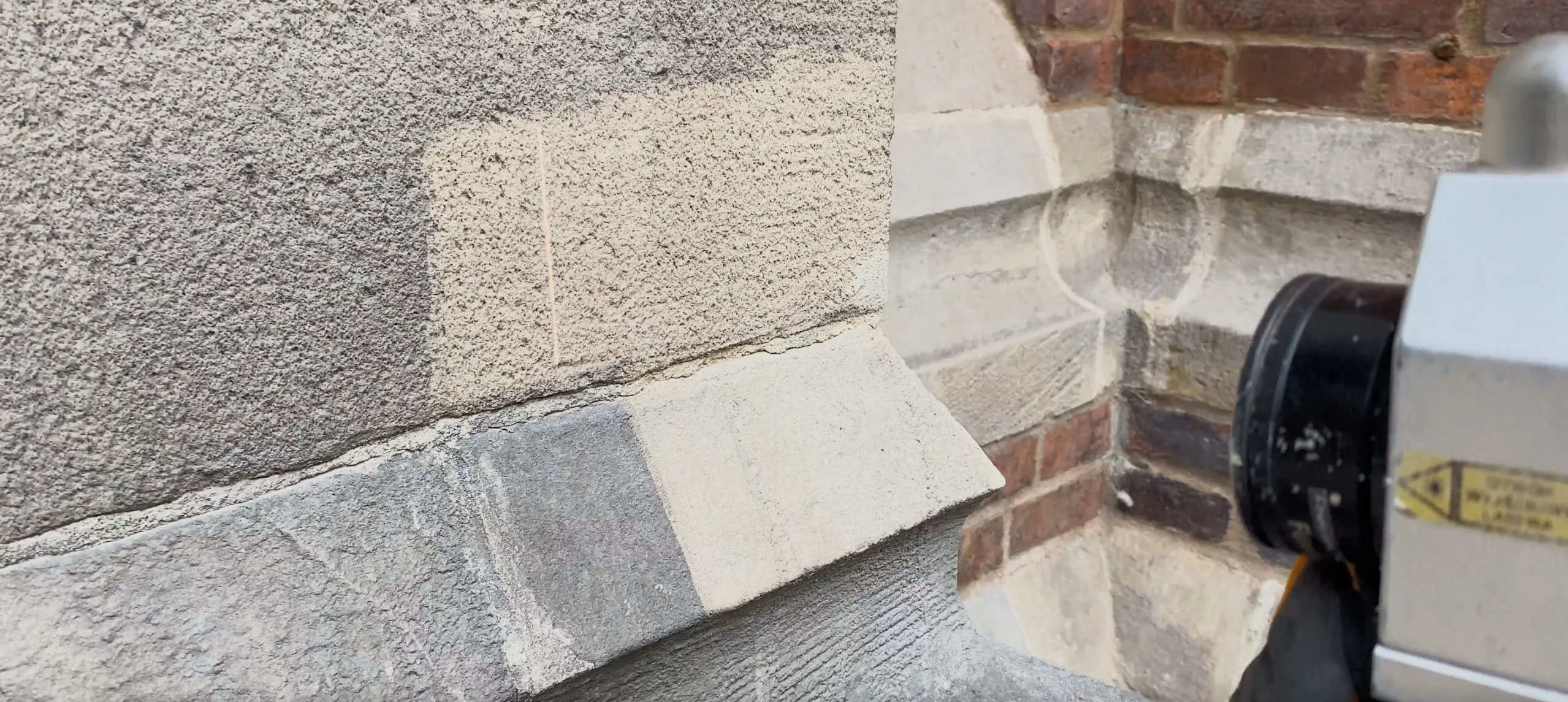
A controlled method
When a traditional cleaning method could remove too much material, leave a rough finish or spread residue across a sensitive detail, laser cleaning offers a more contained route for suitable areas.
The equipment is mobile and the working area is kept deliberately small. We look at the masonry, identify the deposit and use a test area to understand the response before suggesting any wider treatment.
Discuss laser cleaning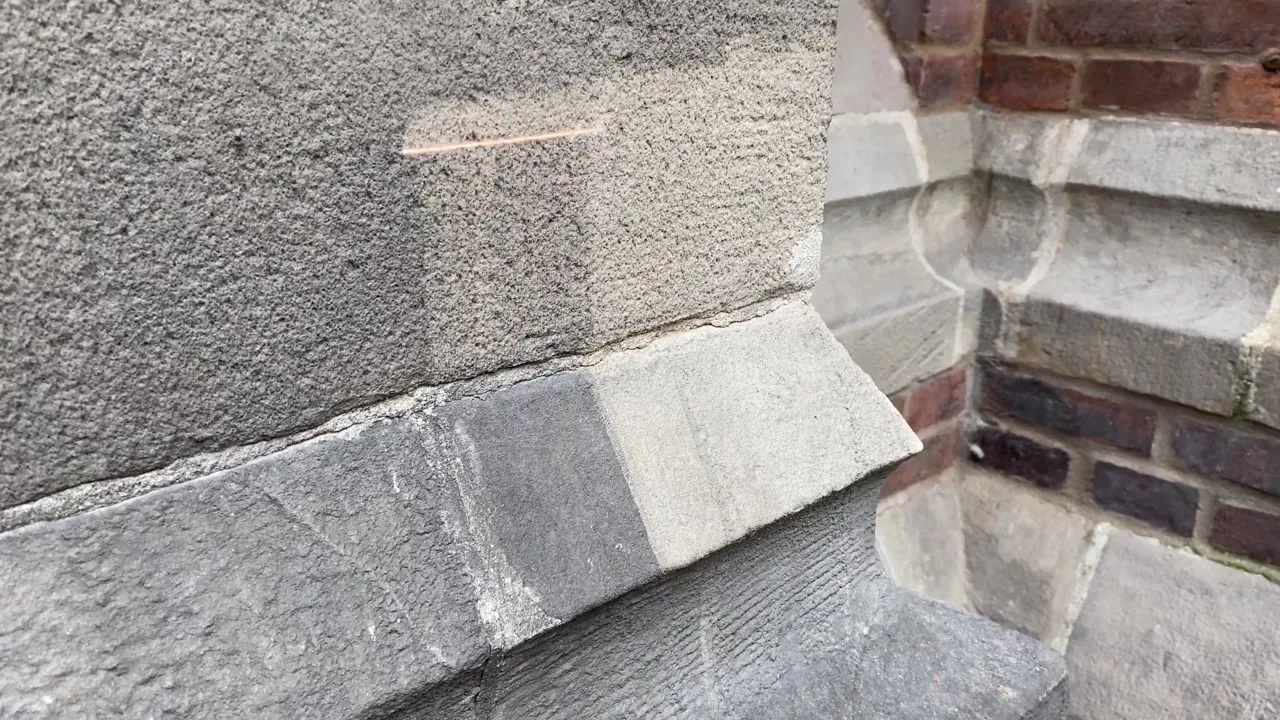
See the method
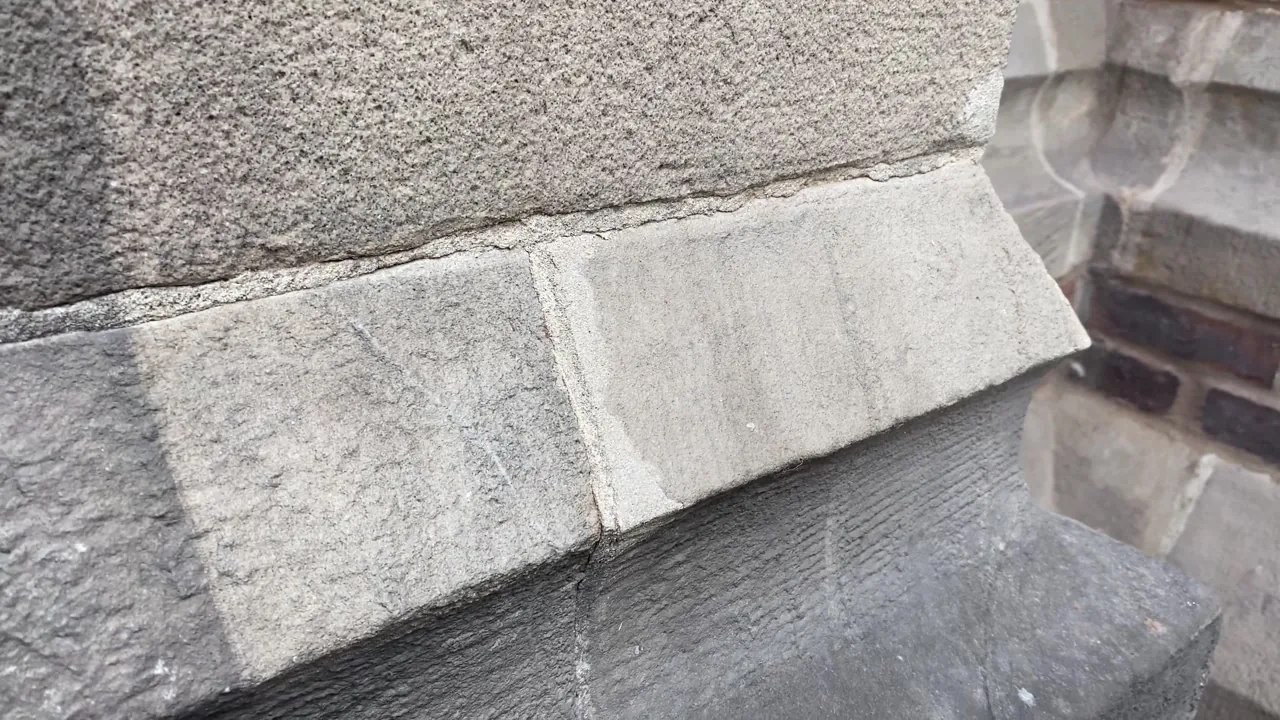
This short demonstration shows the working scale of the process on a stone detail. It is an illustration of controlled cleaning rather than a promise that every surface or deposit will respond in the same way.
Why it can be different
Laser cleaning can be a useful option, but it is not a one-size-fits-all answer. The surface, deposit and practical set-up determine whether it is appropriate.
A small trial area helps us understand how a deposit responds and whether the substrate is suitable before a wider scope is discussed.
The process can be controlled around particular deposits or coatings rather than treating every part of a wall with one broad method.
The cleaning area, adjacent materials, access and containment are considered together so the work is properly planned around the property.
The material released during cleaning is collected at the working point, helping keep the surrounding area orderly and avoiding loose abrasive media.
Plan the detail
Older stone, brickwork, architectural mouldings and local repair areas can all need a different approach. Share clear photographs and a wide view of the elevation so we can discuss whether a test-led laser-cleaning assessment is a sensible next step.
Get a laser-cleaning quotationOur projects
Take a look at some of the work we have completed, from the repair work and materials used through to the finished result.
Helpful reading
Explore the relevant detailed guides below. They support, rather than replace, an assessment of the individual building.
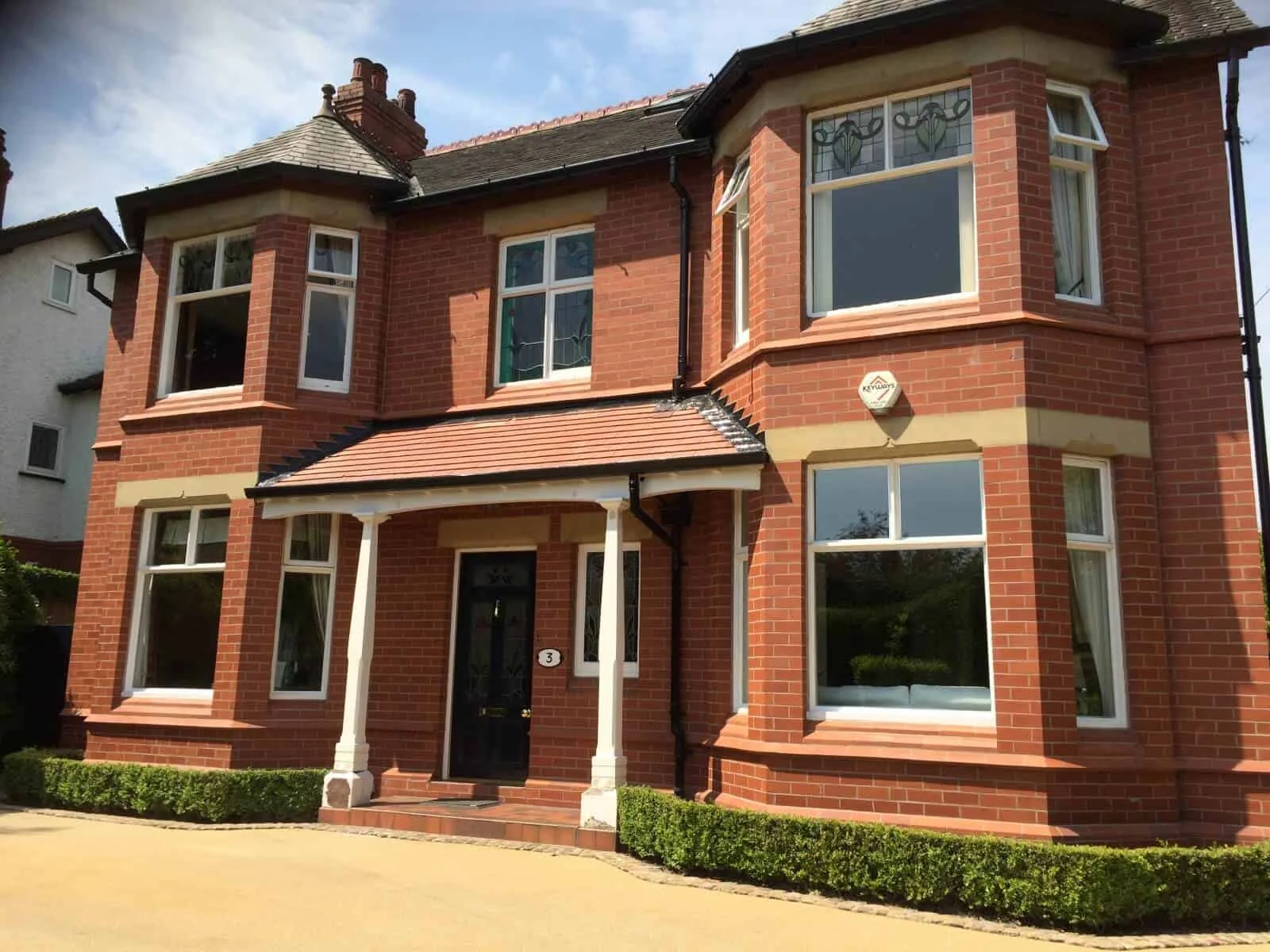
For the wider picture, start with the homeowner’s repointing overview covering condition, materials, safe access and repair planning.
Brickwork care guide10 minute read
Heritage property guide10 minute read
FAQs
Every property has its own material, condition and access considerations. These answers explain the points we would normally discuss before a scope is agreed.
Laser cleaning is a controlled, non-contact method that uses focused light energy to lift selected surface deposits from suitable materials. The correct settings and approach depend on the substrate and what needs to be removed, so a test area is an important first step.
A trained operator works across a small defined area with adjustable equipment. The aim is to affect the unwanted surface deposit while keeping the underlying masonry in view. The work is assessed as it progresses rather than assuming every deposit will respond in the same way.
It can provide a highly targeted option for suitable work, without relying on broad abrasive blasting or chemical washes. It may be useful where a small detail, original texture or particular layer needs a more controlled approach.
Suitability can include selected brick, stone, metal and architectural details, but it always depends on the surface condition, the coating or staining present and the surrounding materials. We would assess the individual property before proposing a method.
It may be considered for certain paint layers or local coatings where a test area shows a controlled response. The coating, substrate and desired finish need to be reviewed first, particularly on older or delicate masonry.
It can be considered for selected surface contamination, oxidation and staining on suitable details. The result depends on the material beneath, the type of residue and how far it has penetrated, so no outcome should be assumed before testing.
Laser cleaning is deliberate work rather than a high-volume broad cleaning method. Timing depends on the area, the deposit, the access and the level of detail required. A survey and test area allow us to discuss a realistic sequence for the property.
The process does not require loose abrasive media or broad chemical washes. Material lifted during the work is collected at the tool head, but the practical waste handling and protection measures are still planned around the deposit and site conditions.
The working head uses extraction to collect released surface material at the point of cleaning. The way it is handled afterwards depends on what has been removed and the requirements of the specific site.
Call 01625 920 888, or for the fastest way to get a quotation, click Get a quotation and fill in your details.