Read the existing wall
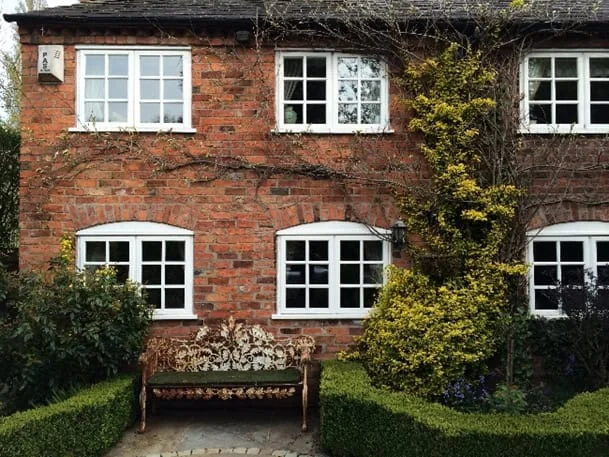
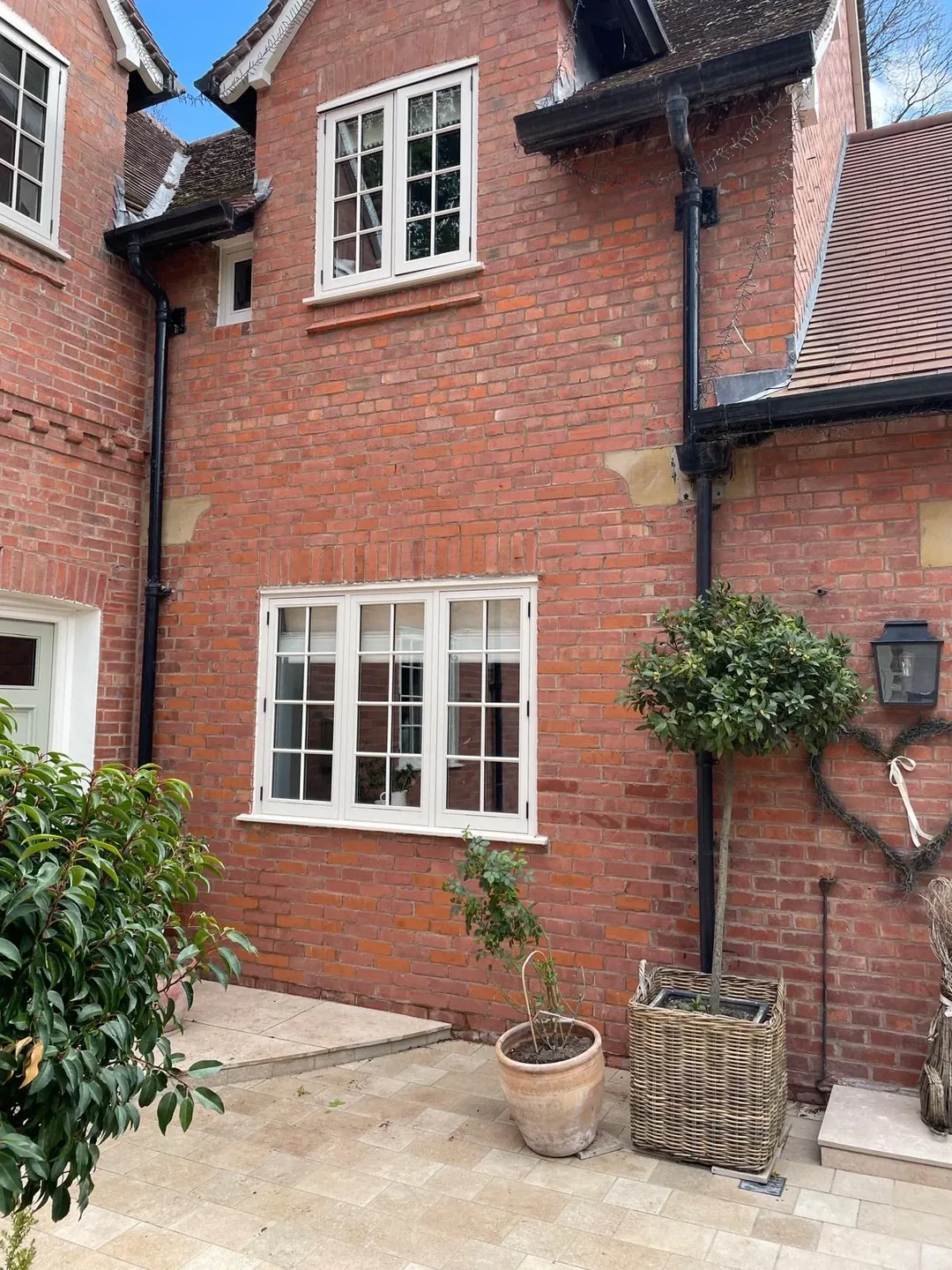
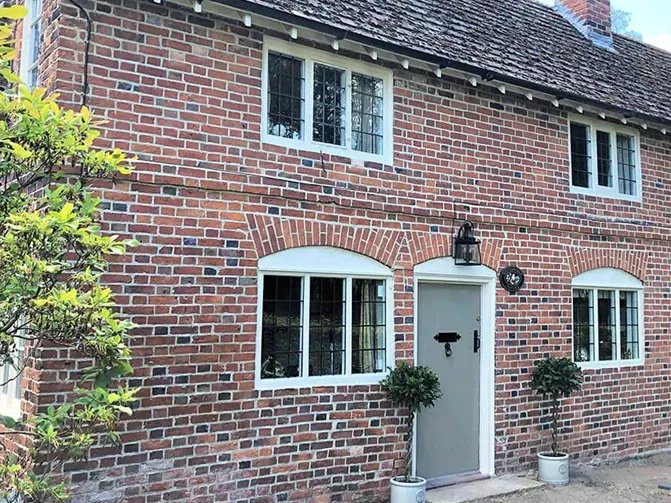
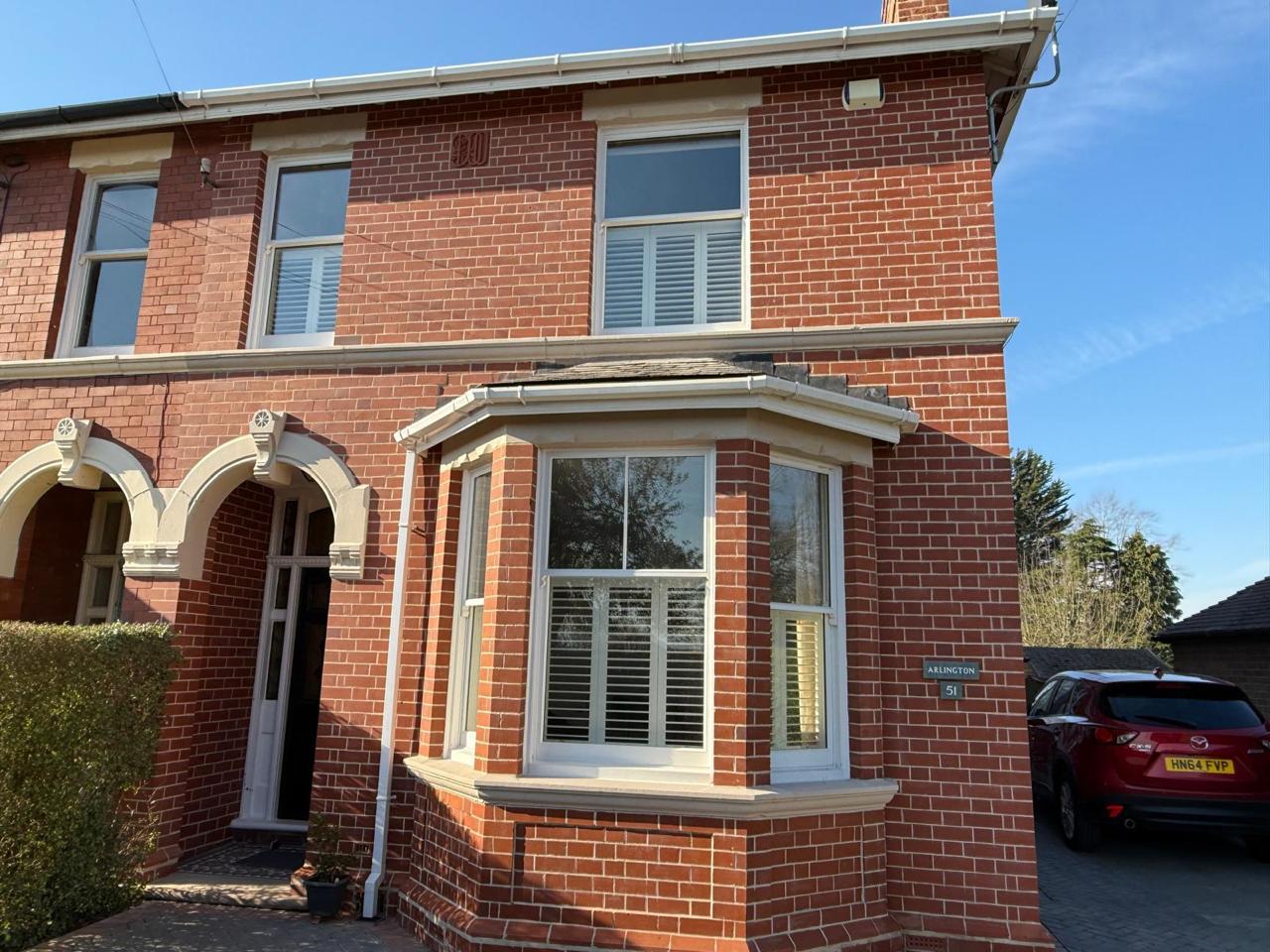
A useful match begins with the full elevation: its brick bond, colour range, face texture, weathering and the way nearby bricks vary naturally.
Staffordshire Pointing is part of the Cheshire Pointing Group Limited, (established 2003).
Brick matching
When replacement brickwork is needed, colour alone is not enough. We compare size, face texture, bond, mortar and the natural variation already present in the elevation.
A clear starting point
Brick matching involves selecting a suitable replacement brick by comparing its dimensions, face texture, colour range and condition with the existing wall. The surrounding mortar, bond and natural weathering also affect the result. New or reclaimed options need assessment for the specific repair. An exact match cannot be guaranteed; local colour adjustment may be considered only after the replacement and surrounding masonry are sound.
Explore the Staffordshire repointing guideA considered service
Brick matching is rarely about one flat colour. A traditional wall can include variation from firing, weathering, handmade brick, previous repairs and subtle changes across one elevation. Size, face texture and surrounding mortar matter just as much.
Where a close physical replacement is available, it can be included in a considered repair. If a sound replacement still looks too separate, a carefully selected local colour adjustment may be discussed once the masonry is in good order.
Discuss your property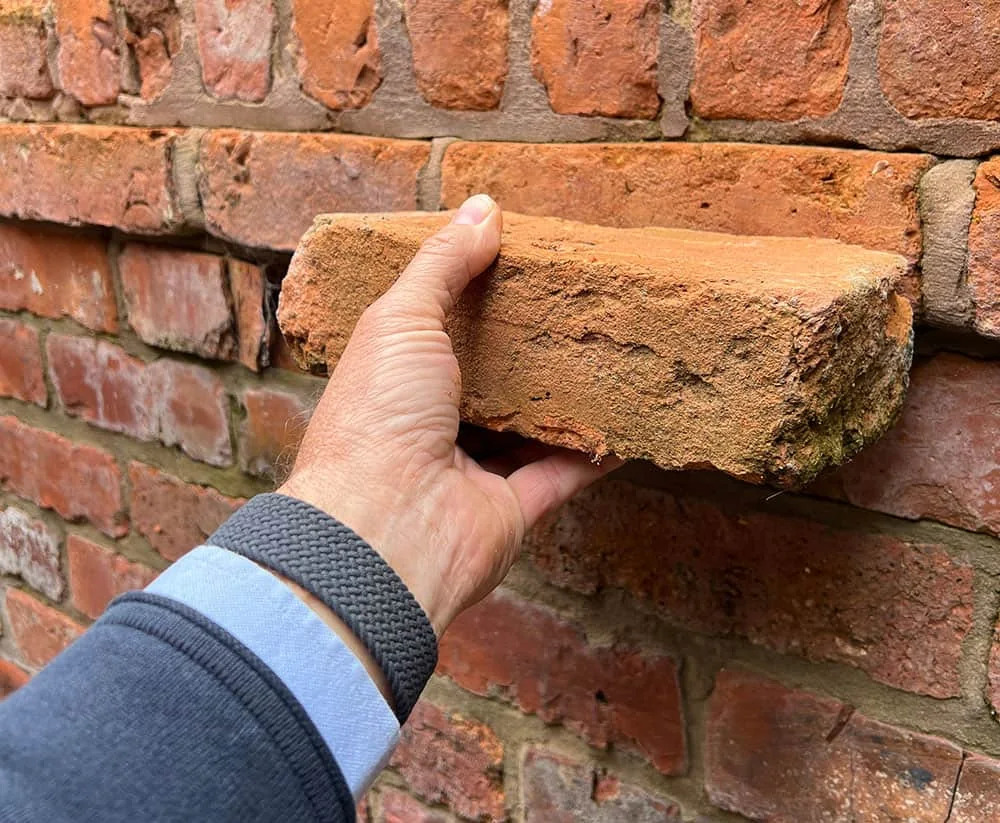
Matching, not masking
Brickwork is read as a whole. That means looking at the repair, the bricks around it and the character the elevation has built up over time.
A useful match begins with the full elevation: its brick bond, colour range, face texture, weathering and the way nearby bricks vary naturally.
New, reclaimed or purpose-selected bricks can be considered around dimensions, texture, strength and the character of the surrounding masonry.
Loose bricks, failed joints and unsuitable patching need to be addressed before appearance-led work is considered around the finished repair.
Where a sound replacement still looks too separate, a local colour adjustment may help reduce the contrast while retaining the brick face and its texture.
Start with the material
A repair can look out of place when only a paint chart or a single photo has been used to guide it. A more useful conversation looks at the size and face of the brick, the mortar beside it, the way the elevation has weathered and how much natural variation already exists.
Whether the route involves a suitable reclaimed brick, a selected new brick or a local adjustment after repair, the masonry needs to be properly prepared and sound first.
Discuss a brick matchA clear route
We keep the first conversation practical and centred on what is visible in the wall. It helps establish whether the work is primarily a material-selection question, a brick repair, a repointing need or a combination of these.
We compare the affected area with the wider elevation, including brick size, colour variation, mortar, bond pattern and the condition of the surrounding masonry.
The agreed approach can include local brick replacement, preparation of the repair area, compatible mortar and a discussion of whether colour blending is appropriate after the masonry is sound.
The final detail is checked against the existing brickwork so the repaired area is considered as part of the elevation, not treated as an isolated new patch.
Look at the elevation
These views illustrate how a pale repair area can draw the eye across a traditional elevation, and how a local approach can help the repair sit more quietly with its surrounding brickwork.
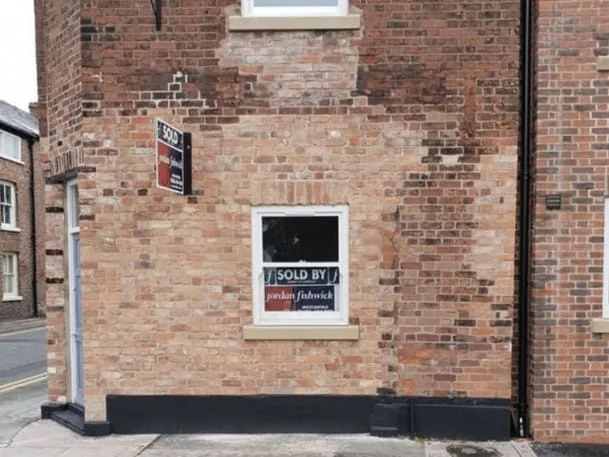 Before
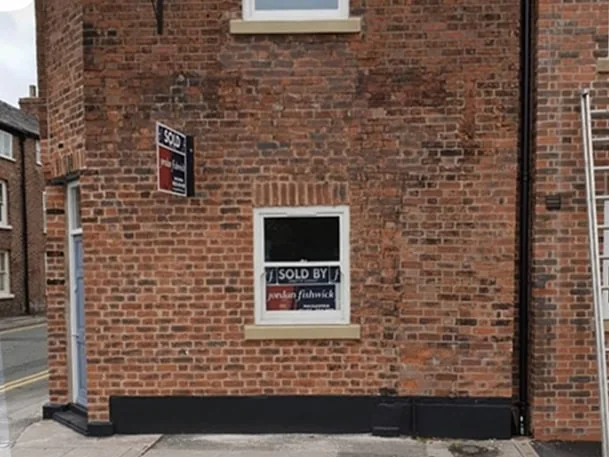 After
Make the first enquiry useful
A good photograph set helps us start with the right questions about the brickwork, the repair and the level of visual difference that concerns you.
Look closer
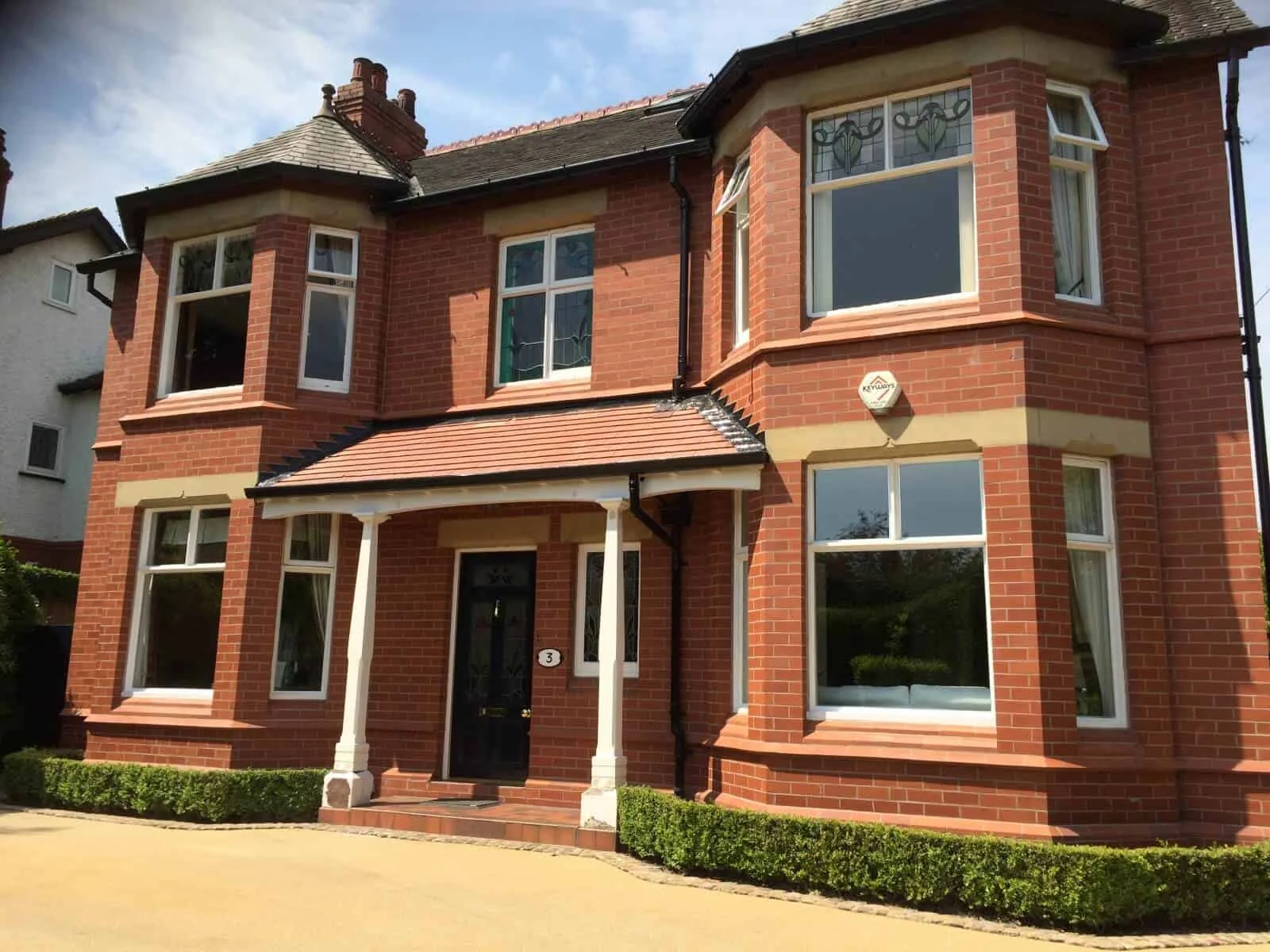
Use the slider to compare an illustrative frontage before and after local brick colour harmonising. Availability, condition and natural variation must be assessed before a matching approach is agreed for a specific property.
Our projects
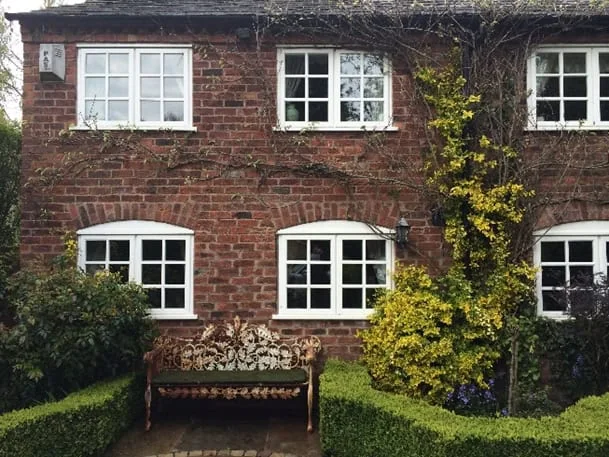
Take a look at some of the work we have completed, from the repair work and materials used through to the finished result.
Helpful reading
Explore the relevant detailed guides below. They support, rather than replace, an assessment of the individual building.
For the wider picture, start with the homeowner’s repointing overview covering condition, materials, safe access and repair planning.
Heritage property guide10 minute read
Brickwork care guide10 minute read
FAQs
Every property has its own material, condition and access considerations. These answers explain the points we would normally discuss before a scope is agreed.
No. Age, firing, weathering, manufacture and availability all influence the result. We assess the wall and discuss the closest practical route rather than promise an exact match before the materials and elevation have been reviewed.
Size, face texture, colour range, brick bond, mortar and the natural variation across the elevation are all important. The best option is judged in context rather than from a single isolated brick colour.
They can be suitable where their dimensions, texture and colour work with the existing wall. Their condition, availability and suitability for the specific repair need to be checked before they are selected.
Where a replacement brick is sound but remains visually different, local colour adjustment may be considered. It is not a substitute for correct preparation, a suitable replacement brick or any repair the masonry needs first.
No. Cracked, loose, spalled or poorly repaired bricks and failed mortar joints should be dealt with first. Colour work is considered only once the masonry repair is in a sound condition.
Yes. Where local brick replacement forms part of a wider pointing, crack repair or restoration scope, the matching discussion can be included so the material and finished appearance are planned together.
Please include a wide view of the elevation, close views of the affected bricks and the surrounding mortar, plus any information about the cause of the repair or the timing you are working to.
Call 01625 920 888, or for the fastest way to get a quotation, click Get a quotation and fill in your details.