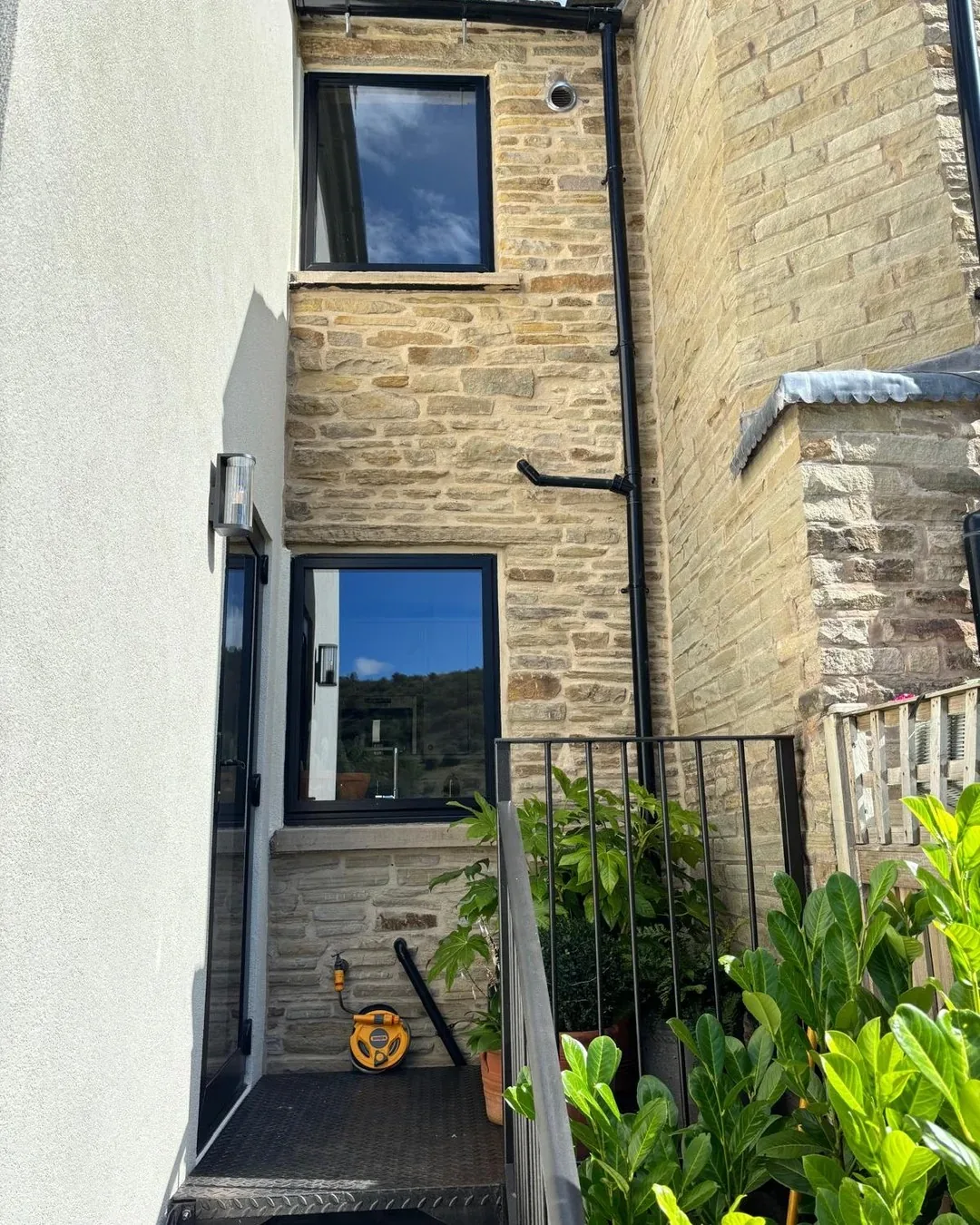
Identify what has changed
Mortar residue, paint, soot, algae, rainwater staining and general weathering call for different conversations. The first step is to establish what is visible and whether cleaning addresses the actual concern.
Staffordshire Pointing is part of the Cheshire Pointing Group Limited, (established 2003).
Brick cleaning & restoration
A careful, material-led route for mortar residue, staining and surface change — beginning with the brickwork itself before a wider cleaning or restoration scope is agreed.
A clear starting point
Brick cleaning addresses surface deposits, mortar residue or discolouration; restoration also considers the condition of brick faces, mortar joints and earlier repairs. The wall should be assessed first, including possible water routes and fragile masonry. Where suitable, a small test area helps establish the response and an appropriate finish before wider treatment is agreed. Repointing or brick replacement are separate decisions, and cleaning alone does not resolve the cause of recurring damp or staining.
Start with the wall that is there
A marked elevation may combine several different conditions: mortar smears after previous work, soot or pollution deposits, biological growth, weathering, old repairs or a source of recurring water. Treating all of those as a single cleaning job can hide the decision that really needs to be made.
We begin by looking at the accessible brick faces, mortar joints, openings and water routes that frame the visible change. Where cleaning or related restoration is appropriate, the approach is considered around the existing material and character of the wall — not a generic idea of a newly finished surface.
Discuss brick cleaning and restoration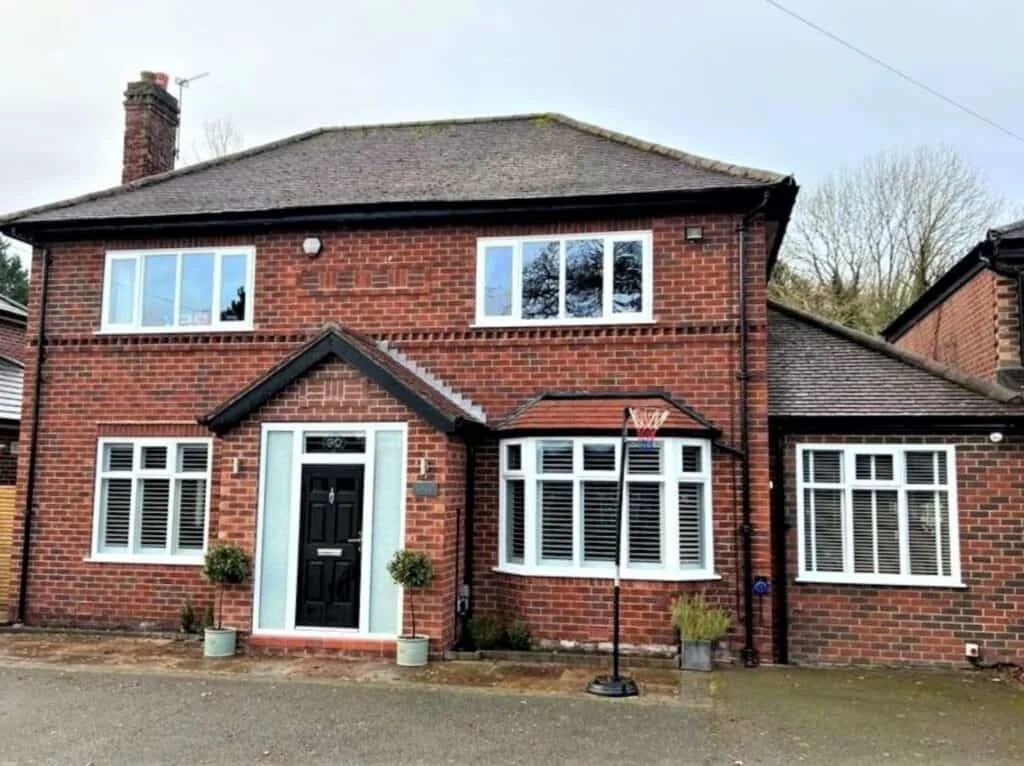
A controlled approach
Brick cleaning and restoration are not a universal package. The brick face, surrounding mortar, likely cause of the visible change and condition of the property remain central to every proposed step.
Mortar residue, paint, soot, algae, rainwater staining and general weathering call for different conversations. The first step is to establish what is visible and whether cleaning addresses the actual concern.
Brick faces and surrounding joints are part of the same elevation. A suitable approach considers their condition, open joints, fragile edges and earlier repairs rather than concentrating only on the marked surface.
A small test area can show how the specific brickwork responds before the wider scope is agreed. It is a useful place to discuss the intended finish and any limits that remain visible.
Cleaning may make weak mortar, damaged bricks or older patching easier to see. Those conditions deserve a separate repair recommendation instead of being presented as an automatic part of a clean.
See the detail in context
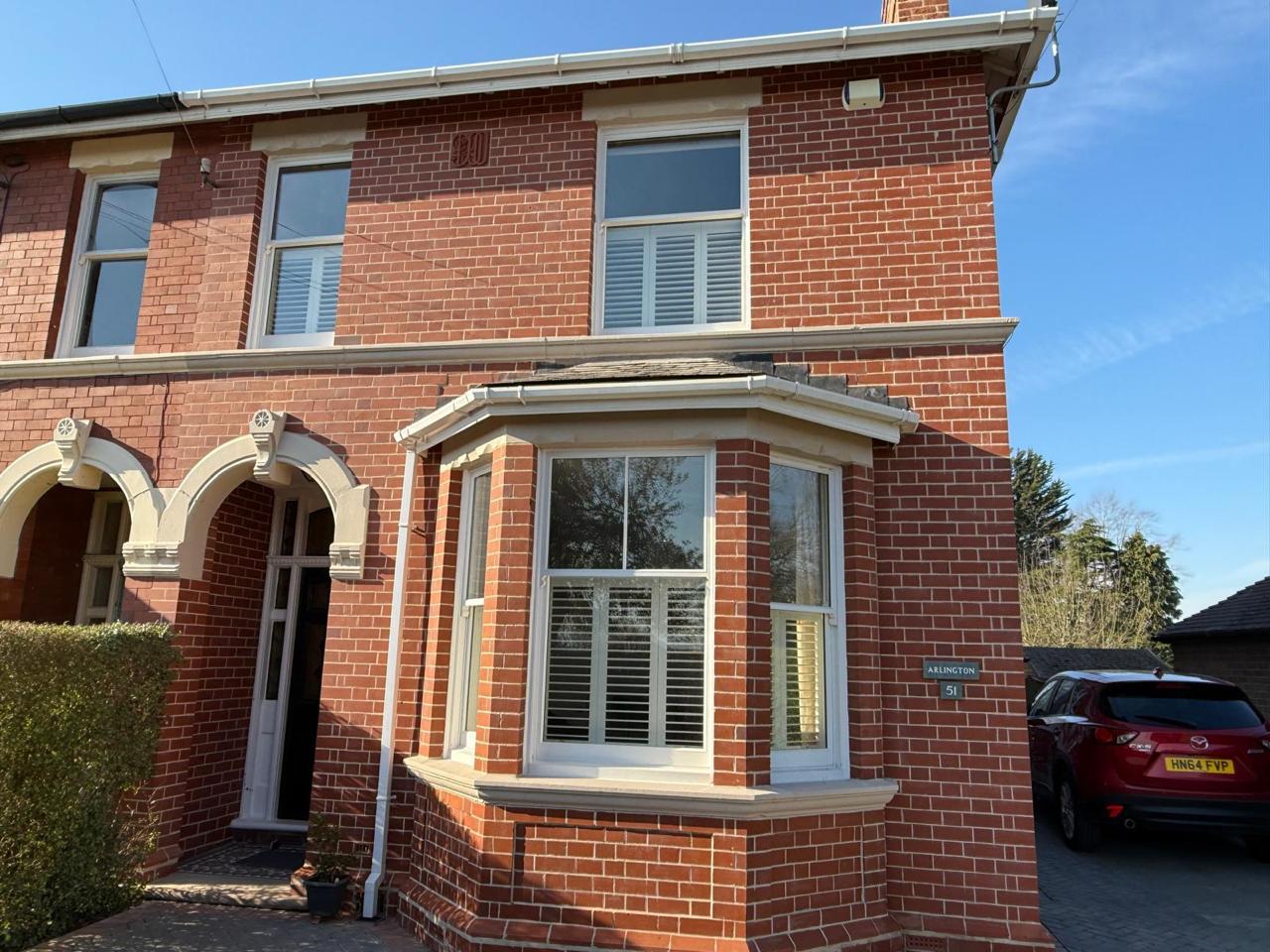
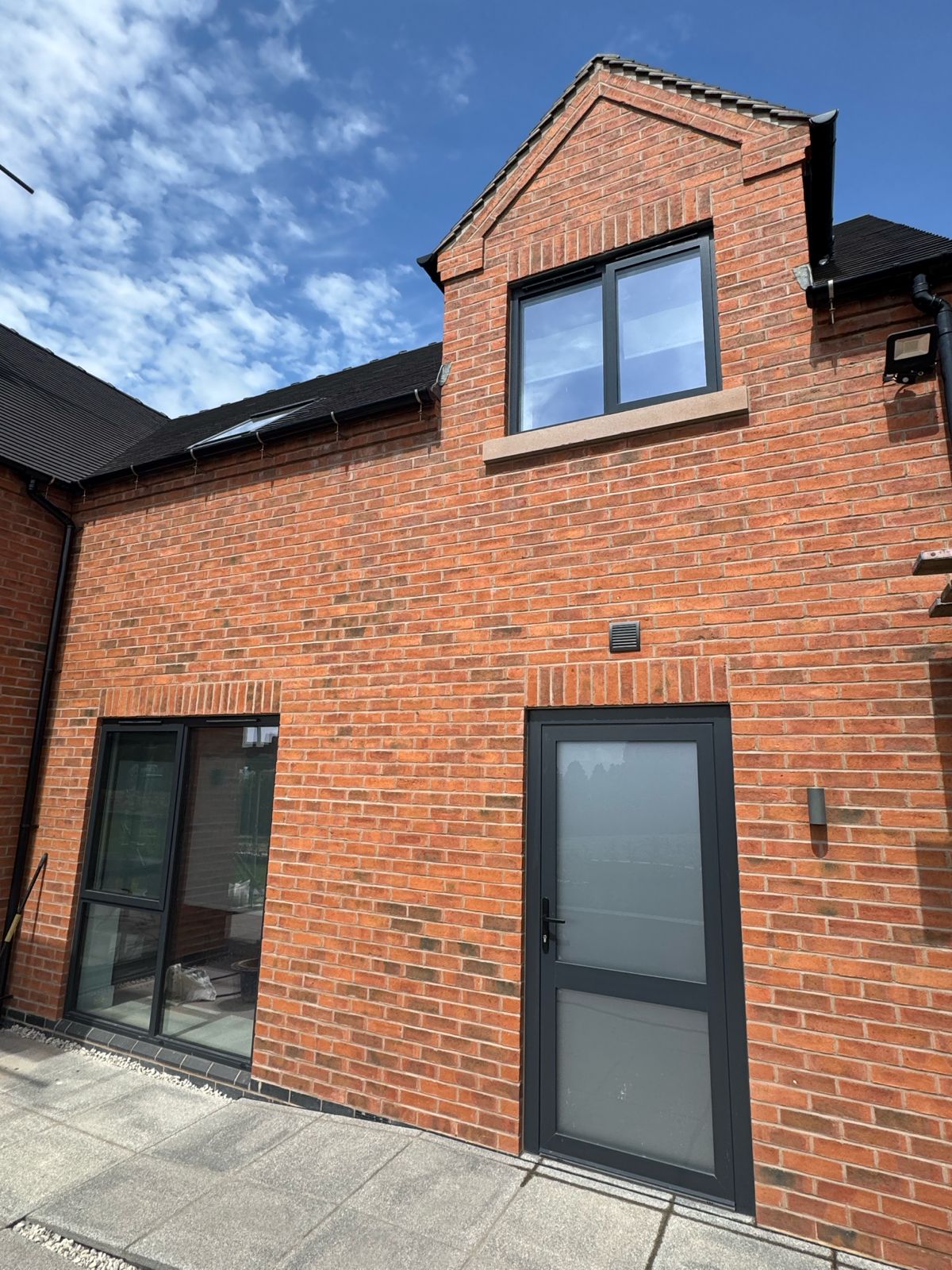
Use the sliders to compare each supplied image pair. They show a visual difference in these examples, not a promise that every brick type, residue, stain or earlier repair will respond in the same way.
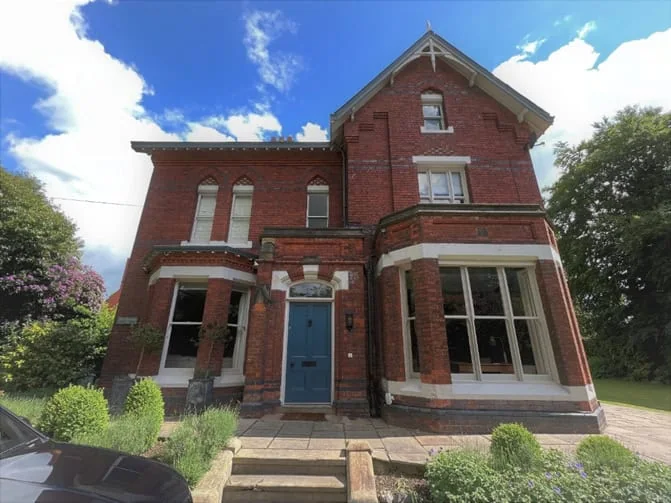
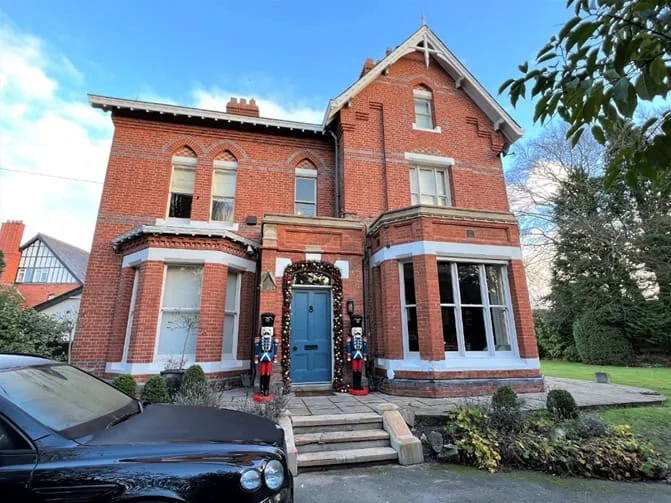
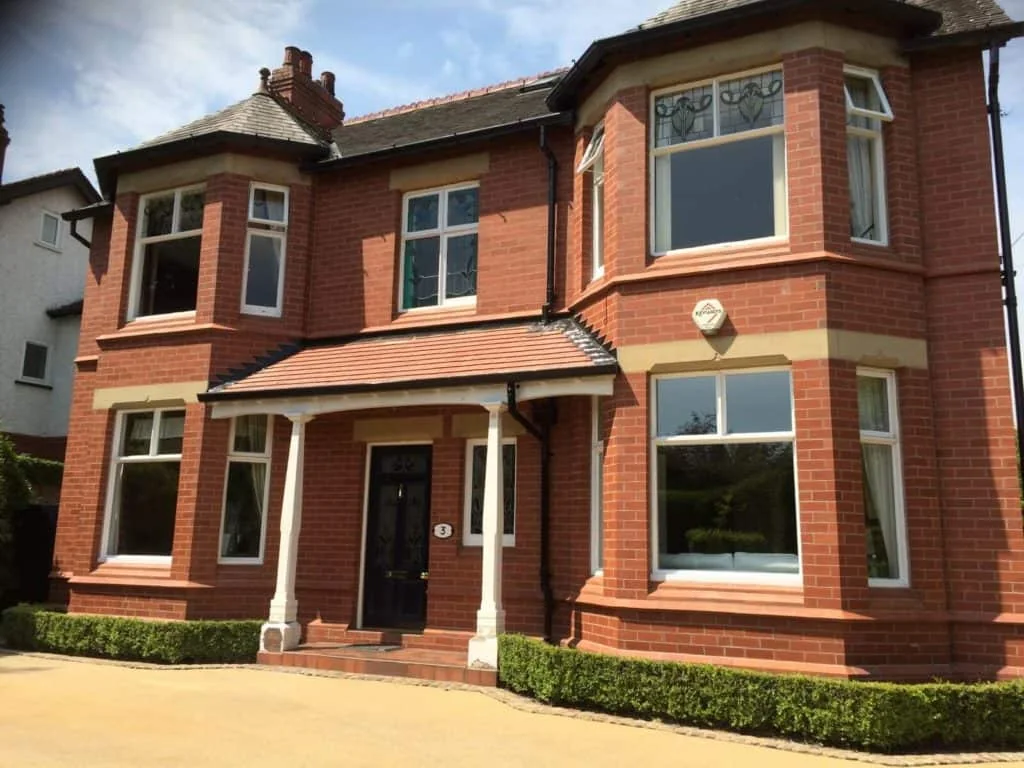
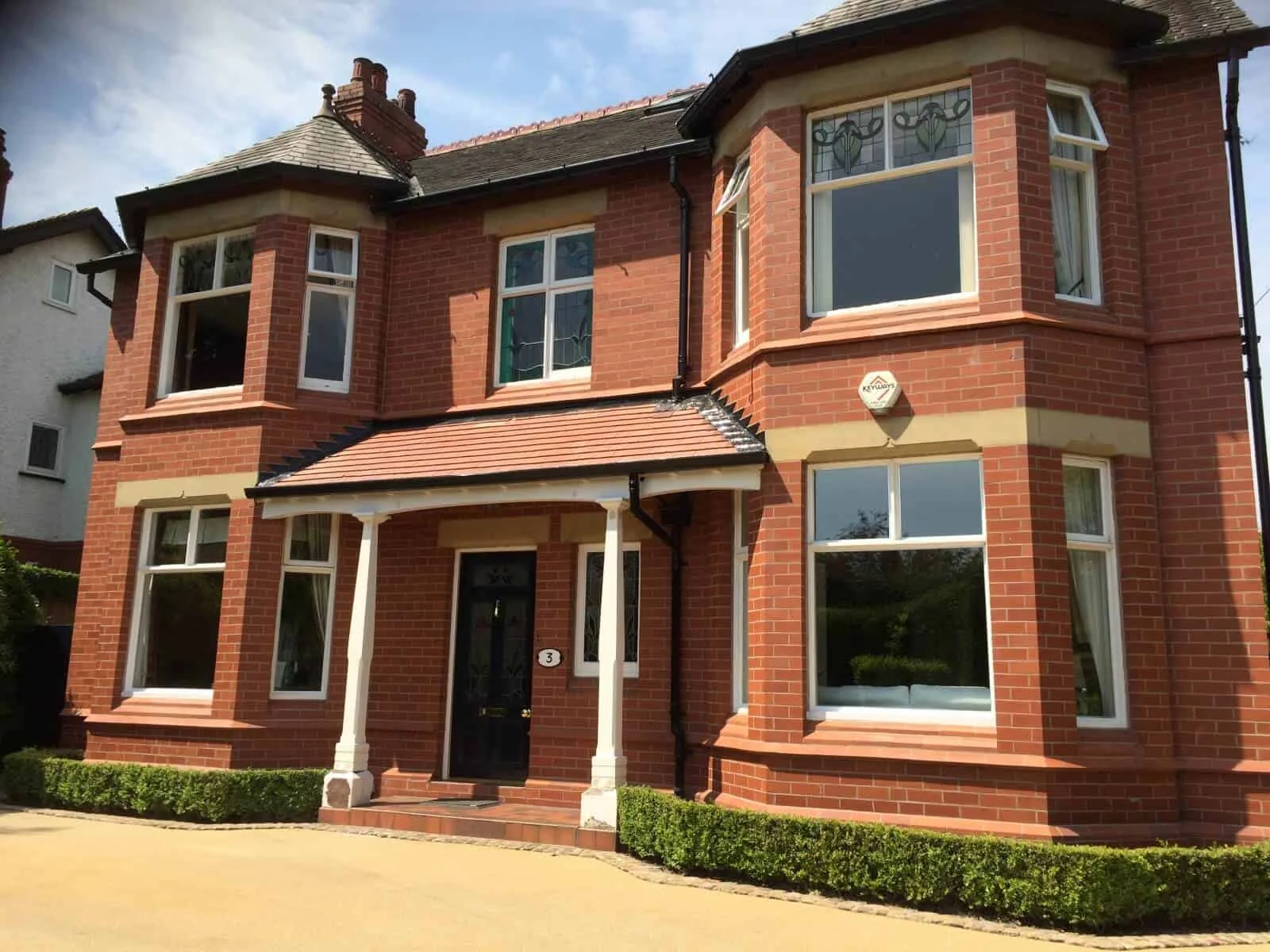
Full frontage
Cleaning can make brick colour, decorative courses and earlier repairs more visible. Any open joints, weakened brick faces or water-related concerns need their own assessment.
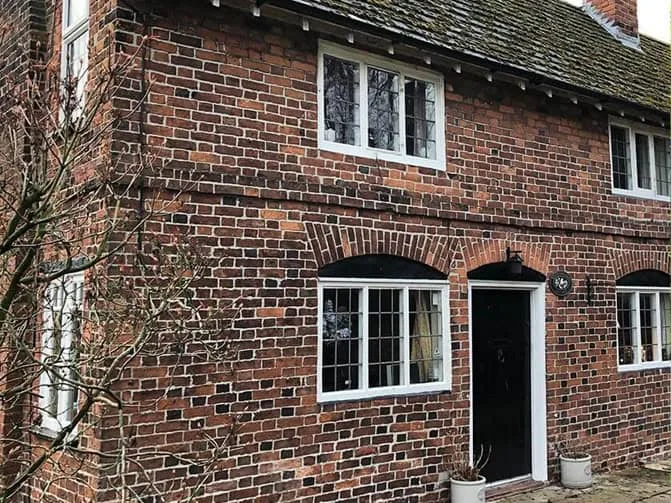
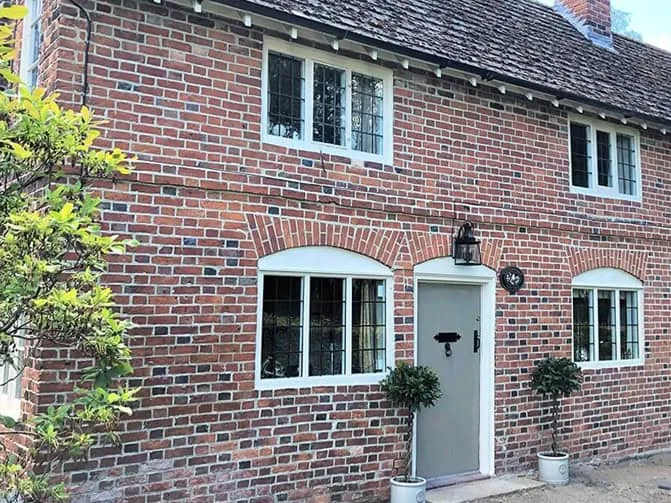
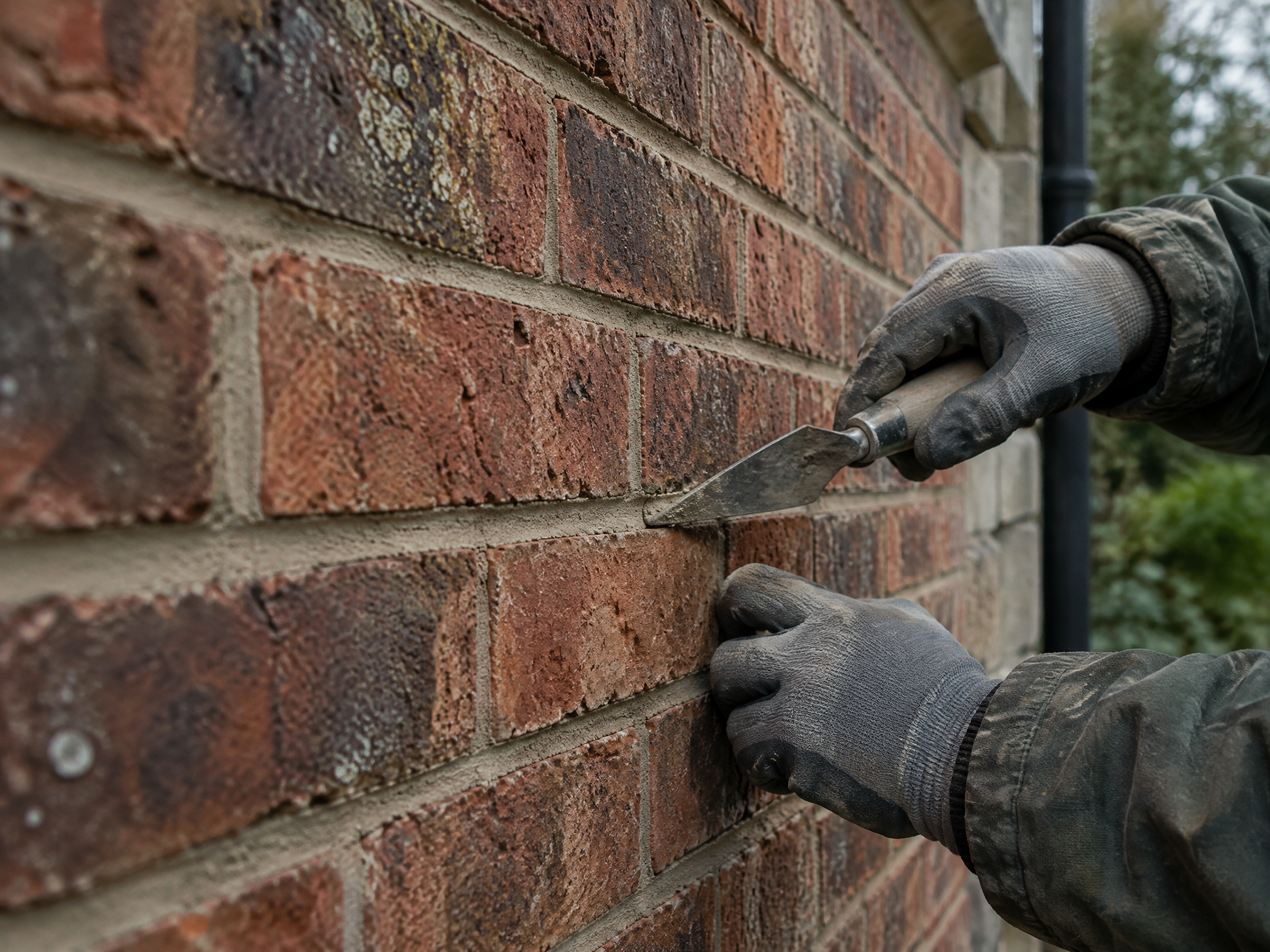
Brickwork detail
The final appearance is only one part of the decision. A trial area helps show what the masonry reveals before the rest of the elevation is considered.
A clear working route
A considered sequence keeps the source of the visible change, the protection of the masonry and any separate repair decisions connected to the real condition of the property.
We discuss the visible deposit or residue alongside the brick type, mortar, nearby openings, ground level, rainwater details and access that frame the cleaning question.
The surrounding area is considered before a controlled test area is reviewed. This helps define a sensible scope around the actual masonry instead of relying on an assumed result.
Where an approach is appropriate, the work is carried out in controlled passes, with the exposed brick faces, joints and adjacent surfaces kept under review throughout.
The finished elevation is reviewed for remaining residue, open joints, local brick damage, water-related staining or other issues that may need a separate next step.
Plan your enquiry
Wide and close photographs, together with a note about the surface change or any earlier work, help establish whether cleaning, restoration or another first step is most appropriate for the brickwork.
Our projects
Take a look at some of the work we have completed, from the repair work and materials used through to the finished result.
Helpful reading
Explore the relevant detailed guides below. They support, rather than replace, an assessment of the individual building.
For the wider picture, start with the homeowner’s repointing overview covering condition, materials, safe access and repair planning.
Brickwork care guide10 minute read
Property maintenance guide8 minute read
Brick cleaning and restoration FAQs
These answers explain the assessment-led approach. The brick type, joint condition, cause of the visible change and access still need to be considered around the individual property.
Cleaning looks at a surface deposit, residue or discolouration. Restoration can also include separate conversations about mortar joints, damaged brick faces, previous patching and the way those repairs sit within the wider elevation. The condition of the wall guides whether either route is suitable.
Mortar residue can be assessed alongside the brick faces and the new or existing joints around it. The age and condition of the mortar, the brick surface and a controlled test area all affect whether a suitable removal approach can be discussed.
No. Brickwork commonly has natural variation, weathering and earlier changes. The aim is an appropriate and carefully considered appearance, not an artificially uniform finish that removes the character of the existing wall.
Cleaning may improve the visible surface, but recurring staining needs its source considered as well. Gutters, overflows, ground levels, nearby vegetation and other moisture routes can be important parts of the wider conversation.
No. Those are separate work decisions. Cleaning may make weathered joints, damaged bricks or old repairs more apparent, but their condition and suitable material response need to be assessed independently before any repair scope is agreed.
Yes, but the surface, mortar and existing condition need careful consideration. Older brickwork can be particularly variable, so a suitable route should start with the material that is actually there and a small test area where appropriate.
The practical set-up is planned around the individual property. We discuss adjoining surfaces, openings, access, water management and any features that need protection before work begins.
A wide property view and close views of the affected area are the best starting point. Please also mention any recent building work, water run-off, earlier coatings, repairs or access constraints that may explain the visible change.
Call 01625 920 888, or for the fastest way to get a quotation, click Get a quotation and fill in your details.