Understand the wall before selecting the mortar
Brick or stone type, existing joints, earlier repairs, exposure and wall construction all affect whether lime mortar is a suitable part of the repair discussion.
Staffordshire Pointing is part of the Cheshire Pointing Group Limited, (established 2003).
Lime mortar pointing
A considered route for suitable traditional brick and stone walls — led by the existing masonry, its joints and the wider details that influence how the elevation manages weather.
A clear starting point
Lime mortar repointing repairs or renews failed joints with a lime-based mortar suited to the existing brick or stone wall. The assessment considers remaining mortar, masonry condition, earlier repairs, exposure and moisture routes before agreeing local repairs, a trial area or a wider scope. Sound historic mortar should be retained where appropriate. Mortar choice, preparation, finish and weather protection depend on the individual wall; lime work is not a guaranteed cure for damp.
Start with the existing wall
Lime mortar is often considered for suitable traditional walls because the material, existing joints and masonry units need to work together. The right discussion begins with the construction already in place, rather than the age of the property alone.
We look at the mortar that remains, the brick or stone condition, previous repairs, rainwater details and wall exposure. That makes it possible to consider a focused repair, a trial area or a broader scope without disturbing sound material unnecessarily.
Discuss lime mortar pointing
A material-led approach
Lime mortar work is not just a question of filling a visible gap. The materials, wall construction and reason a joint has changed all help shape a suitable repair route.
Brick or stone type, existing joints, earlier repairs, exposure and wall construction all affect whether lime mortar is a suitable part of the repair discussion.
Soft or aged mortar is not an automatic reason for wholesale removal. The aim is to identify joints that have genuinely failed while retaining sound material and useful evidence of the building’s history.
A compatible mortar choice needs to sit naturally with the masonry, rather than looking overly hard, smooth or uniform. Sheltered areas and trial panels can help guide the visible finish.
Open joints can be one element of a repair, but overflowing gutters, cracked masonry, impermeable coatings and ground levels may need their own attention before lime work is specified.
Masonry in context
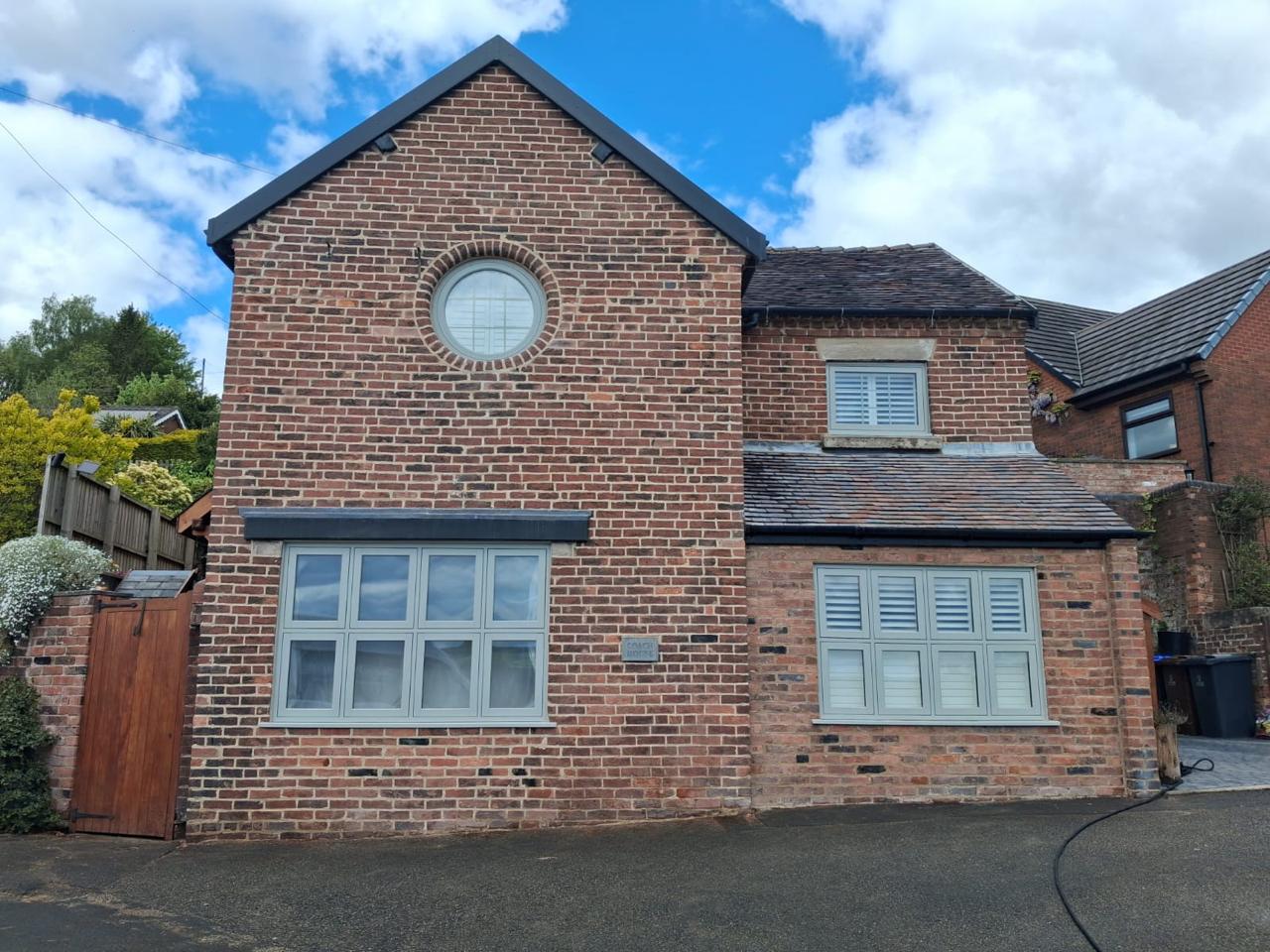
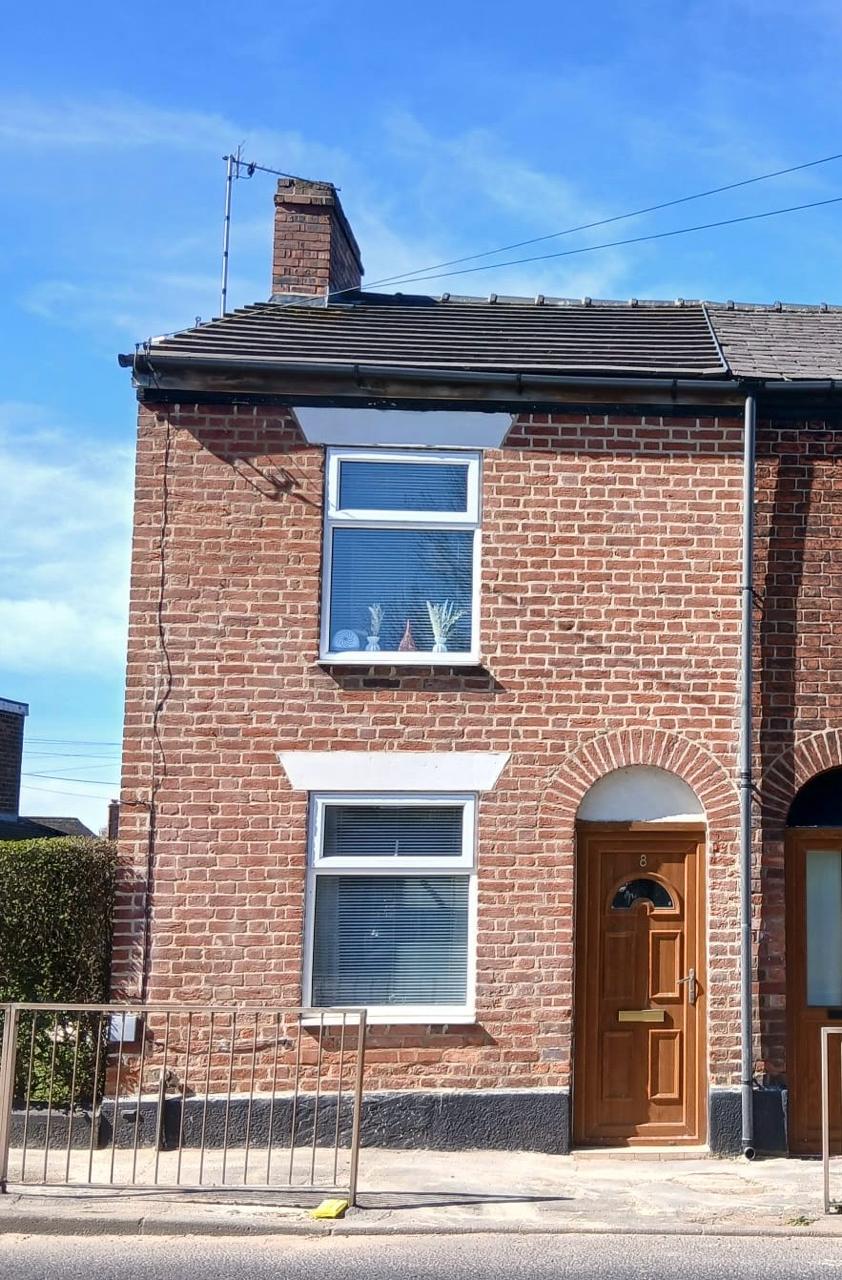
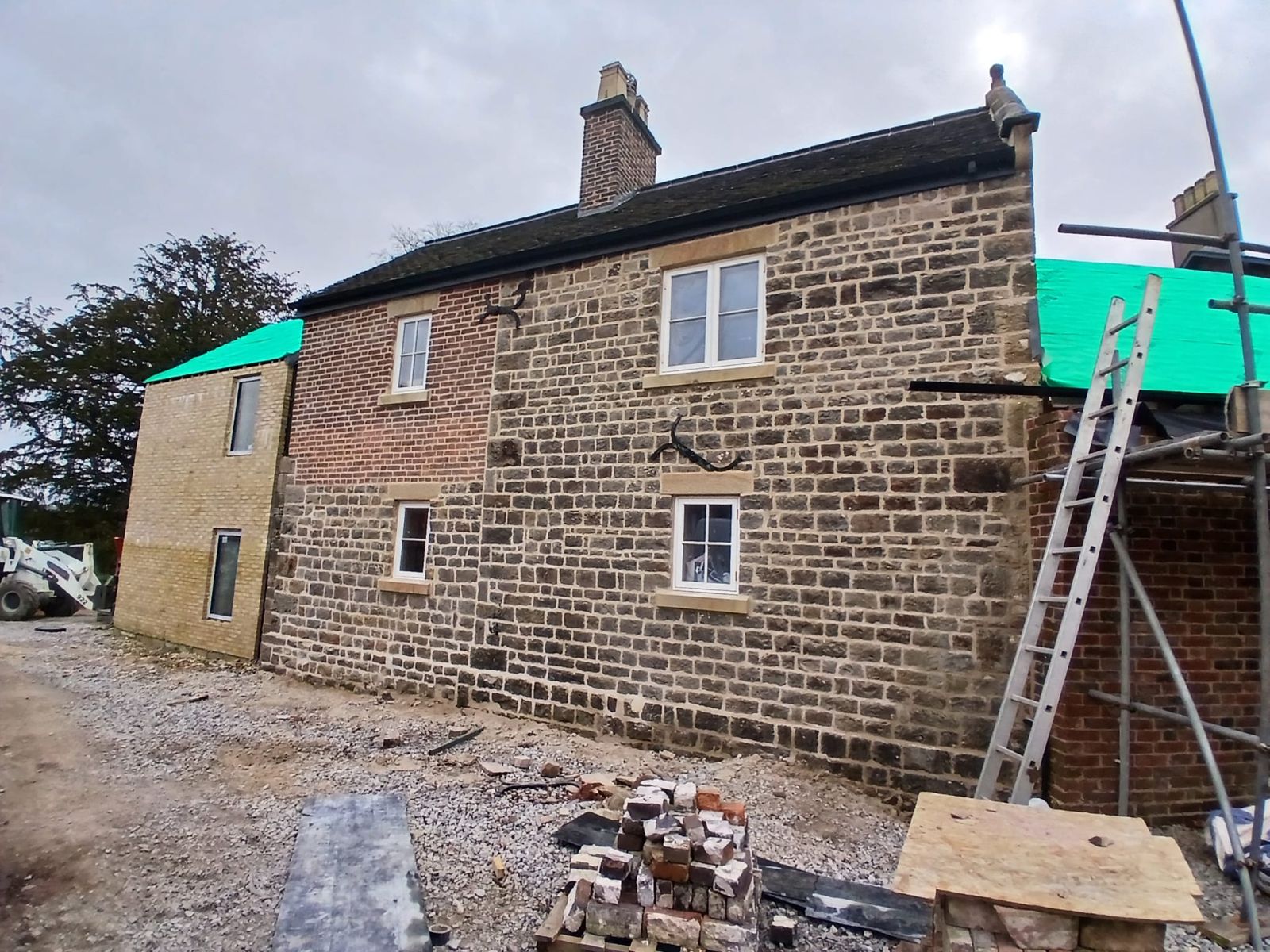
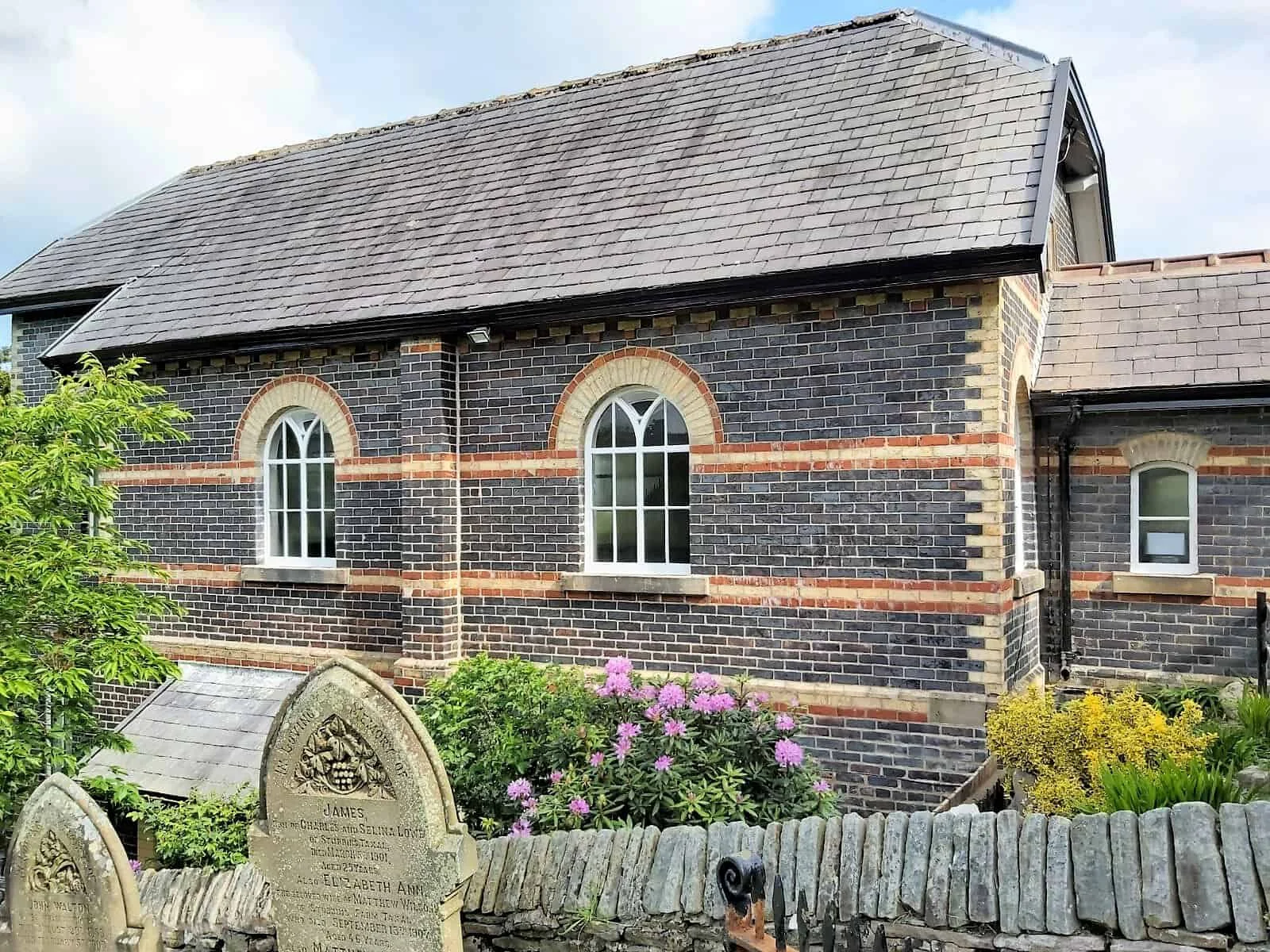
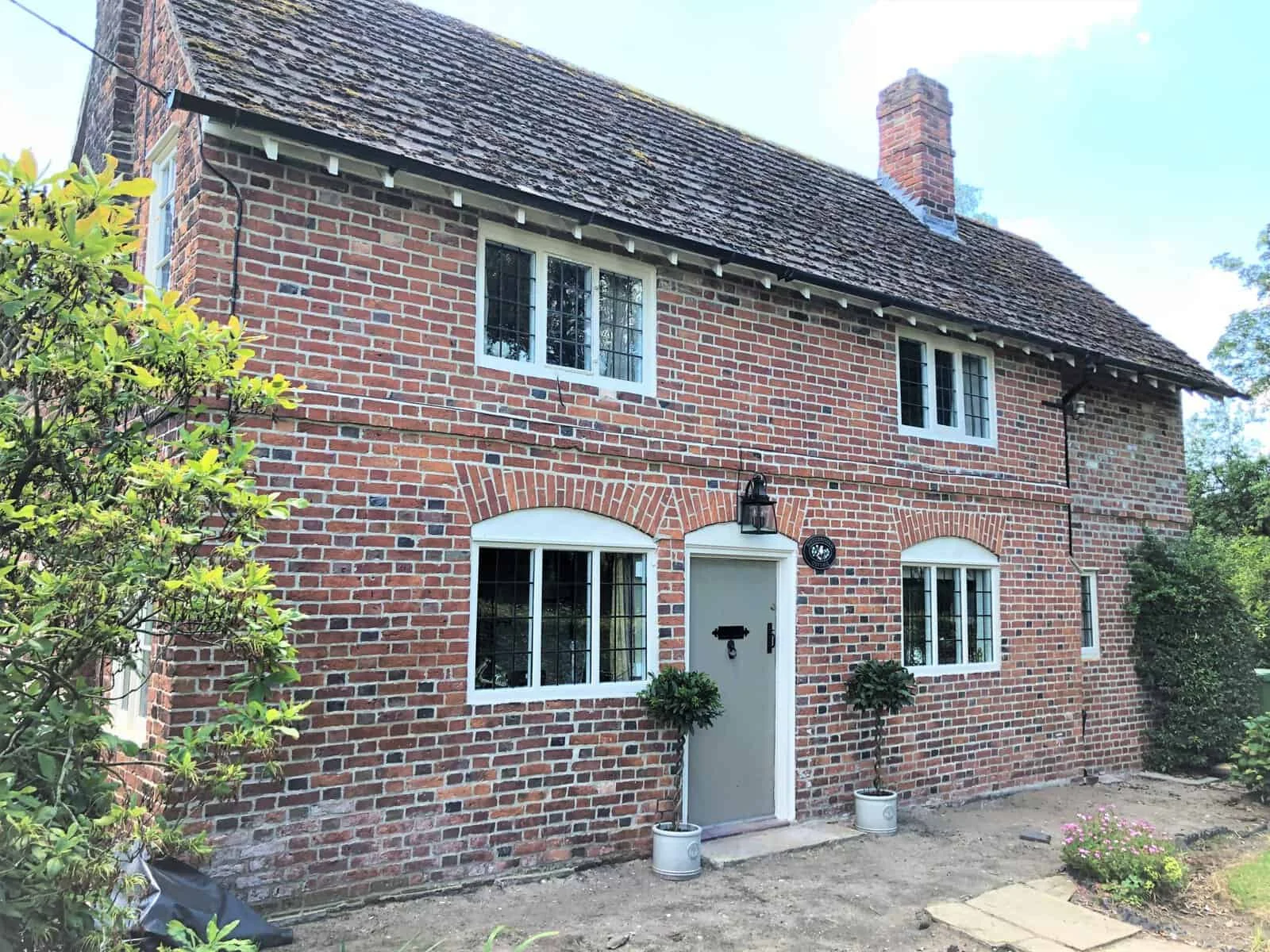
Open joints, weathered masonry and previous repairs make more sense when they are considered alongside openings, rooflines, rainwater goods and the character of the complete wall.
A clear working route
A careful sequence keeps the repair purpose, mortar choice and finished joint connected to the particular wall — rather than treating preparation and appearance as separate decisions.
We look at the mortar, masonry units, moisture routes, previous repairs, access and the character of the visible elevation. That establishes whether local repair, a trial area or a broader programme is appropriate.
Where lime mortar pointing is appropriate, failed joints are prepared with consideration for the masonry edges. The selected mortar and finish are applied to suit the agreed scope and the surrounding wall.
New mortar is protected from unsuitable weather and rapid drying as required. Once complete, we review the visible result and any related masonry or maintenance points already identified.
Plan your enquiry
A wide photograph gives the joints their context. It can show water routes, roofline details, access and other masonry issues that may influence whether lime mortar pointing is a suitable part of the scope.
Our projects
Take a look at some of the work we have completed, from the repair work and materials used through to the finished result.
Helpful reading
Explore the relevant detailed guides below. They support, rather than replace, an assessment of the individual building.
For the wider picture, start with the homeowner’s repointing overview covering condition, materials, safe access and repair planning.
Older brickwork guide9 minute read
Heritage property guide10 minute read
Lime mortar pointing FAQs
These answers outline the questions that can help shape an initial lime-mortar conversation. The property still needs to be considered on its own materials, condition and setting.
Lime mortar pointing is the careful repair or renewal of mortar joints using an appropriate lime-based mortar. It is commonly discussed for suitable traditional brick or stone walls, where the existing construction and mortar condition need to guide the approach.
Not automatically. Age can provide useful context, but the masonry type, existing mortar, condition, previous alterations and exposure should all be considered before a material is selected.
No. Sound historic mortar can remain important to the character and performance of a wall. A survey helps distinguish joints that have genuinely failed from mortar that is simply older or softer than a modern mix.
It may be considered where an earlier hard repair is failing or unsuitable, but the work needs to be carefully assessed first. Removal should not risk damaging brick or stone edges, especially on weathered or historic masonry.
The existing mortar colour, aggregate, texture, joint profile and sheltered original areas all provide useful references. A small trial panel can be helpful where appearance and material compatibility are particularly important.
Lime work can be one part of caring for suitable traditional masonry, but damp can have several causes. Rainwater goods, ground levels, roof details, ventilation, salts, coatings and other defects should be considered before any single repair is presented as the answer.
Listed status alone does not determine the exact specification, but it makes a careful, evidence-led approach particularly important. The existing materials, the nature of the repair and any required consent should be clarified before work begins.
Please send a wide view of the wall, close images of the joints and any information about its age, construction, listed status, rainwater details, previous repairs or access. This helps make the first discussion more specific.
Call 01625 920 888, or for the fastest way to get a quotation, click Get a quotation and fill in your details.