Manage exposed joints
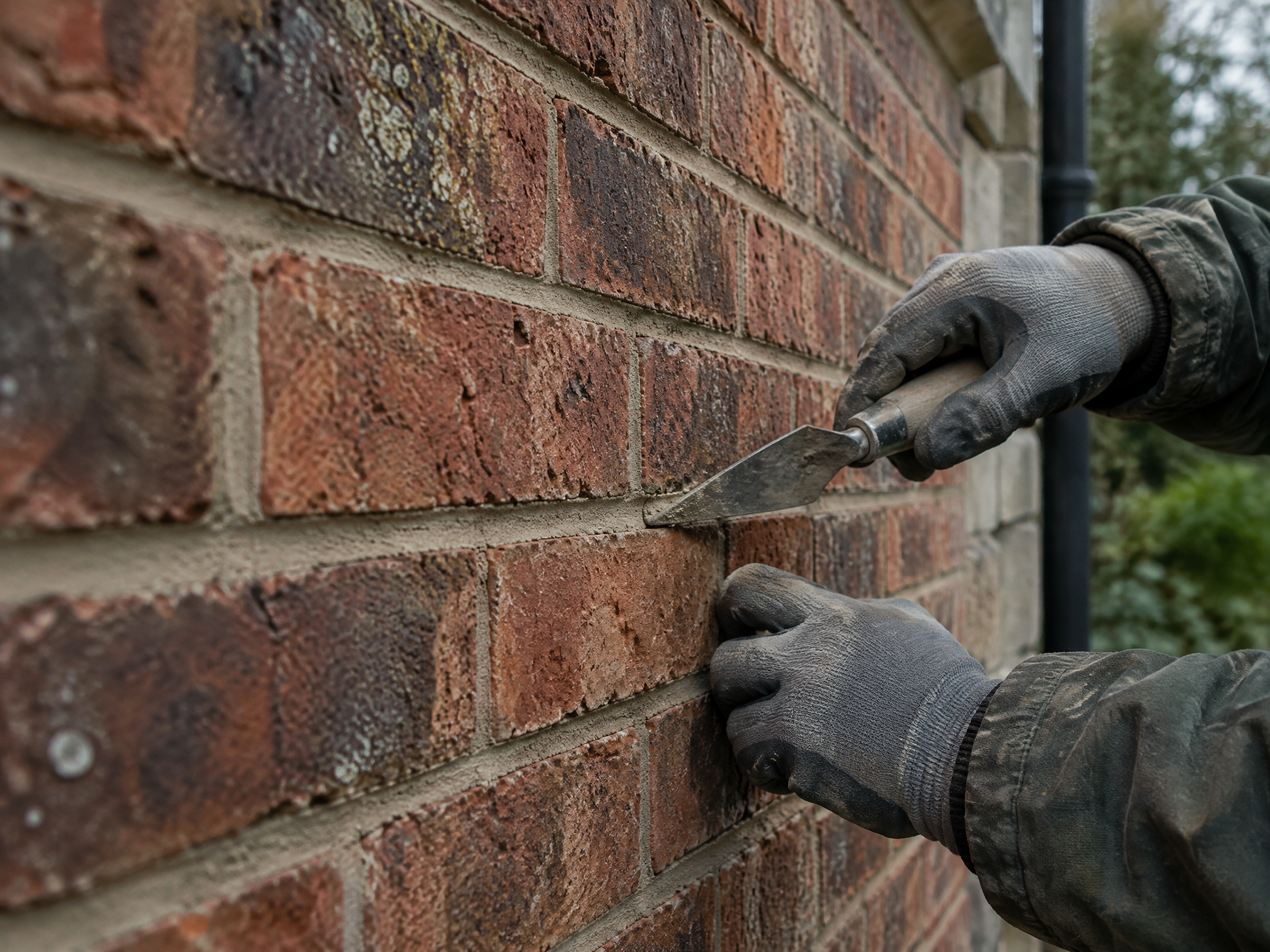
A defined weather-struck profile can help rain run across the face of a suitable wall rather than resting on recessed or failing mortar joints.
Staffordshire Pointing is part of the Cheshire Pointing Group Limited, (established 2003).
Weather-struck pointing
Weather-struck pointing uses a defined joint profile to help shed water and bring order back to weathered brickwork. The right mortar and finish depend on the property in front of us.
A clear starting point
Weather-struck pointing is a mortar-joint finish with a defined angled profile that can help shed rain on suitable brickwork. It is a finish within the wider repointing process, not a substitute for preparing defective joints or repairing damaged masonry. Suitability depends on the existing joint style, brick condition, mortar and exposure. Traditional walls may need compatible lime mortar rather than a standard mix.
A considered service
Mortar joints weather at different rates depending on their exposure, the material already in place and the way a wall has been repaired over time. When repointing is needed, the finished profile should be chosen around the brickwork rather than applied as a generic finish.
Weather-struck pointing can offer a neat, water-shedding line on suitable elevations. Preparation, compatible mortar and the depth of the existing joints all matter before the final profile is formed.
Discuss your property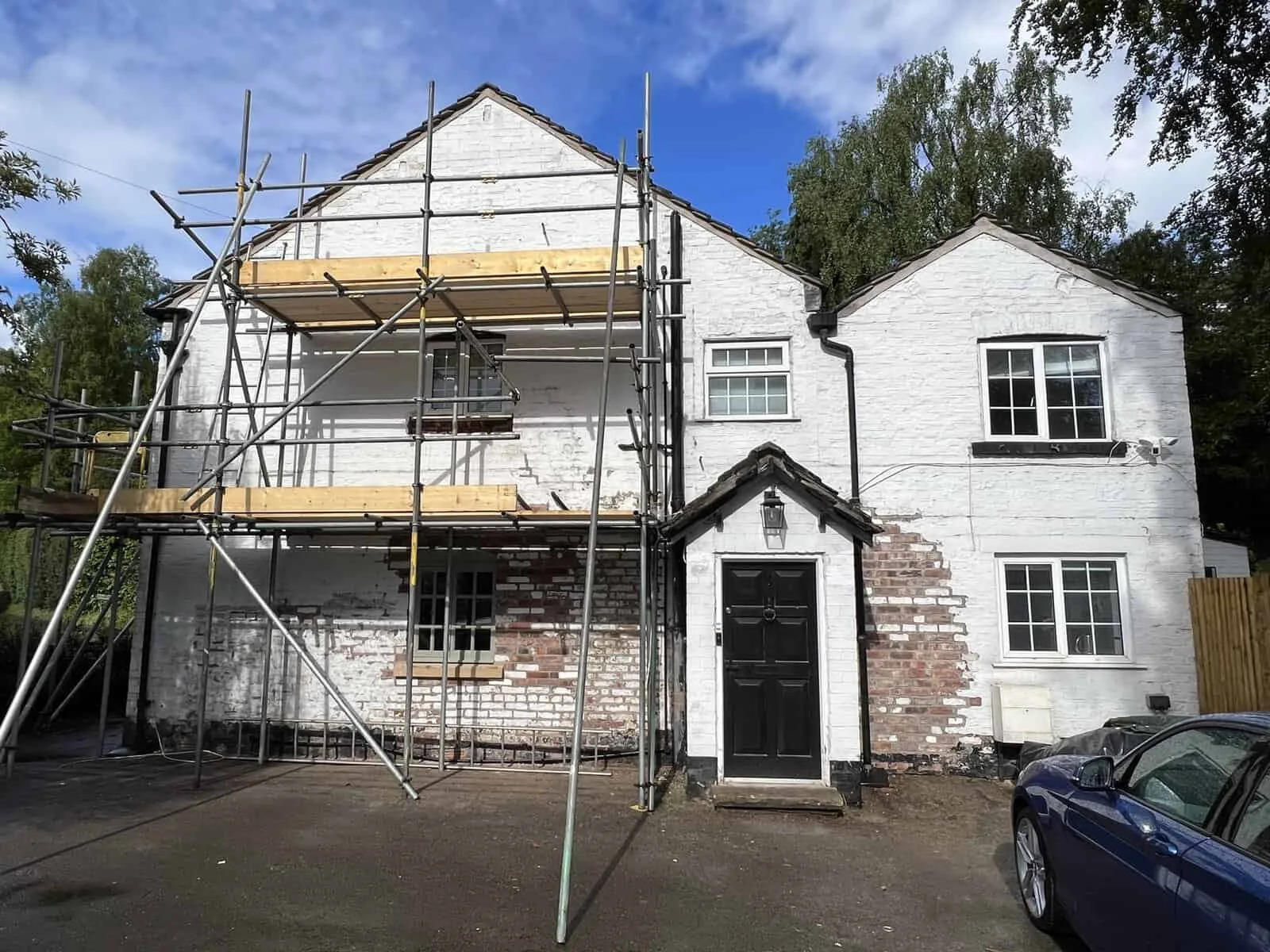
A purpose-led pointing finish
Weather-struck pointing is not a generic finish to apply everywhere. The existing joint, brick condition, mortar and exposure to the weather all help decide whether its crisp, angled profile is a good fit.
A defined weather-struck profile can help rain run across the face of a suitable wall rather than resting on recessed or failing mortar joints.
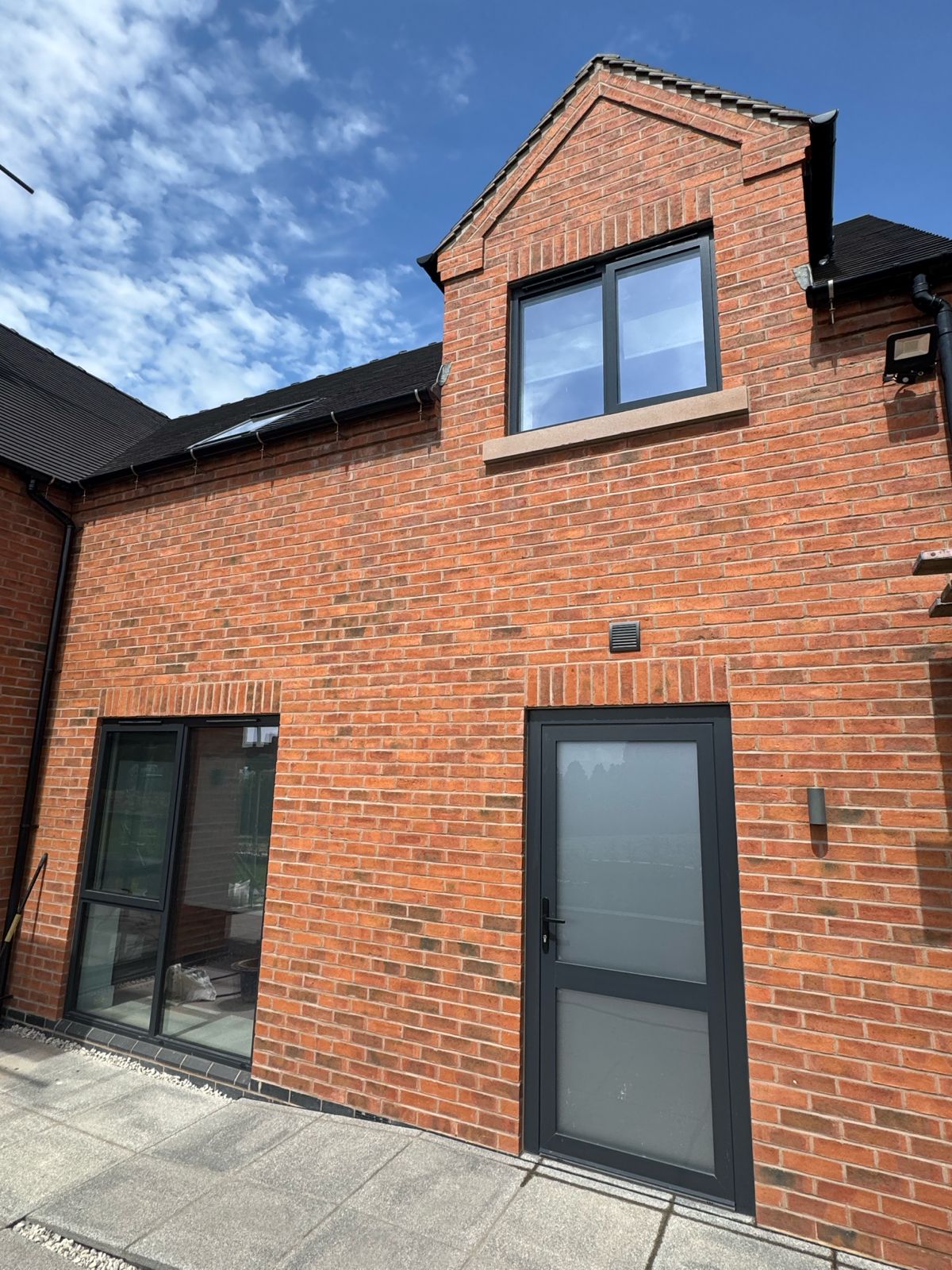
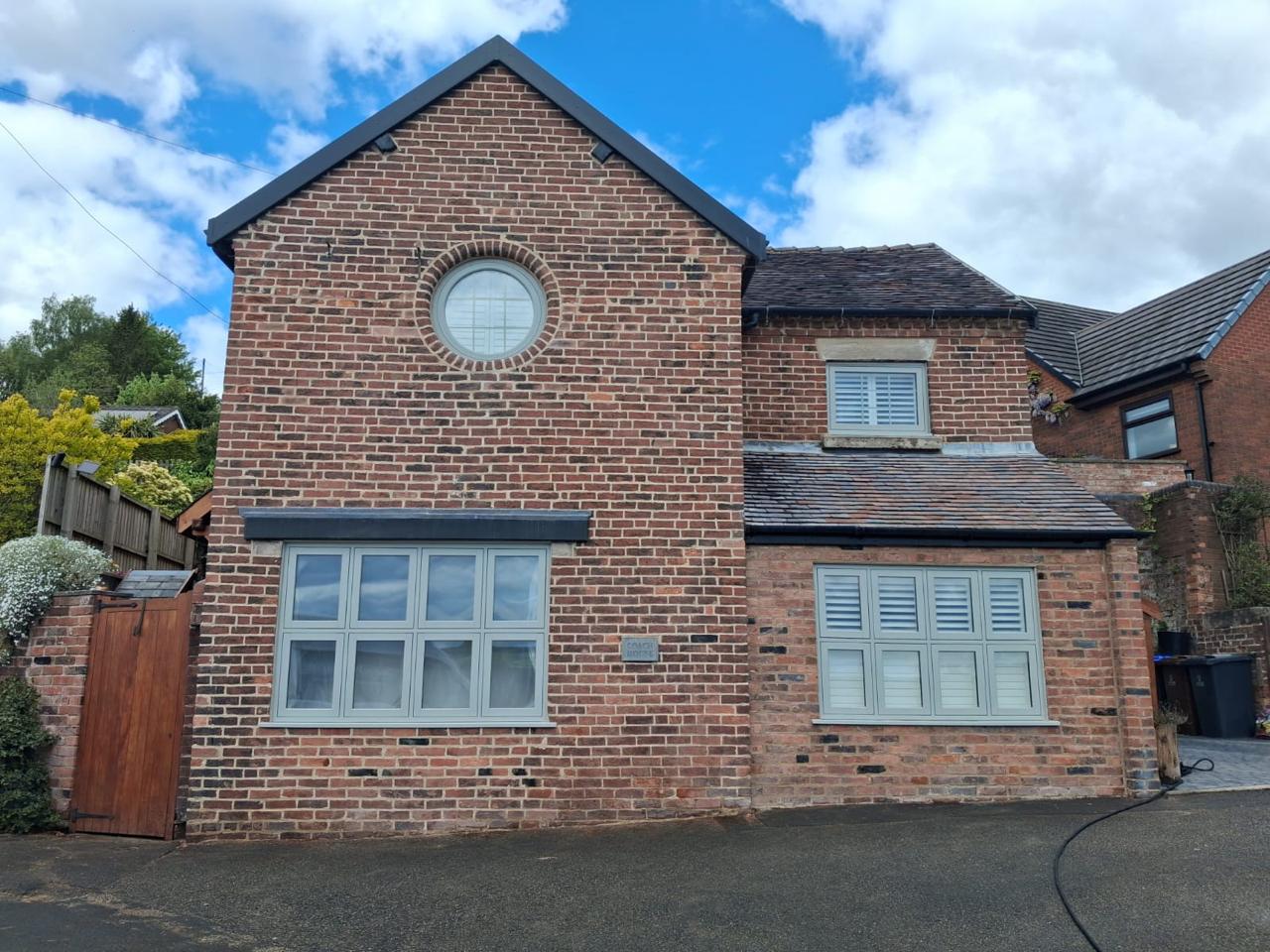
Once damaged or loose mortar has been properly prepared, a consistent finish can bring order back to an elevation without obscuring the character of the brickwork.
The brick, building age, existing mortar and exposure guide whether a lime-based or another compatible mortar is appropriate for the repointing work.
Open joints, loose brick faces, failed earlier repairs and water-entry details should be considered before a new pointing profile is formed.
Start with compatibility
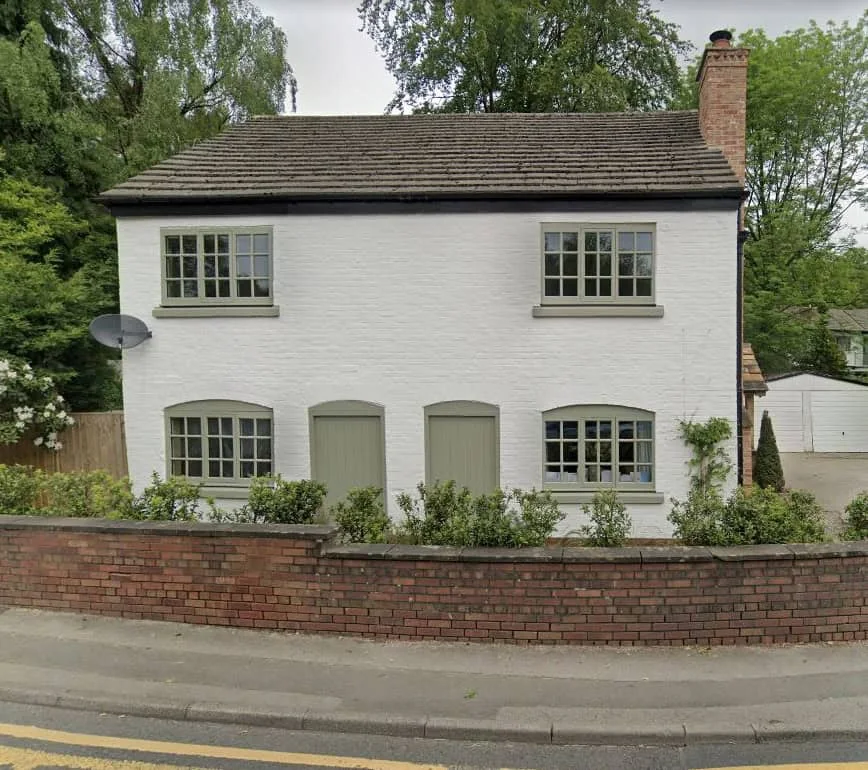
Older brickwork can respond very differently from newer construction. Existing mortar, brick hardness, joint depth and earlier repairs all help determine a compatible repointing approach. For suitable traditional walls, a lime mortar may be considered; other masonry may need a different compatible mix.
The aim is not simply to draw a sharp line across the elevation. It is to renew defective joints in a way that supports the brickwork and suits the character of the property.
Discuss your pointing workA clear sequence
The right sequence follows the actual condition of the brickwork. We keep the conversation focused on what needs attention and how the finished joint will sit within the wider elevation.
We look at the brickwork, mortar condition, access and exposed areas of the elevation before failed material is carefully prepared to a suitable depth.
The selected mortar is placed around the prepared joints and the finish is formed with attention to the brick arrises, joint depth and the character of the wall.
The work area, nearby surfaces and access arrangements are kept under review so the completed masonry and property are left tidy at the agreed stage of work.
Plan the full elevation
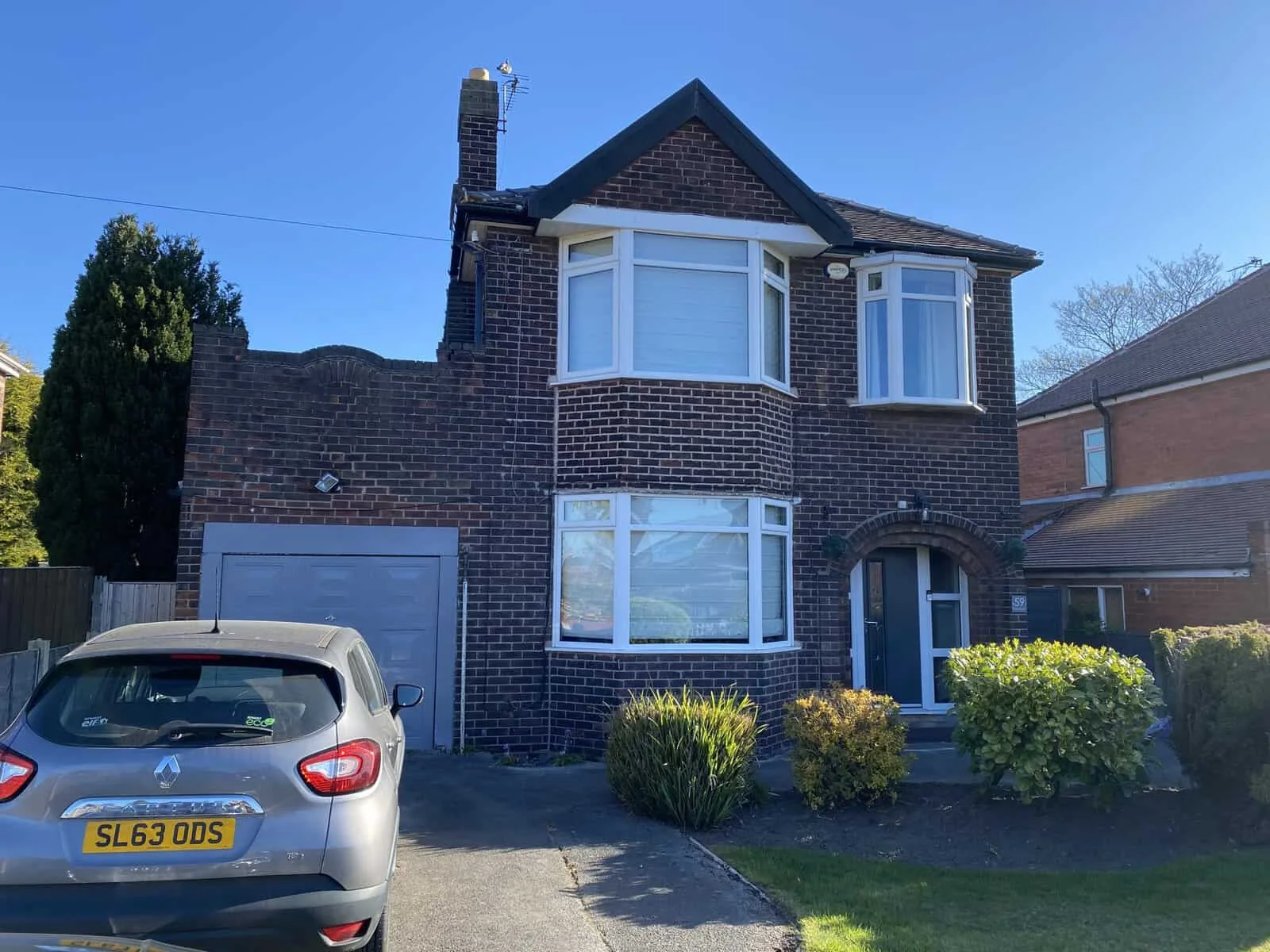
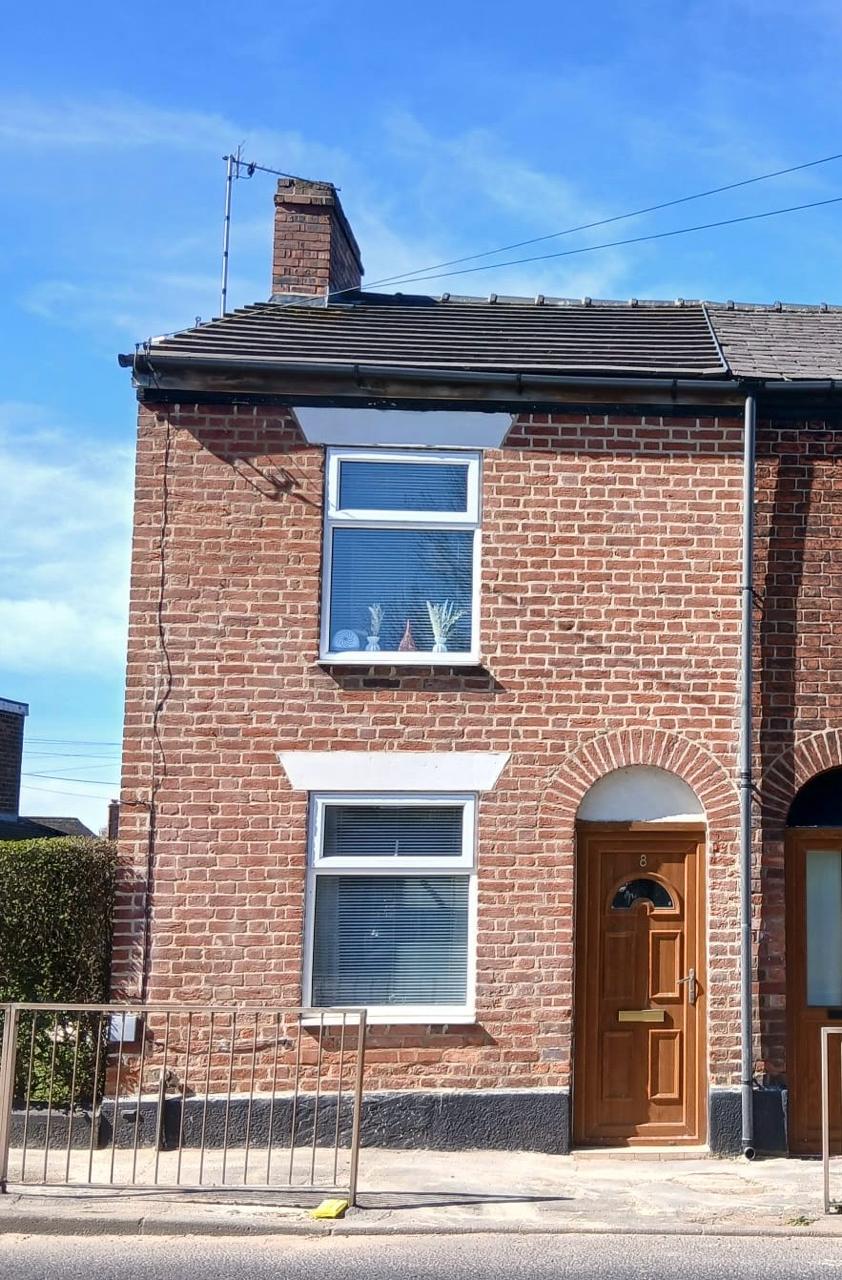
Recessed, cracked or missing mortar can leave brick edges more exposed and can make an elevation look uneven. Clear, wide photographs and close views of the affected joints help us understand whether the sensible next step is local repair, a priority elevation or wider repointing work.
Look closer
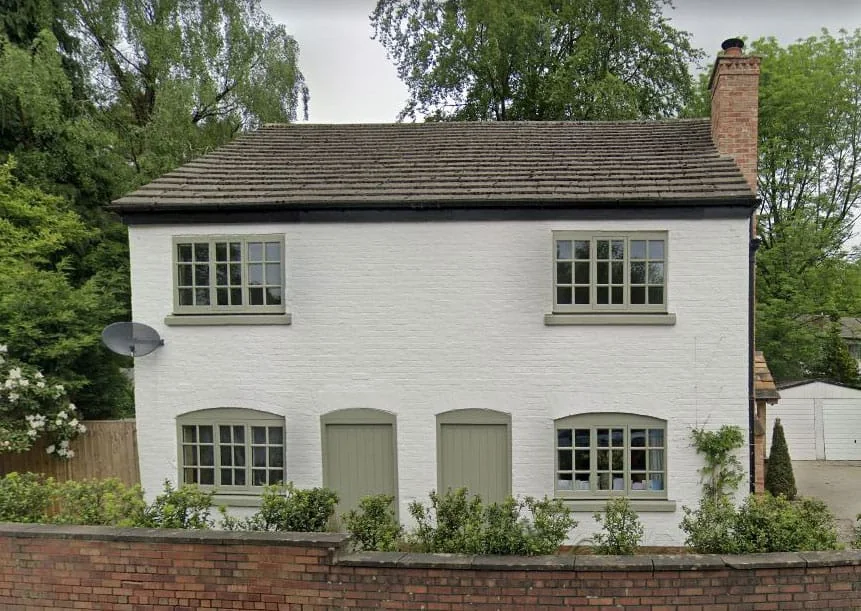
Use the slider to compare weathered brickwork with a later view showing crisp, renewed joints. The appropriate mortar, preparation depth and finished profile are always chosen after the wall itself has been assessed.
Our projects
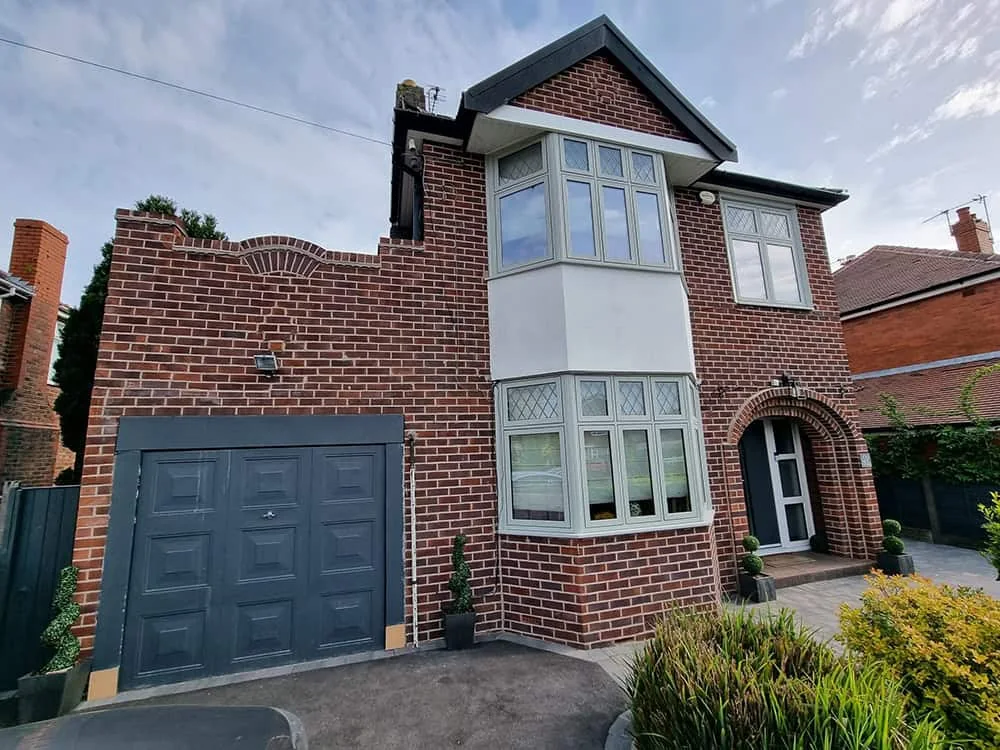
Take a look at some of the work we have completed, from the repair work and materials used through to the finished result.
Helpful reading
Explore the relevant detailed guides below. They support, rather than replace, an assessment of the individual building.
For the wider picture, start with the homeowner’s repointing overview covering condition, materials, safe access and repair planning.
Property maintenance guide8 minute read
Brickwork costs guide9 minute read
FAQs
Every property has its own material, condition and access considerations. These answers explain the points we would normally discuss before a scope is agreed.
Weather-struck pointing is a mortar-joint finish with a defined angled profile. On suitable brickwork, that profile can help shed rain across the face of the wall. It is one of several possible finishes and should be selected around the masonry, its exposure and the existing joint style.
Repointing describes the wider repair process of renewing defective mortar joints. Weather-struck pointing describes one possible finished joint profile. The preparation, mortar selection and condition of the surrounding brickwork still need to be addressed before any profile is chosen.
It may be, but older brickwork often needs careful consideration of the original joint style and a compatible mortar. The age of the building, brick condition, existing mortar and the character of the elevation all guide whether this finish is suitable.
Lime mortar can be appropriate for many traditional masonry walls, but it is not selected automatically. The existing construction, brick hardness, previous repairs and wall exposure are reviewed before a mortar and pointing approach are agreed.
Yes. Loose, spalled, fractured or poorly repaired bricks should be considered before joints are renewed. The aim is to build the pointing work around sound masonry, rather than use a new joint finish to hide an underlying repair need.
A wide photograph of the full elevation plus close images of the affected mortar joints are useful. Please mention whether the wall is exposed to driving rain, whether there are cracked bricks or damp marks nearby, and any access considerations around the property.
Call 01625 920 888, or for the fastest way to get a quotation, click Get a quotation and fill in your details.