Brickwork costs guide
Brick repointing costs: what should your quote include?
Wondering what repointing your house will cost? Repointing means removing worn or loose mortar from between the bricks and replacing it. A few damaged patches, one upstairs wall and several sides of a house are very different jobs—even before scaffolding or brick repairs are considered.
There is no single useful price for all three. This guide explains what changes the bill, gives clear example jobs and provides a checklist so you can compare what each quotation includes, rather than choosing on the headline figure alone.
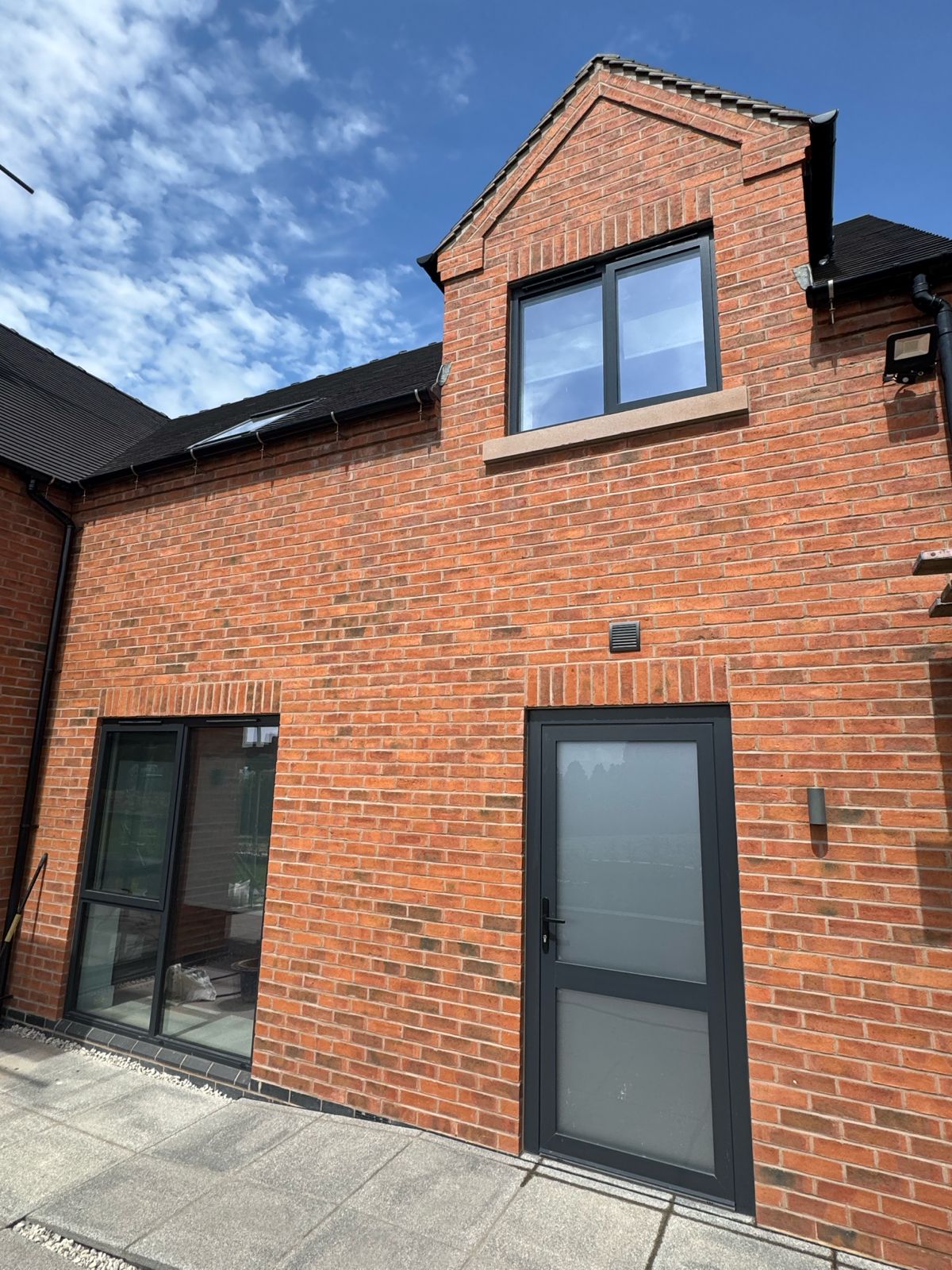
Illustrative image, not a photograph of a completed project.
Key takeaways
- Missing mortar in a few places does not automatically mean the whole house needs repointing.
- Preparation, safe access, suitable mortar and damaged bricks can change the price as much as the size of the wall.
- Compare the same repair areas and inclusions, and ask how any extra work will be agreed before it starts.
Why a price per square metre is only a starting point
A square-metre rate can help compare prices only when the work behind it is the same. Ask which parts of the wall have been measured, whether windows and doors have been allowed for, and whether access, preparation and finishing are included. Multiplying the size of your house by an online rate will not tell you which joints need repair.
Look first at where mortar is missing, loose or worn well back between the bricks. A wall may need local repairs rather than complete repointing. On older houses, mortar that feels soft is not automatically faulty: SPAB advises against repointing simply because of softness, and unnecessary removal can damage brick edges.
A small repair still needs preparation, protection and tidying. Those tasks do not disappear because the area is small, so its price per square metre may not compare fairly with a much larger job. A useful quotation explains the total for the agreed work and identifies what is excluded.
Three example jobs—and what changes their cost
These are examples of what a job might include, not prices or descriptions of particular customer projects. They show why even similar-looking brickwork can lead to different quotations.
A few small patches near ground level
You have several loose or missing joints beside a doorway, while the surrounding mortar appears sound. The proposed job might include checking those patches, protecting the doorstep and door, removing damaged mortar and matching the new joints to the old. Ask where the repairs will stop and whether any damaged bricks are included. Easy access can simplify the job, but scattered patches and careful matching still take time.
One wall reaching above upstairs windows
The exposed side of your house has worn mortar over a wider area, including high sections. As well as more repointing, the quotation needs a safe way to reach the full wall, which may mean scaffolding. A narrow passage or conservatory beneath it can complicate access and protection. Compare the wall area and access arrangements together: a quote that leaves scaffolding out is not equivalent to one that includes it.
Several sides of a house, with some brick repairs
Mortar has failed across several walls, and some brick faces have flaked or broken. The work may involve moving access equipment between areas, replacing agreed damaged bricks, matching mortar and protecting a larger part of the property. Ask whether chimney work, garden walls or other separate areas are included or excluded. A broader job has more work to coordinate, but sound joints should still be identified rather than automatically stripped out.
What preparation and materials add to the job
Repointing is not simply spreading fresh mortar over the gaps. The work underneath the finished joints helps explain why two contractors may allow different amounts of labour. Ask each to describe their approach in plain English.
Broken or flaking bricks are a separate repair, not something new mortar can put back. Ask which bricks need replacing, how suitable replacements will be found, and whether their cost is included or shown as an allowance. An allowance is an estimated amount that may change once the required work is confirmed.
Check the wall and agree the repairs
Identify the joints needing work, the condition of the bricks and any earlier patches. Damp needs its own investigation: overflowing gutters, damaged pipes or other water sources may need attention as well. Repointing should not be sold as a guaranteed cure for every damp patch.
Protect the area and prepare the joints
Worn mortar is carefully removed to leave enough depth for a proper repair, rather than a thin surface covering. Preparation must avoid damaging the bricks. Hard cement repairs in old brickwork can be difficult to remove; SPAB recommends a trial to establish whether removal is possible without further damage. This can affect both the plan and the price.
Use suitable mortar and finish it consistently
The mortar needs to suit the bricks and existing construction, not just match the colour. Older brickwork may need lime mortar, which can allow moisture to escape more readily than hard cement pointing. A sample or small trial area helps agree the colour, texture and shape of the finished joints. Ask whether this is included, especially when matching a partial repair.
Protect the new work and tidy up
Fresh mortar needs protection from rain, frost and drying too quickly in sun or wind. The quote should explain protection, removal of waste and the agreed final clean-up. Ask what aftercare is needed and who is responsible for it, rather than assuming the job ends as soon as the last joint is filled.
Will access, mess or weather affect the price?
They can. Work above ground level needs properly planned access; scaffolding is not an optional extra if it is the chosen safe way to do the job. HSE guidance explains the need to protect workers from falls. Ask who arranges the access equipment, whether its cost is included and how long it is expected to remain.
Removing old mortar can create noise, dust and debris. Ask how dust will be controlled and how windows, doors, paths and planting will be protected. If you need to keep a doorway or shared passage usable, mention it before the price is agreed—not when equipment arrives.
Discuss whether you can remain at home and how the work will be arranged around you. This is usually about access and disruption, not simply the amount of mortar being replaced. Ask for a proposed working sequence, expected noisy stages and any restrictions on using nearby doors or windows.
Weather and the chosen mortar can affect the programme. A sensible plan includes time and protection for the fresh work, not just the time spent filling joints. Ask what happens to access hire and costs if the work is delayed. There is no reliable standard duration for all houses.
- Flag narrow side passages, steps and limited space for equipment or materials.
- Mention roofs, conservatories or other structures beneath the repair area.
- Explain any shared access, neighbouring land or public pavement that might be involved.
- Ask who will arrange any necessary access permission, and whether associated charges are included.
A checklist for comparing repointing quotations
Put the quotations side by side and check that they describe the same job. If one is much cheaper, ask what accounts for the difference. It may cover less work, exclude access or leave brick repairs as an extra; price alone does not explain the quality of the proposed repair.
- Repair areas: which walls and patches are included, where repairs stop, and which sound joints will stay? A marked photograph can make this clear.
- Preparation: how will old mortar be removed without damaging the bricks, and is a trial needed for hard previous repairs?
- Mortar and appearance: what type of mortar is proposed, why does it suit the wall, and is a sample or trial area included?
- Brick repairs: are damaged bricks included, counted separately, covered by an allowance or excluded?
- Access: who supplies scaffolding or other equipment, what does it reach, and are hire, removal and any permissions included?
- Protection and clean-up: what happens to dust, waste and vulnerable surfaces, and how will fresh mortar be protected? Is wider brick cleaning separate?
- Total price: is VAT included where applicable, and are all exclusions and estimated allowances clearly identified?
- Unexpected work: how will hidden damage or additional repairs be explained, priced and agreed with you before extra work begins?
- Timing and payment: what is the proposed sequence, how are weather delays handled, what payment stages apply, and what aftercare or written warranty terms, if any, are offered?
What to send when you ask about the cost
You do not need to measure every joint or decide on a mortar mix. Start with a photograph showing the whole affected wall and closer views from somewhere safe. The wide view helps explain the size, height and access; the close view shows what you have noticed.
Photos can start the conversation, but they cannot establish everything hidden in a wall or confirm its condition. Ask whether the first figure is an estimate and what must be checked before a final written quotation is agreed.
Do not treat movement or falling material as a routine price enquiry
If a wall is newly cracking, bulging or leaning, or masonry is loose overhead, keep people clear of any danger and seek appropriate professional advice promptly. Historic England recommends structural-engineer advice for signs of structural movement. Do not climb a ladder or onto a roof to get a better photograph.
- Your postcode and which part of the house concerns you: front, back, side or another area.
- What you can see, such as missing mortar, loose pieces, flaking bricks or damp marks.
- When you first noticed it, whether it is getting worse, and whether damp follows rain.
- Full-area and safe close photographs, plus any known previous repairs.
- Access restrictions, whether the property is listed, and any timing you need to discuss.
Common questions
What homeowners often ask.
Can I get a fixed repointing price from photographs?+
Photographs can help with an initial estimate, especially if they show the whole wall and its access. A fixed quotation may need a site assessment to confirm preparation, brick repairs and materials. Ask what has been checked and whether the figure is an estimate or a final quotation.
Is repointing a small patch cheaper than doing the whole wall?+
A small repair may cost less overall when the surrounding joints are sound. It still needs preparation, protection and matching, so its price per square metre may be higher. Ask for the repair boundaries and the reason for any recommendation to do a larger area.
Should scaffolding be included in the quotation?+
If scaffolding is the planned access method, its arrangement and cost should be clear in the quotation. Check who pays for hire, installation and removal, and what happens if weather extends the hire. Not every ground-level repair needs scaffolding.
Does lime mortar always make repointing more expensive?+
Not necessarily. The total also depends on preparation, access, matching and protection. Ask why the proposed mortar suits your bricks and what its use involves. Choosing a harder mortar merely to reduce the initial price can create problems for older brickwork.
Will the quoted price include damaged bricks and cleaning?+
Only if the quotation says so. Replacing damaged bricks, clearing away mortar debris and cleaning a whole wall are different tasks. Ask for each to be included, separately priced or explicitly excluded so there are no assumptions.
What if more damage is found once the old mortar is removed?+
Agree how this will be handled before work starts. The contractor should explain the discovery and proposed repair, identify any allowance already in the quote, and obtain your agreement to additional cost. Ask for a written update rather than leaving changes to the final bill.
Sources behind the advice
Where to read more
We’ve used the following guidance for the repair, conservation and safety advice in this article. These organisations are references, not the authors of this page.
- Historic EnglandRepairing Walls of an Older Home
Guidance on investigating damp, matching repair materials, brick replacement and structural warning signs; not a source of repointing prices.
- The Society for the Protection of Ancient Buildings (SPAB)Repointing
Guidance for old masonry on retaining sound mortar, careful preparation, compatible repairs, trial panels and weather protection; not a pricing source.
- Health and Safety ExecutiveWorking at height: A brief guide (INDG401)
Work-at-height safety guidance supporting planned access and precautions against falls; it does not prescribe one access method or give job prices.
Staffordshire project reference
See what the work involved.
Your brickwork
Not sure what needs doing? Start with what you’ve noticed.
You do not need building vocabulary to ask about a price. Send your postcode, photos of the whole area and safe close views, and a short description of what has changed and when. Mention access restrictions and any timing you have in mind.
Prefer to talk it through? Call 01625 920 888, or use the existing quotation form. Staffordshire Pointing aims to respond to website enquiries within 48 hours. Photos help start the conversation; a site assessment may be needed before the work and final price can be agreed.