Staffordshire coverage
Repointing in Red Street
Repointing in Red Street, Staffordshire, planned around mortar condition, brickwork and access. Send your postcode and property photos to request a quotation.
A clear starting point
How can I arrange repointing in Red Street?
For repointing in Red Street, Staffordshire, start by sharing your property postcode, a wide photograph of the elevation and close-ups of the mortar or brickwork concern. Staffordshire Pointing can then confirm availability and the next step. The scope should reflect the material, condition, access and exposure; lime mortar, chimney work or brick repairs may be relevant after assessment. Cracks need their cause assessed rather than assuming repointing alone will resolve them.
- brick repointing assessment and process
- lime mortar pointing where appropriate
- what affects a repointing quotation
Planning the work
Pointing and repointing for properties in Red Street.
For properties in and around Red Street, we provide brick pointing and repointing for weathered, loose or cracked mortar joints, alongside lime mortar, chimney pointing and careful brick repairs where the condition calls for it.
Whether the property has weathered mortar, damaged brickwork, an exposed chimney or an older elevation that needs a closer look, a useful conversation begins with the material and the detail that needs attention.
Local area map
Repointing enquiries in and around Red Street.
The map provides orientation around Red Street; it is not an exact service boundary or a local office marker. Share the property postcode, a wide photograph of the elevation and the mortar or brickwork detail you would like us to look at so the team can confirm the location and scope.
Request a repointing quotationRelevant masonry services
Careful work, scoped around the building.
Our Projects
Relevant restoration examples to explore.
These project archive examples show approaches to conditions that may be relevant around Red Street. Each full project record states its original location and scope; archive examples are not presented as work completed in Red Street.
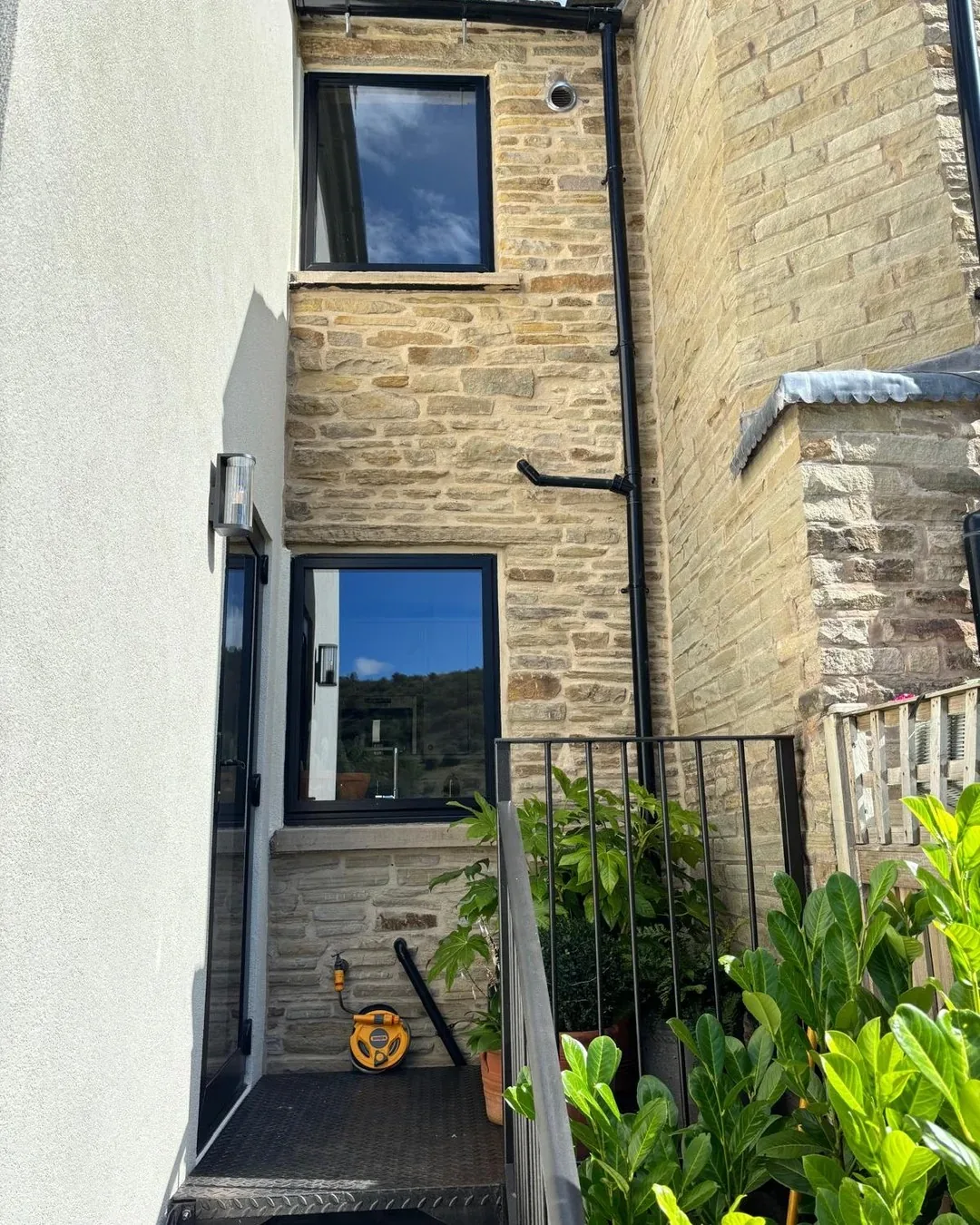
Stone Wall Restoration & Brick Cleaning
Original stonework and masonry
Explore project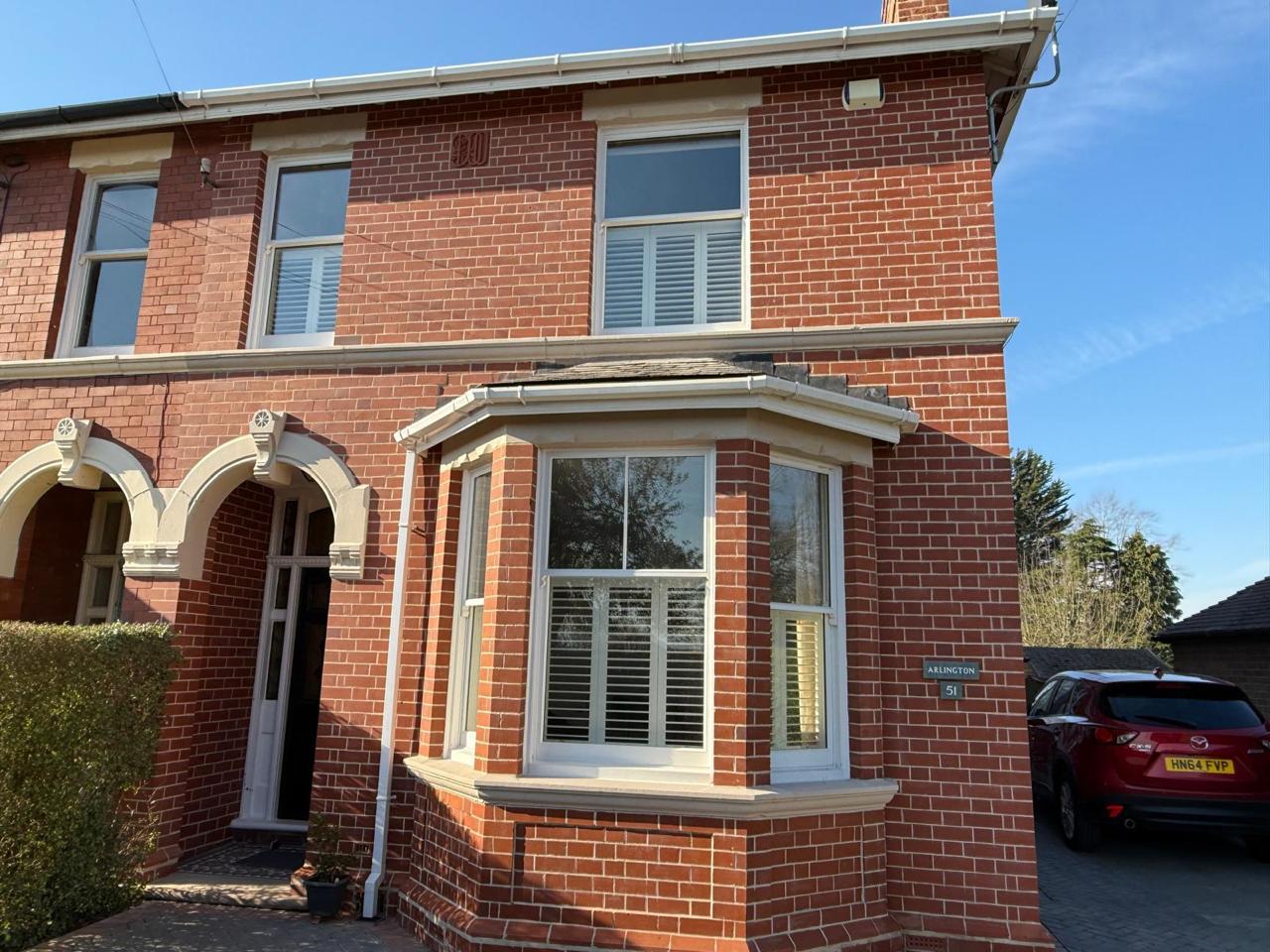
Edwardian Semi-Detached Brickwork Restoration
Traditional pointing mortar
Explore project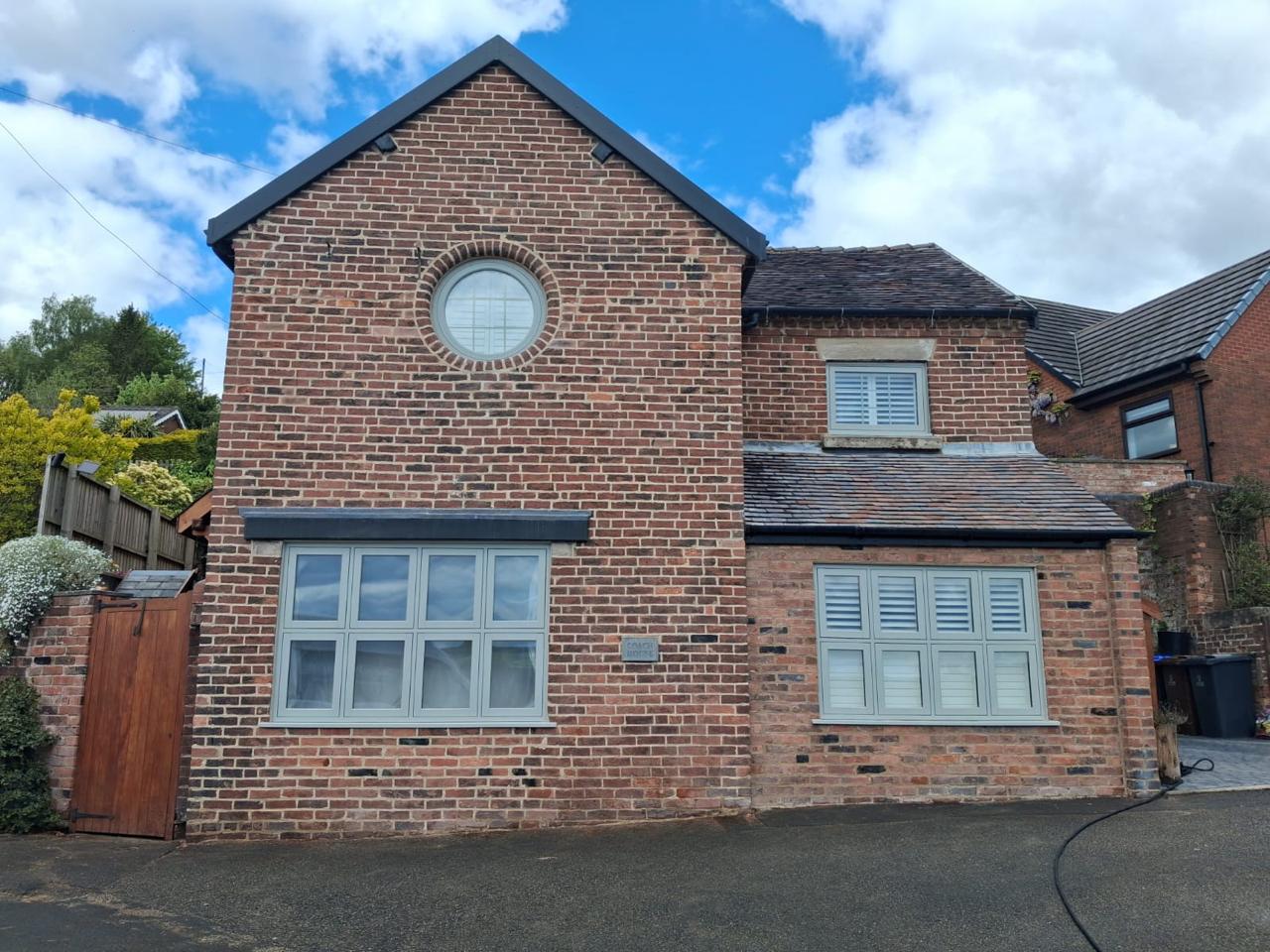
Coach House Lime Mortar Restoration in Cheadle
Lime mortar conserv (Hawstone Gold)
Explore projectYour property in Red Street
Ready to discuss what your brickwork needs?
Share the area you are concerned about, photographs and any timing requirements. The quotation form is the fastest way to start the conversation.
A practical first step
Build the quotation around what is genuinely needed.
Pointing and restoration work should be planned around the material, the condition of the wall, access and exposure—not an assumed one-size-fits-all solution. Detail from the property in Red Street helps make the first conversation more useful.
Browse all Staffordshire areasSpeak to somebody today.
Call 01625 920 888, or for the fastest way to get a quotation, click Get a quotation and fill in your details.
Helpful answers
Questions about your local repointing enquiry.
What photographs should I send with a Red Street repointing enquiry?
Send a wide photograph showing the elevation and close-ups of the mortar joints or damaged brickwork, together with the property postcode and any timing requirements. These details help confirm availability and the most sensible next step; photographs do not replace a necessary inspection.
What determines the scope of repointing for my property?
The page identifies the masonry material, wall condition, access and exposure as the basis for planning work. Weathered, loose or recessed mortar may need repointing; lime mortar, chimney pointing or brick repairs depend on assessment. Cracks require investigation of their cause rather than assuming new mortar is sufficient.
Were the project examples shown here completed in Red Street?
They are related project archive examples, not projects presented as completed in Red Street. Each full project record states its original location and scope. The examples labelled Cheshire and Cheadle, Cheshire must retain those locations and should be used only to illustrate relevant restoration approaches.